
Service
Box Packaging Design
Every box tells a story. Make yours count.
Whether it's a folding carton on a retail shelf, a subscription mailer box, or a rigid luxury set-up box — we design box packaging that delivers an unforgettable brand experience from the outside in.
Quick Answer
Box packaging design creates custom folding cartons and rigid boxes with print-ready CMYK artwork, custom structural dielines, and full compliance panels — delivering files your manufacturer can send directly to press.
What's Included
Everything delivered, as standard
Every Box Packaging Design project includes these deliverables — no extras, no upsells, no surprises.
Packaging expertise across
7 product categories
Ecommerce & DTC
Subscription Boxes
Luxury Gifts
Cosmetics
Electronics
Food & Beverage
Apparel
Box Packaging Design
Every box tells a story. Make yours count.

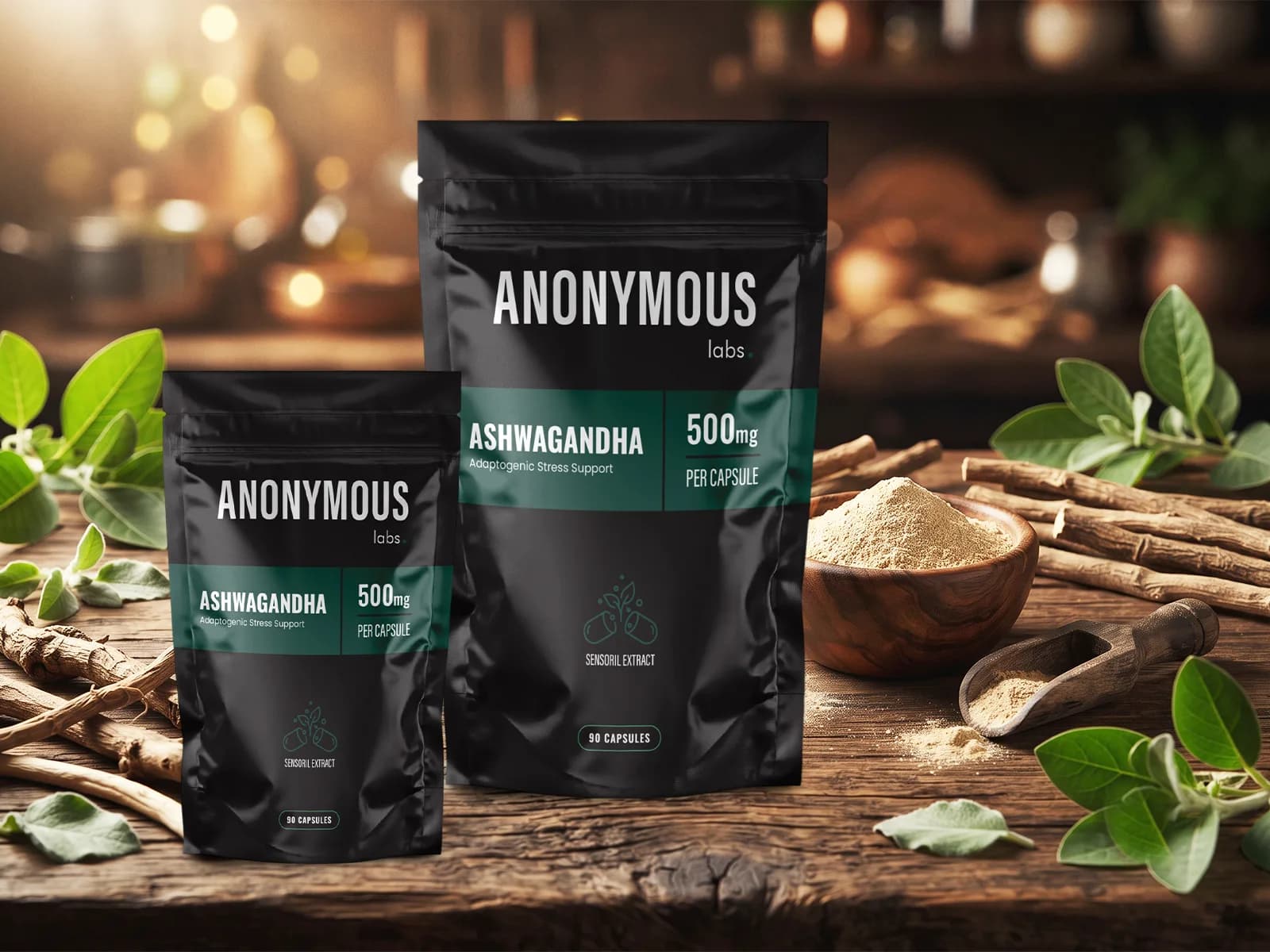
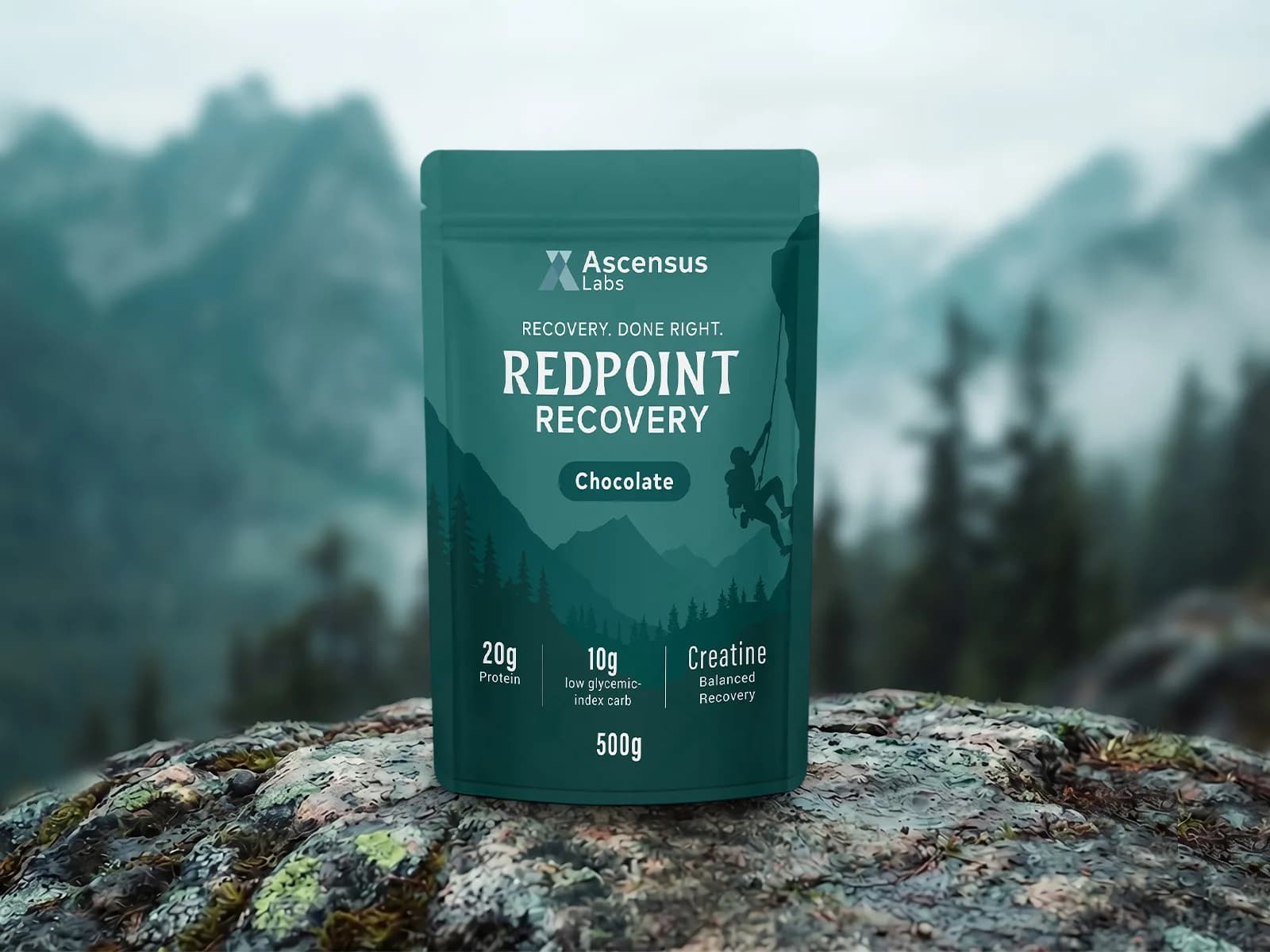
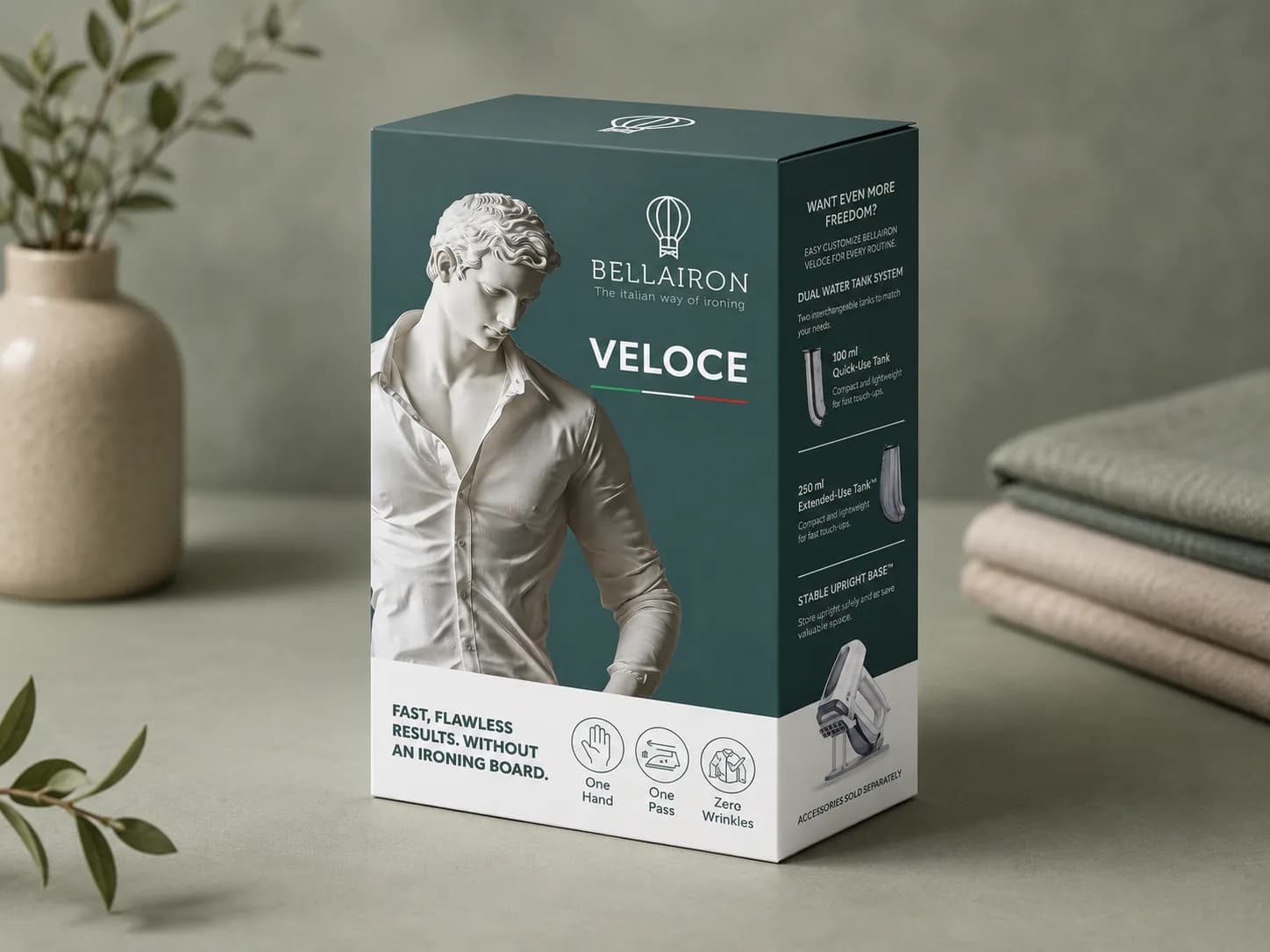


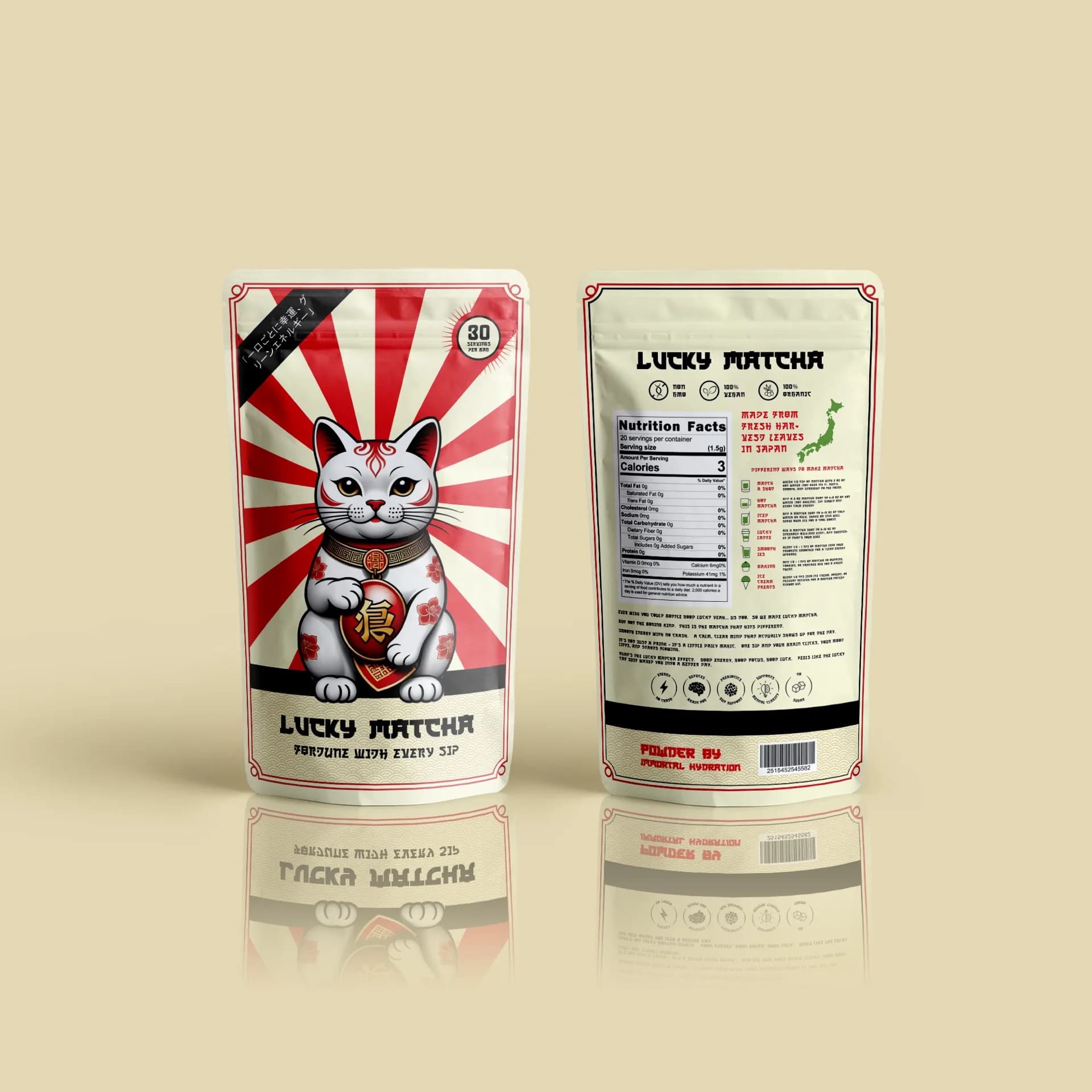

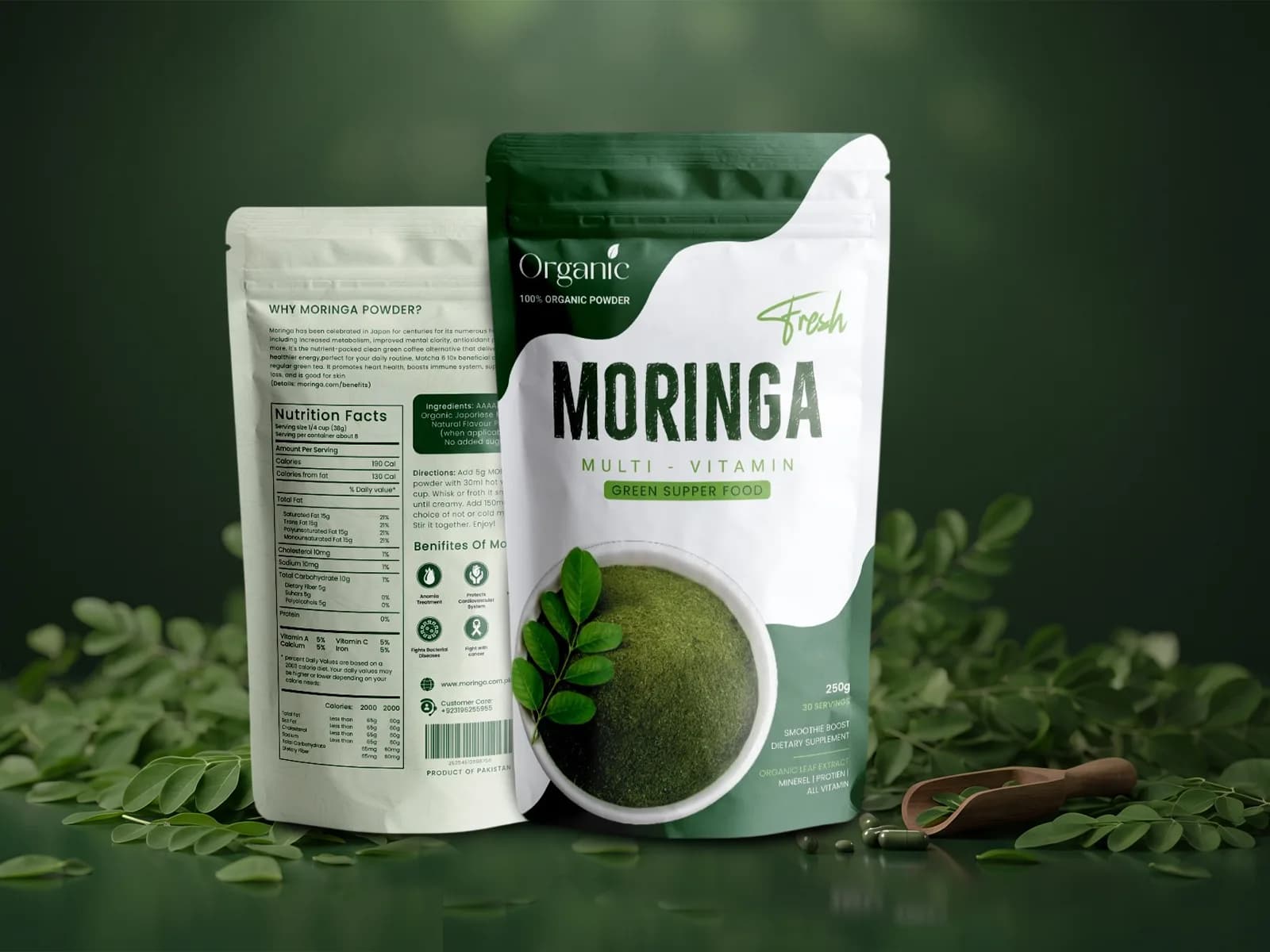

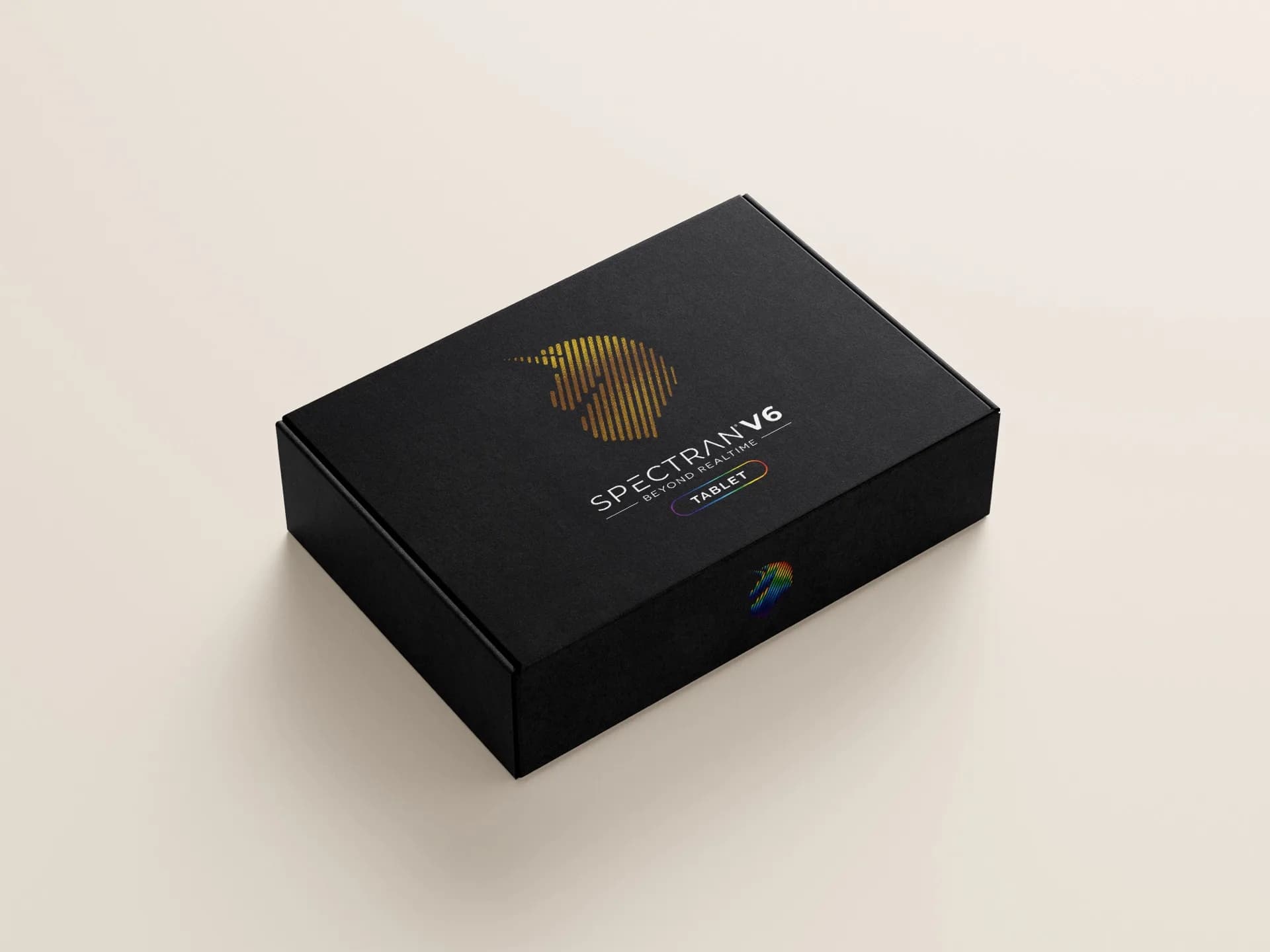
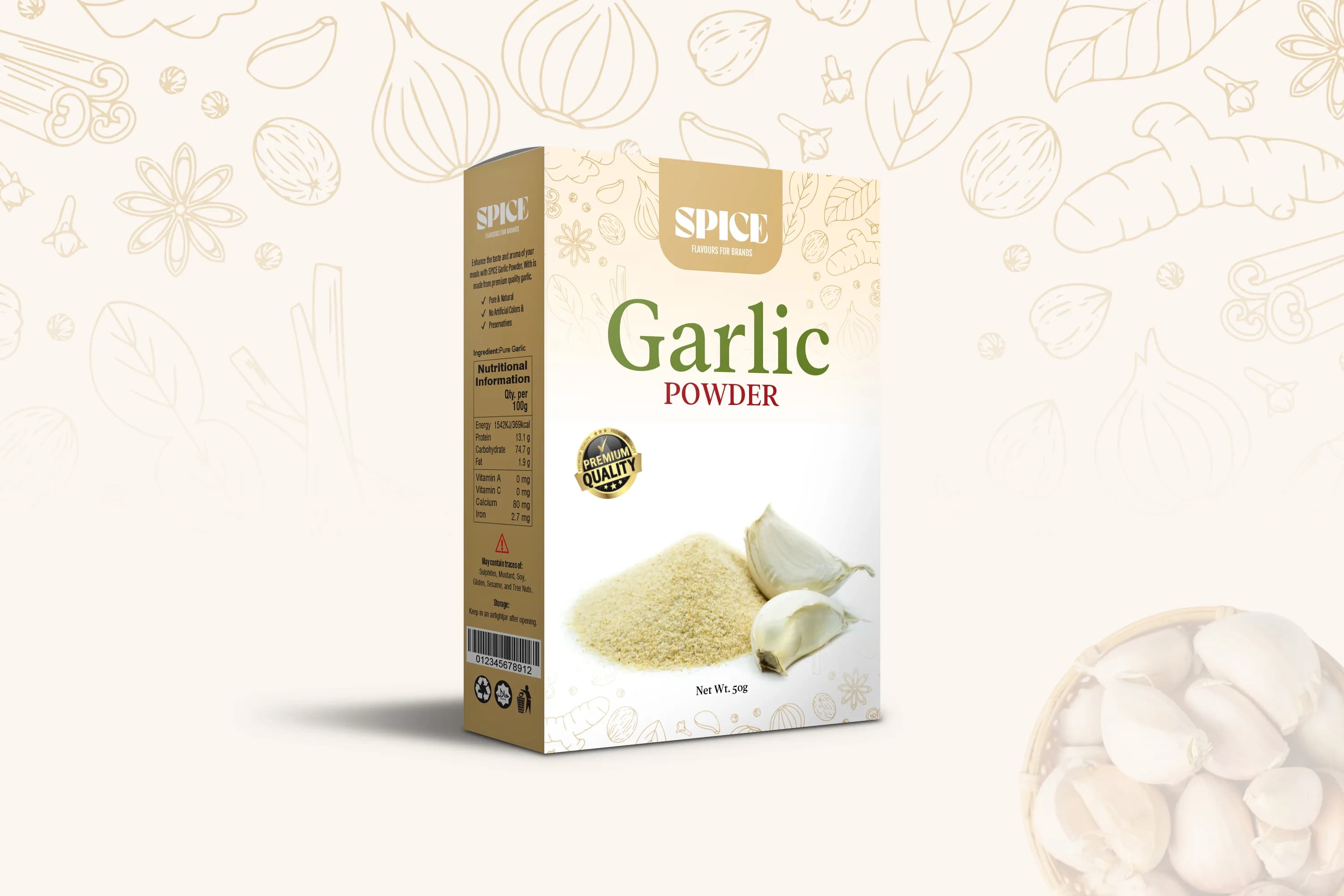


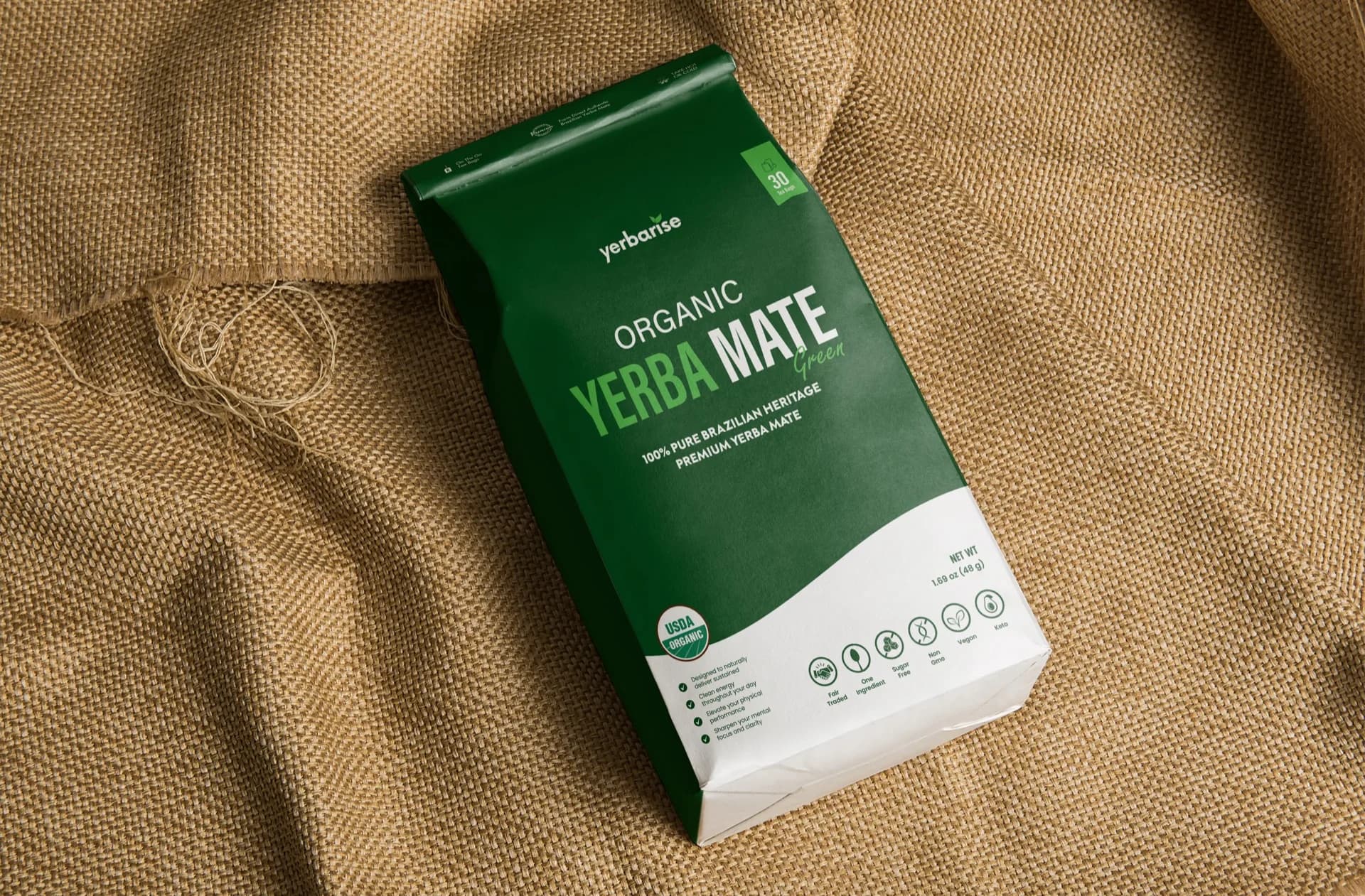

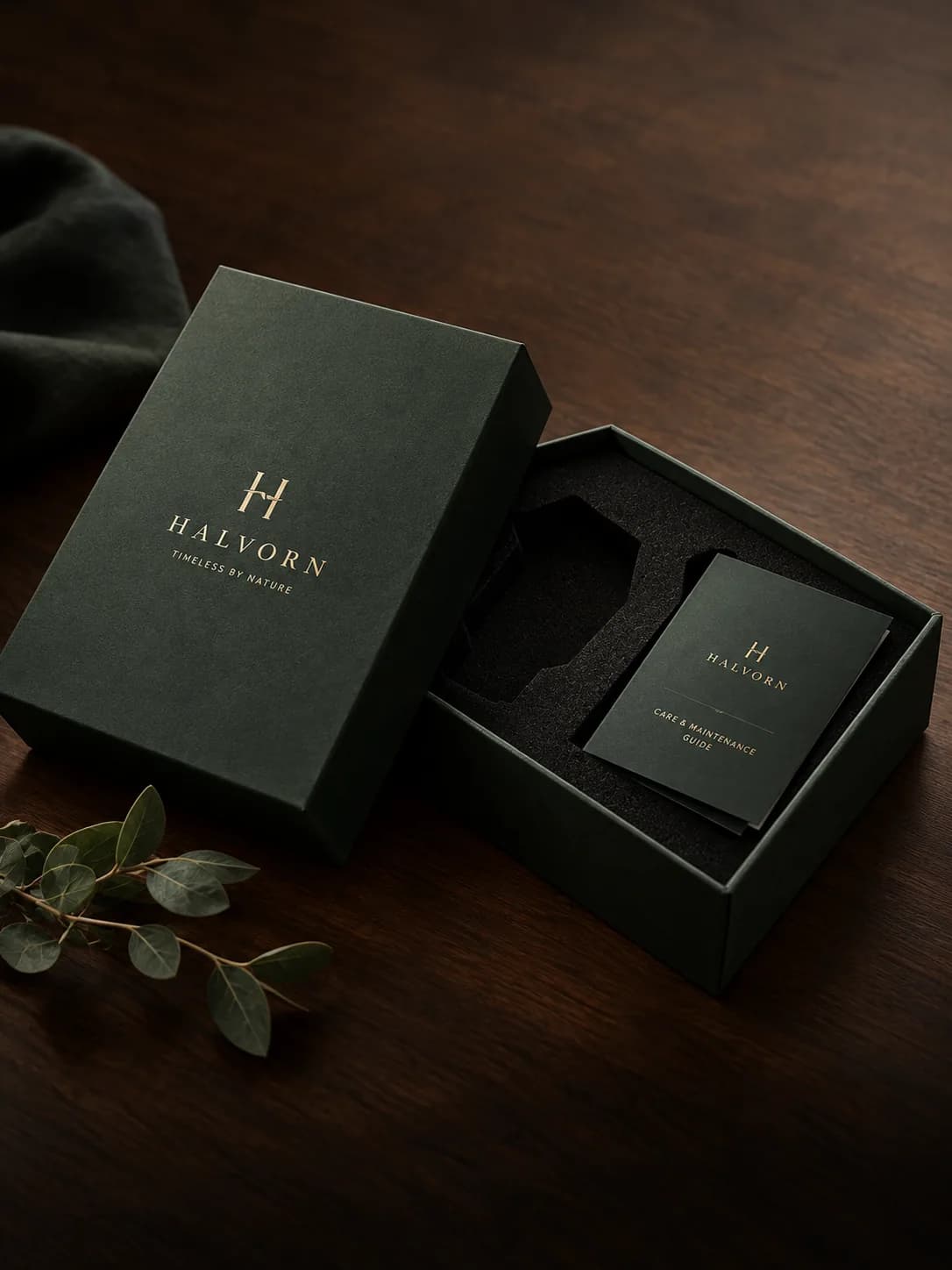
We're always-on to deliver the
packaging you want, when you need it
Print-ready box artwork files (AI, PDF)
Custom structural dieline
Interior and exterior artwork files
Specialty finish layer separations
3D box mockups
Printer specification sheet
Box Packaging Design: The Complete Guide
A complete reference for brand managers, designers, and marketers making packaging decisions.
Box packaging: formats, materials, and when to use each
More formats than most clients realise
The challenge"Box" might mean a folding carton for food retail, a rigid setup box for luxury goods, a corrugated shipper for DTC ecommerce, or a mailer box for subscription brands — each with entirely different structural requirements, production methods, and cost profiles.
Our approachWe identify the right format before any design begins, based on product weight and dimensions, retail or logistics environment, volume requirements, and budget — because changing formats after artwork is produced is expensive.
Format determines cost and MOQ
The challengeBrands regularly choose a box format based on aesthetics, then discover the minimum order quantity is too high, the unit cost doesn't work at their volume, or the production lead time exceeds their launch window.
Our approachWe present format options with honest cost and MOQ comparisons at your specific volume, so the format choice is made with full commercial awareness — not corrected after the design has been produced.
The Process
Folding carton: the standard retail box
Folding cartons are the dominant box format in retail. They're manufactured from coated or uncoated paperboard (typically 250—400gsm), printed in sheet-fed or web offset or flexographic processes, and assembled flat until the product is packed. The structural template is called a dieline — a flat cut-and-fold pattern that defines every panel, score line, glue tab, and cut edge of the finished box.
Board grades for folding cartons
SBS (Solid Bleached Sulfate) is the premium board for food and pharmaceutical cartons — it has a bright white surface for accurate colour reproduction and is food-contact safe without additional barrier. GD2 (Grey-back duplex) is the standard board for non-food retail — the grey inner liner is visible on interior surfaces. FBB (Folding Box Board) offers good stiffness-to-weight ratio for display cartons. SUS (Solid Unbleached Sulfate) — Kraft — is used for products targeting natural or sustainable positioning. Each has different printability, stiffness, and cost profile.
Dieline engineering
A dieline is not a generic template from a manufacturer's spec sheet. A well-engineered custom dieline accounts for the specific board thickness (which affects how much the board compresses at score lines and how much material is added at corners for accurate dimension), the product dimensions with tolerance (not just the product's nominal size but how much it varies unit-to-unit), the closing mechanism (tuck-end, seal-end, crash-lock base, snap-lock), and whether the box will be assembled by hand or by automated erection equipment. Generic dielines produce boxes that are slightly too loose, slightly too tight, or close with visible alignment problems.
Print processes for folding cartons
Sheet-fed offset lithographic printing is used for high-quality mid-to-long run cartons — the process delivers excellent colour accuracy and fine detail reproduction. Web-fed flexographic printing is used for very high volume carton production (billions of units annually for major FMCG brands). Digital carton printing is used for short runs, personalised or variable cartons, and product development samples. Gravure is used for specialist applications requiring very high colour consistency across enormous production volumes (cigarette packaging is the canonical example).
Rigid Boxes
Rigid boxes: structure and production
Rigid setup boxes don't fold flat — they're constructed from thick greyboard (1,200—2,400gsm) wrapped in printed paper or fabric. The result is a box with significantly more structural integrity, weight, and perceived quality than any folding carton. They're used for luxury goods, electronics, premium cosmetics, gifting, and any product where the packaging itself contributes to the brand's premium positioning.
- Lid types. Telescope lids (separate lid and base with an overlap section) create the deliberate opening moment associated with premium unboxing. Hinged lids produce a book-style opening experience. Drawer boxes (slider mechanism) add interactive quality. Each lid type has different engineering constraints on the paper wrap and interior finishing.
- Paper wrapping. The structural board is wrapped in a separate printed paper. The paper is printed offset or digitally, then laminated and applied to the greyboard structure. This process allows any printed design to be applied to the exterior. The paper wrap and the adhesive holding it must be matched to the box structure to avoid lifting at edges and corners.
- Interior construction. The interior of a rigid box can be plain (white or coloured paper-lined), or structured with a tray that holds the product in a specific position. Trays are constructed from thermoformed PETG, moulded EVA foam, cardboard with material covering, or vacuum-formed pulp. Each has different cost and visual quality.
- Minimum quantities. Rigid boxes are significantly more expensive than folding cartons at low volumes — the structural construction cannot be efficiently automated at the same scale. Typically minimum order quantities start at 500—1,000 units for basic constructions, with prices dropping significantly at 3,000+ units.
Ecommerce Boxes
Corrugated and mailer boxes for ecommerce
Corrugated boxes are the standard format for shipping and DTC ecommerce. They're structurally robust, widely available, and cost-effective at volume. The structure consists of a corrugated medium (the fluted inner layer) glued between two flat liner boards — the combination produces a board with very high strength-to-weight ratio for a given amount of material.
For DTC brands, the outer shipping box is often the first physical touchpoint a consumer has with the brand. An unbranded brown corrugated box followed by an impeccable inner packaging experience creates a jarring first impression. A printed outer — even a simple one-colour Kraft-on-Kraft print of the brand mark — extends the brand experience to the moment of delivery. This is particularly valuable for subscription brands where repeat unboxing becomes part of the brand ritual.
- Regular Slotted Container (RSC). The standard brown shipper box. All four flaps meet in the centre when closed. Lowest cost. Used where shipping function is primary and brand experience is handled entirely by inner packaging.
- Mailer boxes (full-overlap with tuck closure). Self-locking boxes without a separate lid — the closing flaps tuck under the structure to hold the box closed without tape. The standard format for subscription box brands and DTC gifting. They can be printed inside and out for 360-degree brand experience.
- Printed corrugated. Single-colour, two-colour, and full-colour print on corrugated is achievable through flexographic or digital print. The corrugated surface texture limits achievable print quality compared to folding carton on coated board — fine detail and photographic images require digital print; bold graphic and typographic designs print effectively by flexo.
- Insert trays. Custom corrugated insert trays protect products in transit and create the unboxing structure that holds items in a specific reveal arrangement. They're engineered from corrugated sheet using a dieline specific to the product dimensions and the desired presentation.
Got Any Questions?



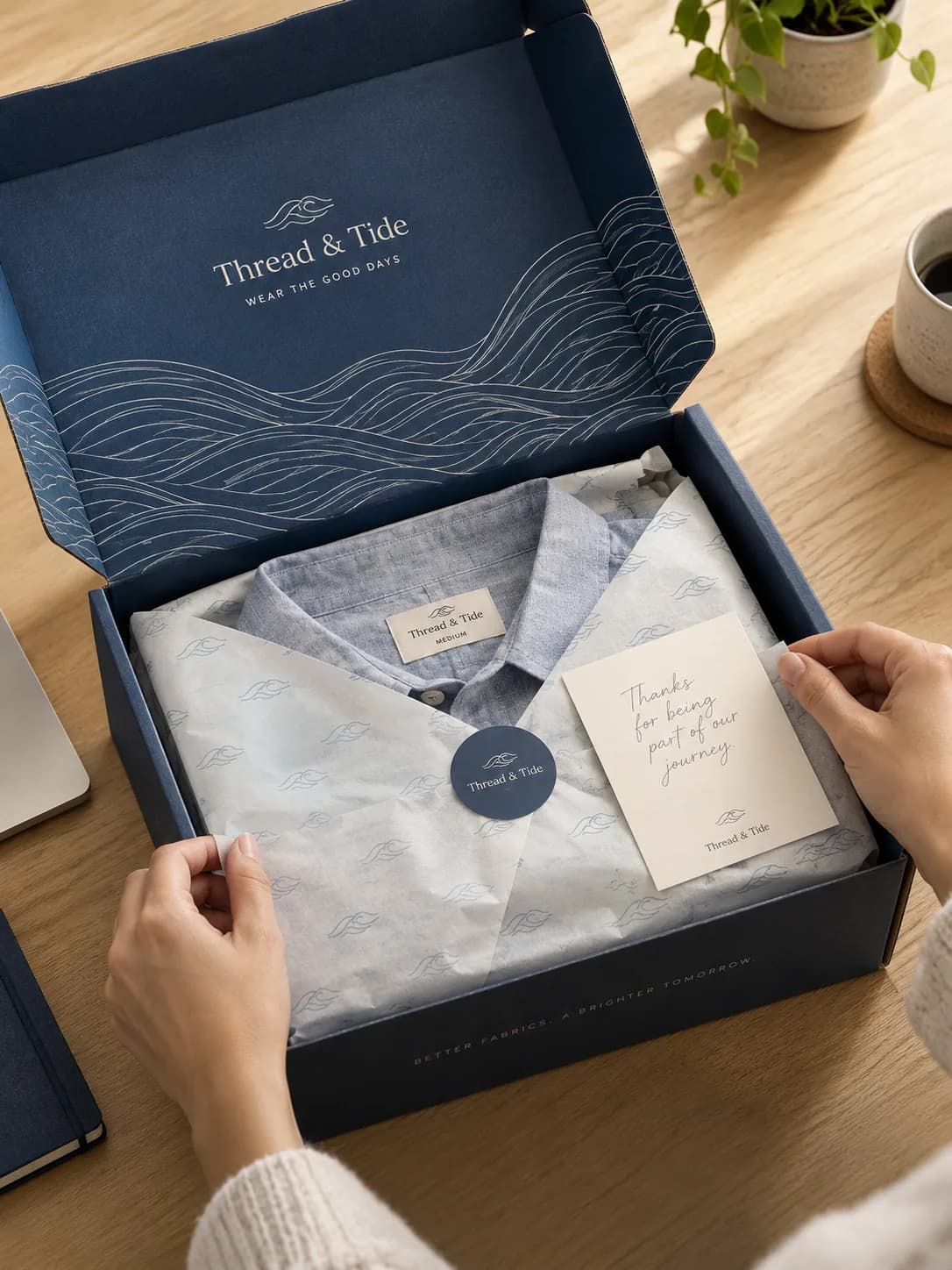
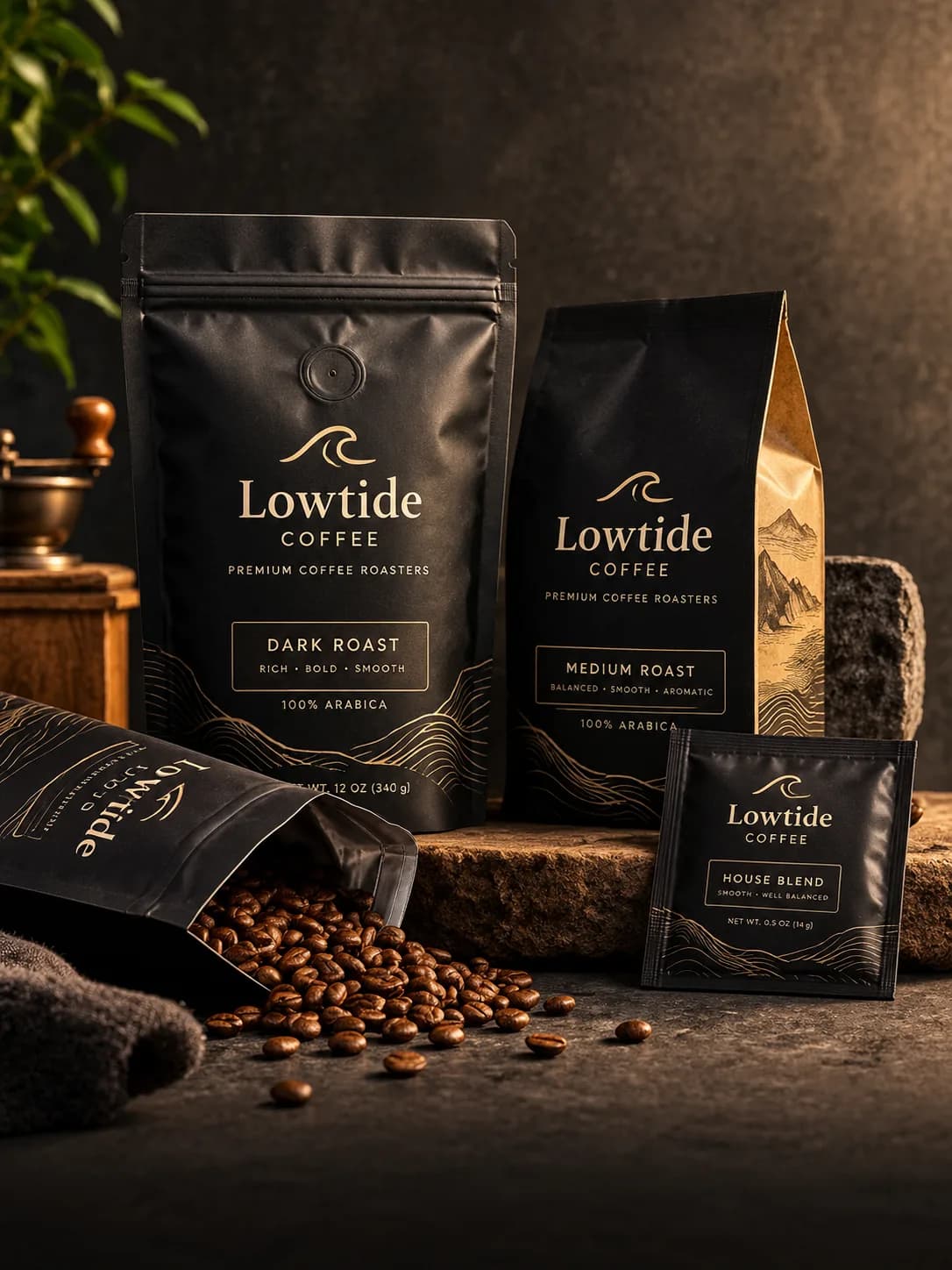

Your packaging deserves
better than “good enough.”
Book a free 15-minute call and we'll scope your packaging together — or send us a message to get started.