
Service
Beverage Packaging Design
Packaging that pours brand recognition.
The beverage aisle is the most visually competitive retail environment on earth. We design beverage packaging — from craft beer can wraps to premium spirits labels — that wins the split-second decision at the cooler door.
Quick Answer
Beverage packaging design covers label artwork, can printing, and bottle design for drinks brands — including compliance panels, nutrition facts, and print-ready files matched to your specific substrate and printing process.
What's Included
Everything delivered, as standard
Every Beverage Packaging Design project includes these deliverables — no extras, no upsells, no surprises.
Packaging expertise across
7 product categories
Craft Beer & Brewing
Spirits & Whisky
Wine
Water & Soft Drinks
Energy Drinks
RTD Cocktails
Juice & Smoothies
Beverage Packaging Design
Packaging that pours brand recognition.
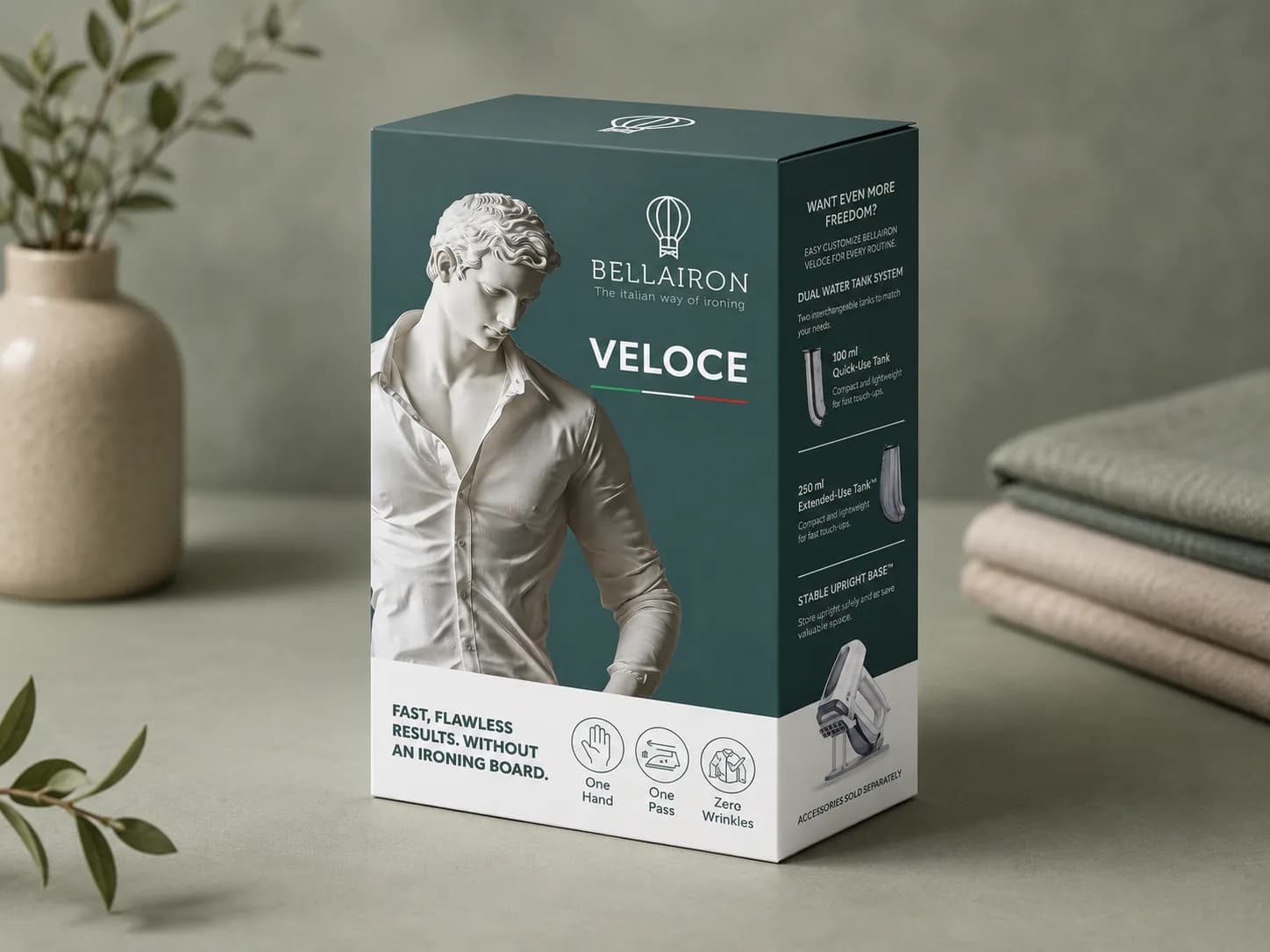
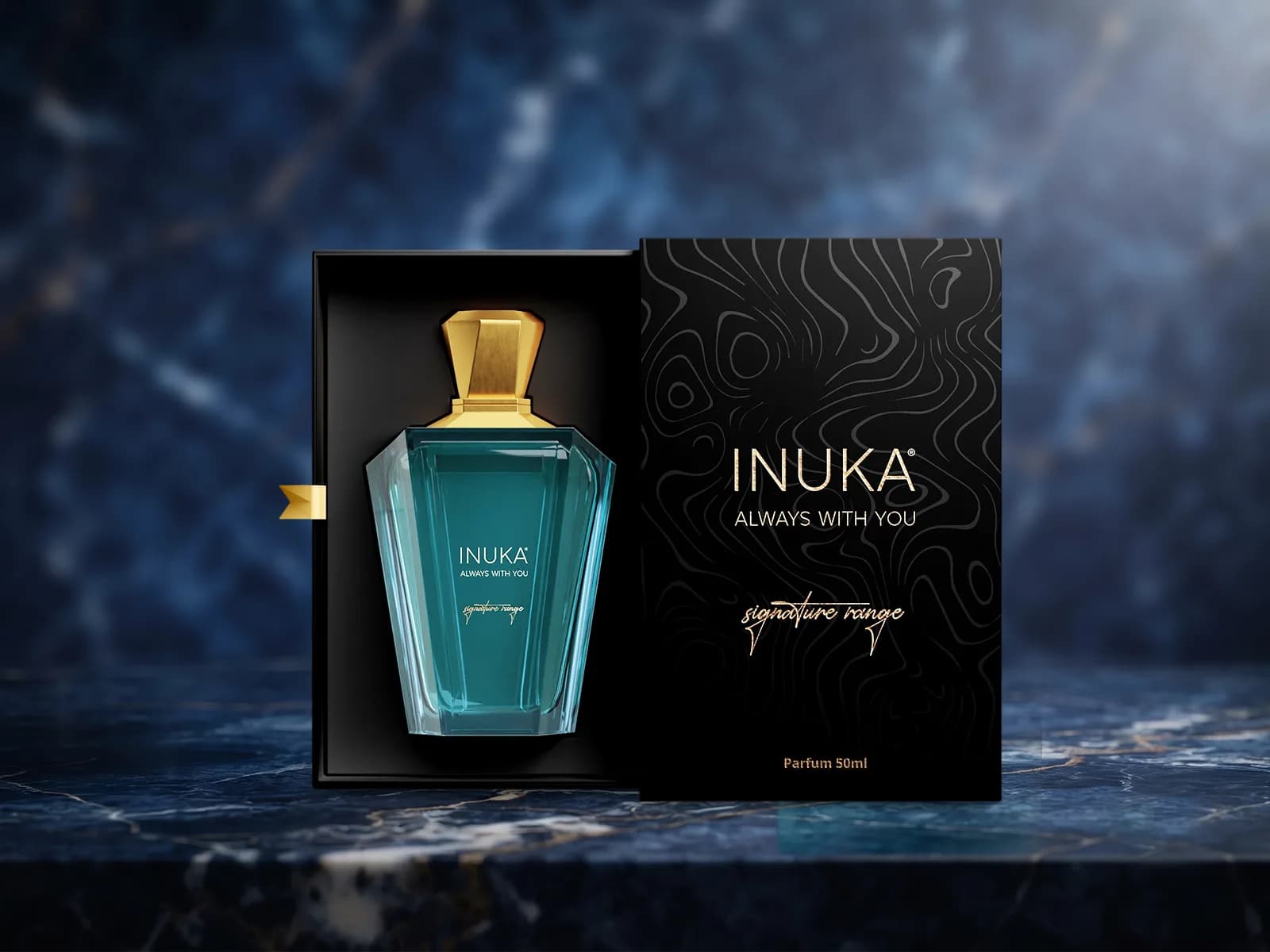
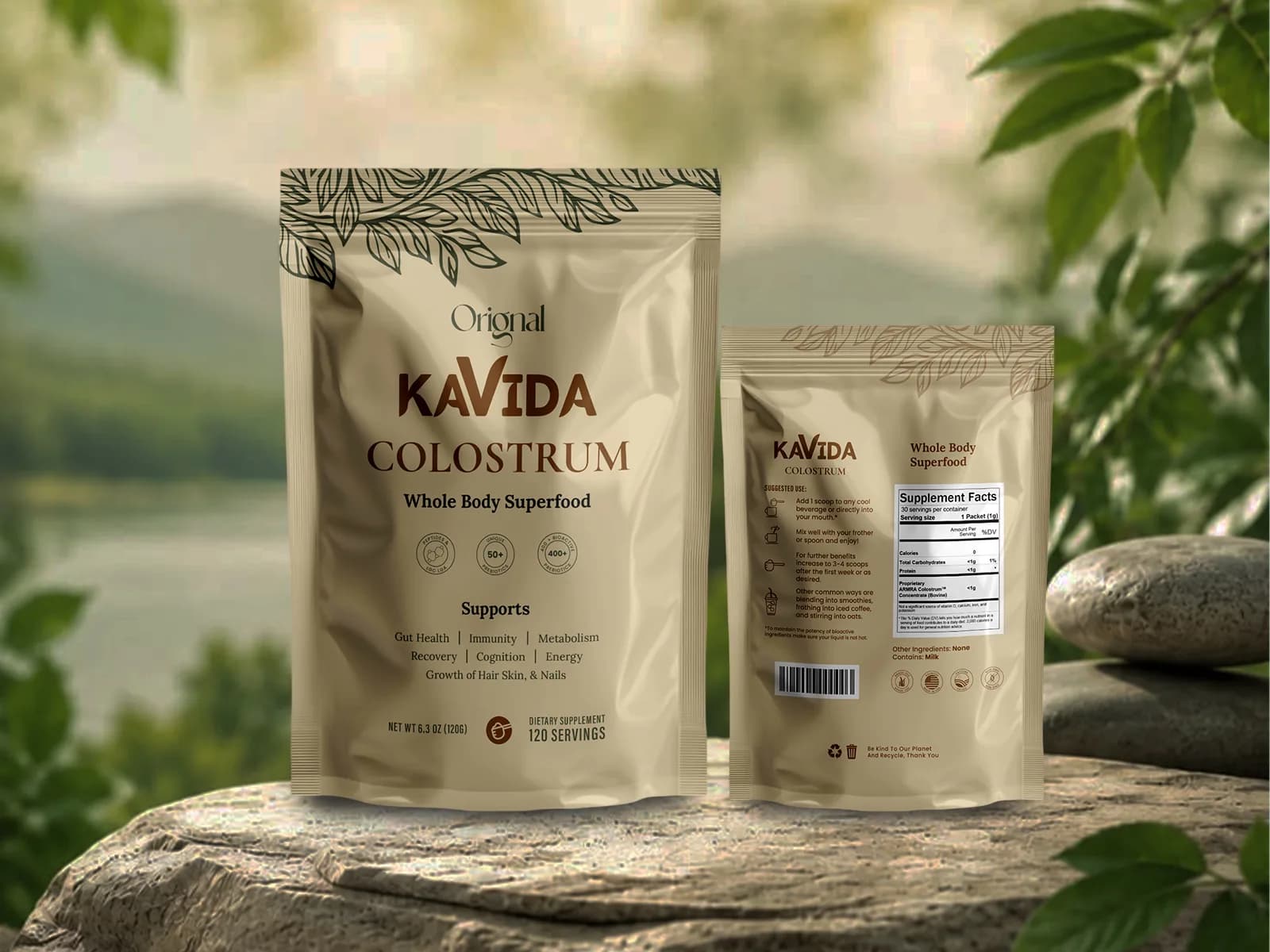
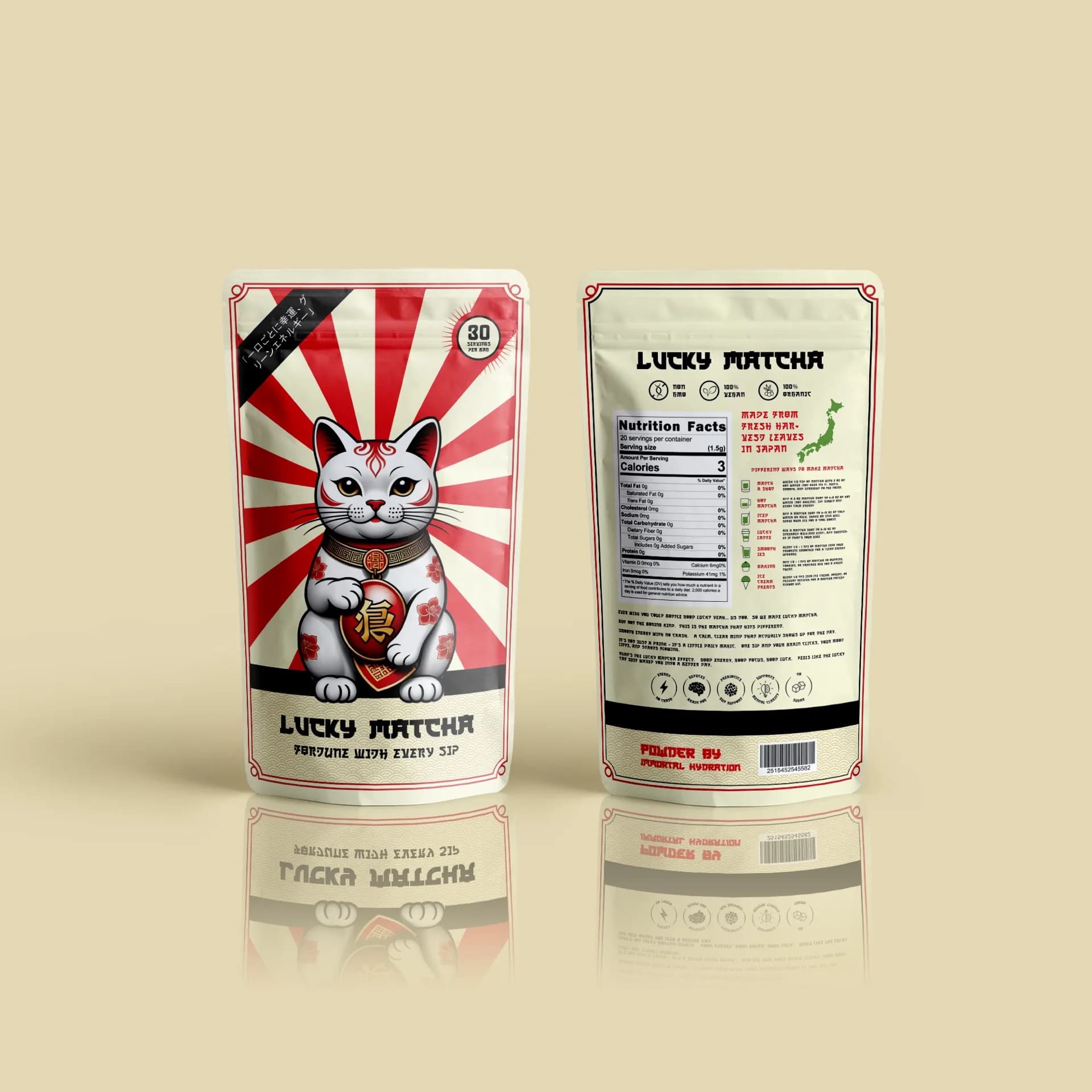
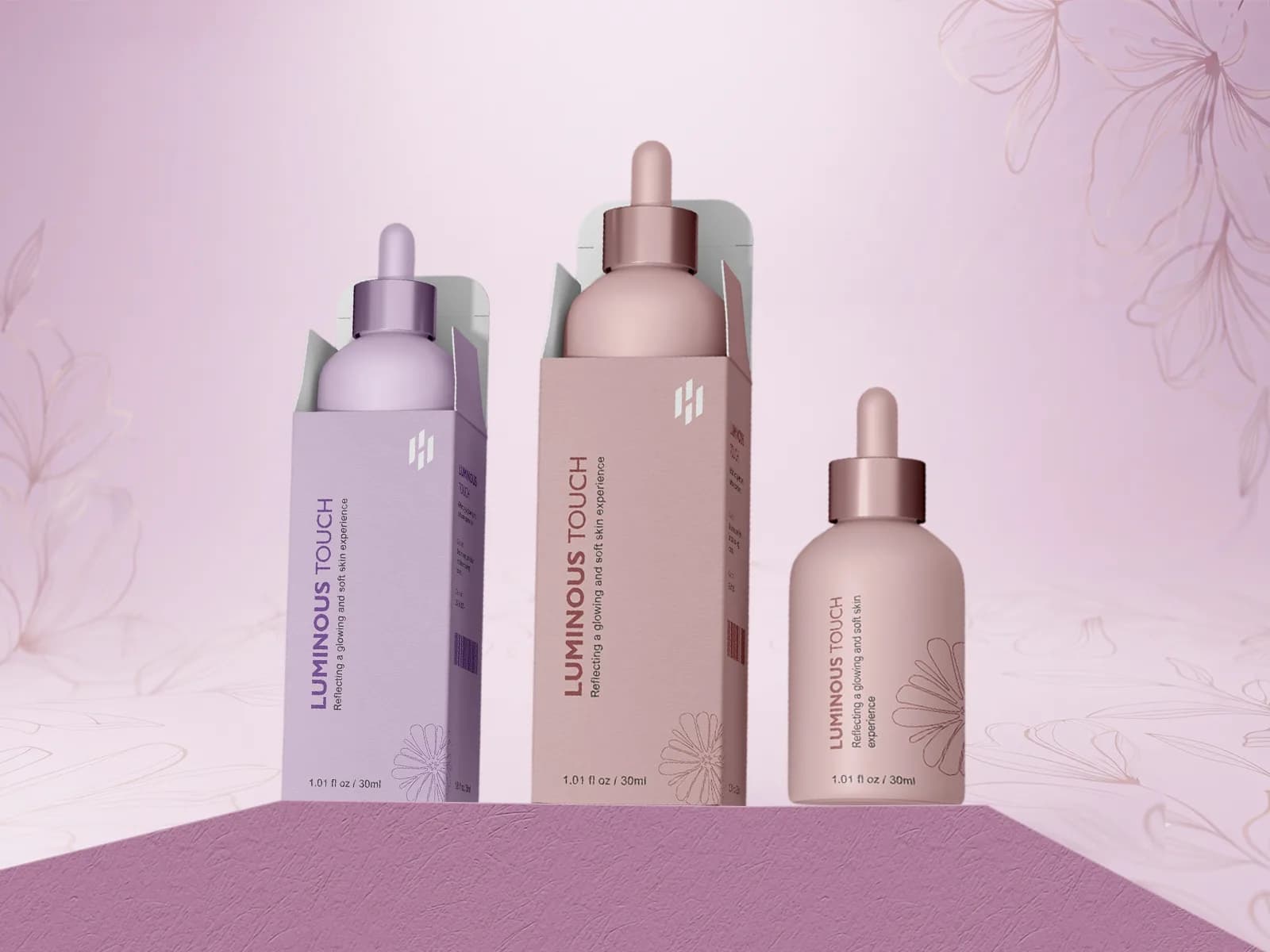
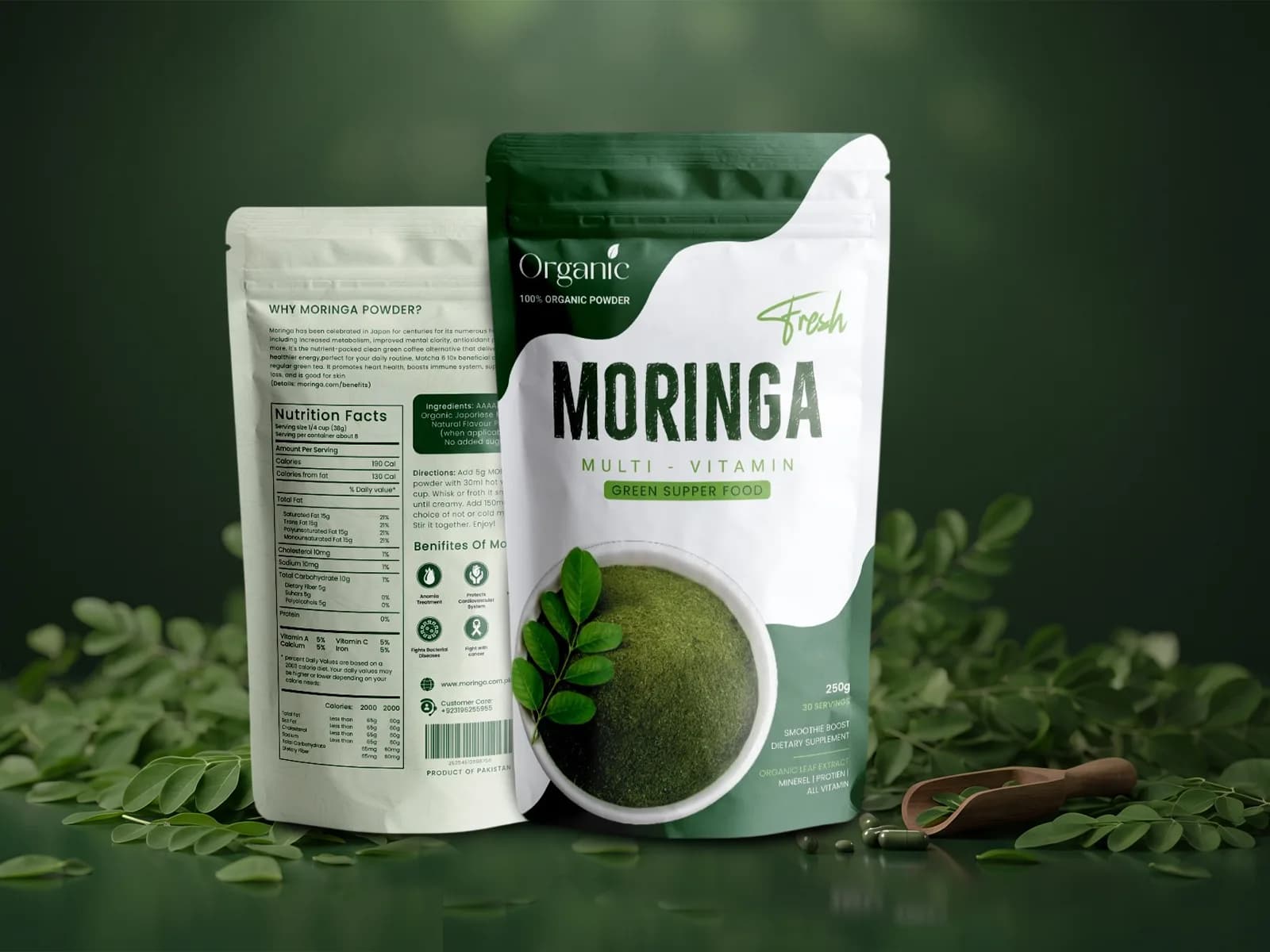
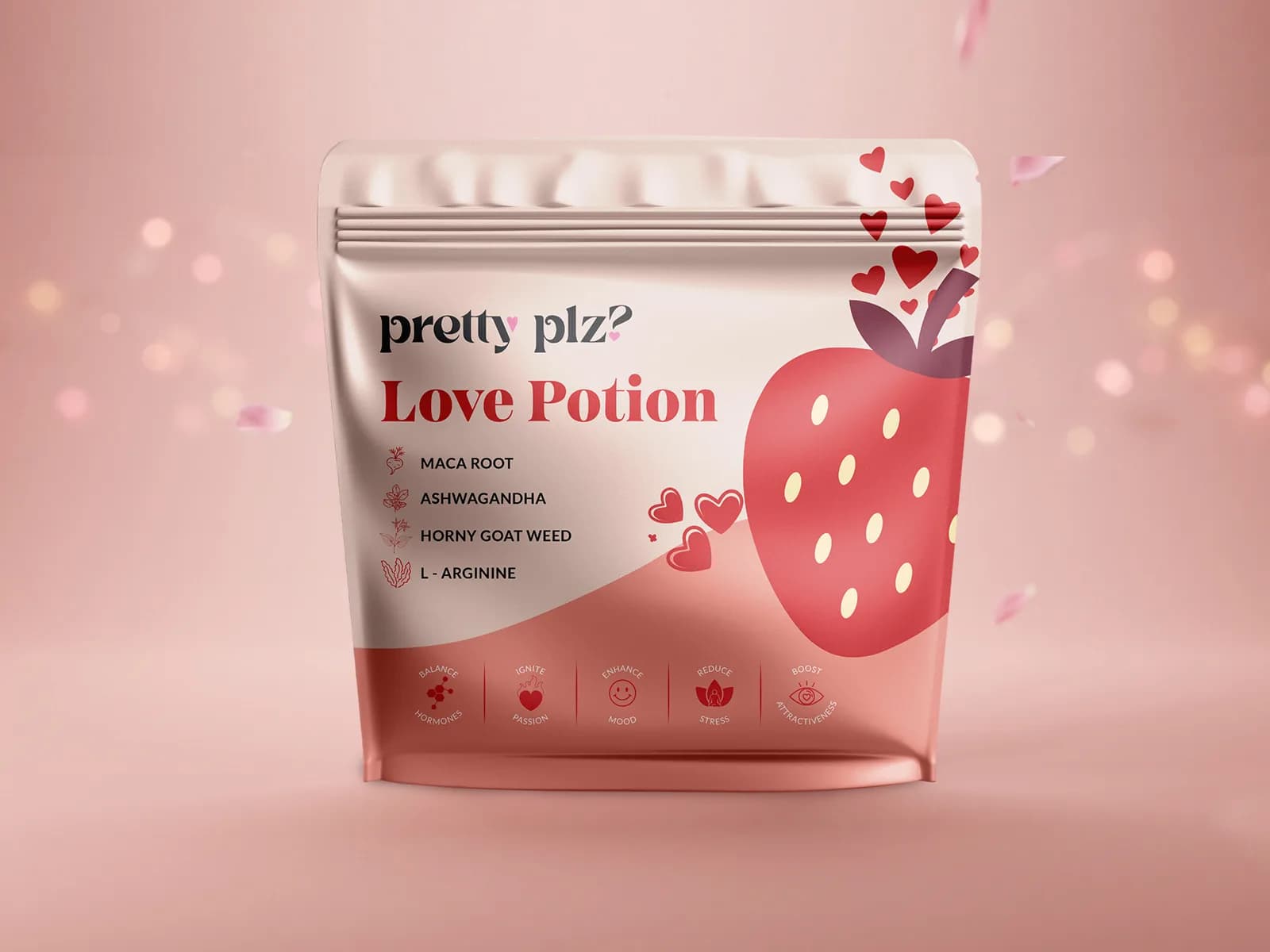
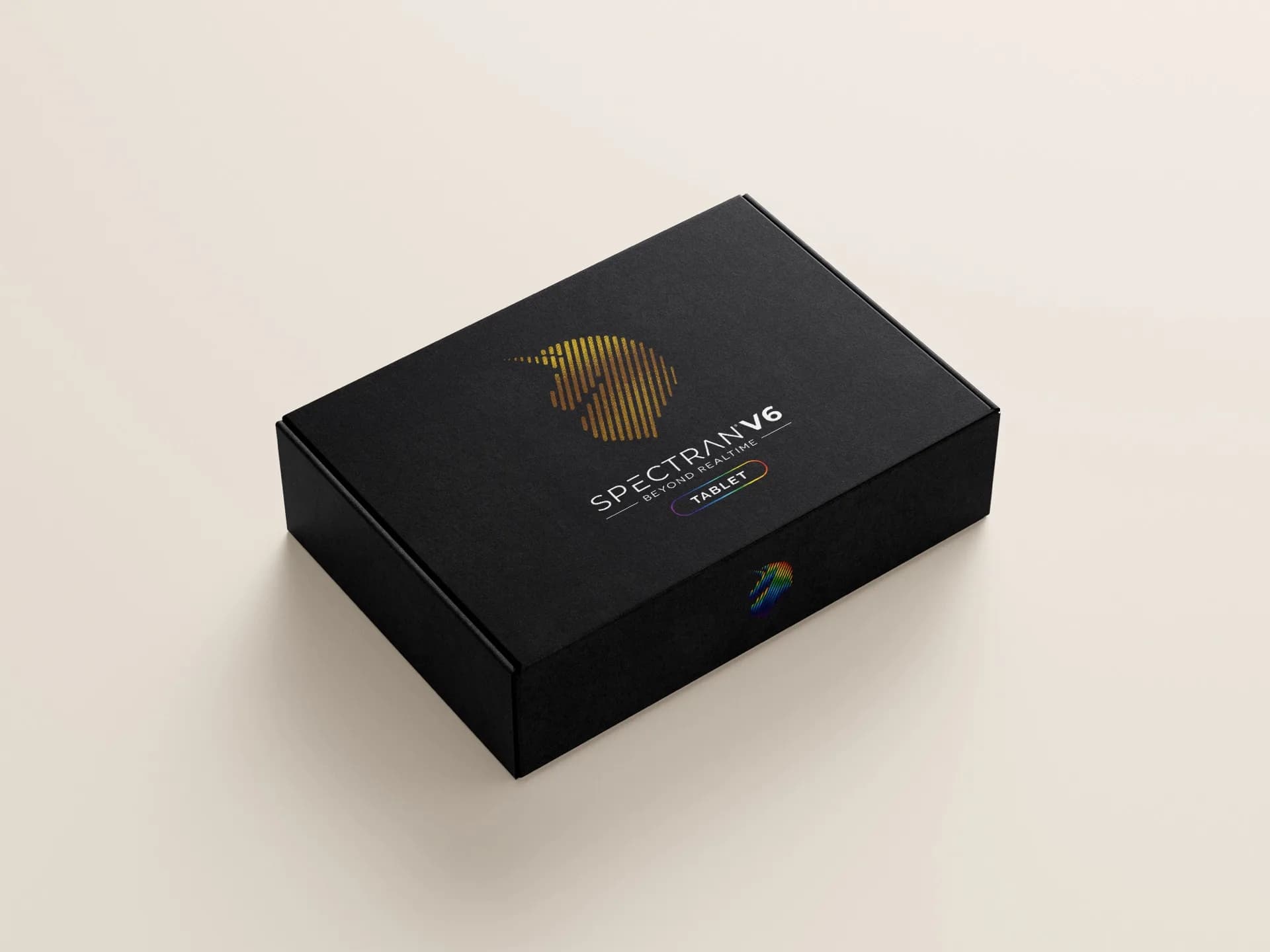
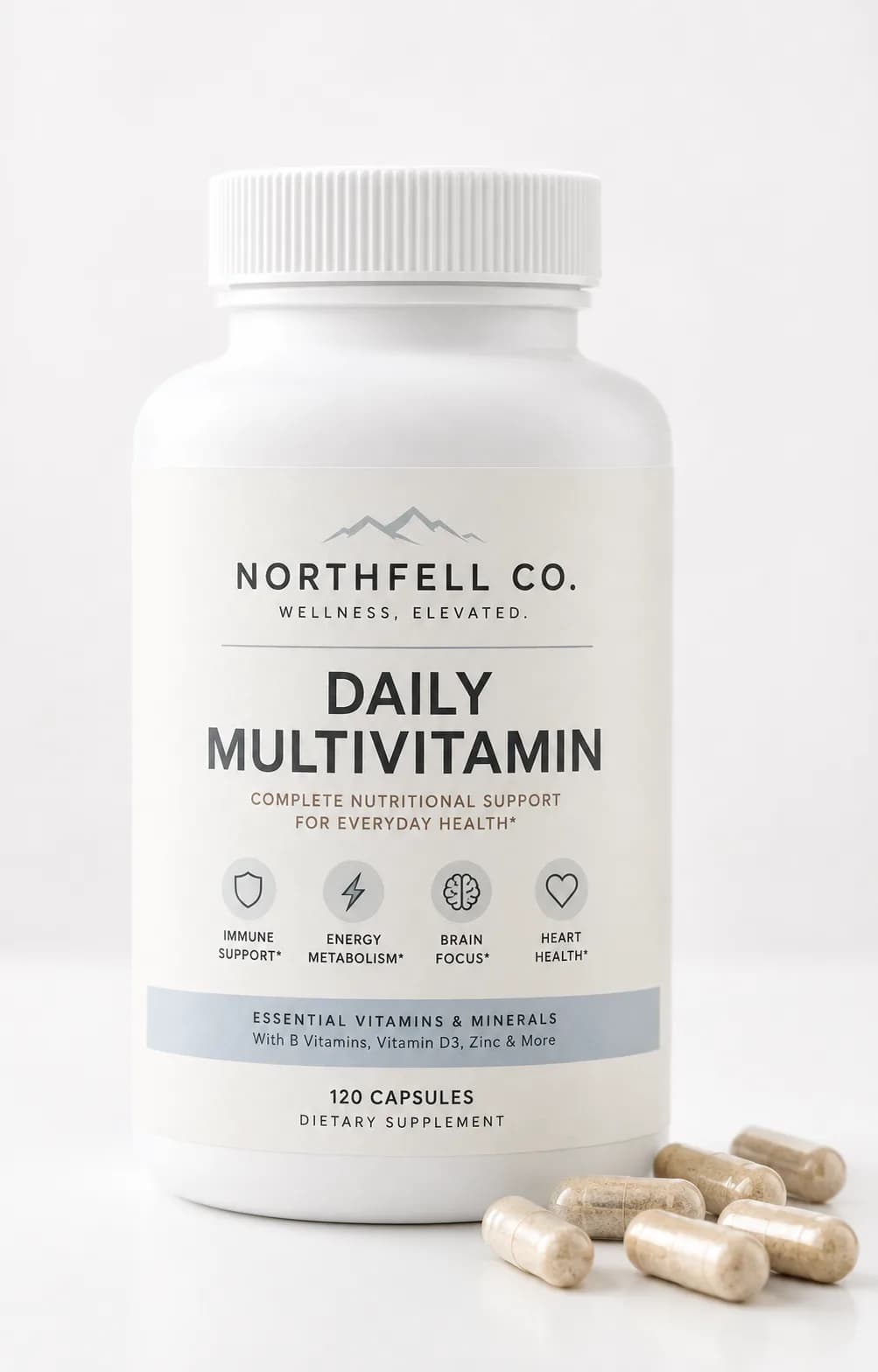
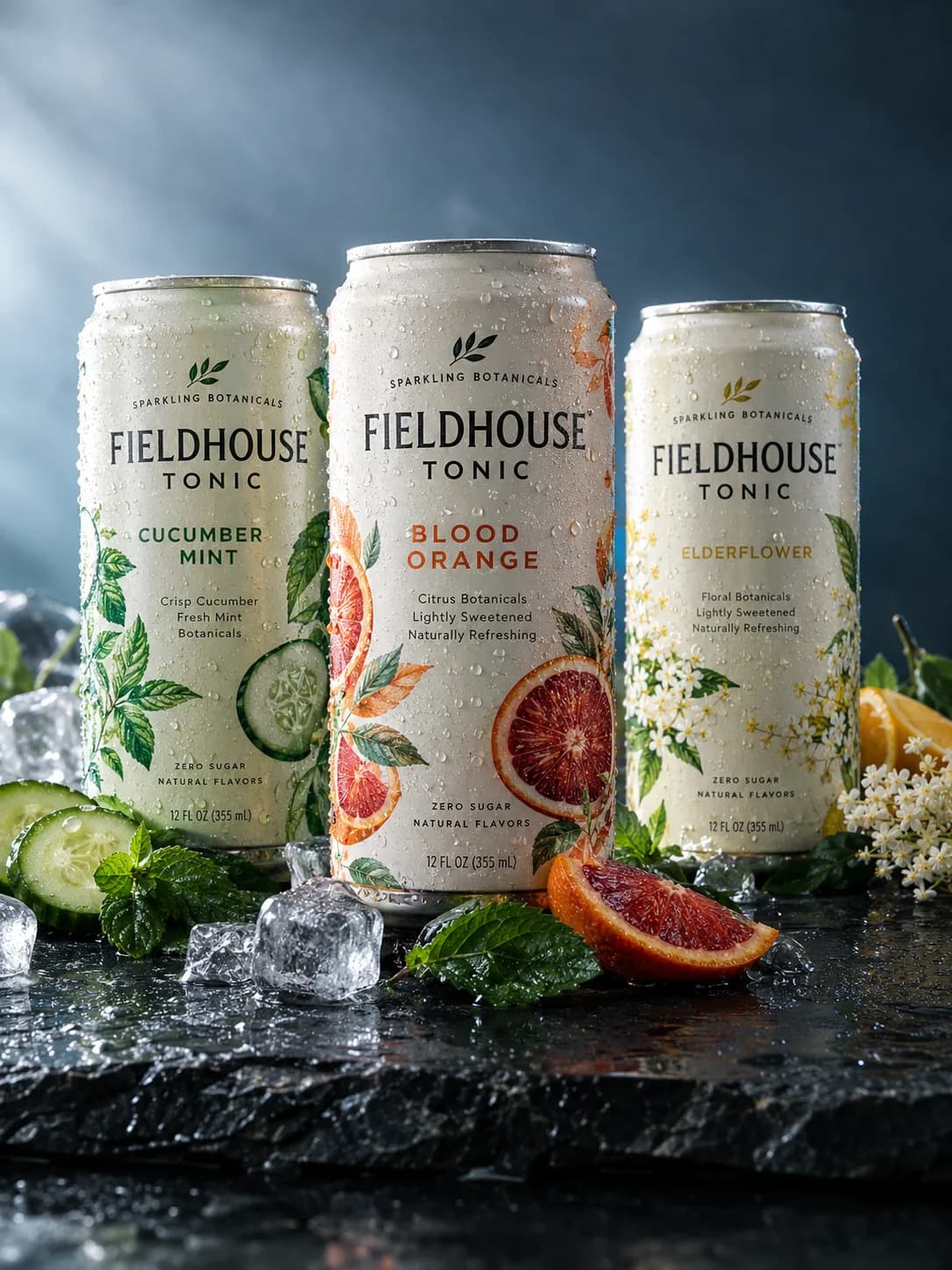
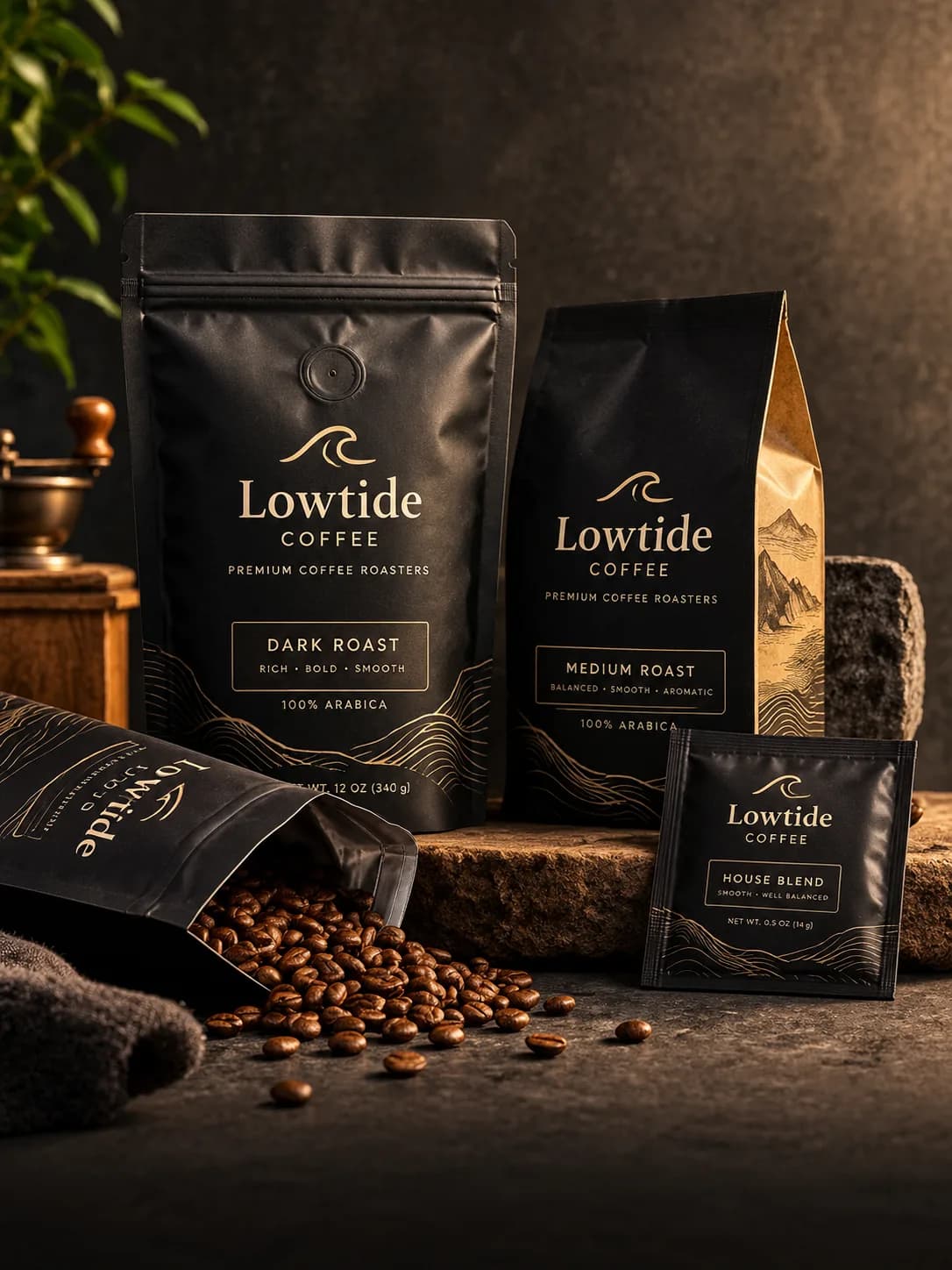
We're always-on to deliver the
packaging you want, when you need it
Print-ready label and wrap files
Front, back, and neck label artwork
Dieline for all label formats
360° can/bottle mockups
CMYK and Pantone color files
Beverage Packaging Design: The Complete Guide
A complete reference for brand managers, designers, and marketers making packaging decisions.
Beverage packaging: the most design-competitive retail category
The most competitive shelf in retail
The challengeThe beverage aisle — chilled drinks cabinet, spirits shelf, natural foods cooler, or online retailer — is the single most visually competitive environment in retail. Hundreds of products compete for attention within a few metres. The packaging must win that attention before any other communication occurs.
Our approachWe design beverage packaging to perform at shelf distance first — dominant colour story, distinctive form, readable brand mark at arm's length — then layer in the detail that converts attention into selection at close range.
Two complexities other categories don't face
The challengeBeverage packaging wraps a cylindrical surface with no single front face, and alcohol labels require pre-approval from a licensing body — TTB in the US, HMRC in the UK — before any product can be sold. Both require specialist expertise most designers don't have.
Our approachWe design 360-degree wraps that read coherently on a rotating cylindrical surface, and manage TTB and HMRC label approval submissions as part of every alcohol packaging project — not as an afterthought.
The Process
Beverage format and label type by category
Can wraps (craft beer, energy drinks, RTD cocktails)
Can wraps are shrink sleeve labels applied by heat to blank aluminium cans, or artwork printed directly on to the can (direct-to-can printing). Shrink sleeves offer maximum design flexibility — the artwork wraps 360 degrees and can include complex gradients, photography, and illustration. Direct-to-can printing is used for very high volume production (millions of units) and has a characteristic slightly matte, etched-on appearance that many craft brands prefer. Artwork for can wraps must be distortion-mapped to account for the way the sleeve shrinks non-uniformly over the curved top and bottom of the can.
Bottle labels (spirits, wine, premium soft drinks)
Bottle label systems typically include a front label, back label, and neck label. The front label carries the brand mark and primary product identification. The back label carries compliance information, tasting notes, and secondary claims. The neck label carries the brand mark in a prominent position visible above the shoulder of the bottle — critical for shelf visibility when bottles are stacked or partially obscured. Each label is a separate artwork file, die-cut to its specific shape.
Carton and Tetra Pak formats
Juice, plant-based milks, and ambient beverages use carton formats (gable-top, brick, or Tetra Pak). These are flat-panel formats with specific panel configurations — the artwork is designed to the carton template, with each panel (front, back, side, and top panels) laid out as separate design areas within the overall dieline. The Tetra Pak process uses a proprietary printing system; artwork must be supplied to Tetra Pak's specific technical specification.
Alcohol compliance by territory
Alcoholic beverages are among the most heavily regulated product categories for labelling. Every major market has specific mandatory elements, and many require pre-approval of label artwork before sale.
- United States (TTB). The Alcohol and Tobacco Tax and Trade Bureau requires a Certificate of Label Approval (COLA) for all wine, spirits, and malt beverages sold in interstate commerce. Mandatory elements: mandatory government health warning, brand name, class/type designation, net contents, name and address of bottler or importer, country of origin. ABV is mandatory for spirits and wine; optional for beer in some states.
- United Kingdom. Mandatory elements under the Food Information Regulations 2014: actual alcoholic strength (ABV), net quantity in millilitres, allergen declaration (particularly sulphites), best before date for certain products, responsible drinking message (voluntary but standard). The UK Drinkaware logo is widely used voluntarily.
- European Union. EU Regulation 1169/2011 exempts alcoholic beverages above 1.2% ABV from the full nutrition declaration requirement — mandatory only: ABV, allergens (particularly sulphites in wine), and net quantity. From 2023, the EU began requiring an ingredient list and nutritional declaration for wine, beer, and spirits (the e-label QR code approach is permitted).
- Australia and New Zealand. Australia New Zealand Food Standards Code (FSANZ) requires: ABV expressed as "x% alc/vol," standard drinks statement (number of standard 10g alcohol drinks per container), pregnancy warning advisory, responsible service of alcohol statement, manufacturer name and address, net contents.
What makes beverage packaging work commercially
The beverage category has some of the most extensively researched shelf behaviour data of any product category. Several findings are consistent enough to be treated as design rules rather than guidelines.
The strongest visual differentiator in most beverage categories is not a more elaborate design — it's a simpler one. Mass-market beverages compete on visual complexity, brand assets, and claims density. Premium and craft brands consistently outperform by communicating one thing clearly: brand identity, category membership, or product character. The most legible, most confident design at 3 metres usually wins.
Got Any Questions?


Your packaging deserves
better than “good enough.”
Book a free 15-minute call and we'll scope your packaging together — or send us a message to get started.