
Service
Ecommerce Packaging Design
Turn every delivery into a brand moment.
Ecommerce packaging is your only in-person brand touchpoint with the customer. We design DTC and online packaging that creates genuine unboxing moments — the kind customers share, remember, and return for.
Quick Answer
E-commerce packaging design creates DTC-optimised unboxing experiences and shipping-safe structural packaging — balancing brand impact on delivery, fulfilment cost, and the current requirements of your couriers and marketplaces.
What's Included
Everything delivered, as standard
Every Ecommerce Packaging Design project includes these deliverables — no extras, no upsells, no surprises.
Packaging expertise across
7 product categories
DTC Brands
Subscription Boxes
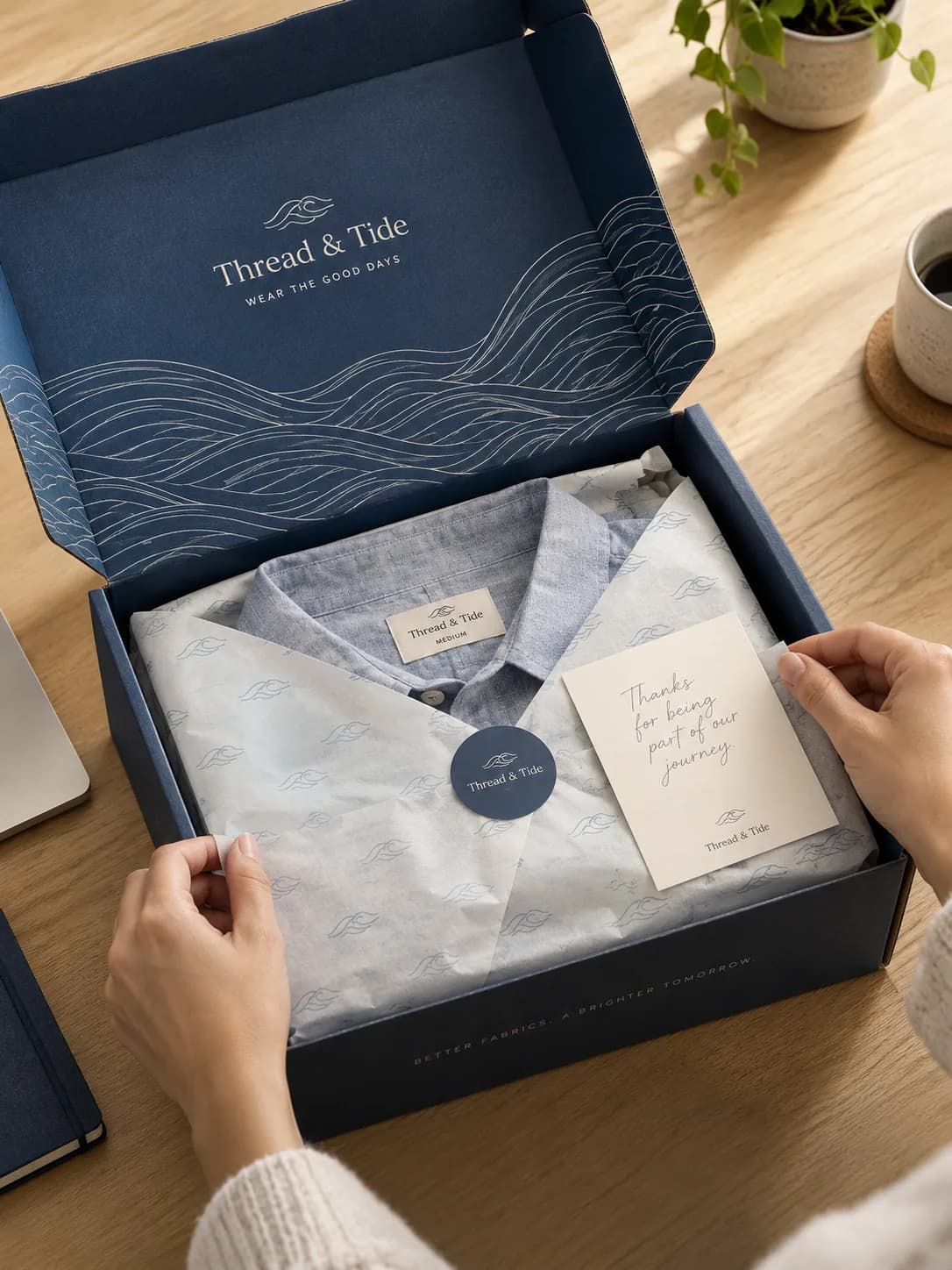
Fashion & Apparel
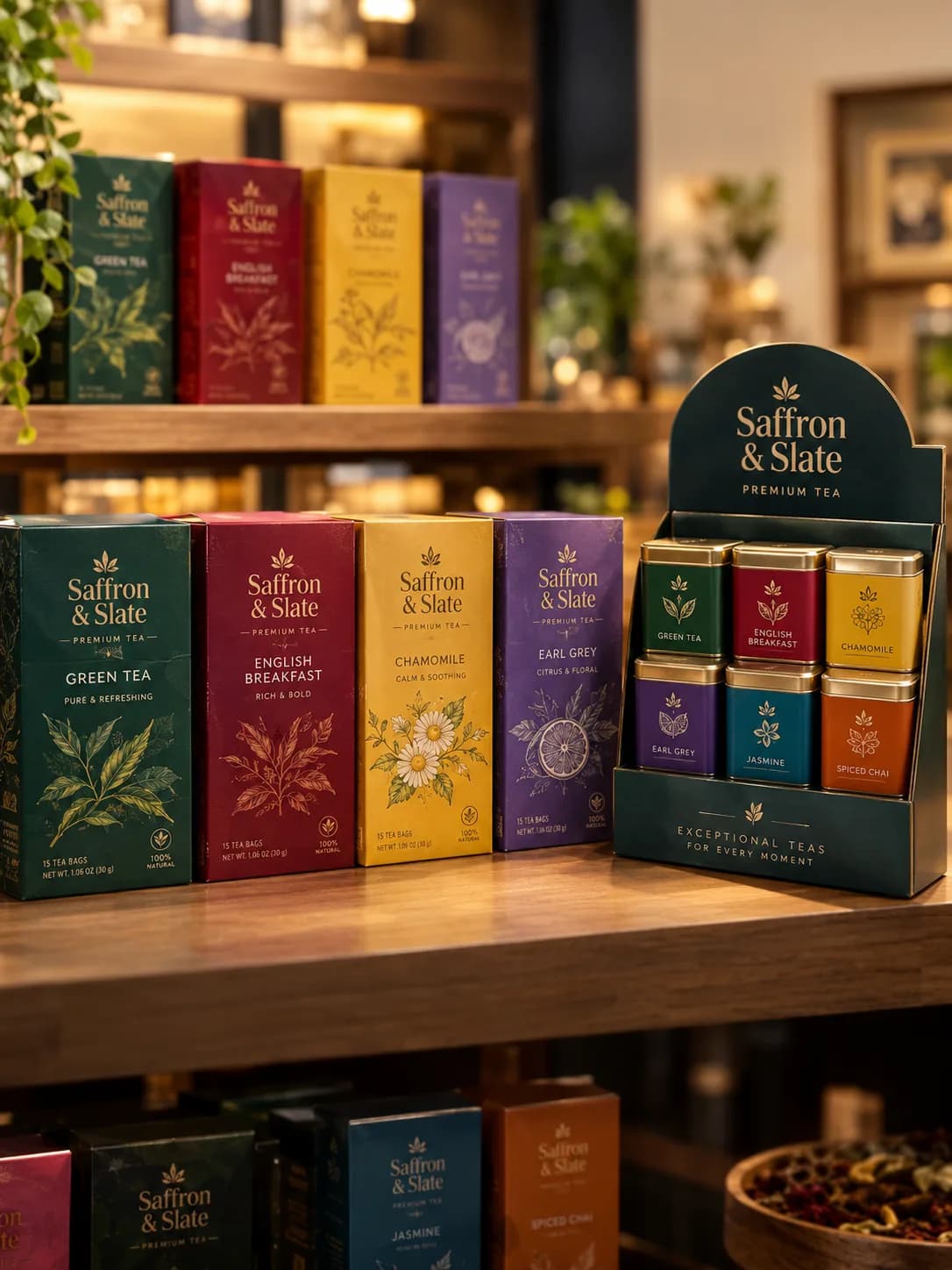
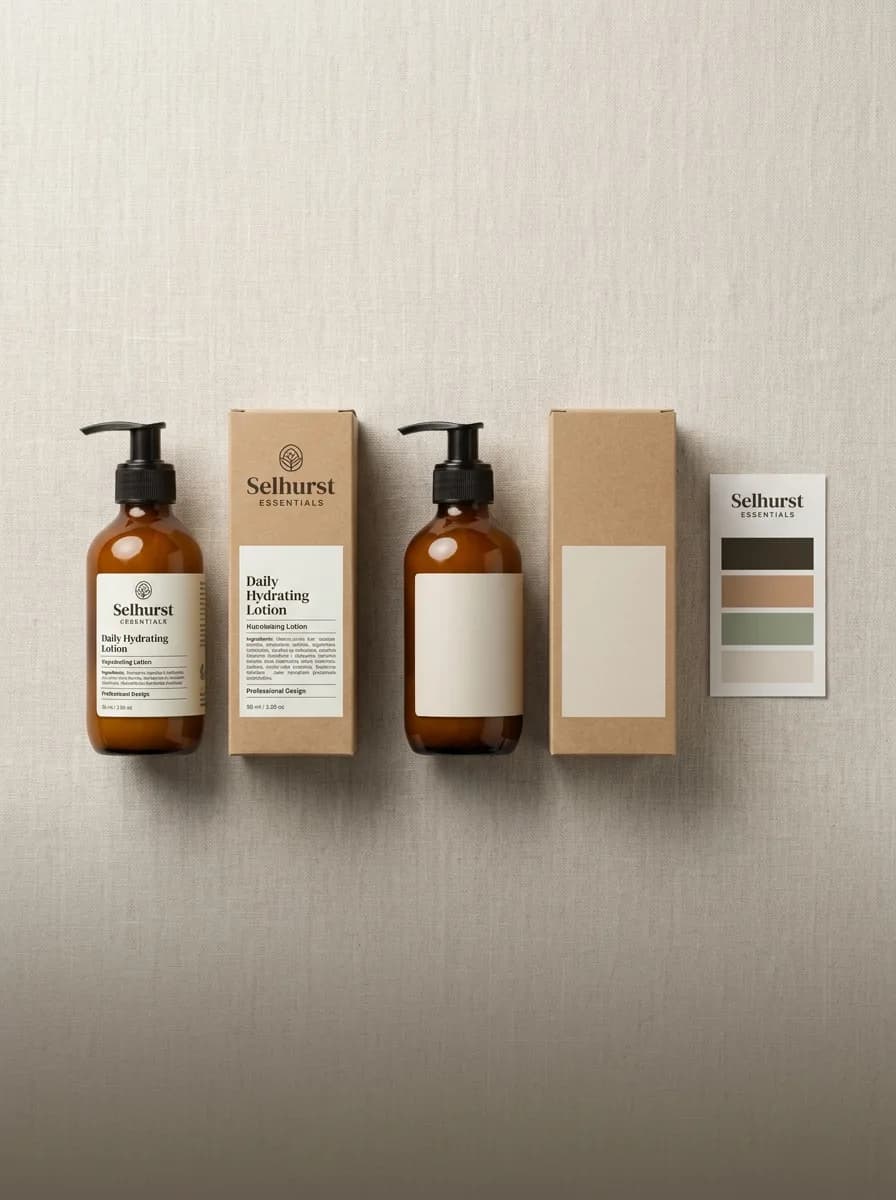
Cosmetics & Beauty
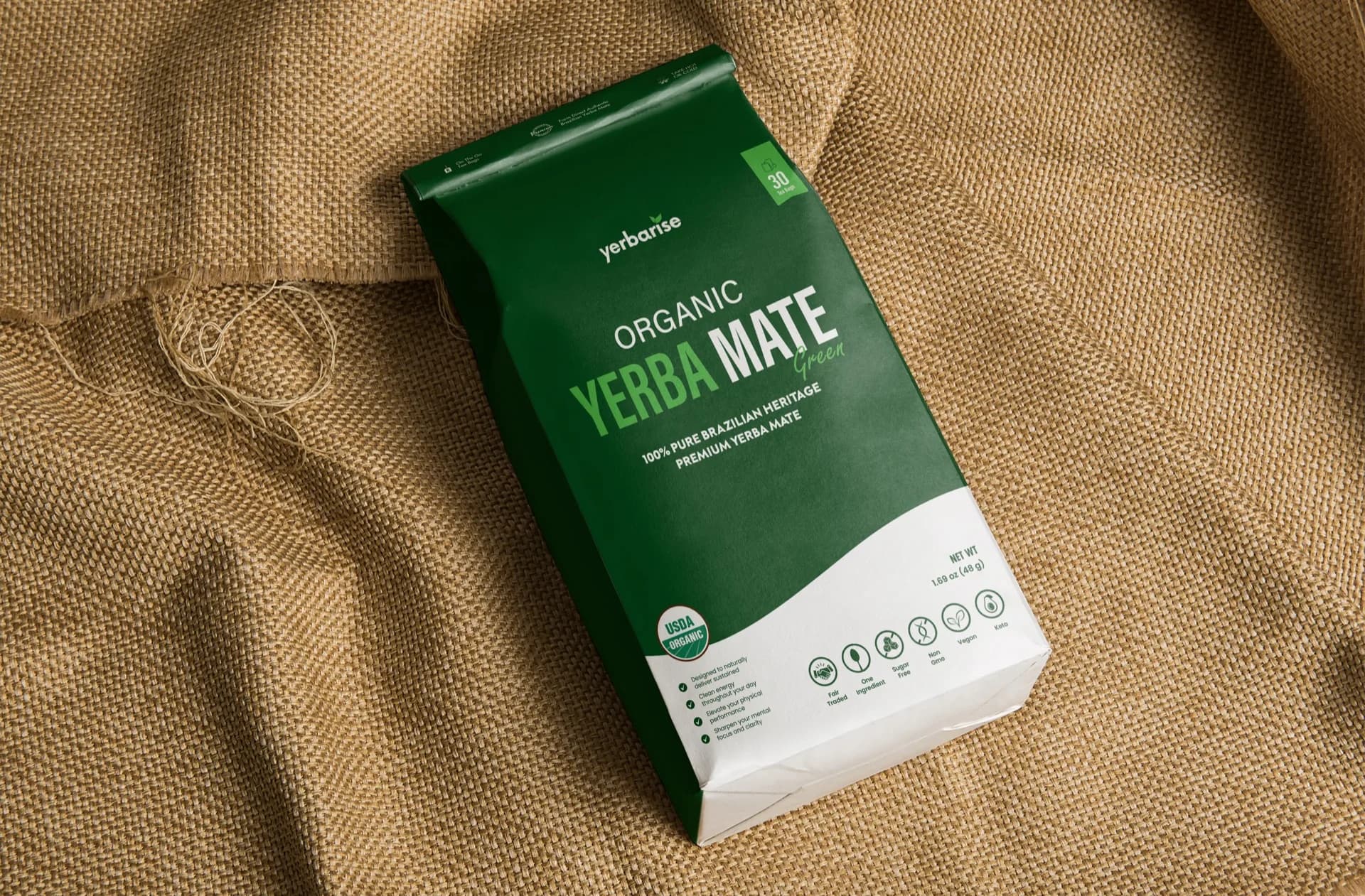
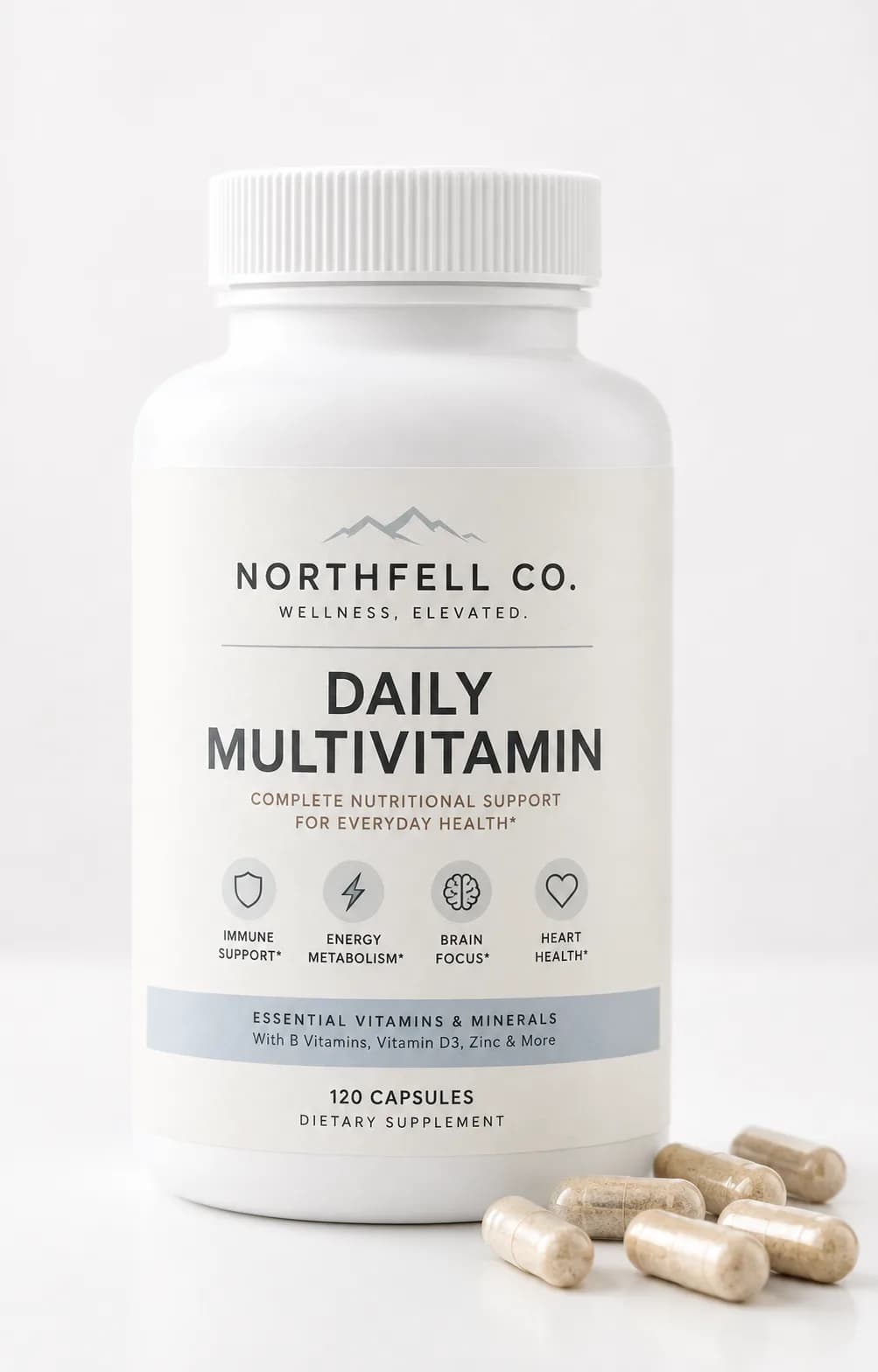
Supplements
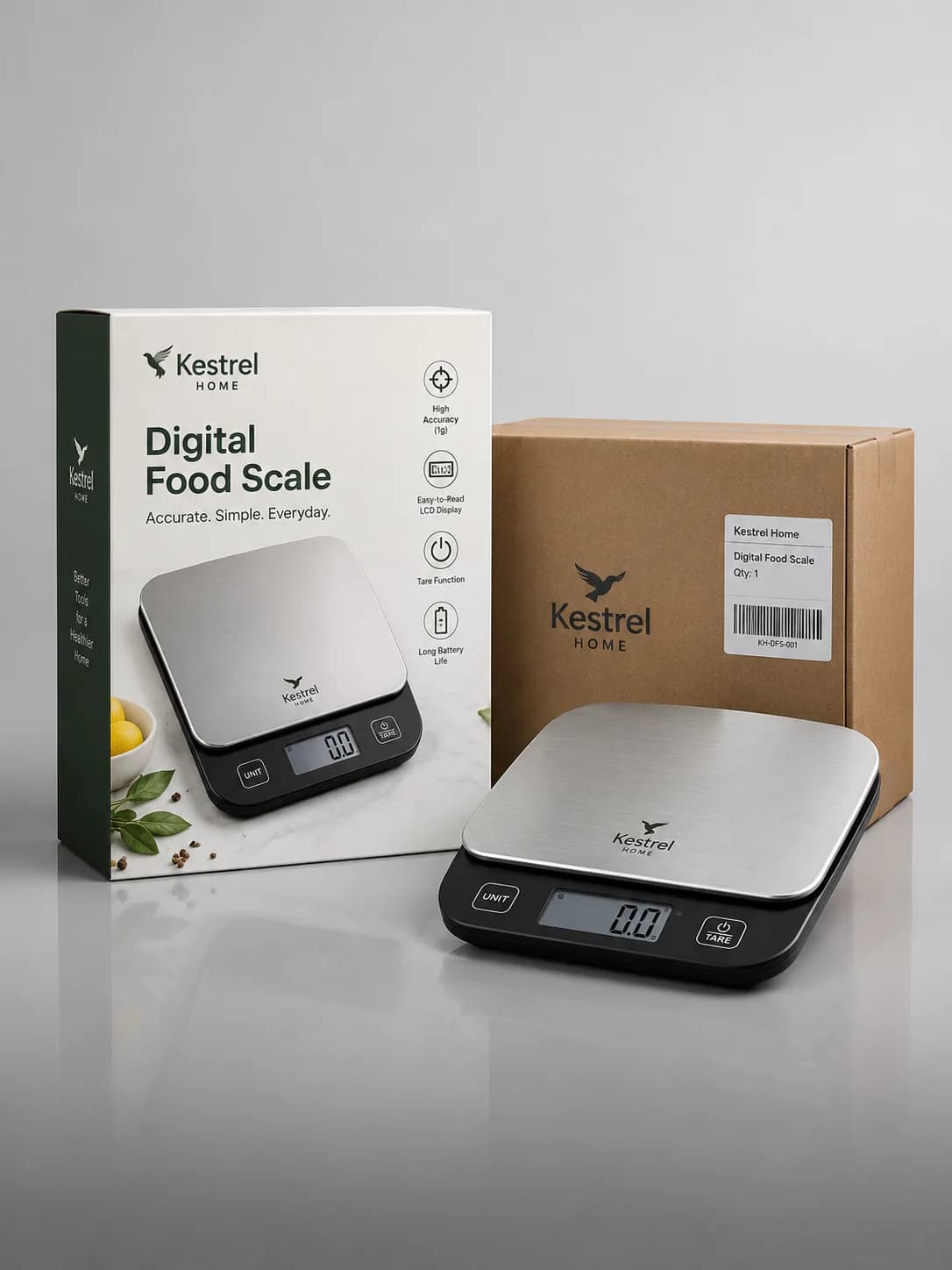
Electronics Accessories
Food & Specialty
Ecommerce Packaging Design
Turn every delivery into a brand moment.
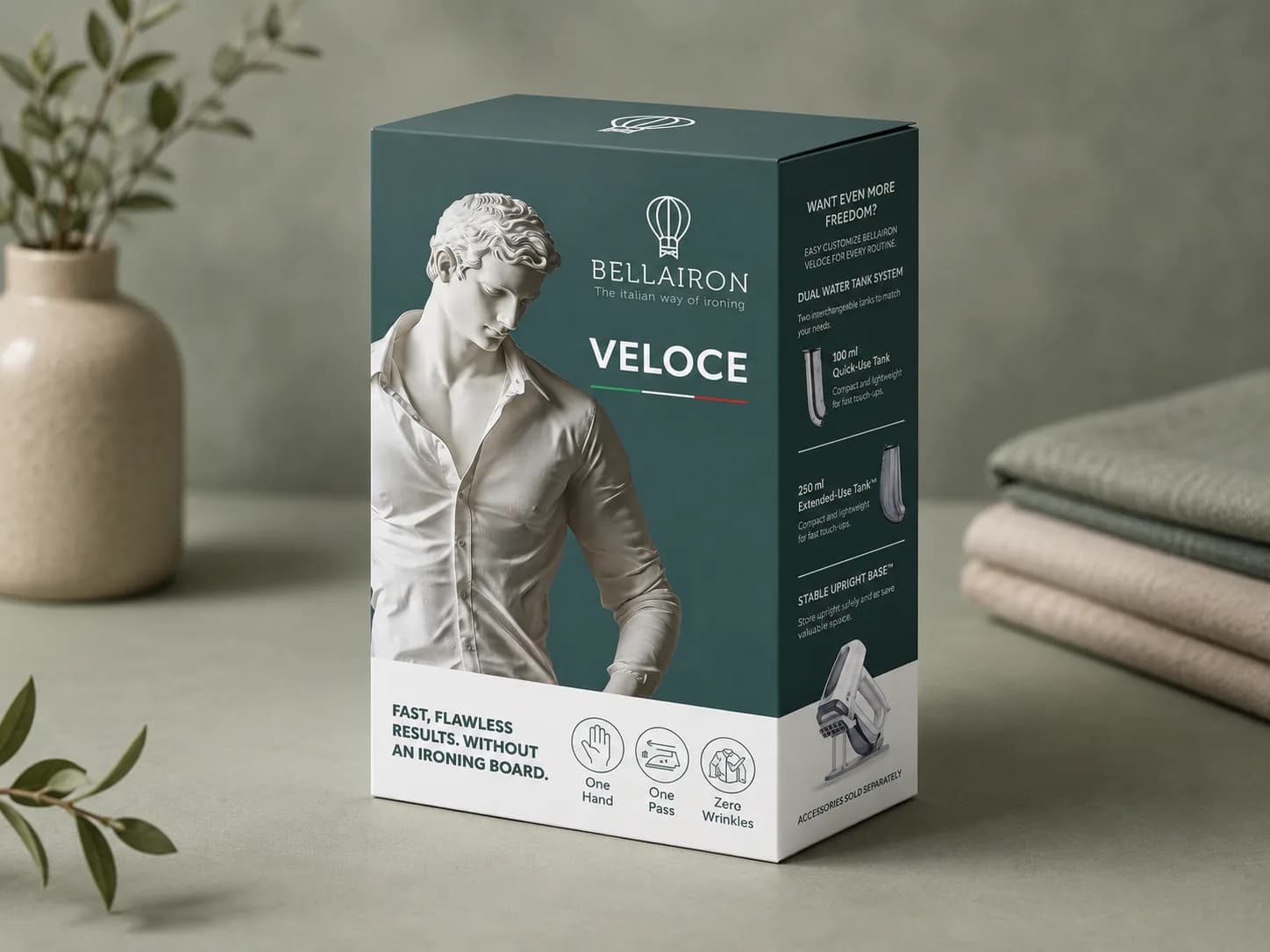

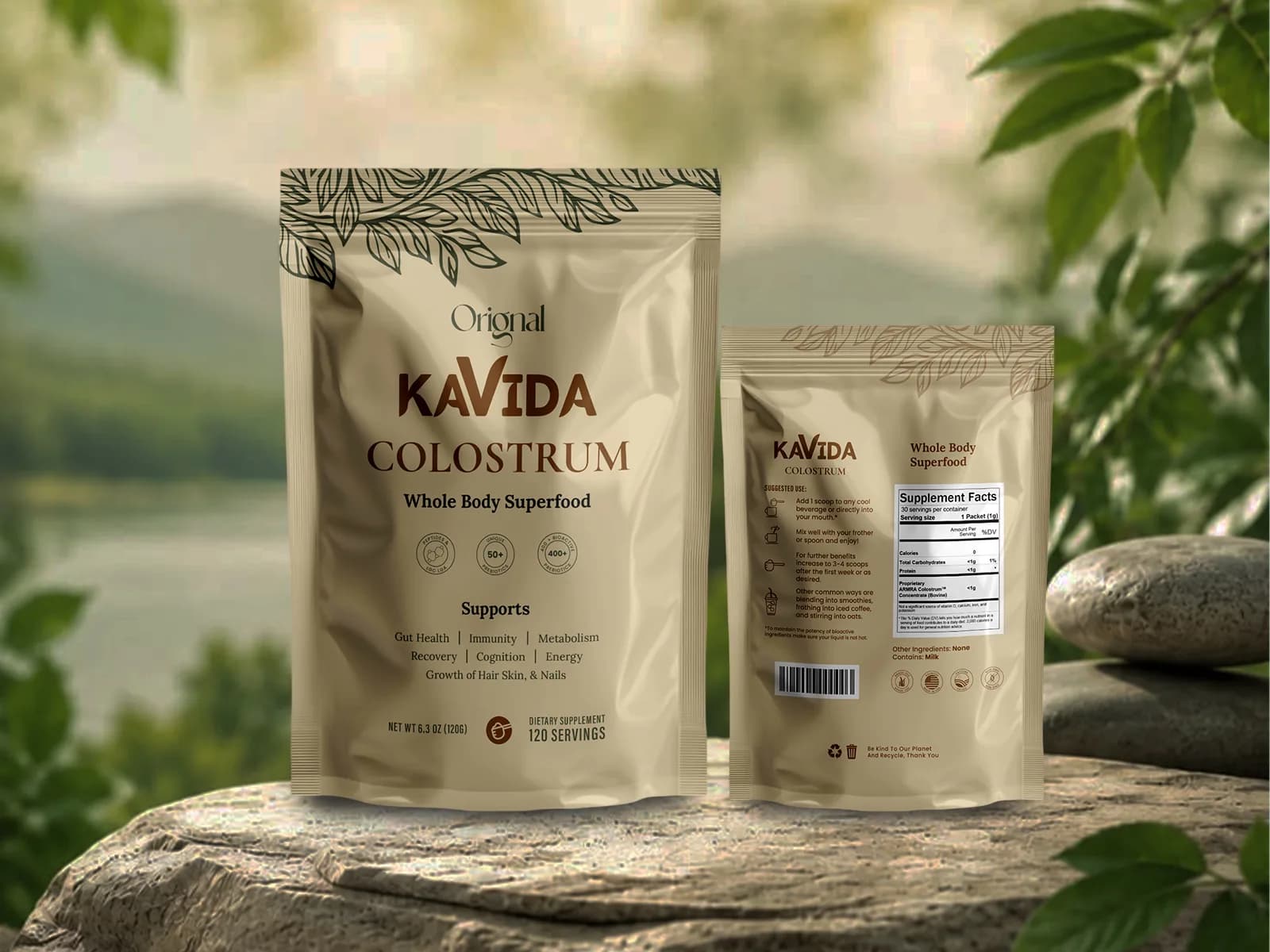
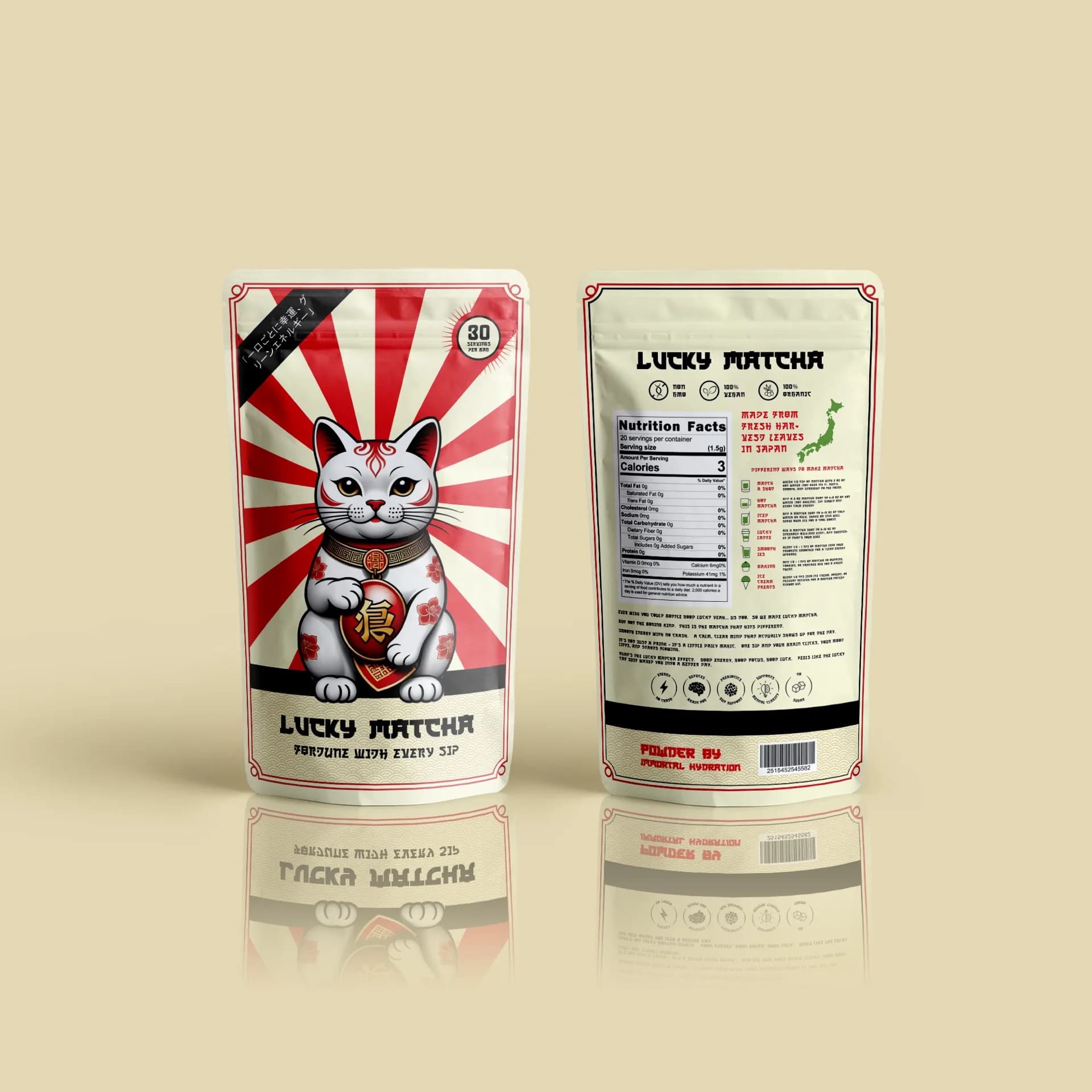

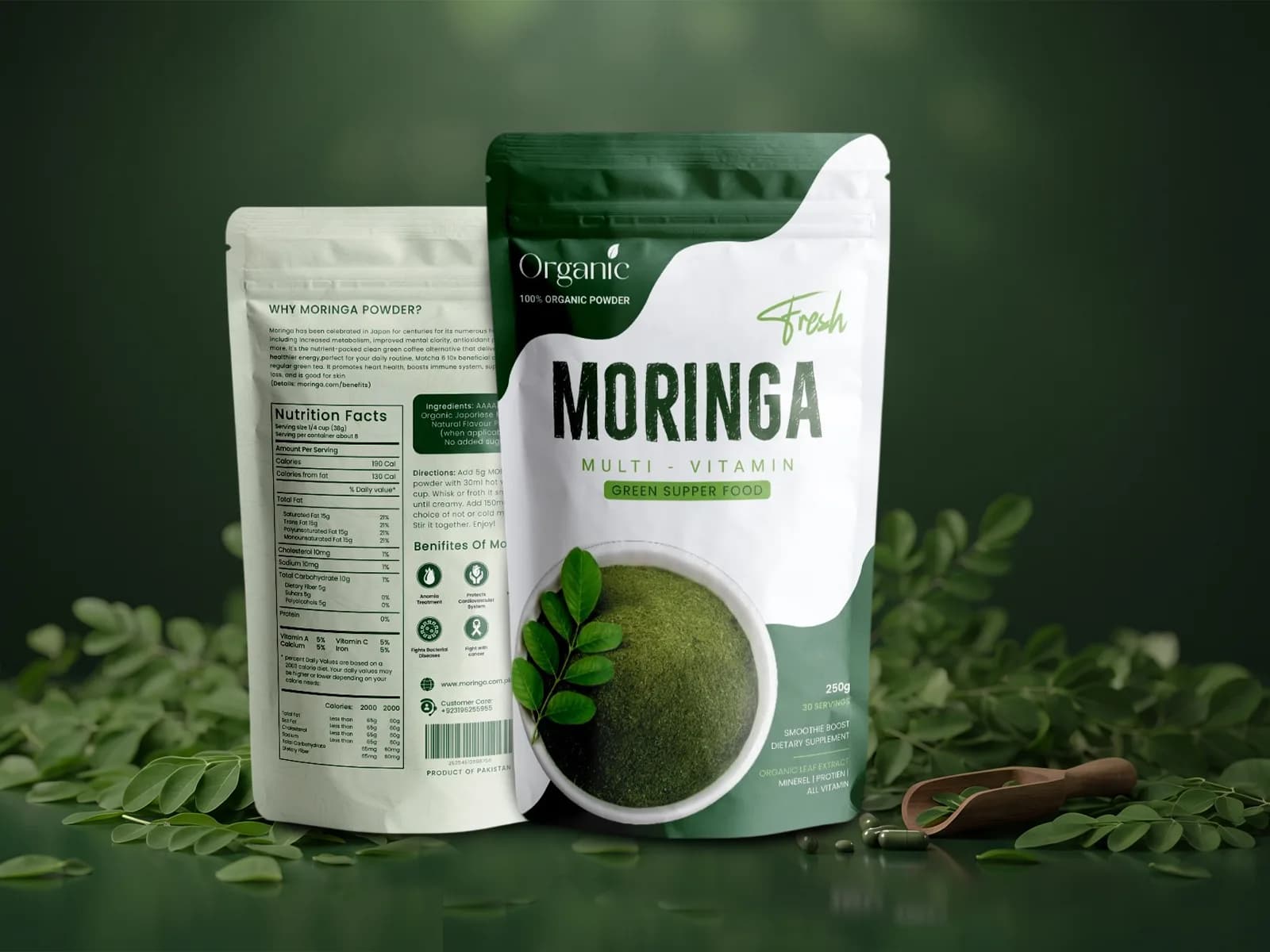

We're always-on to deliver the
packaging you want, when you need it
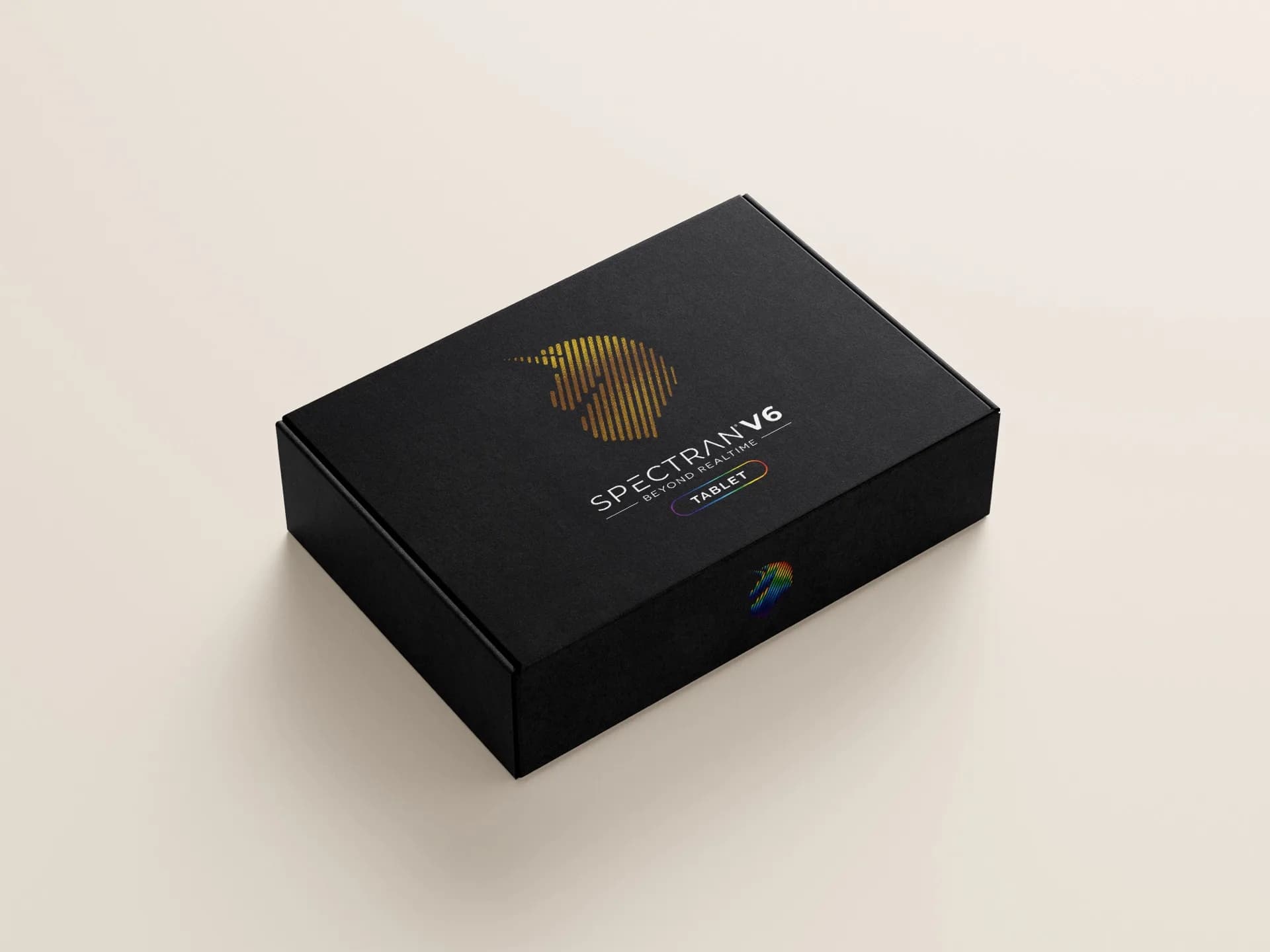
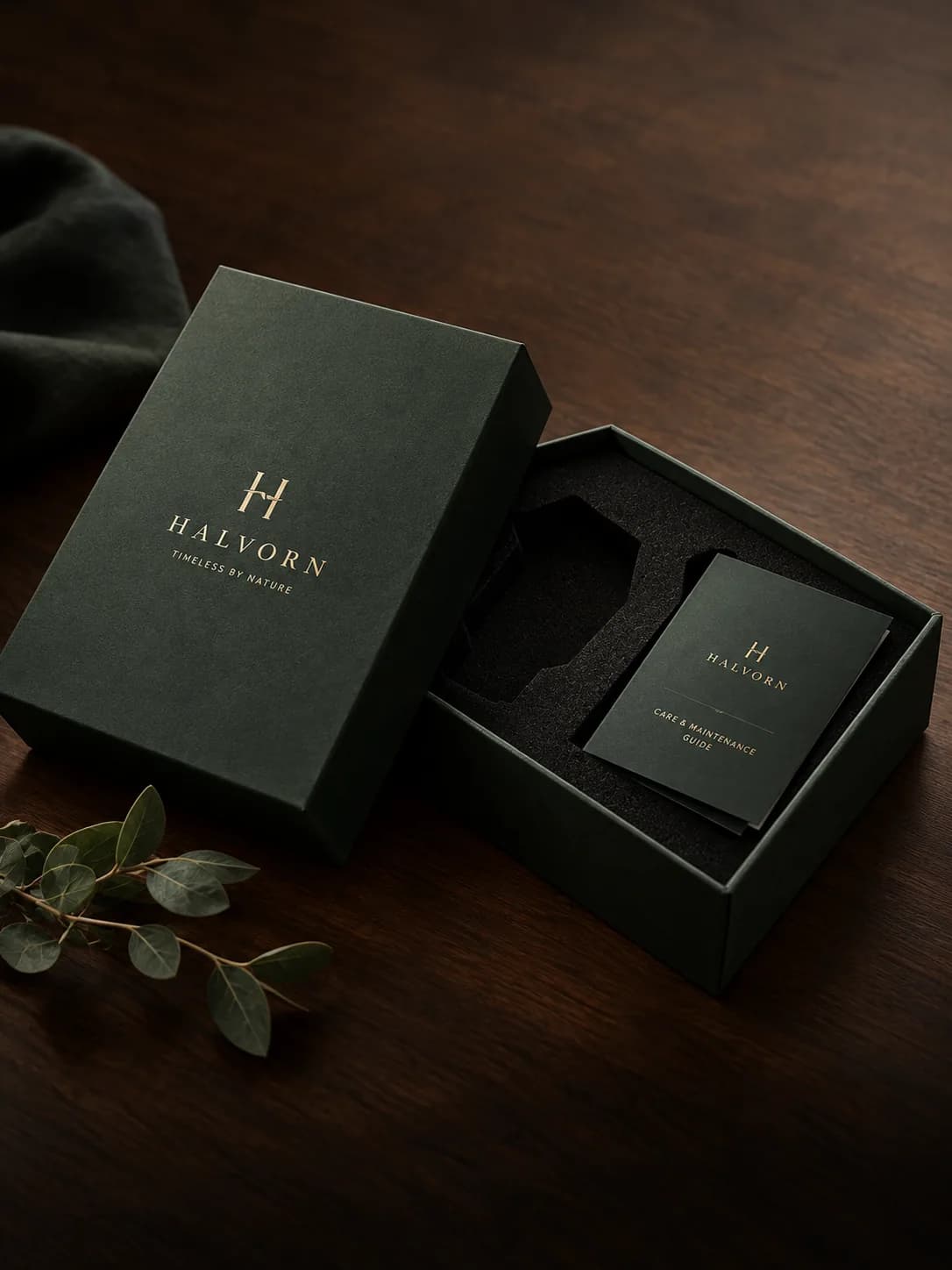
Outer mailer box artwork and dieline
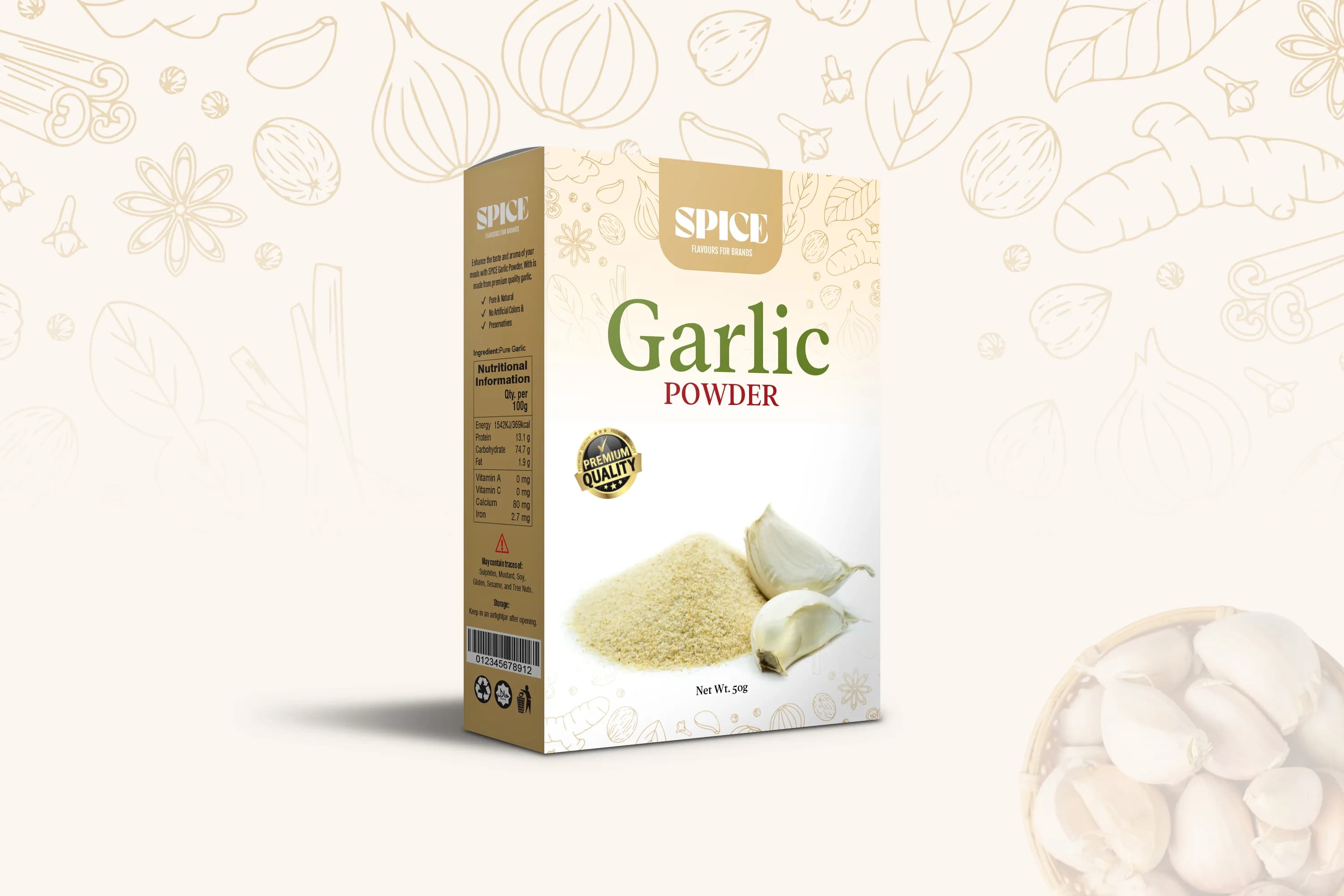
Interior packaging artwork
Insert card and tissue design
Branded tape and sticker design
3D unboxing sequence renders
Ecommerce Packaging Design: The Complete Guide
A complete reference for brand managers, designers, and marketers making packaging decisions.
The Category
What makes e-commerce packaging different
When you sell online, the packaging isn't seen until after the sale. Nobody picks it off a shelf. Instead, it travels through a warehouse, a courier network and maybe a letterbox, then becomes the first physical contact a customer has with your brand.
That shifts the priorities. Protection matters more than shelf presence. Cost per order matters more than cost per unit, because packaging, packing time and postage all add up. And the unboxing has to confirm the customer made a good decision.
Online packaging also lives in photos and videos. Customers share unboxings, and the condition of a parcel on arrival often turns up in product reviews.
The journey is rough
The challengeParcels are dropped, stacked, sorted by machine and left in the rain. Fragile products and loose contents suffer most.
Our approachWe design around the structure your packaging supplier recommends, then keep graphics and branding robust enough to survive the trip.
Every extra adds up
The challengeTissue, stickers, cards and inserts look lovely, but each adds material and packing time to every single order.
Our approachWe help you choose the few touches that make the biggest difference, so the experience scales with your order volume.
Design Decisions
The pieces of an online packaging system
E-commerce packaging is usually a system of parts rather than a single pack. The right mix depends on what you sell and how often customers reorder.
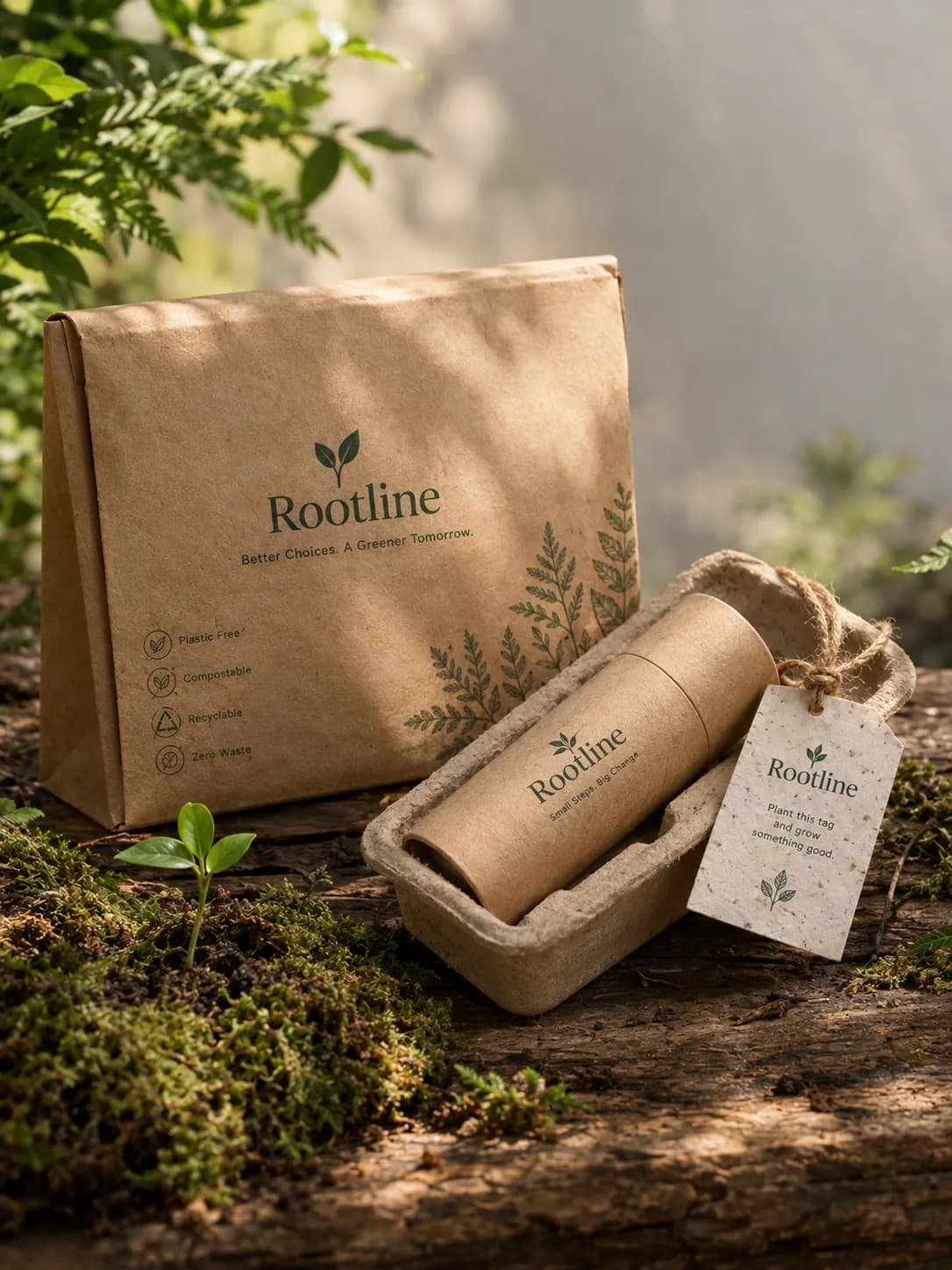
- Outer shipper. Mailer boxes, envelopes or bags. Their job is protection and a first impression at the door.
- Product packaging. If your products also sell in shops, their retail packs may travel inside the shipper. If not, the product pack can be simpler and lighter.
- Inserts and protection. Card inserts, paper fill or moulded trays keep items in place. Well-designed inserts also present the products neatly.
- Printed extras. Thank-you cards, how-to guides, discount codes for the next order and care instructions. Useful, as long as each has a purpose.
- Returns. If returns are common in your category, consider a resealable shipper or clear returns instructions. It saves customers frustration and you money.
Think about the order mix. A brand that ships single items needs different sizes from one that ships bundles of five. A small range of box sizes, chosen from your real order data, usually beats one size for everything or a different box for every product.
Some rules still apply. Products sold online generally need the same mandatory labelling they'd need in a shop, and that information must also be available to customers before they buy. Recycling marks and claims on shipping packaging should be accurate for the material and the markets you ship to. If you sell through marketplaces as well as your own site, check their packaging requirements, which can be stricter than courier standards.
Before ordering in bulk, ask your supplier for samples, pack a few real orders and send them to yourself and colleagues by your usual courier. See what arrives, how it looks and how long it took to pack. Note anything that arrives damaged and where the damage happened.
The Process
How we design e-commerce packaging
We design the whole order, not just the box.
Order and fulfilment review
Typical order contents and sizes, who packs the orders and how, courier and marketplace requirements, and your packaging supplier's options. Order data from your shop platform shows which combinations are most common.
Experience plan
We map what the customer sees from the doorstep to the product in hand, and agree which touches are worth their cost. We also decide what the customer should do next, such as reorder, review or share, and where the pack prompts it.
Concepts and mockups
Shipper, inserts and extras designed together and shown as mockups of a packed order, open and closed. We also show the parcel as it arrives, shipping label and all, because that's the first thing the customer sees.
Artwork for every piece
Final artwork on suppliers' dielines for boxes, inserts, tape, stickers and cards, with consistent colours across different materials. Each piece is set up for its own print process.
Print files and sample review
Print-ready files for each supplier, and a review of proofs and sample packs when they're provided.
Costs and Pitfalls
E-commerce packaging mistakes, costs and alternatives
Designing for photos, not for packing
An unboxing that looks great on social media but takes several minutes to pack becomes expensive at volume.
Oversized boxes
Bigger boxes cost more to post and need more fill. Match box sizes to your common order sizes.
Colours that don't match
Brand colours printed on kraft, white board, tissue and tape all look different. Plan for it, or specify colours per material.
Forgetting the returns journey
Boxes that tear on opening can't be reused for returns, forcing customers to find their own packaging.
No space for the shipping label
Couriers and fulfilment teams stick labels wherever there's room. Plan a clear area, or they'll land on your logo.
Online packaging costs are best judged per order:
- Shipper type. Printed boxes cost more than plain ones; mailer bags are lighter and cheaper but protect less.
- Size and weight. Dimensions and weight affect postage as well as packaging cost.
- Number of components. Each insert, card, sticker or tissue sheet adds material and handling.
- Packing time. Complicated packing steps cost money on every order, especially if you use a fulfilment partner.
- Print quantity. Larger runs lower unit prices but need storage space.
Sometimes a narrower project makes more sense. If the box is the main concern, a mailer box project focuses on structure and unboxing. If you sell mainly through Amazon, an Amazon packaging project deals with marketplace rules and listing images. And if your product also needs to sell on a shop shelf, retail packaging should lead, with the online system built around it. For very fragile products, a structural project focused on inserts and protection may be the priority.
Got Any Questions?



Your packaging deserves
better than “good enough.”
Book a free 15-minute call and we'll scope your packaging together — or send us a message to get started.