
Service
Packaging Illustration
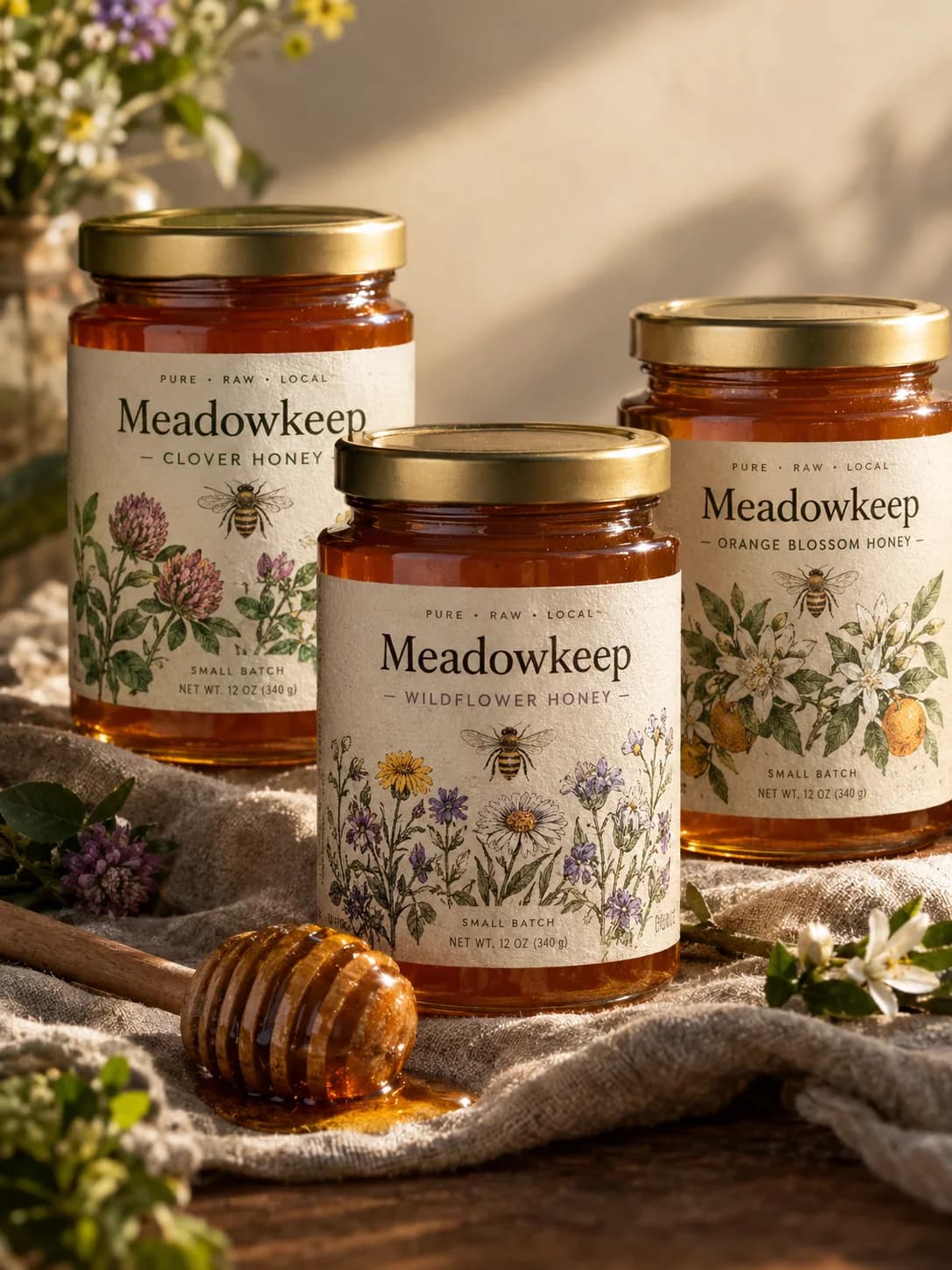
Illustration that stops shoppers in their tracks.
In a sea of photography and generic stock imagery, bespoke illustration is the most powerful way to create distinctive packaging. We create custom illustration that becomes the brand's visual signature — impossible to copy and impossible to ignore.
Quick Answer
Packaging illustration creates bespoke artwork — botanical, character, pattern, or abstract — for brands where illustration is a strategic brand differentiator, particularly in premium food, beverage, spirits, cosmetics, and speciality retail.
What's Included
Everything delivered, as standard
Every Packaging Illustration project includes these deliverables — no extras, no upsells, no surprises.
Packaging expertise across
7 product categories
Craft Food & Beverage
Gin & Spirits
Natural Beauty
Children's Products
Artisan Coffee & Tea
Confectionery
Health & Wellness
Packaging Illustration
Illustration that stops shoppers in their tracks.
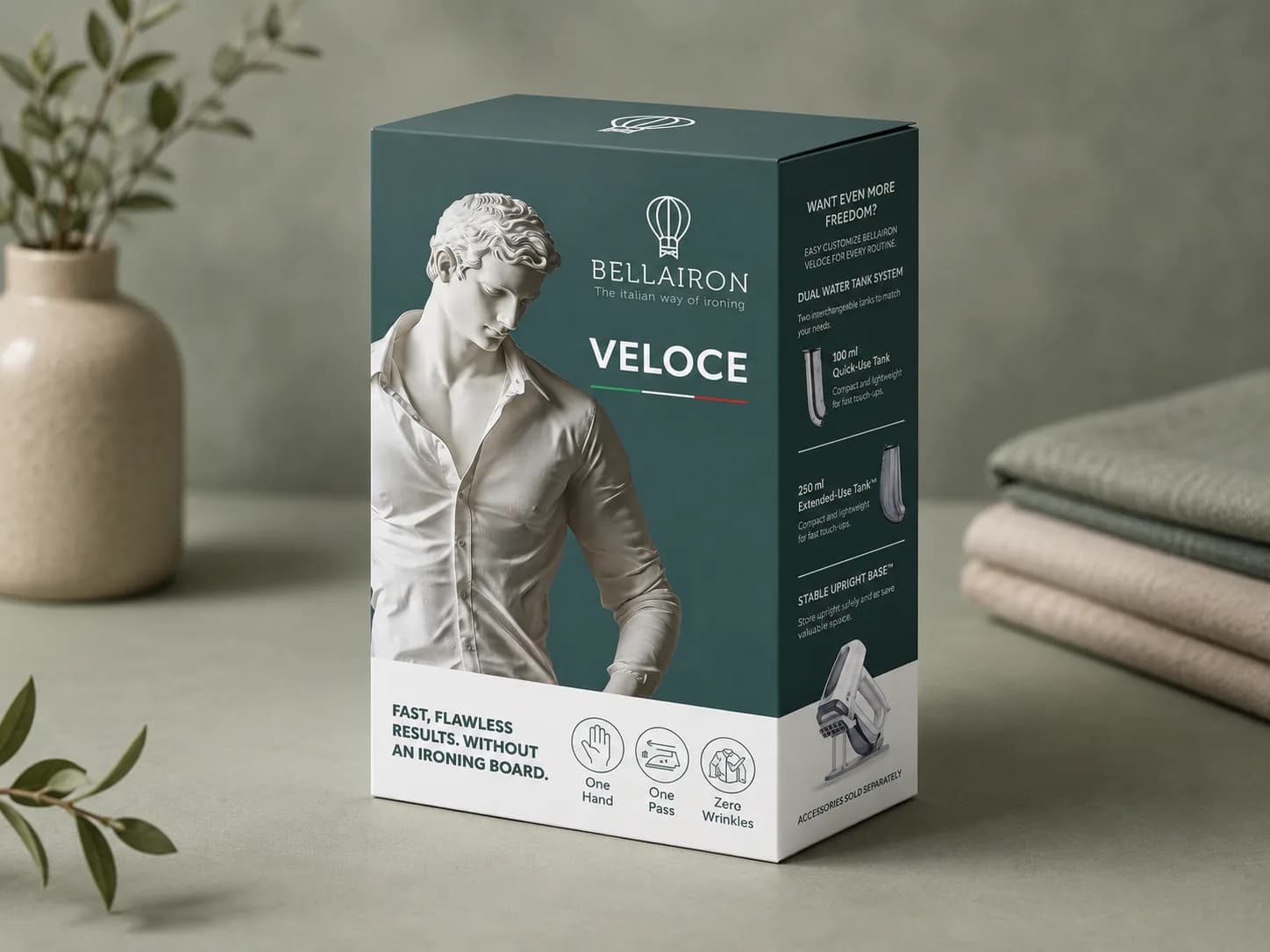
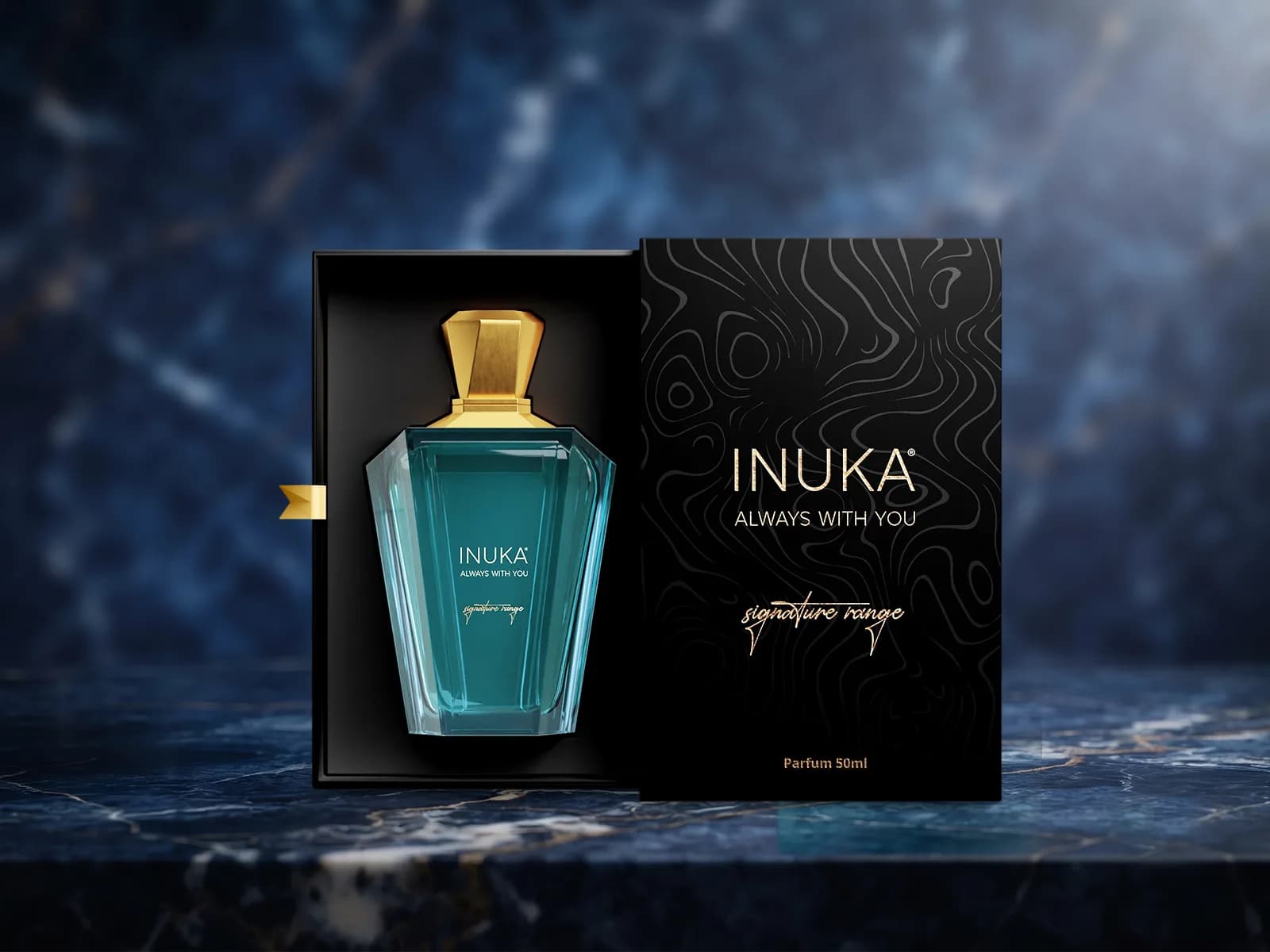
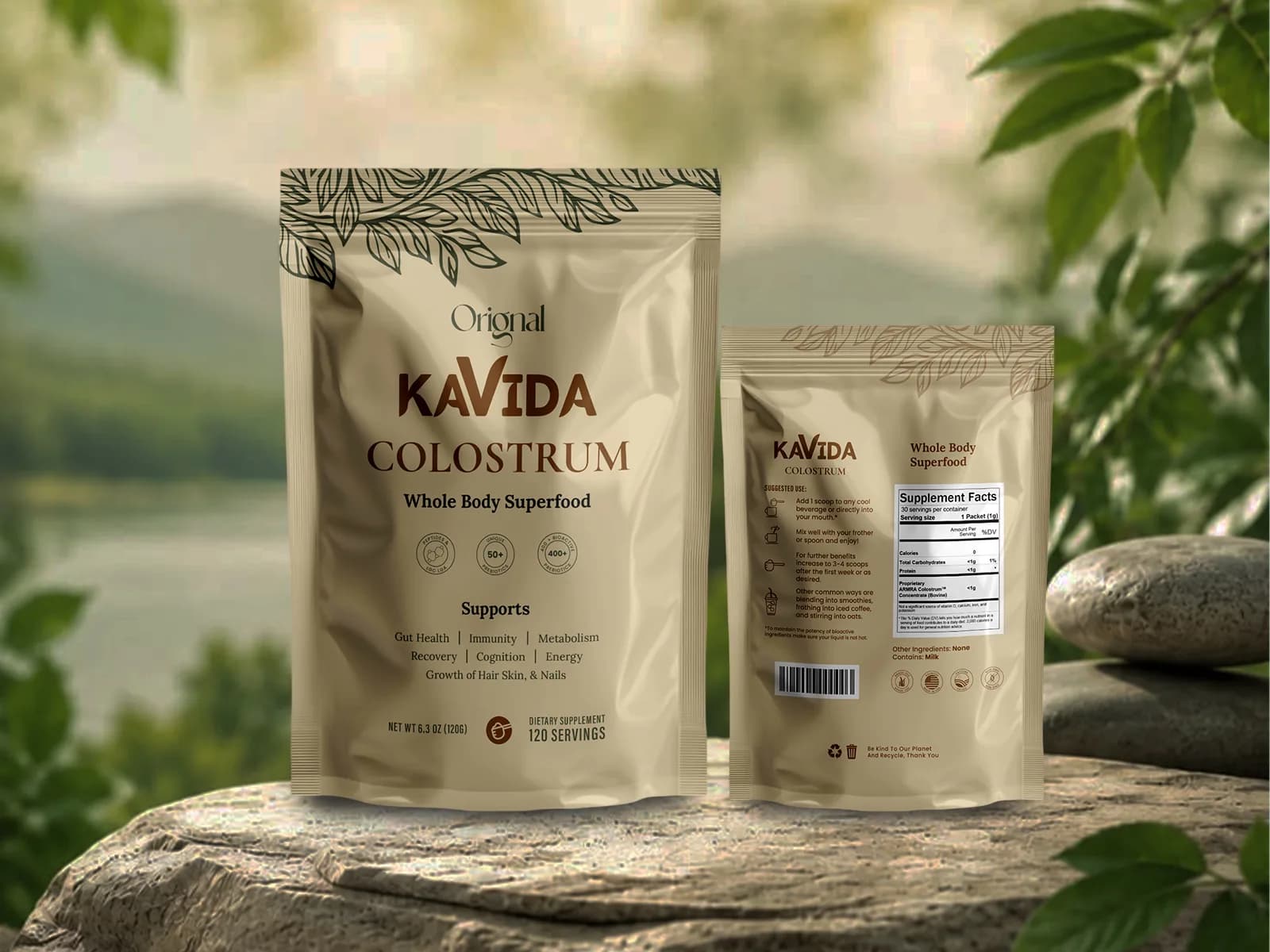
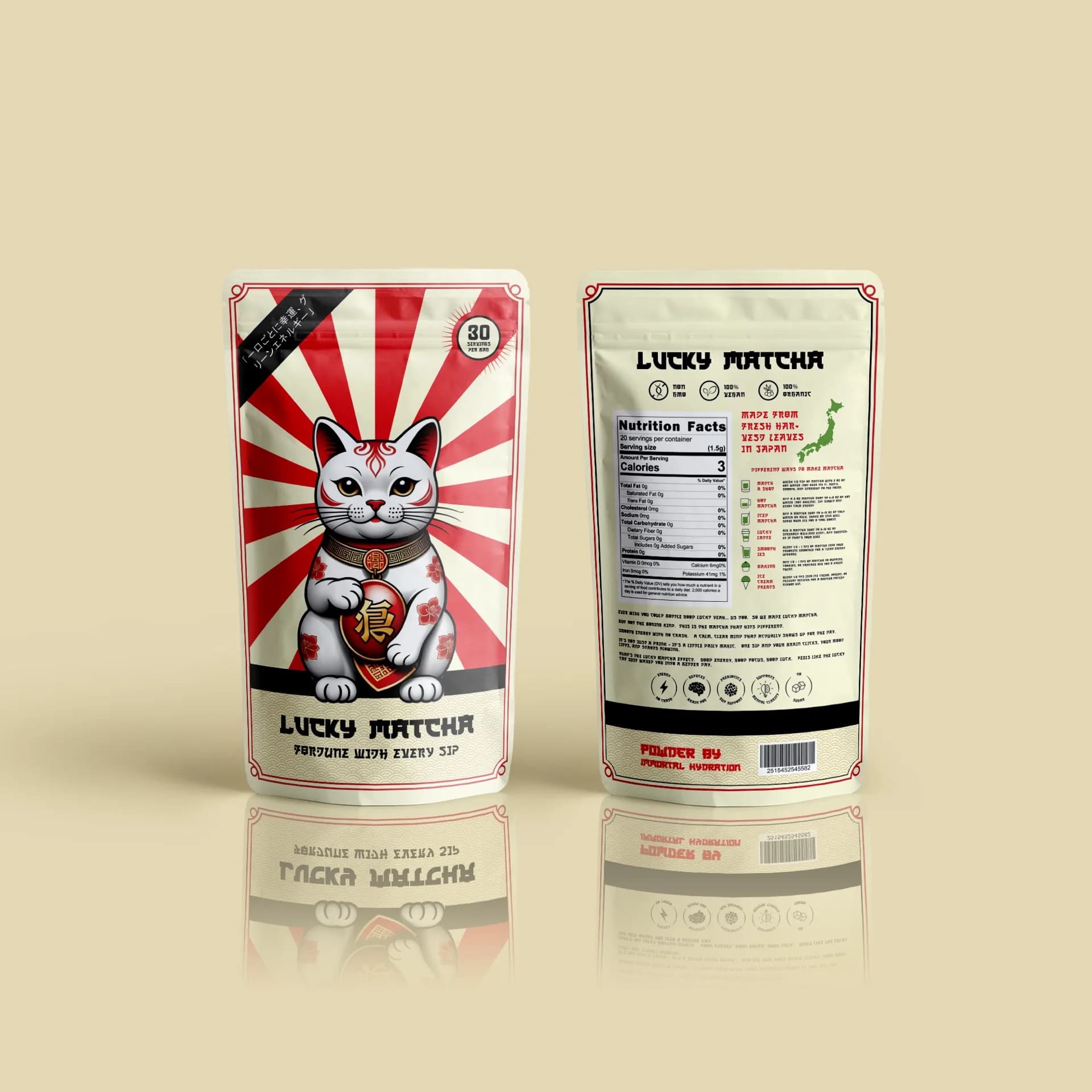
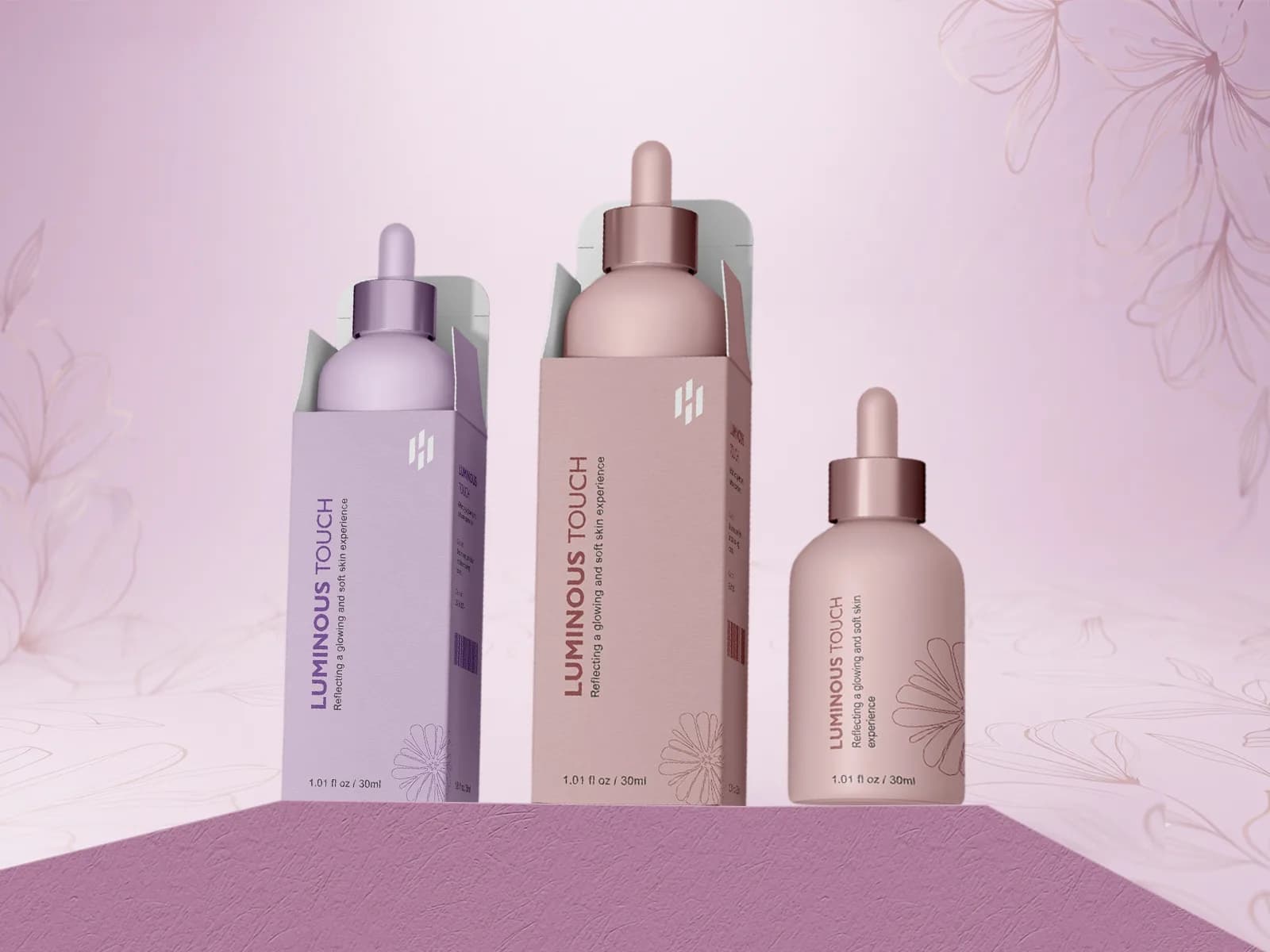
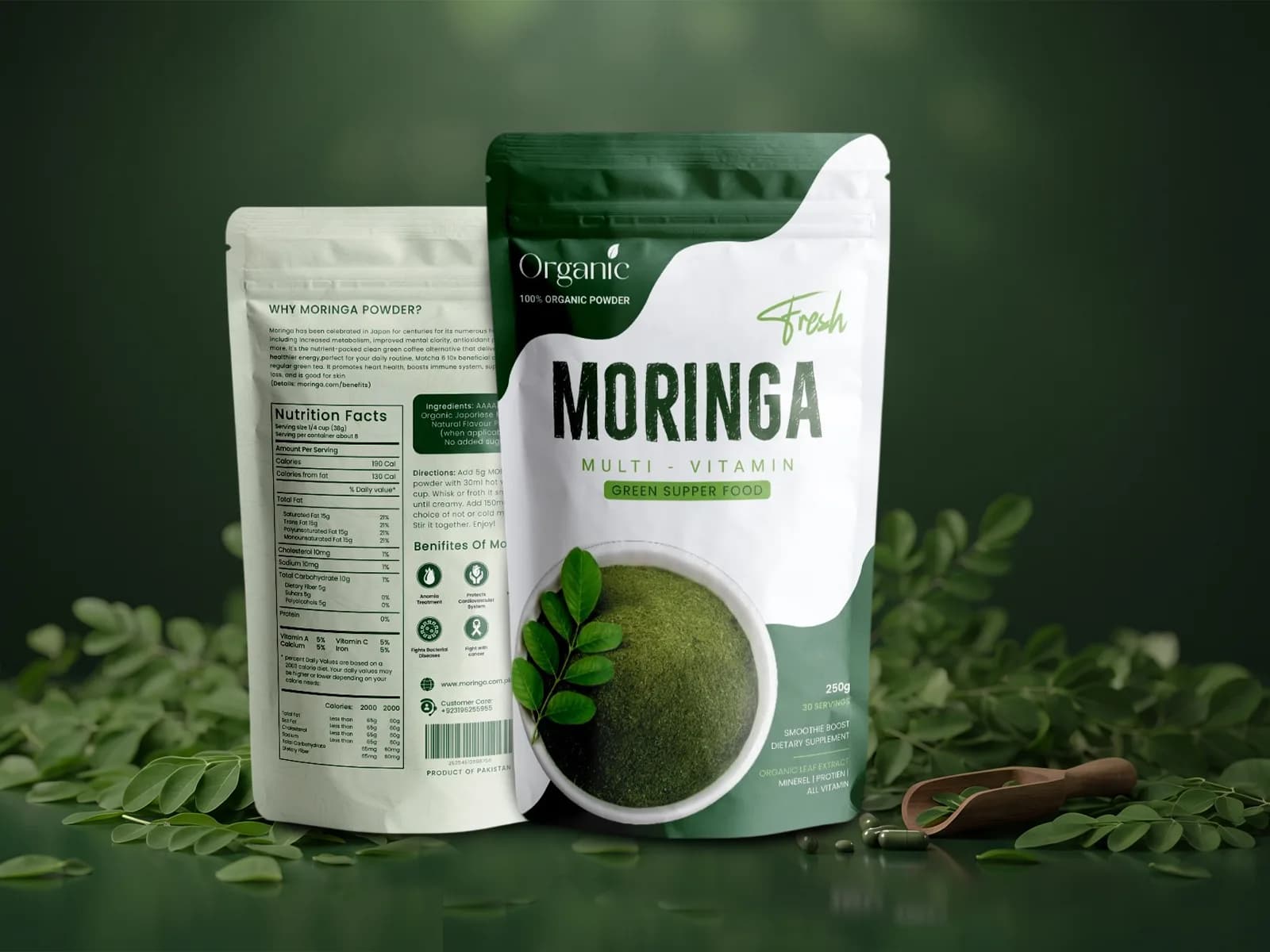
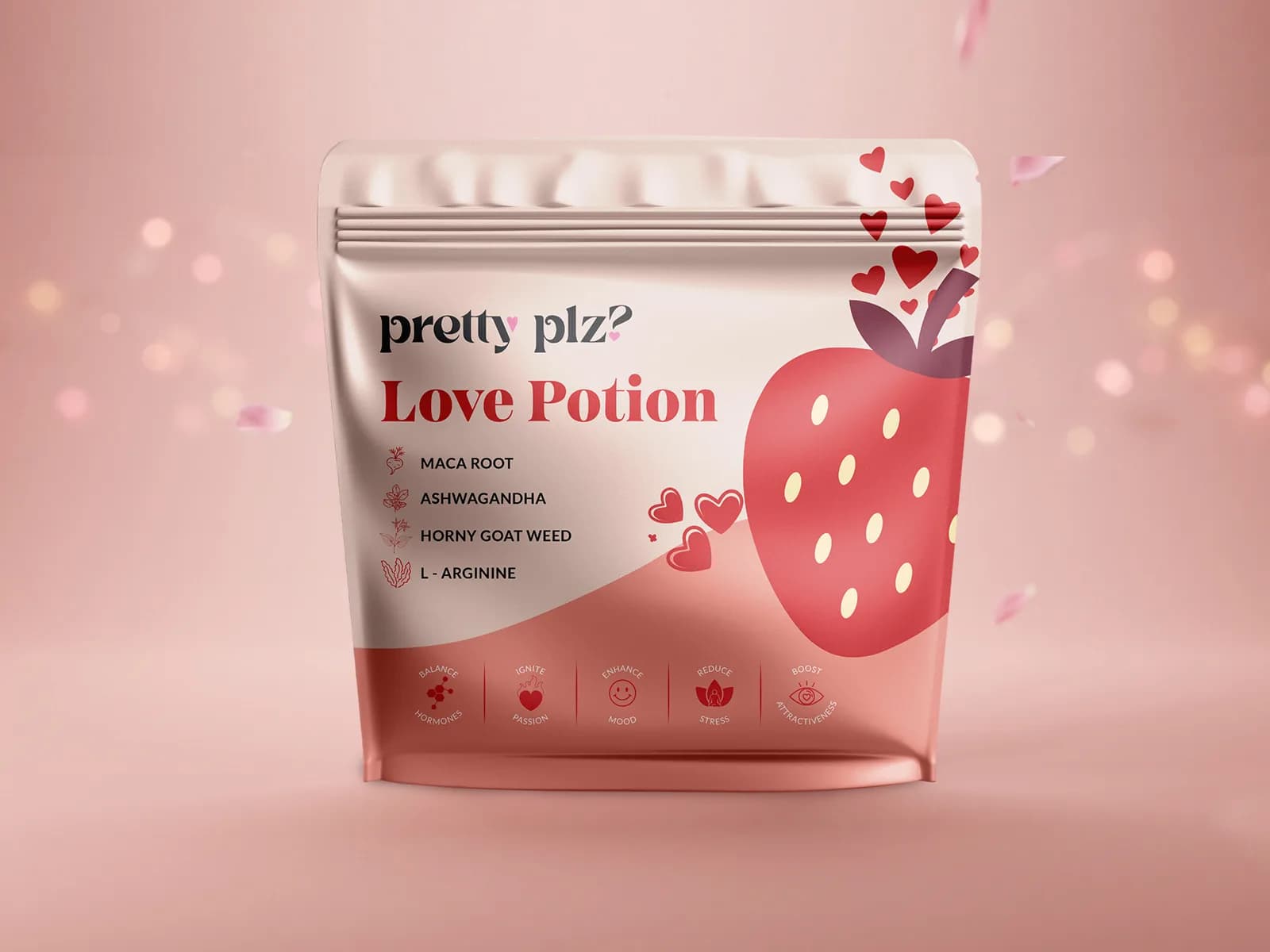
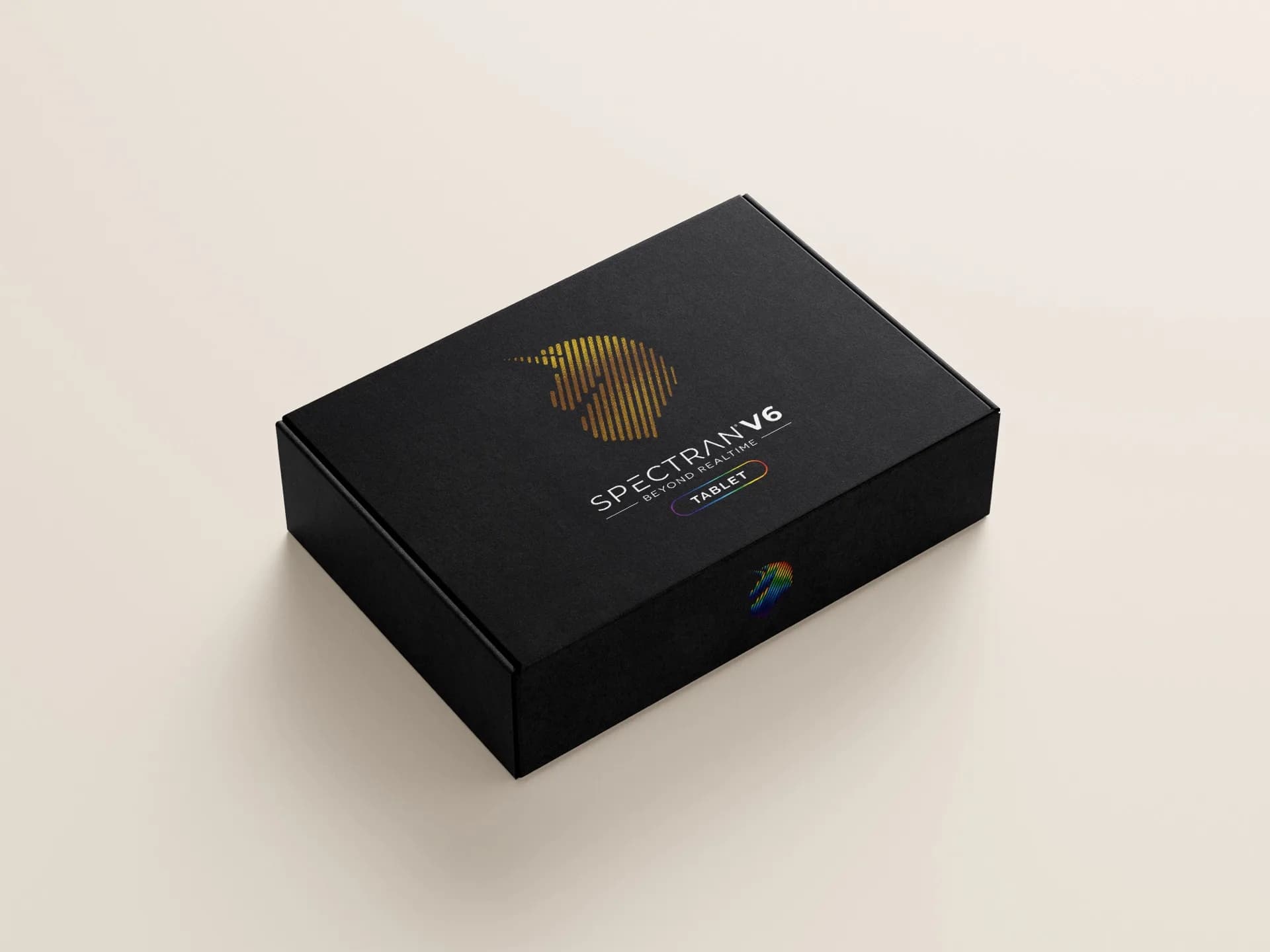
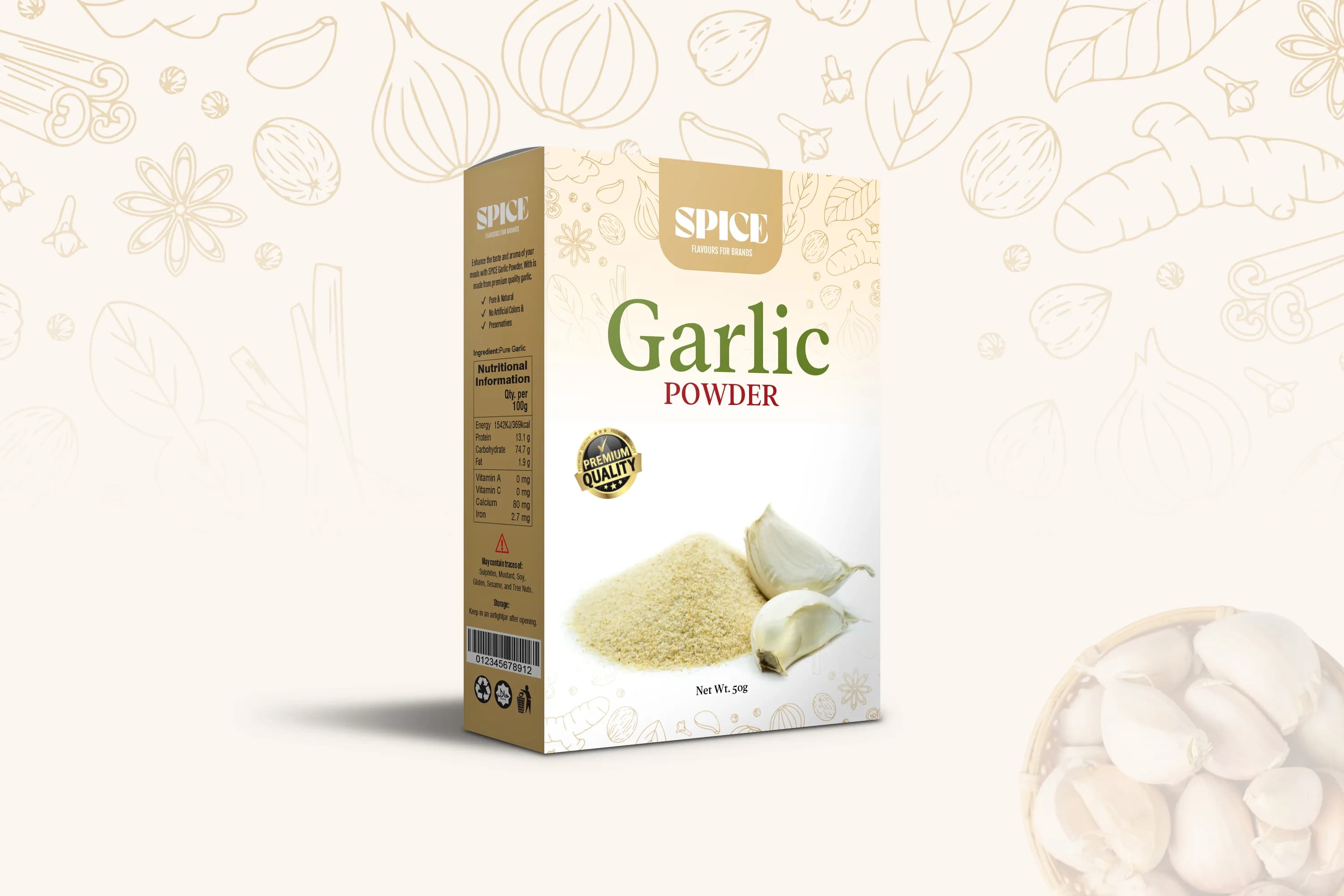
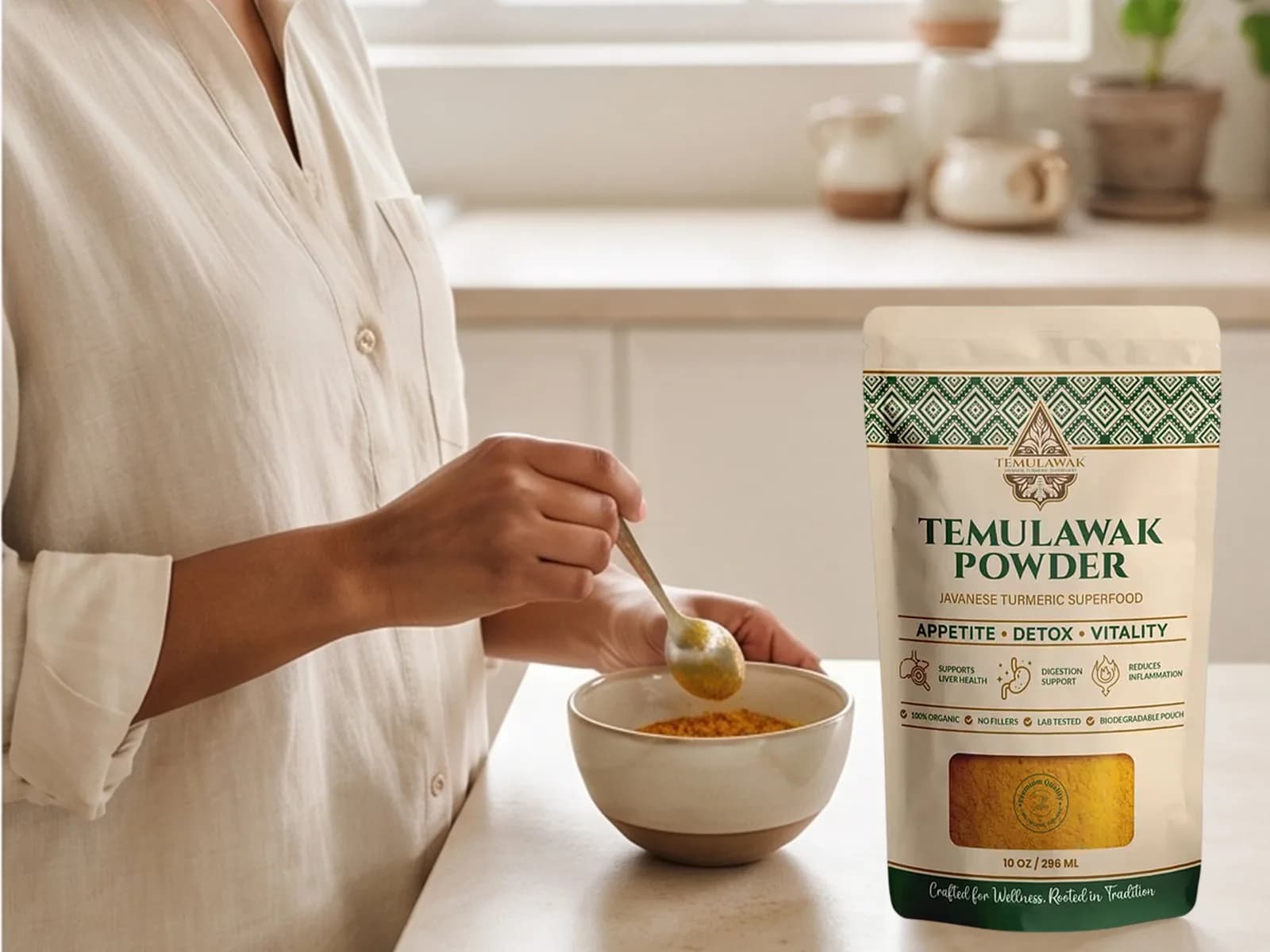

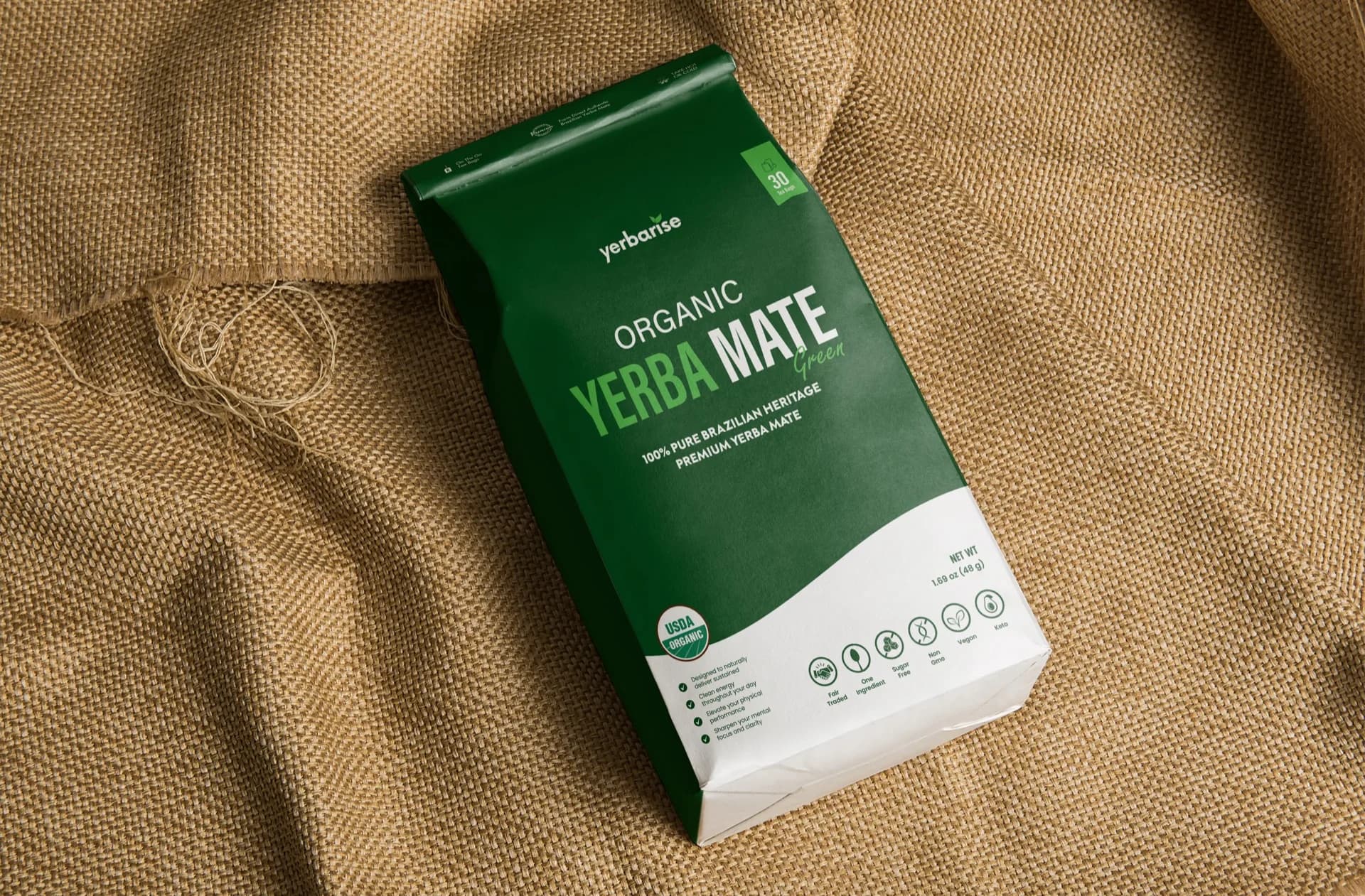
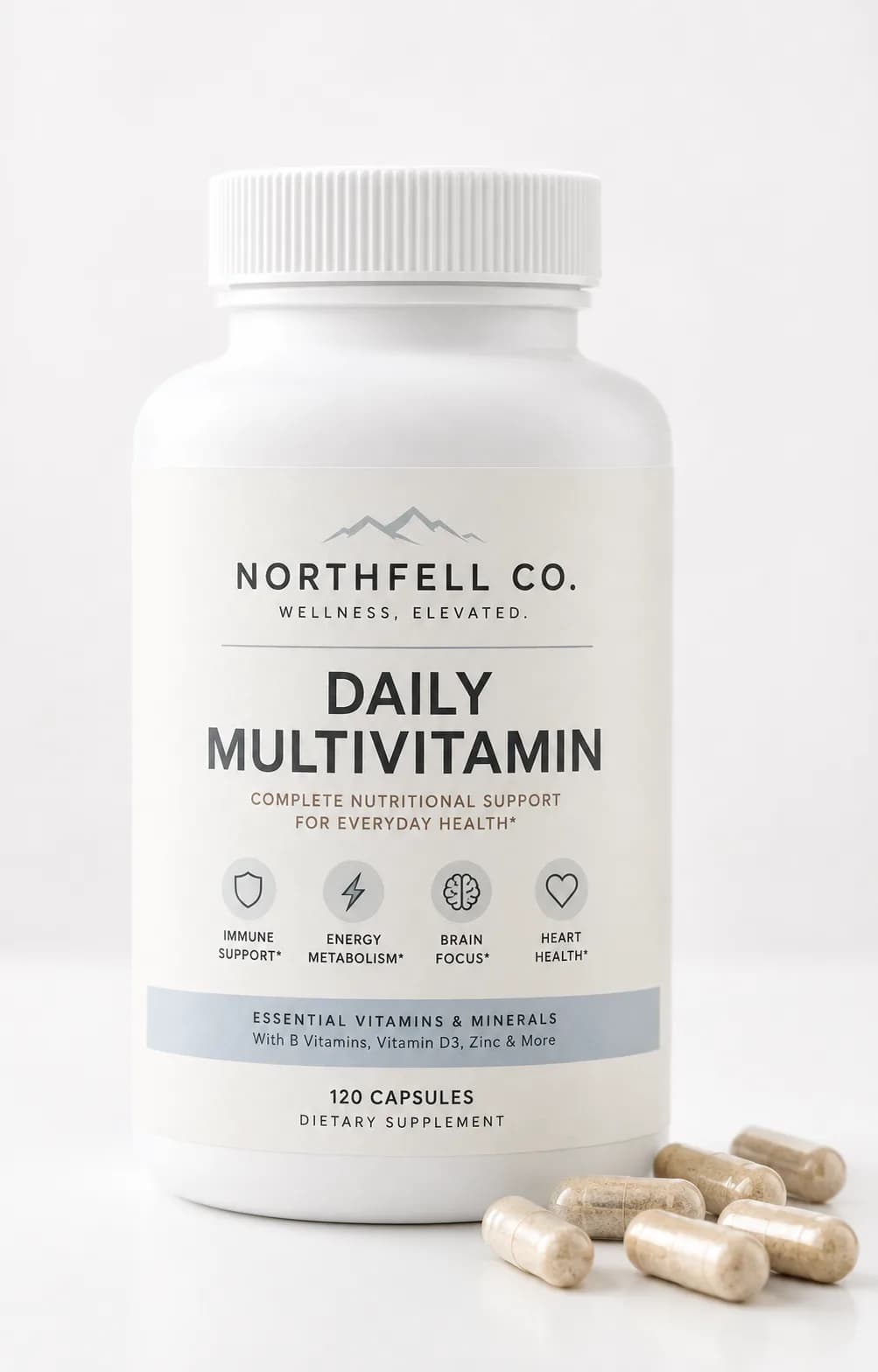
We're always-on to deliver the
packaging you want, when you need it
High-resolution illustration files (AI, EPS, PNG)
Print-ready integrated packaging artwork
Colour separated illustration for spot printing
Usage rights and IP transfer documentation
Packaging Illustration: The Complete Guide
A complete reference for brand managers, designers, and marketers making packaging decisions.
The Basics
What illustration brings to packaging
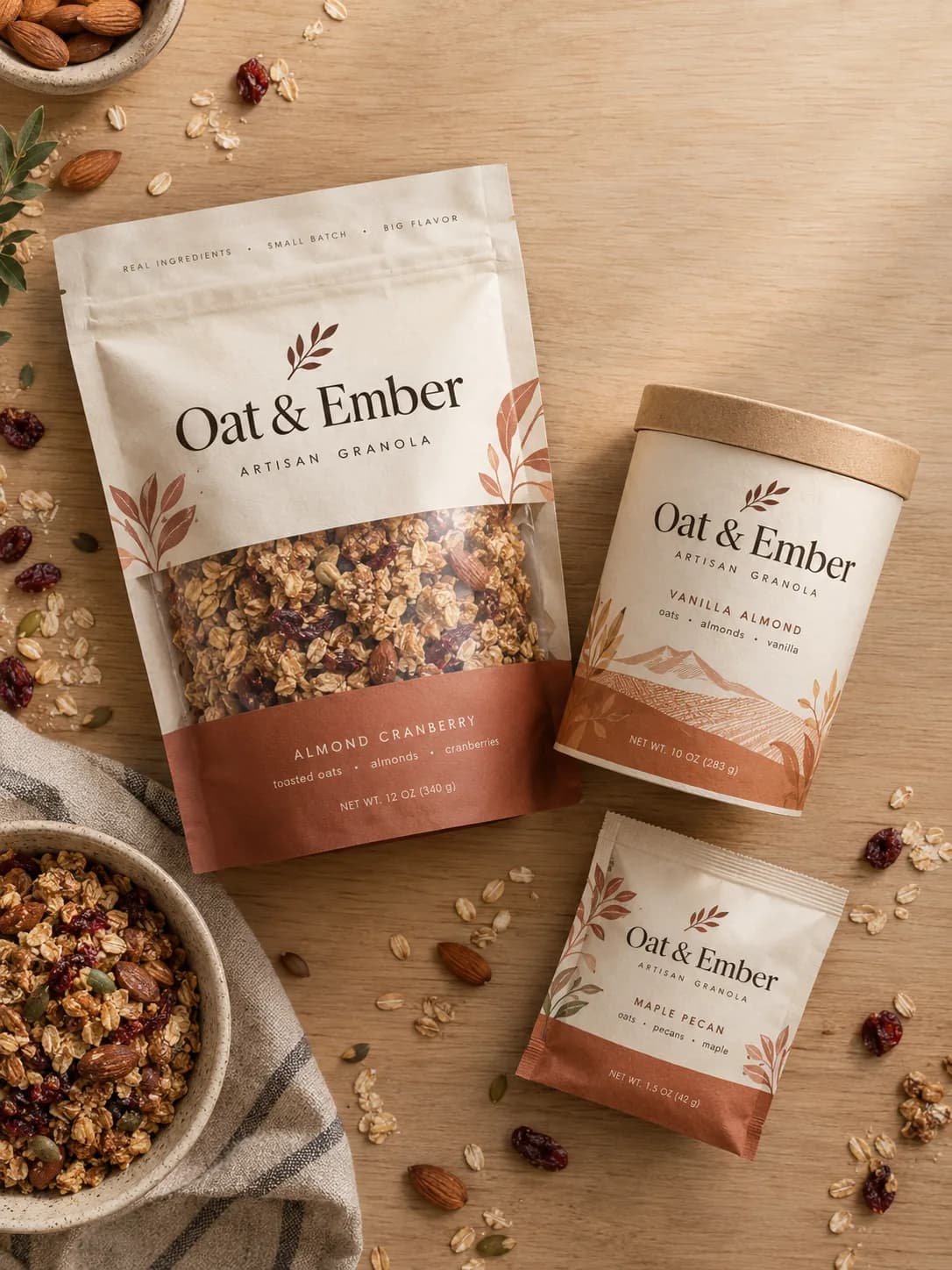
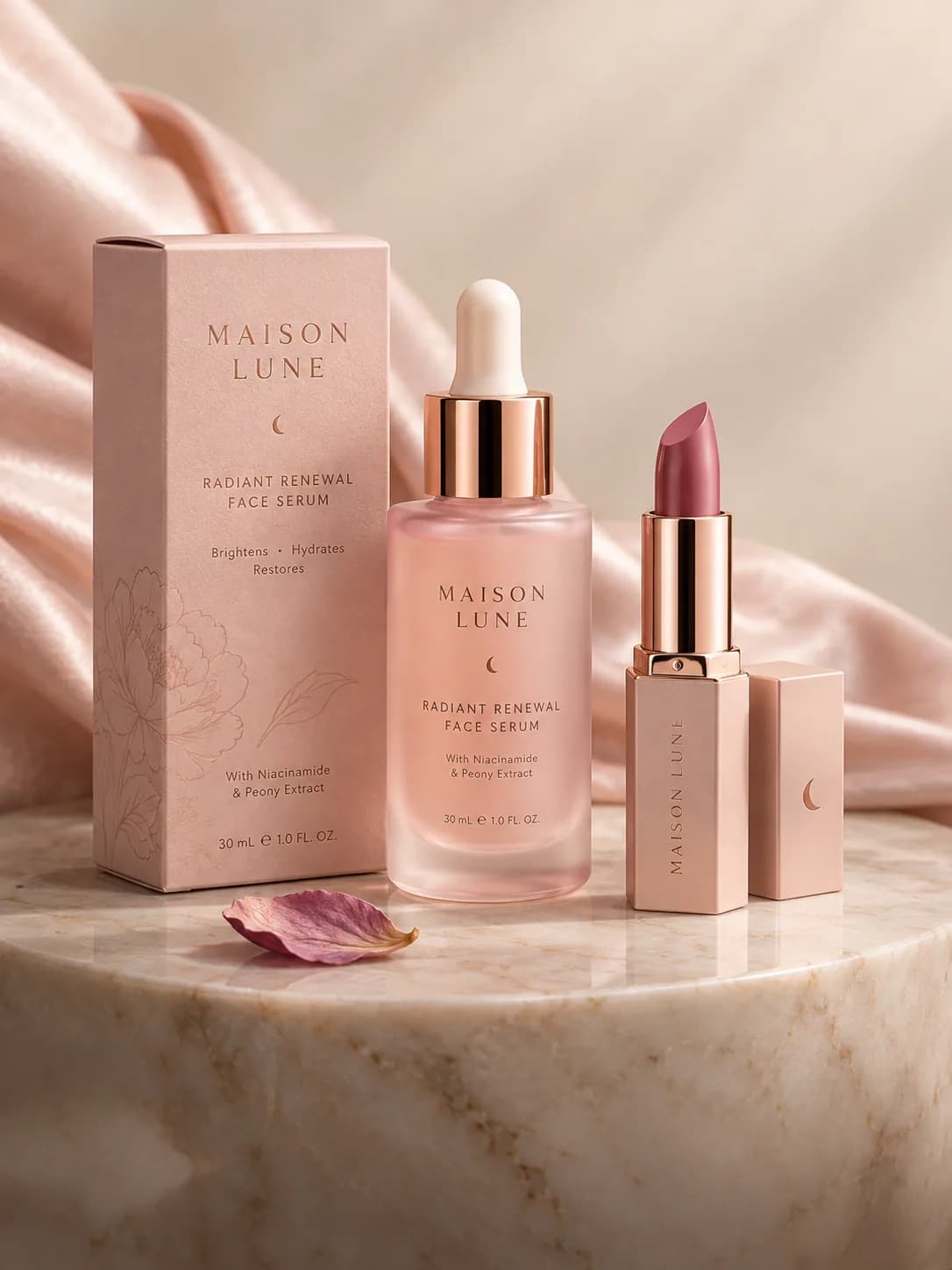
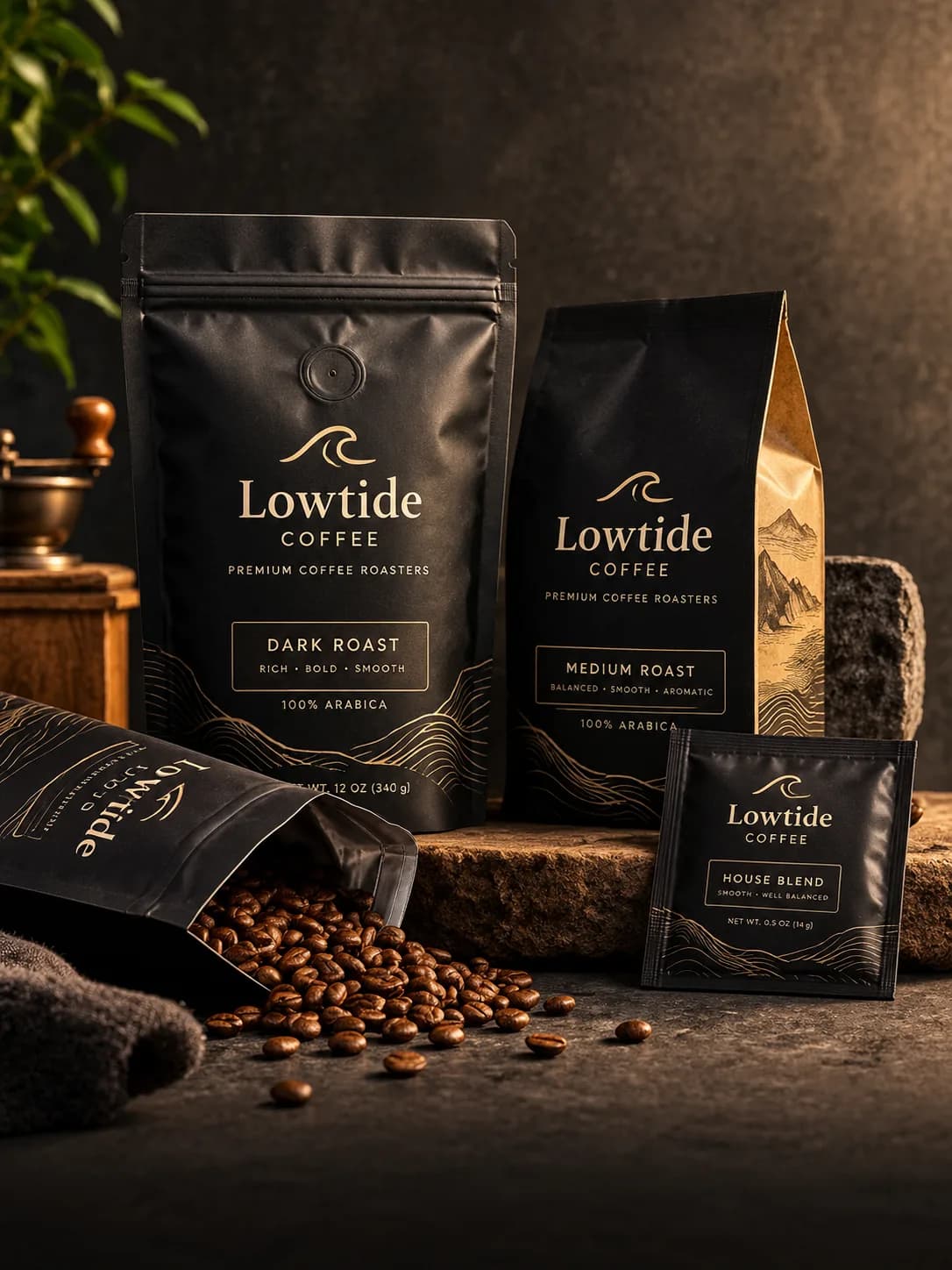
Illustration gives a pack something a competitor can't buy from the same stock library. A drawn character, a botanical study or a hand-made pattern belongs to your brand alone, and it can be stretched across a whole range in a way a single photograph rarely can.
It's also flexible. Illustration can show ingredients that don't photograph well, places your product comes from, or ideas like calm or energy that are hard to capture with a camera. And it can be simplified for a tiny sachet or expanded for a gift box without losing its character.
A distinctive, commissioned style is also harder for lookalike brands to copy closely without it being obvious.
A signature, not decoration
The challengeIllustration added late, to fill space, often looks generic and gets replaced at the next redesign.
Our approachWe define the illustration's job first, whether that's recognition, storytelling or variant coding, and design the style around it.
It has to work as a system
The challengeA beautiful drawing for one product becomes a problem when the range grows to twelve and every new piece looks slightly different.
Our approachWe set rules for line, colour, composition and level of detail, so new illustrations stay consistent as the range expands.
Design Decisions
Style, technique and print realities
The right illustration style depends on the category, the price point and how the pack will be printed.
- Style and category. Fine engraving-style work suggests heritage and craft. Bold, flat shapes read well from a distance and suit everyday products. Playful characters can build affection, especially in snacks and family products.
- Illustration and type together. The illustration and the typography need to feel like one idea. Hand-lettering can bridge the two, but mandatory text should stay in a clear, legible typeface.
- Print limits. Very fine lines and subtle textures can fill in or break up on flexo presses and textured papers. We adapt line weights and detail to the print method your printer uses.
- Colour count. Illustration in a limited set of spot colours can be cheaper to print and more consistent. Full-colour painted work needs process printing and careful colour management.
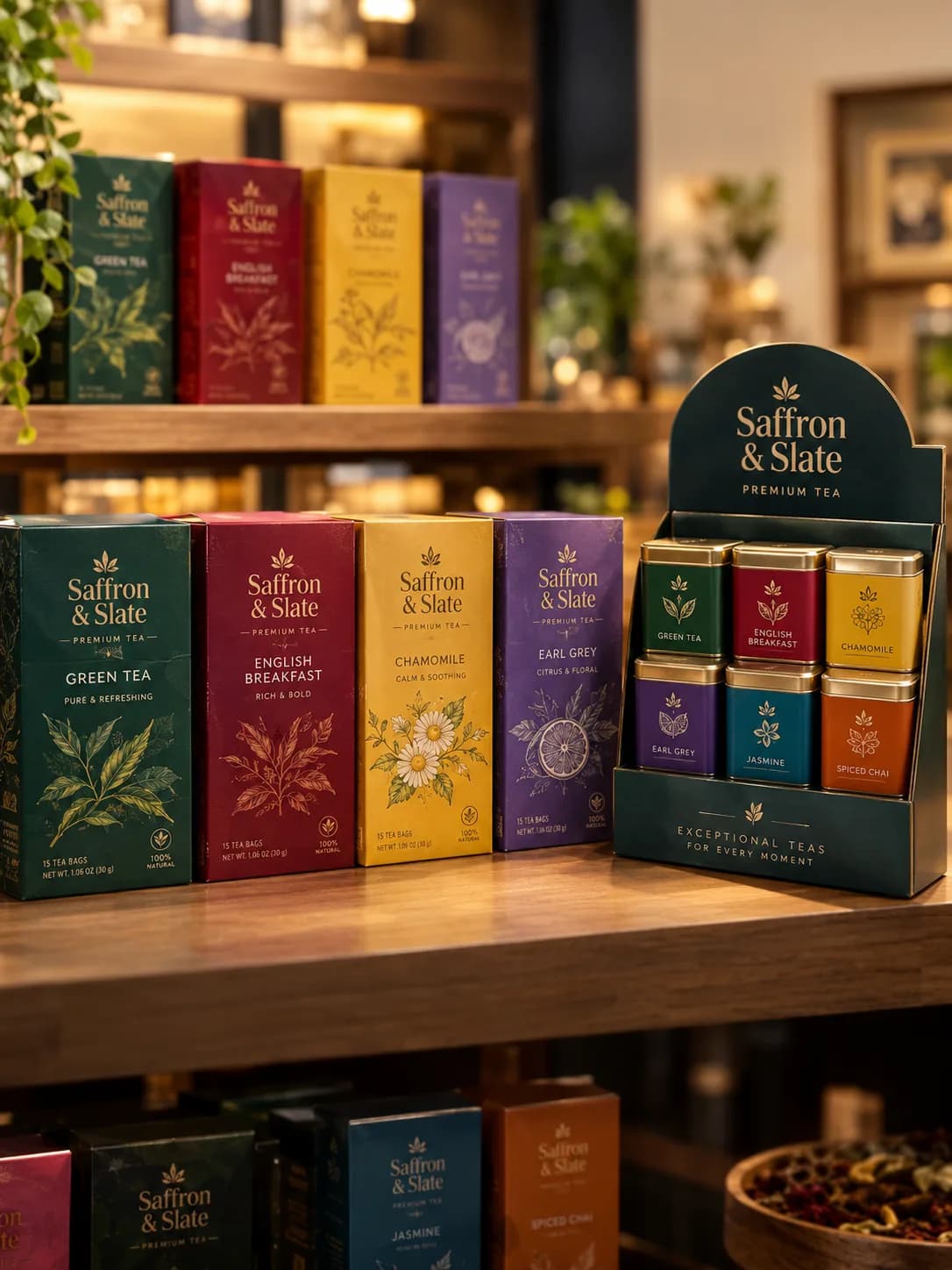
- Variant coding. Illustration is a strong way to tell flavours apart: one illustrated ingredient or scene per variant, within a consistent frame.
Think about where else the illustration will live. Packaging illustration often ends up on the website, social posts, shipping boxes and shop displays. Supplying it in layers, with simplified versions, makes that easy.
Rights deserve attention up front. Agree in writing who owns the illustrations, where they can be used and whether they can be adapted later, for packaging, advertising, merchandise or anything else. If you plan to register a character or mark as a trade mark, take advice from an intellectual property specialist. Illustrations of ingredients or results also count as claims, so they need to represent the product honestly.
Look at the illustration at the size it will appear on the smallest pack and as a marketplace thumbnail. Detail that delights on a gift box can become noise on a sachet. Simplified versions are often worth drawing on purpose rather than shrinking the full piece.
The Process
How a packaging illustration project runs
Illustration needs room to explore, but it also needs a clear brief, or it drifts.
Brief and references
We agree what the illustration must do, where it will be used, and which styles feel right or wrong for the brand, using reference boards rather than abstract adjectives.
Style exploration
Two or three style directions, each shown on a pack mockup so you can judge them in context, not as isolated drawings. A style on a real pack quickly shows whether it suits the brand or just suits the illustrator.
Sketches and composition
Rough compositions for each pack, checked against the dieline so key elements avoid folds, seals and the areas reserved for mandatory text.
Final illustration
Finished artwork in vector or high-resolution formats, separated into layers or spot colours as the print method requires. Line weights are checked at final print size, not just on screen.
Pack artwork and style guide
Illustration placed into print-ready pack files, plus a short guide covering the rules for future pieces. We review the printer's proof when one is provided.
Costs and Pitfalls
Illustration mistakes, costs and alternatives
Detail that won't print
Hairline strokes and delicate gradients look stunning on screen and disappear on press. Match the detail to the print method from the start.
Unclear rights
Discovering after launch that the illustration can't be used in advertising or on merchandise. Settle usage rights before work begins.
Style without rules
Commissioning new pieces years later with no guide, and ending up with a range that slowly stops matching.
Illustration fighting the information
Busy artwork behind the product name or flavour makes the pack harder to read. Leave calm space where the key words sit.
Illustration costs depend mainly on detail and quantity:
- Complexity. Detailed scenes and painted work take much longer than simple icons or flat shapes.
- Number of pieces. Each variant illustration, pattern or character pose adds time, although a clear style system makes later pieces quicker.
- Exploration. More style routes and revision rounds at the start increase cost but reduce the risk of choosing the wrong direction.
- Usage rights. Broader rights, such as use across advertising and merchandise or full ownership, are usually reflected in the fee.
- Print preparation. Separating artwork into spot colours or adapting it for several print methods adds production time.
Illustration isn't right for every product. When appetite appeal depends on seeing the real food, styled photography usually does the job better. If the brand is built on clean minimalism, strong typography and colour may say more than any drawing. And if budget is tight, a simple illustrated pattern or icon set can deliver distinctiveness at a fraction of the effort of full scenes. Some brands combine the two: photography for the product, and illustration for the brand frame around it.
Got Any Questions?


Your packaging deserves
better than “good enough.”
Book a free 15-minute call and we'll scope your packaging together — or send us a message to get started.