
Service
Tea Packaging Design
Packaging that captures the ritual of tea.
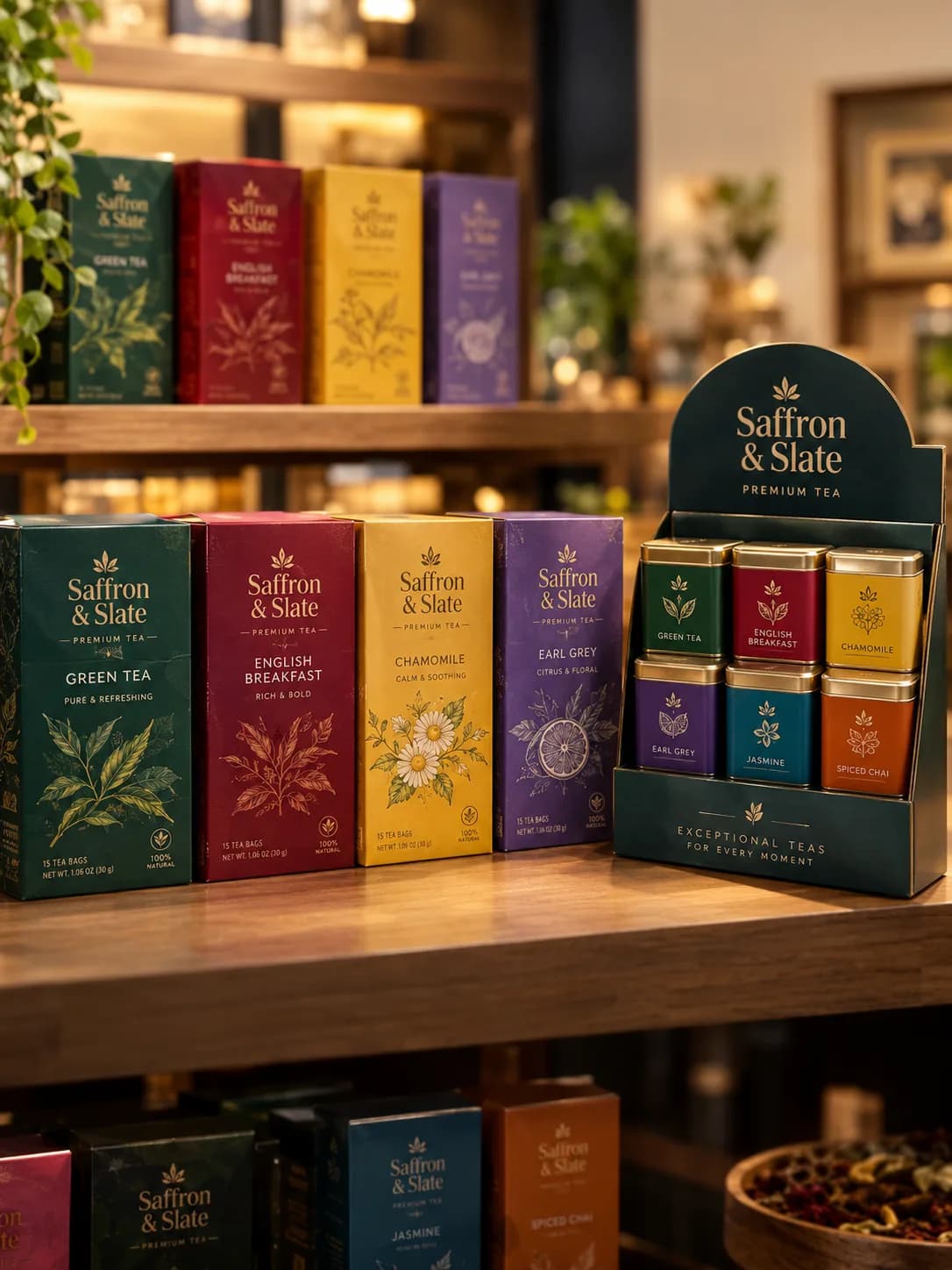
Tea packaging must evoke calm, quality, and heritage in a single glance. Whether you're a heritage brand refreshing your look or a new specialty tea entering the market, we create packaging that earns a permanent spot on your customers' shelves.
Quick Answer
Tea packaging design creates distinctive, compliance-checked artwork for tins, cartons, pouches, and sachet boxes — balancing shelf presence with mandatory food labelling, origin claims, and ingredient declarations across global markets.
What's Included
Everything delivered, as standard
Every Tea Packaging Design project includes these deliverables — no extras, no upsells, no surprises.
Packaging expertise across
6 product categories
Specialty & Loose-Leaf Tea
Teabag Brands
Herbal & Wellness Tea
Matcha & Green Tea
Supermarket Private Label
Hotel & Hospitality
Tea Packaging Design
Packaging that captures the ritual of tea.
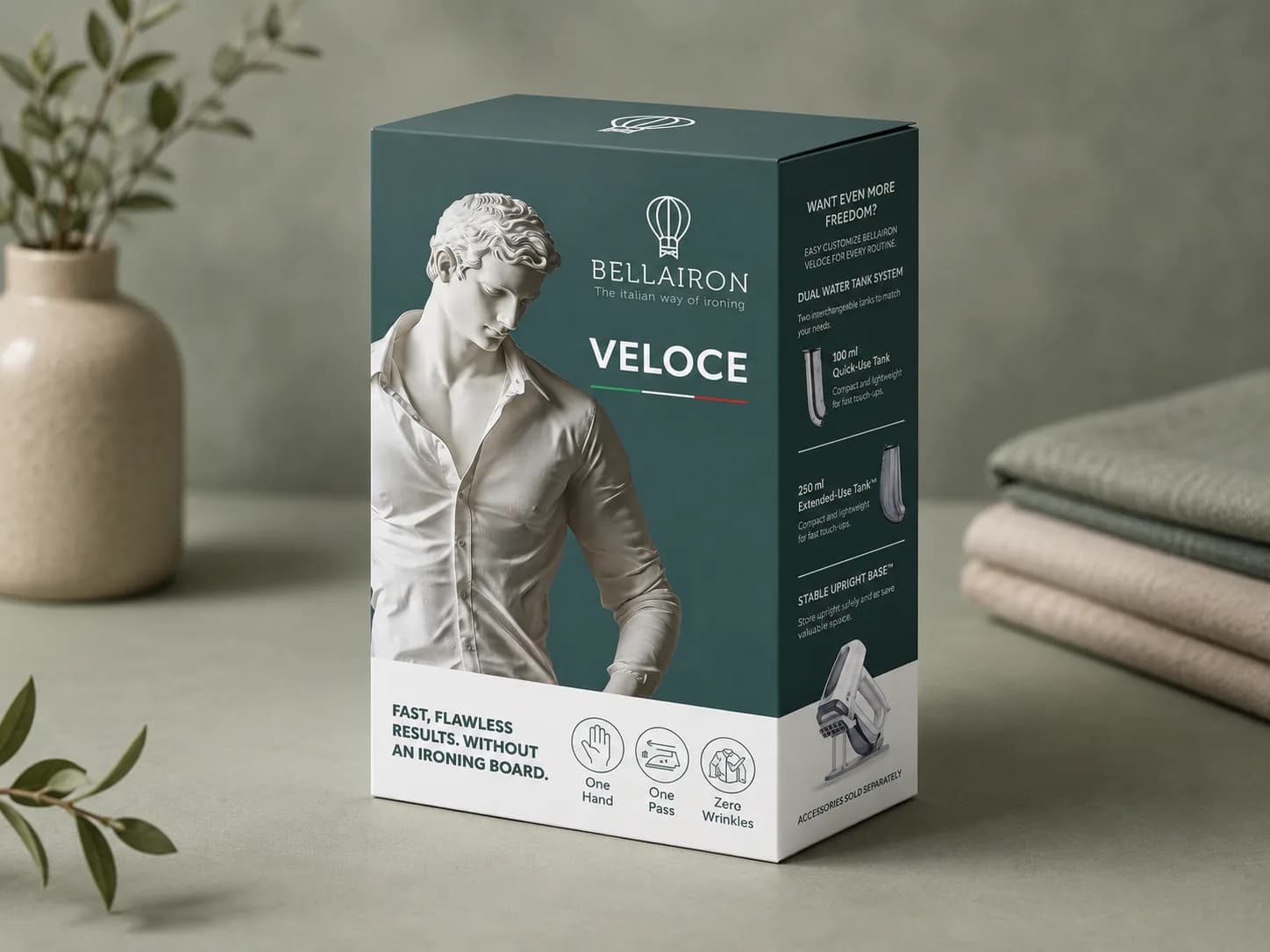
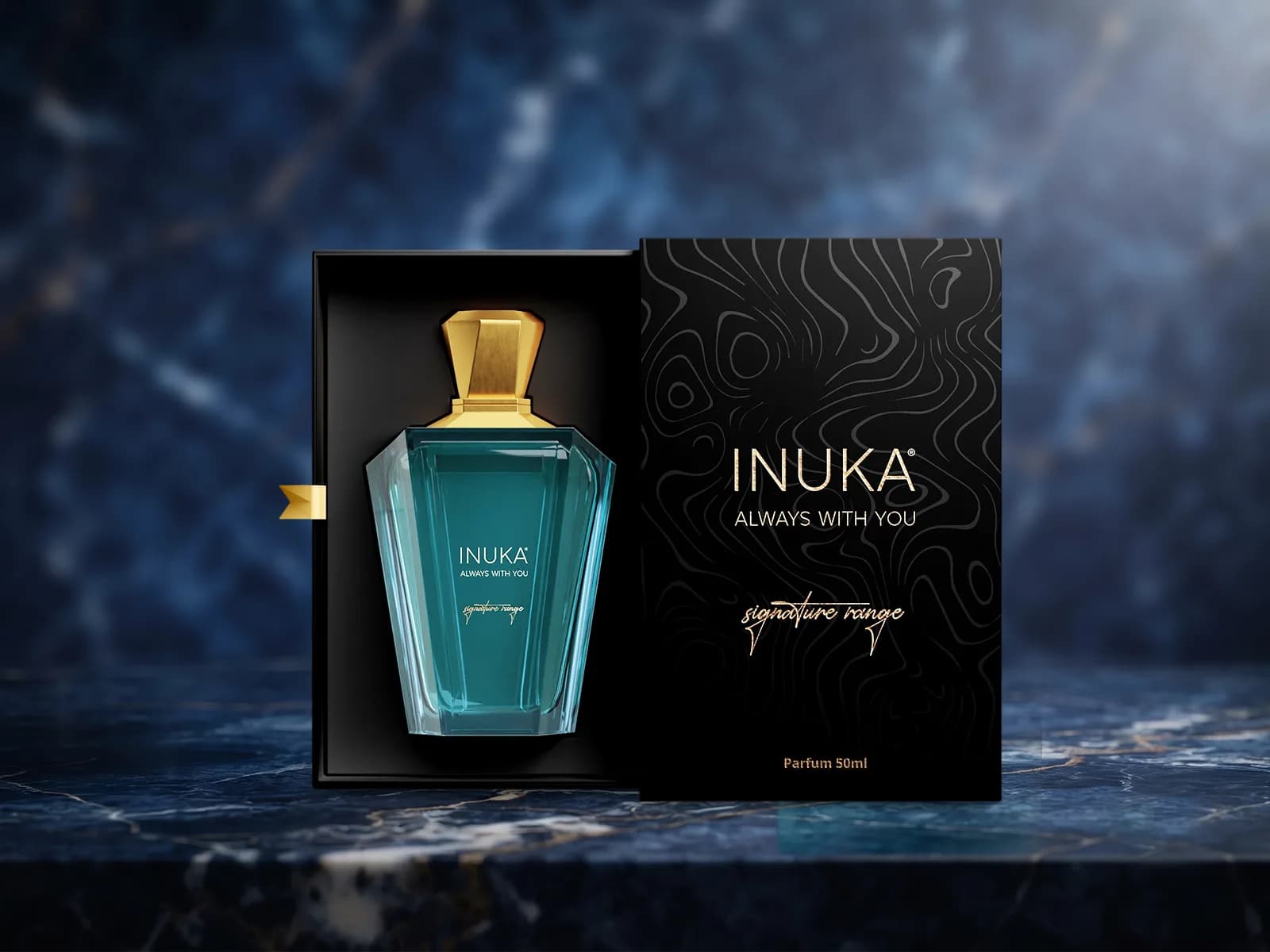
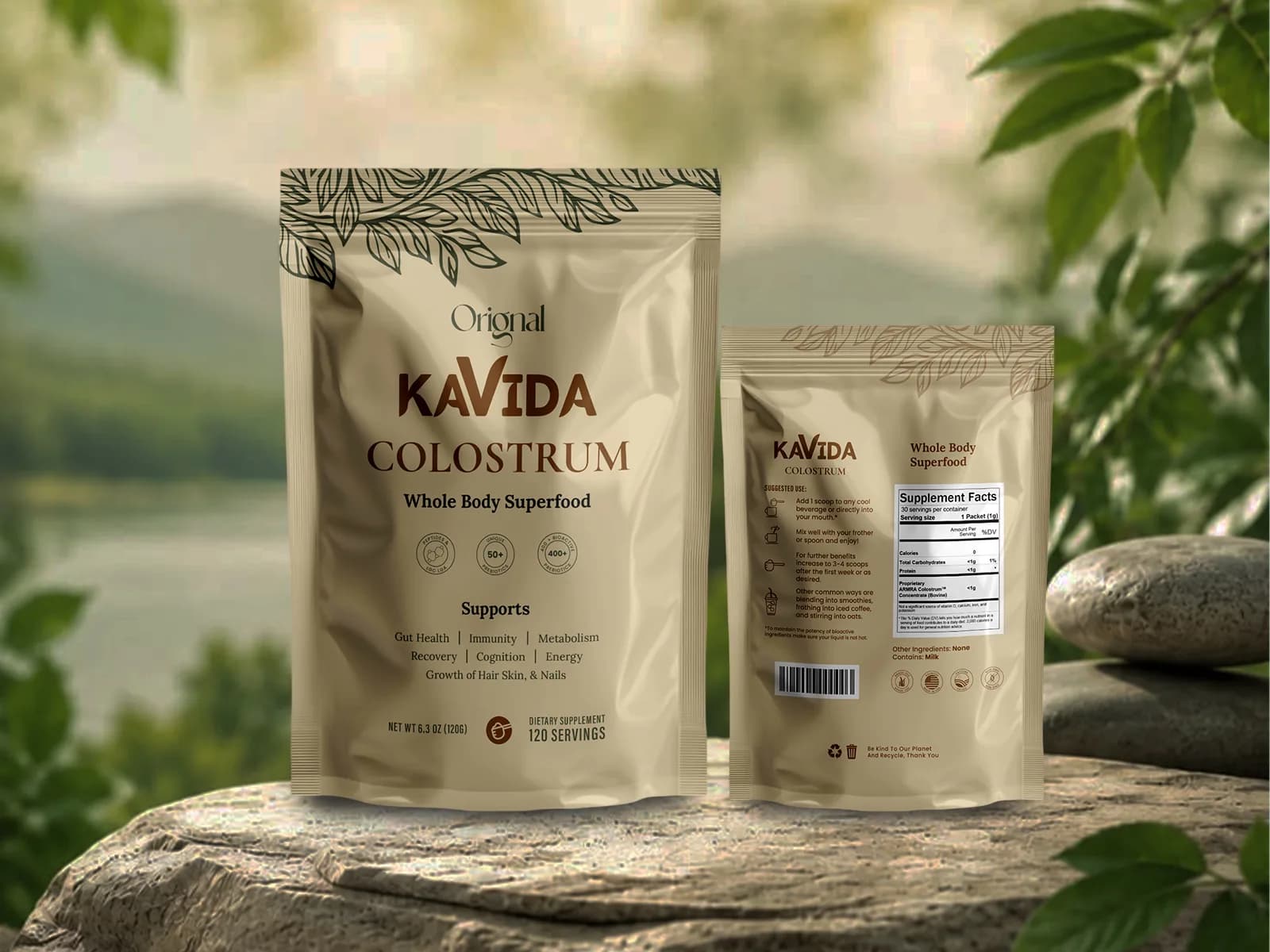
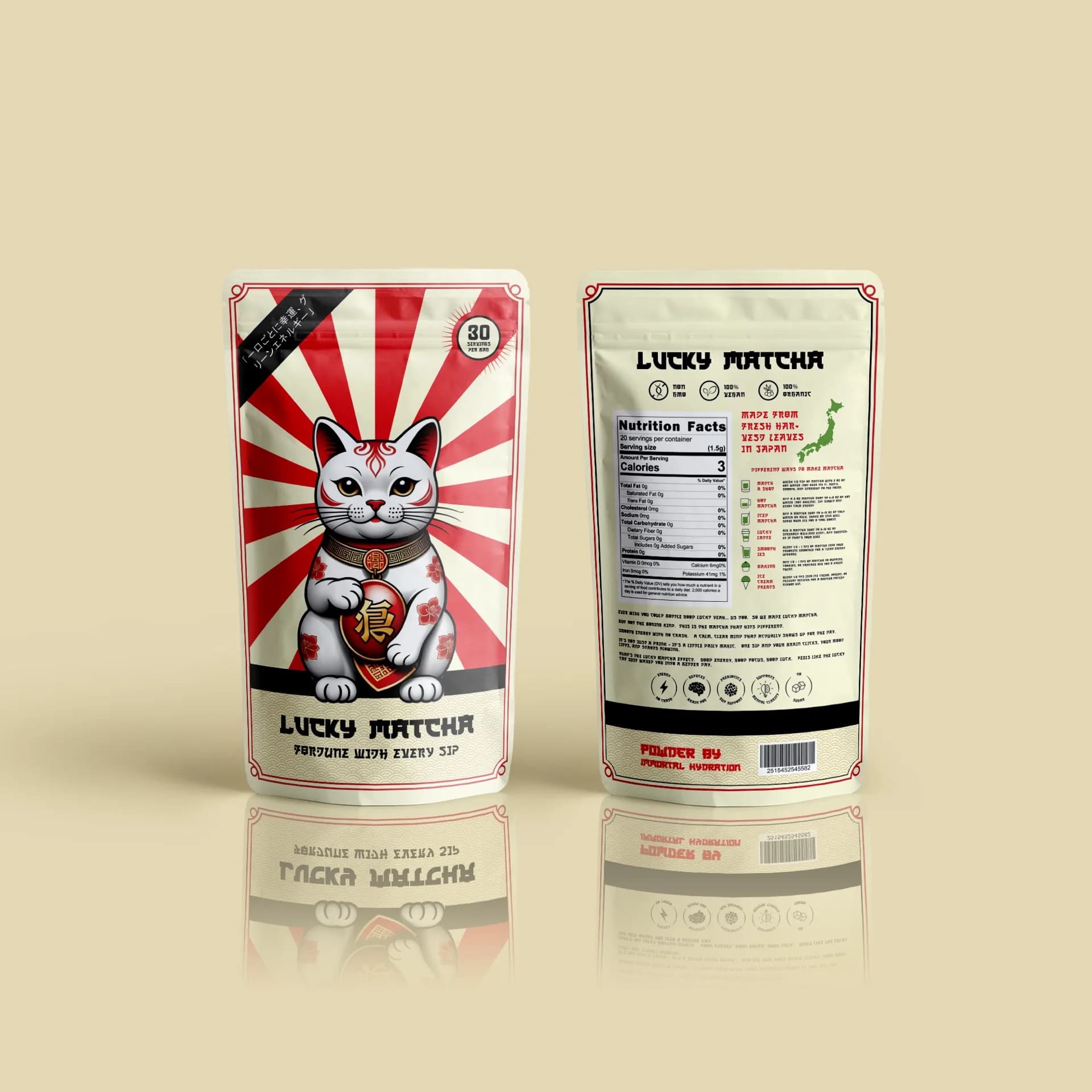
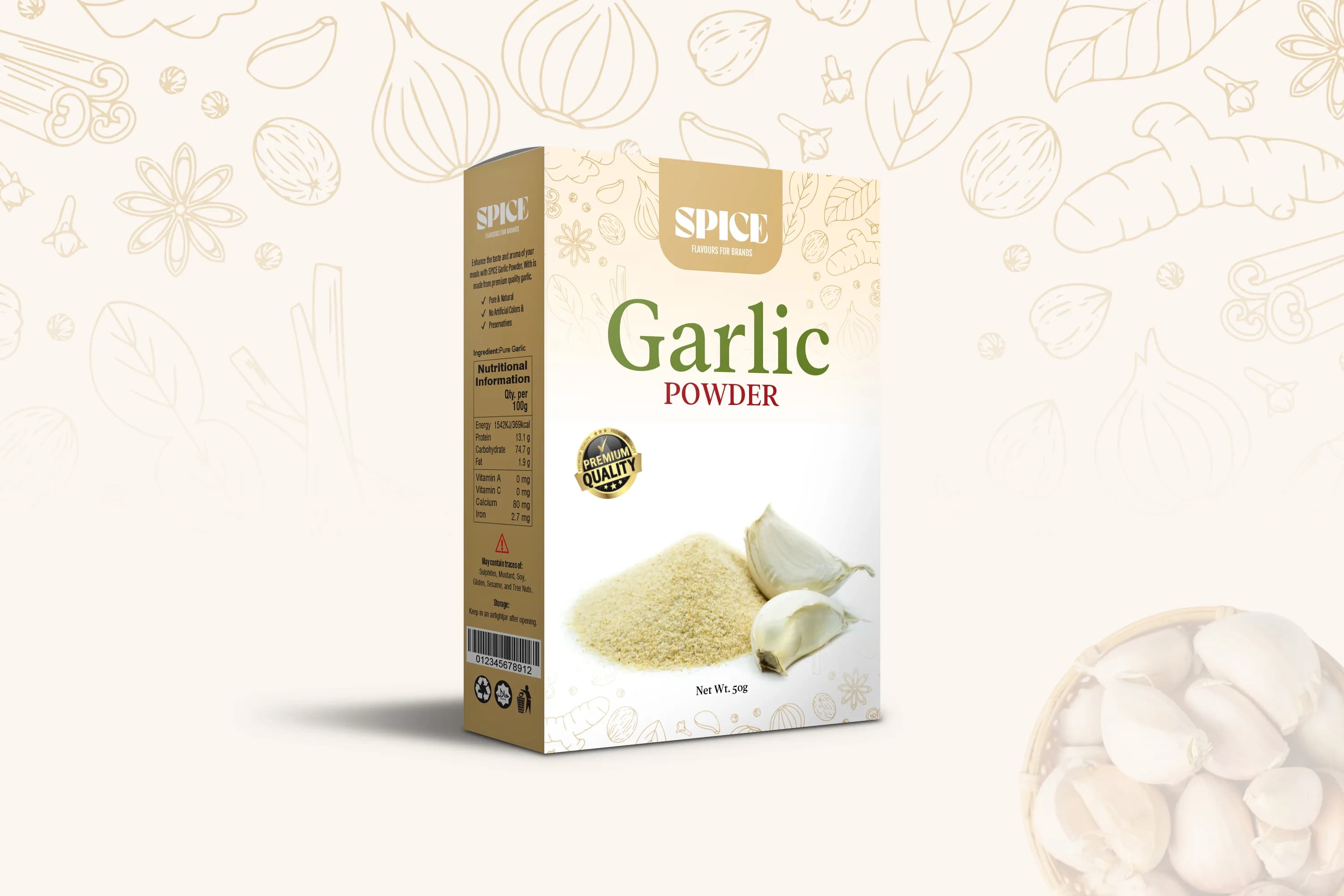
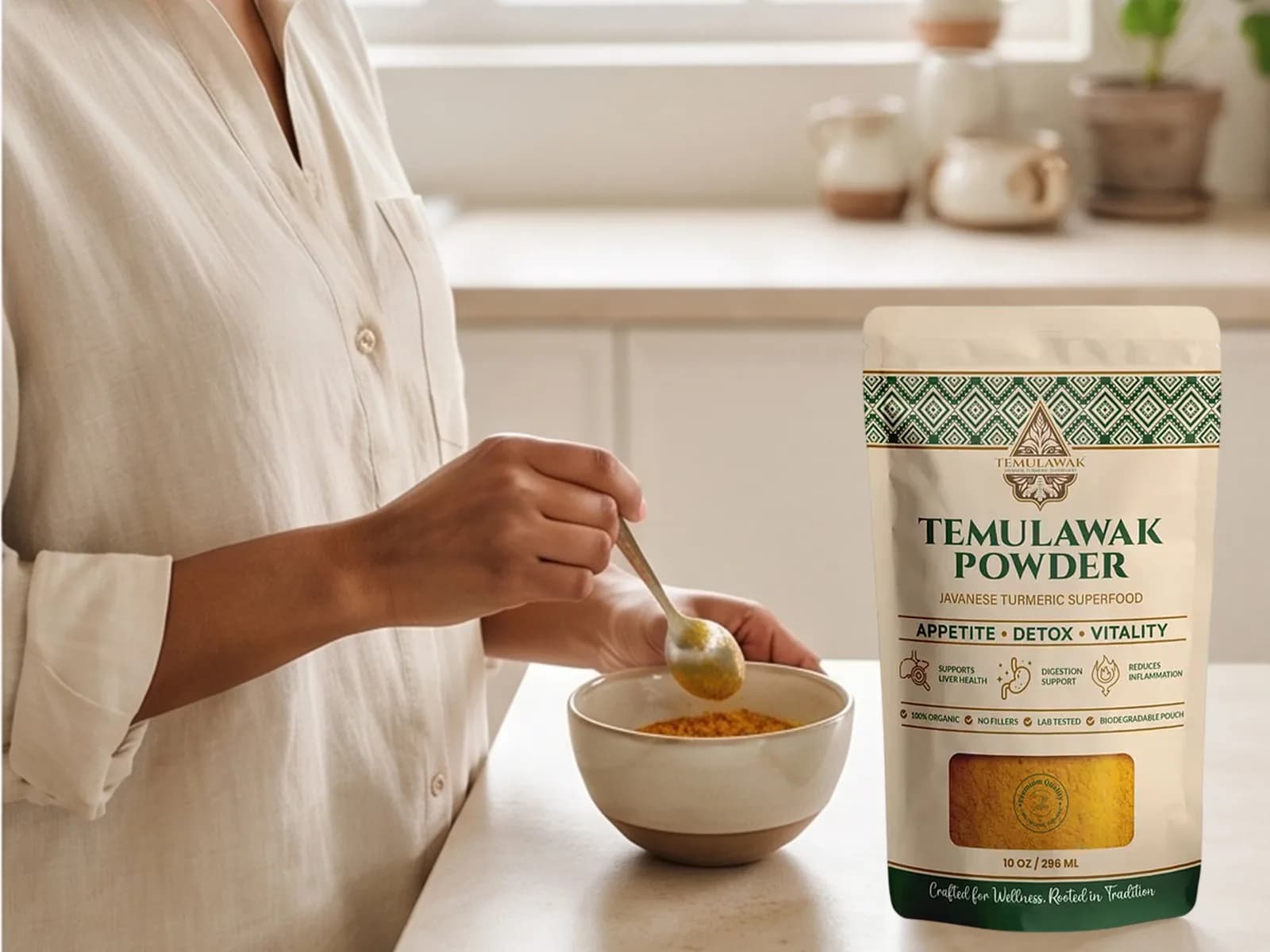

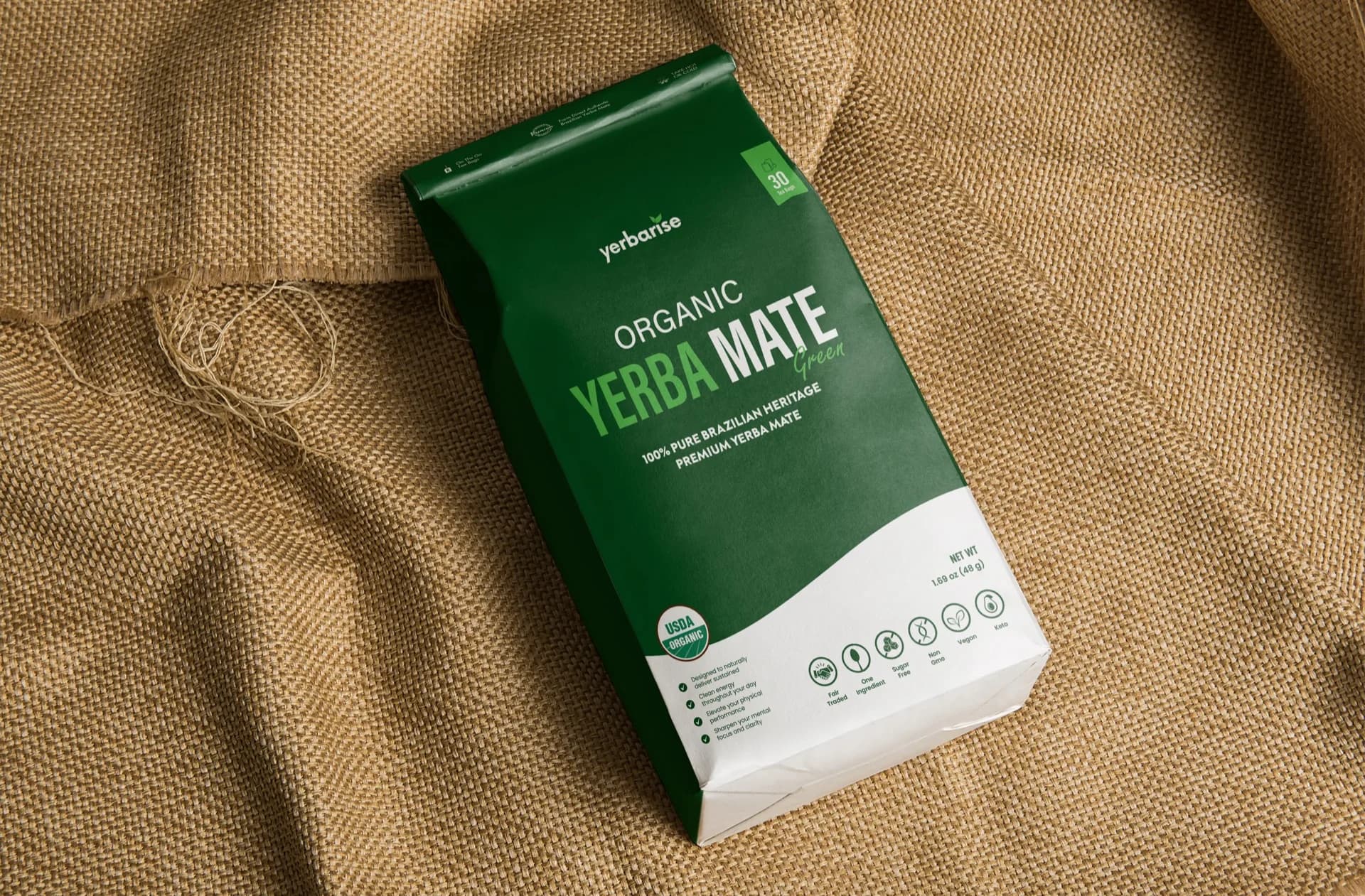
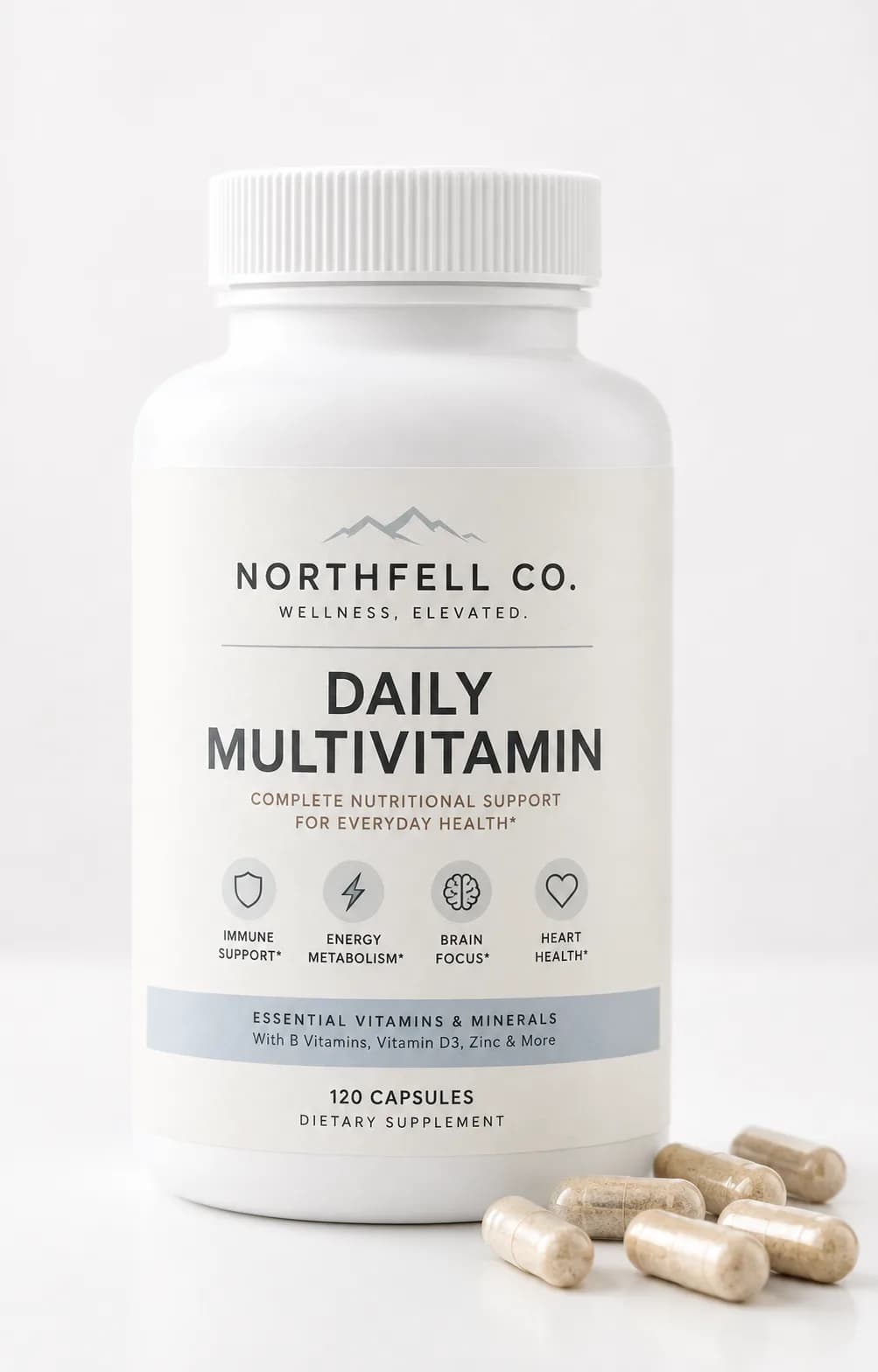
We're always-on to deliver the
packaging you want, when you need it
Print-ready carton and box artwork
Tin wrap and label artwork
Individual sachet artwork
3D product mockups
CMYK and Pantone colour files
Tea Packaging Design: The Complete Guide
A complete reference for brand managers, designers, and marketers making packaging decisions.
The Category
Why tea packaging is different from other food packs
Tea is light, dry and keeps for a long time, but it's more delicate than it looks. Aroma fades, leaves absorb smells from their surroundings, and damp ruins flavour. The pack's first job is protection. Its second is making a few grams of dried leaf feel worth the price.
Tea also covers a huge price range. The same person might buy a supermarket box of teabags and a small tin of single-estate oolong in the same week. Your packaging has to show where you sit in that range at a glance.
Freshness is part of the brief
The challengeLight, air, moisture and strong odours all degrade tea. A lovely paper bag with no barrier can look great on launch day and taste flat a few months later.
Our approachWe agree the barrier and closure with your packer first, whether that's a foil-lined pouch, a sealed inner bag or an airtight tin, and then design around it.
Telling blends apart
The challengeTea ranges can run to dozens of blends. If they all look alike, customers can't find their favourite and staff restock the wrong slot.
Our approachThe brand stays constant while each blend gets a clear name and one coding device, such as a colour, an illustration or a pattern, that's easy to tell apart from a distance.
Design Decisions
Formats, materials and labelling for tea
Format follows the product. Loose leaf, pyramid bags, standard teabags and matcha powder all have different needs, and many brands end up using two or three formats across one range.
- Tins and caddies. Protective and reusable. Customers keep them, so your brand stays in their kitchen long after the tea is gone. They cost more per unit, and some teas still need an inner bag.
- Cartons. The usual home for teabags. Wrapping each bag individually protects aroma better and suits hospitality and gift selections.
- Pouches. Resealable foil-lined pouches are practical for loose leaf and refills. A window shows the leaf but also lets light in, so keep it small or use it only for teas that cope with it.
- Envelopes and sachets. Single-serve wraps for hotels, sampling and mixed boxes. Space is tiny, so decide what each one must carry and what can live on the outer box.
- Brewing guidance. Water temperature, steeping time and quantity. Tea drinkers really do use these, and wrong advice spoils the cup. Simple icons with short text stay readable at small sizes.
Tea is a food, so standard food labelling applies in most markets. That usually means the product name, an ingredients list for blends and flavoured teas, net quantity, a best-before date, storage advice and a business name and address. Allergen rules can apply to flavourings or added ingredients such as nuts. Organic, Fairtrade or Rainforest Alliance marks can only be used if the product is certified, and each scheme sets its own artwork rules. Requirements differ between countries, so confirm the final copy with your local food authority before printing.
Origin is one of tea's strongest selling points: estate, region, harvest, grade. Keep it specific and verifiable. If you can't trace a tea back to its region, don't imply that you can.
The Process
How we design a tea range
Most tea projects are really range projects. We plan the system first and the individual blends second.
Product and packing review
We list every blend, format and size, and confirm with your packer which barriers, closures and fill weights they use. That fixes the dielines and the space we have to work with.
Positioning and cues
We look at where your price point sits and which cues signal it in your market: heritage, wellness, craft or everyday value. Then we choose the cues to use and the ones to avoid.
System design
Brand block, blend naming, colour or illustration coding and information layout, shown across at least four or five blends so we can see the system hold up.
Copy and compliance
Ingredients, allergens, certification marks, brewing guides and origin details are written in, then checked against your regulatory sign-off.
Production files
Artwork is prepared for each format's print method, whether that's litho on cartons, printed tinplate or flexo on film, and we review the printer's proofs whenever they're shared.
Costs and Pitfalls
Mistakes, cost drivers and when to choose something else
Choosing looks over barrier
An uncoated paper pack might suit the brand perfectly and still leave the tea stale. Fix the barrier first, then make it beautiful.
Stock tea imagery
Generic mountains, teacups and curls of steam say "tea" and nothing else. Use something specific to your blends, your origin or your story.
Blend names nobody can read
Script fonts and tone-on-tone colours look elegant up close and vanish from a metre away. Check every blend name at shelf distance.
No room for new blends
Ranges grow. If the system can't take a new seasonal blend without a redesign, it starts to fragment as soon as you expand.
What you spend depends mostly on format and finish. Here is what pushes the cost up or down:
- Format. Tins usually cost more per unit than cartons or pouches, and custom tin shapes need their own tooling.
- Inner packaging. Foil liners, individual wraps and inner bags add materials and packing time.
- Number of blends. More blends mean more artwork to prepare and proof, and often more print plates.
- Decoration. Embossed tins, foil on cartons and special inks all raise the print cost.
- Certification. Organic or ethical certification is paid for separately from design, but its marks need to be planned into the layout from the start.
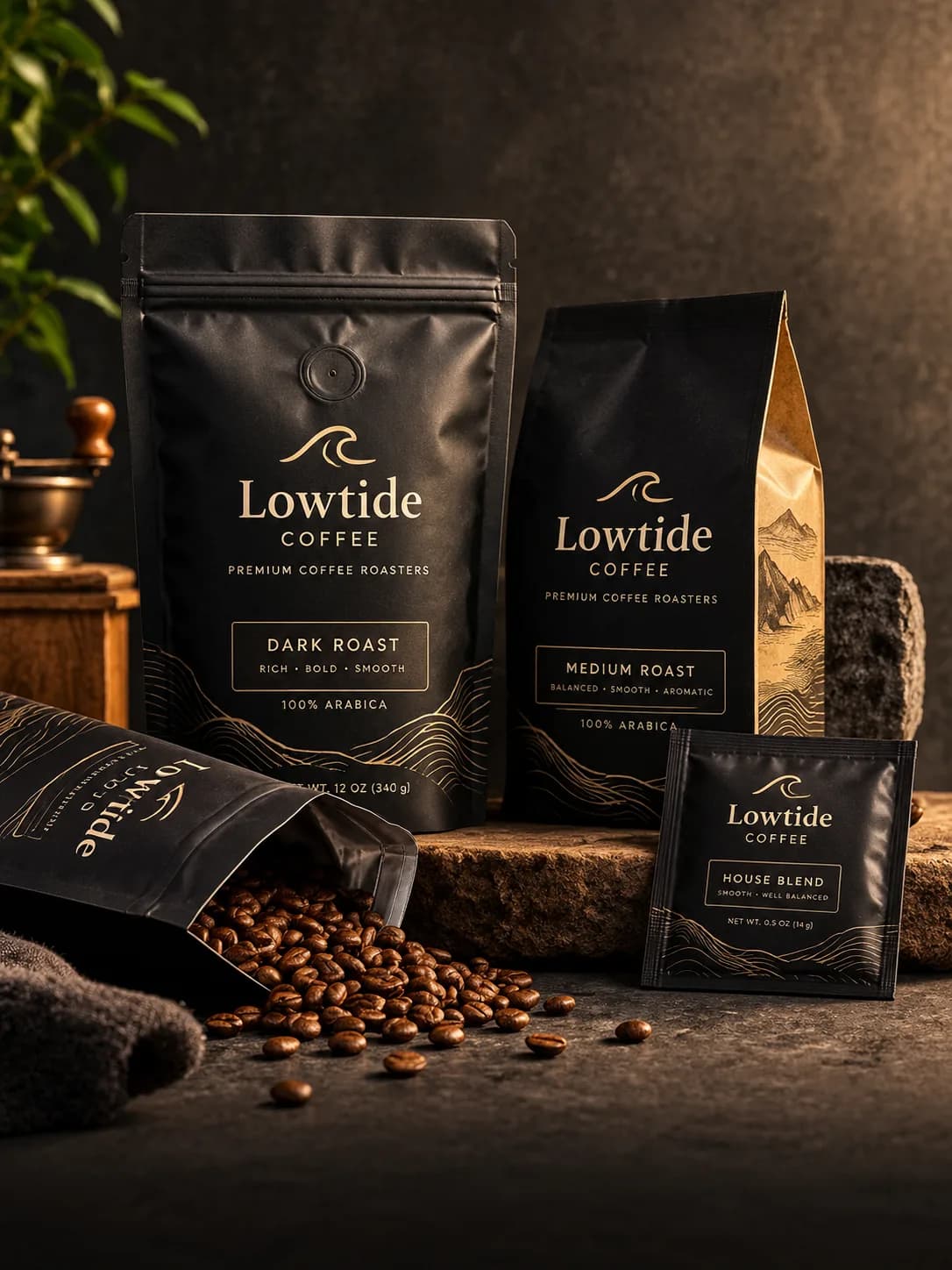
Tea packaging overlaps with a few other services. If your range also includes coffee, one shared coffee and tea system can save work and keep the brand consistent. If you're launching a single blend in a pouch, a focused pouch project may be all you need. And if your teas are certified organic, an organic packaging project puts those certification requirements at the centre of the design.
Got Any Questions?


Your packaging deserves
better than “good enough.”
Book a free 15-minute call and we'll scope your packaging together — or send us a message to get started.