
Service
Pouch Packaging Design
The format. The finish. The file your converter needs.
You already know you want a pouch. This page is about getting the details right: which pouch format suits your product, which closure keeps it fresh, and how to get artwork onto your converter's dieline without surprises at proof stage.
Quick Answer
Pouch packaging design produces print-ready flexible packaging artwork for stand-up, flat, and spouted pouches — with food-grade specifications, barrier layer considerations, and technically correct bleeds for accurate press reproduction.
What's Included
Everything delivered, as standard
Every Pouch Packaging Design project includes these deliverables — no extras, no upsells, no surprises.
Packaging expertise across
7 product categories
Coffee & Tea
Snacks & Nuts
Supplements
Pet Food
Baby Food
Frozen Food
CBD & Hemp
Pouch Packaging Design
The format. The finish. The file your converter needs.
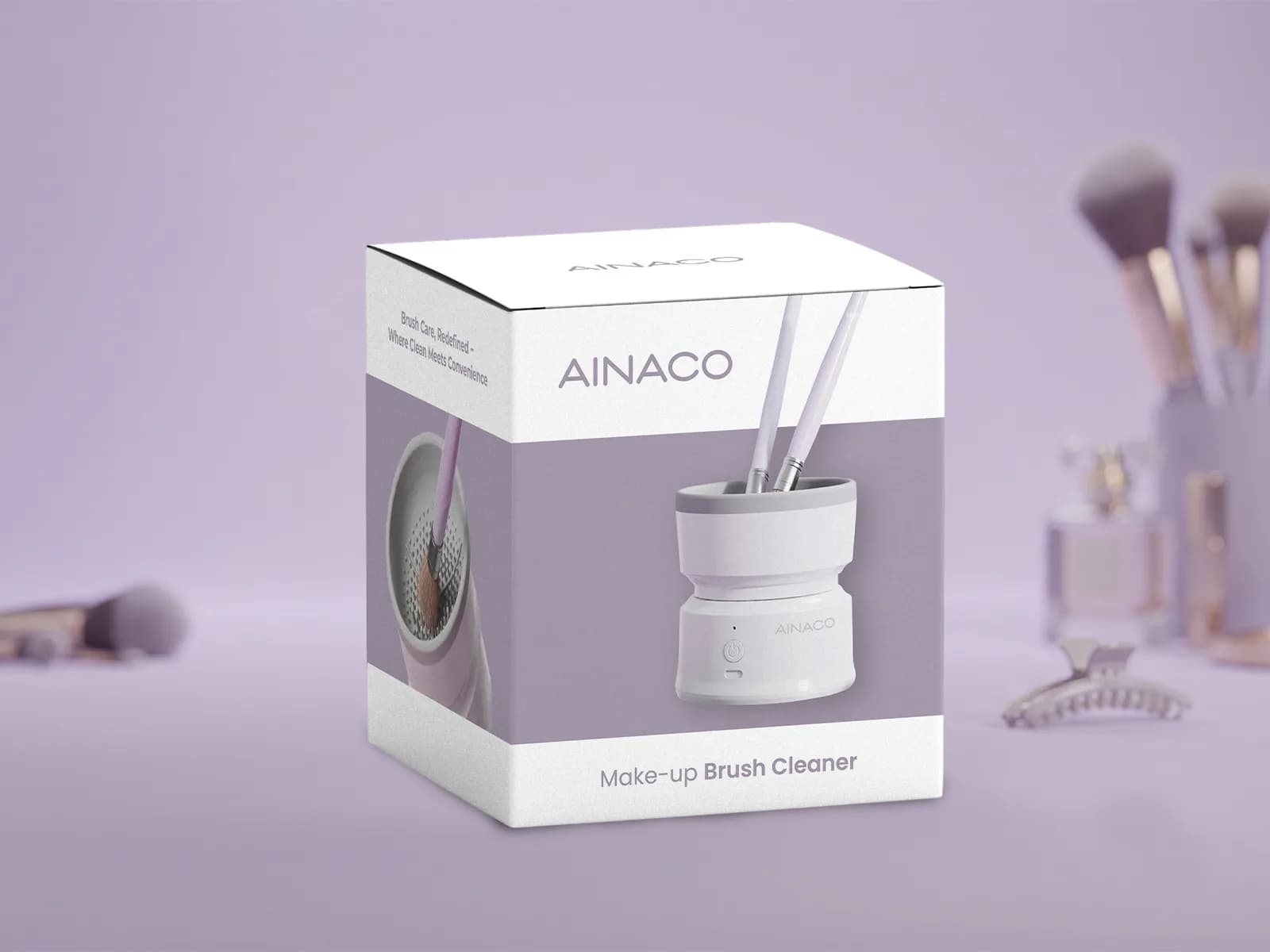
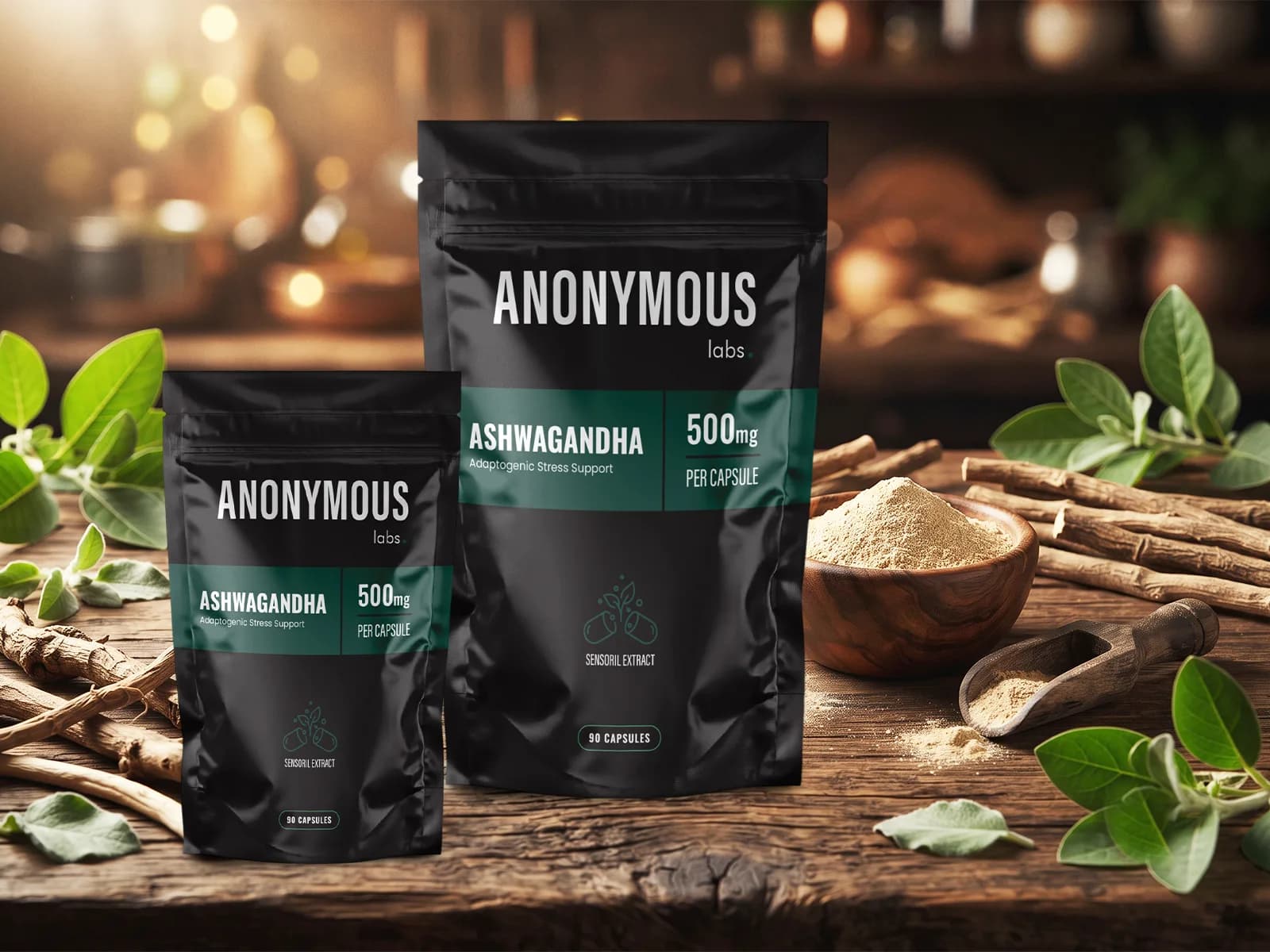
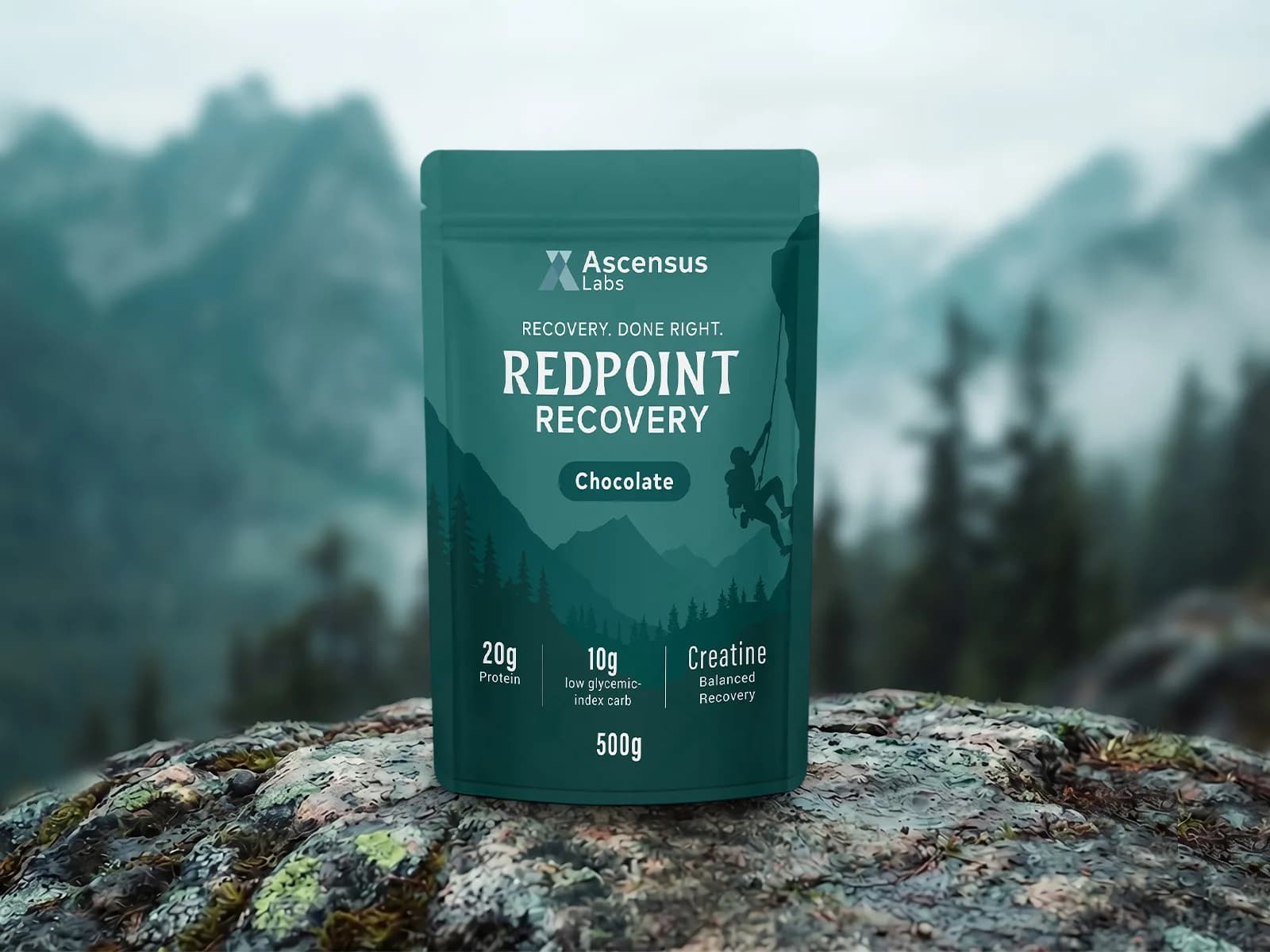
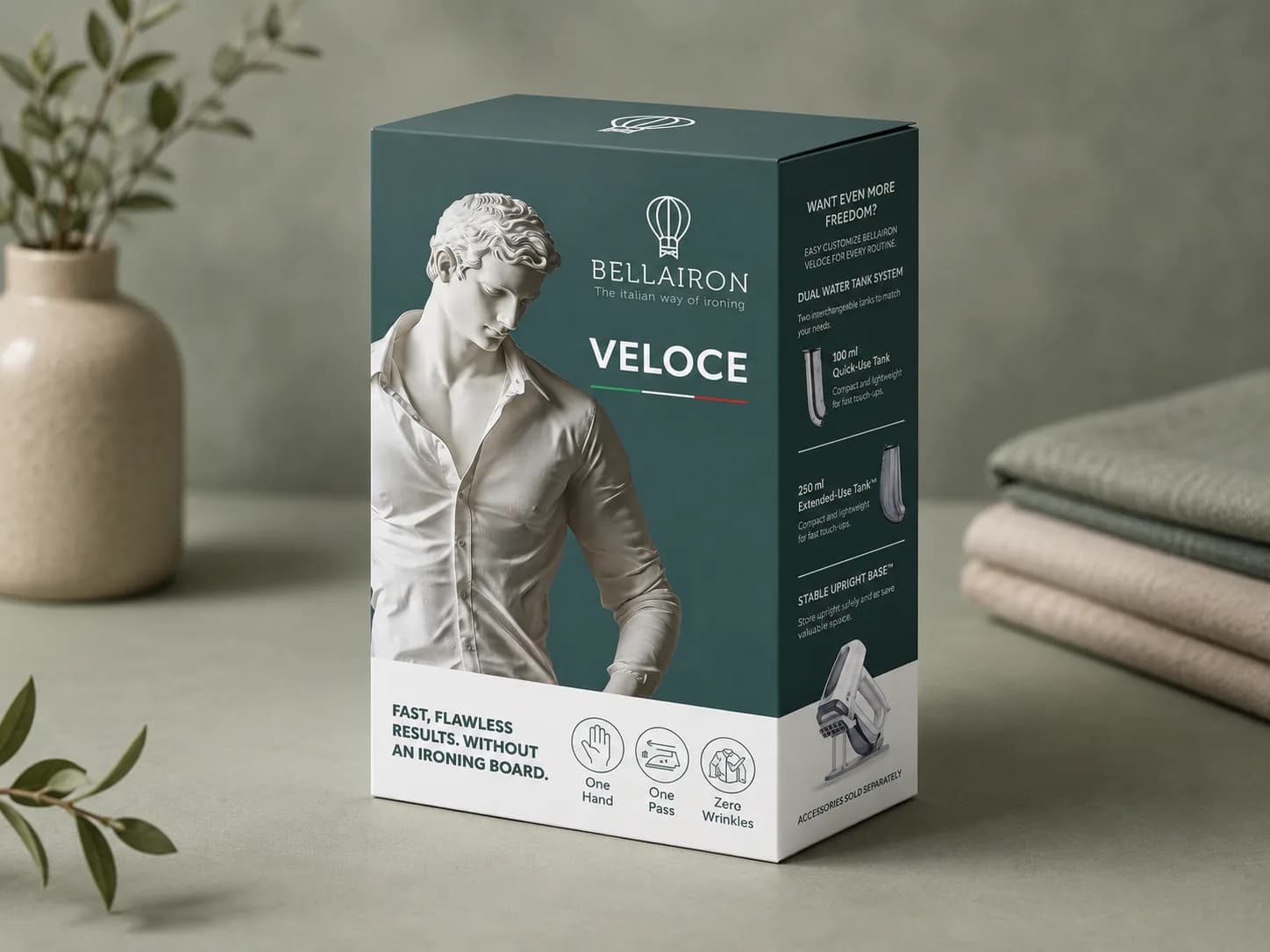
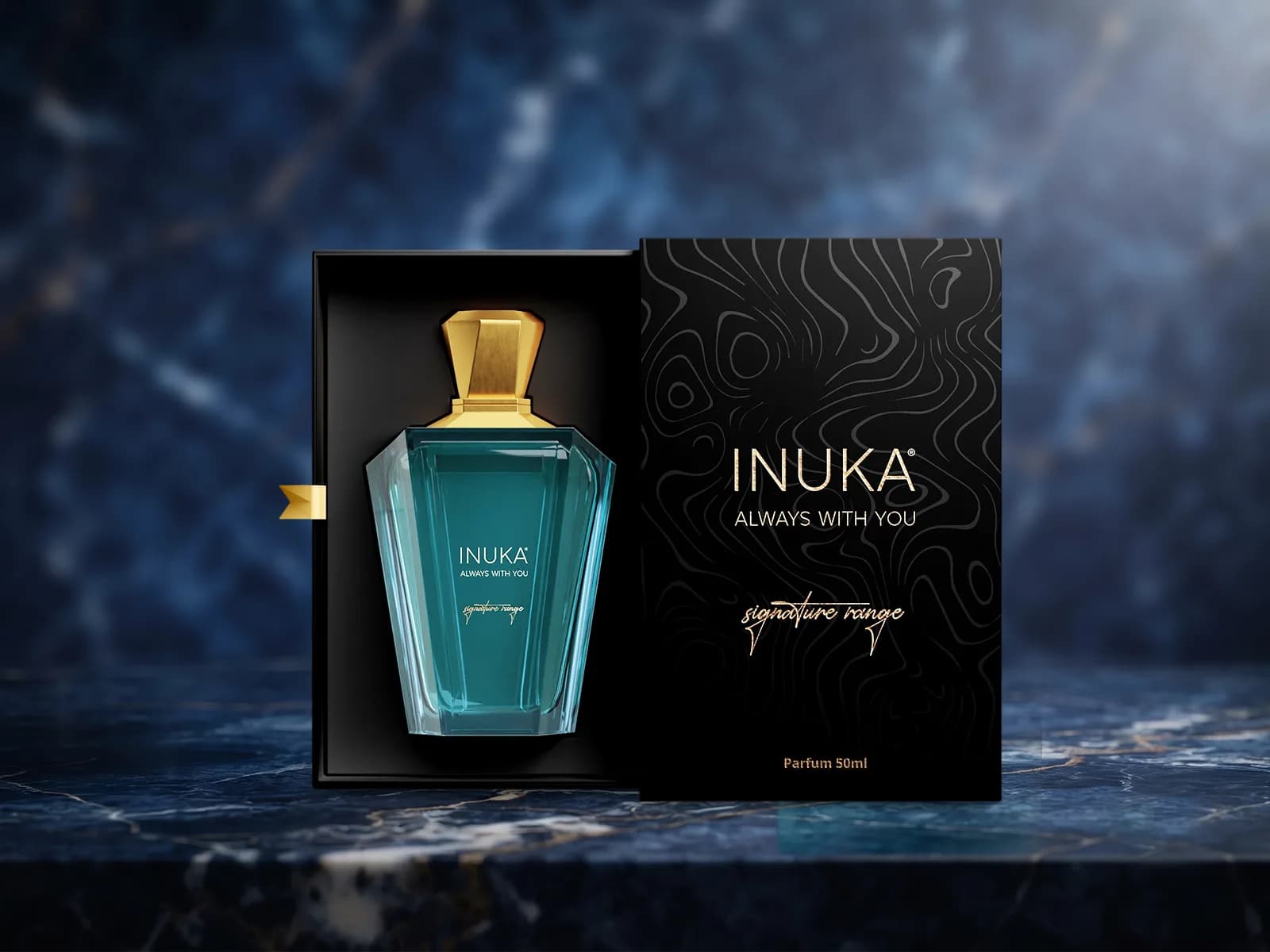
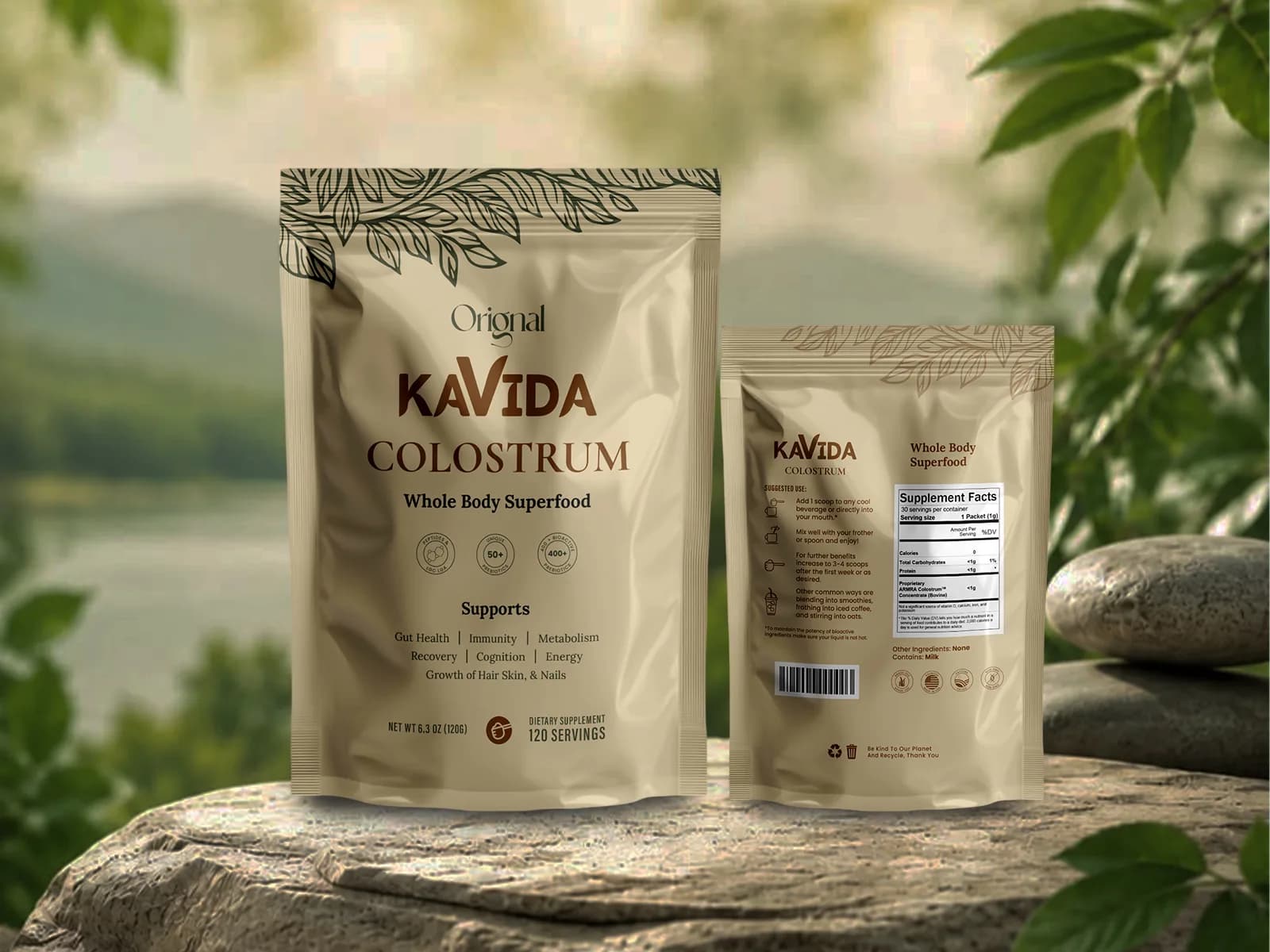
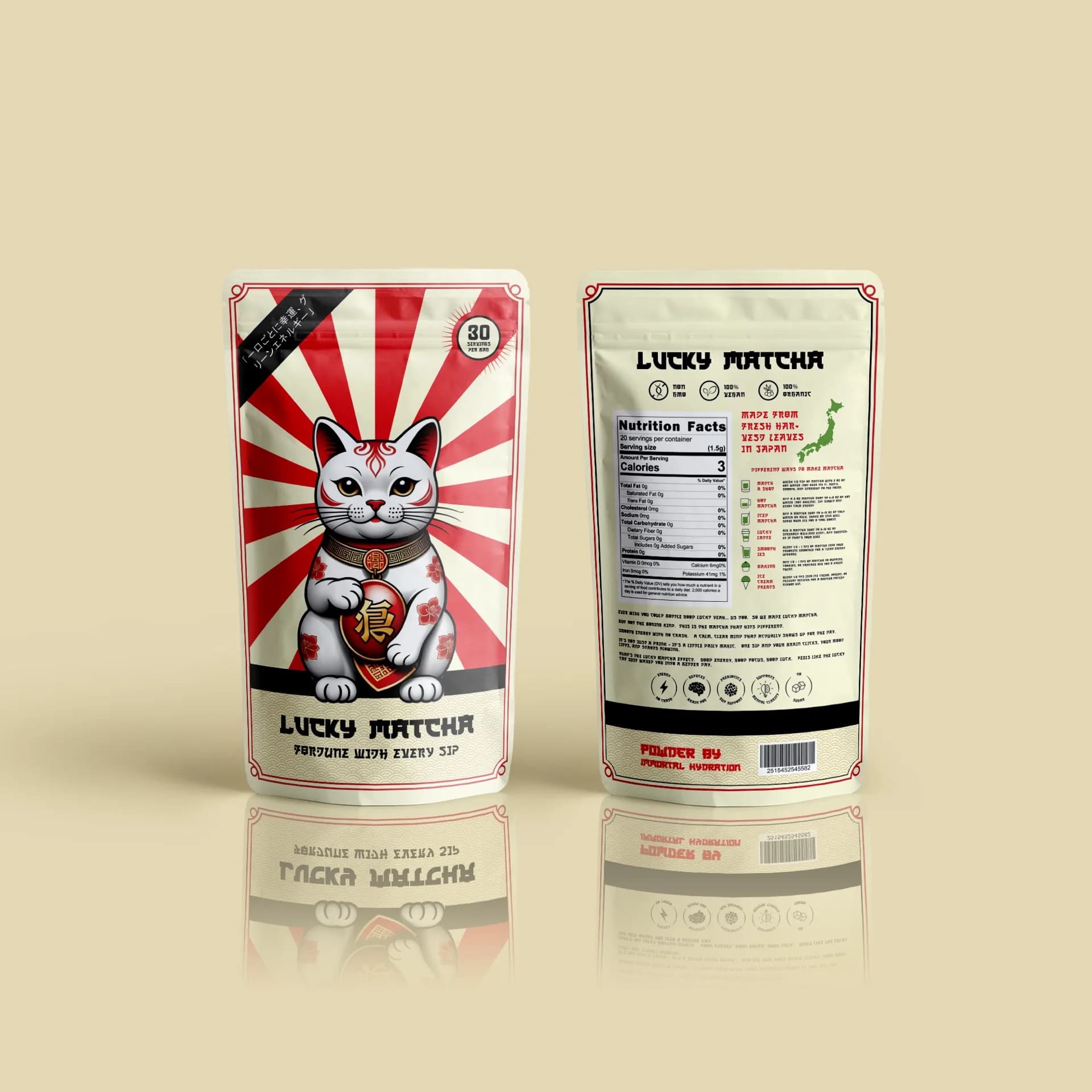
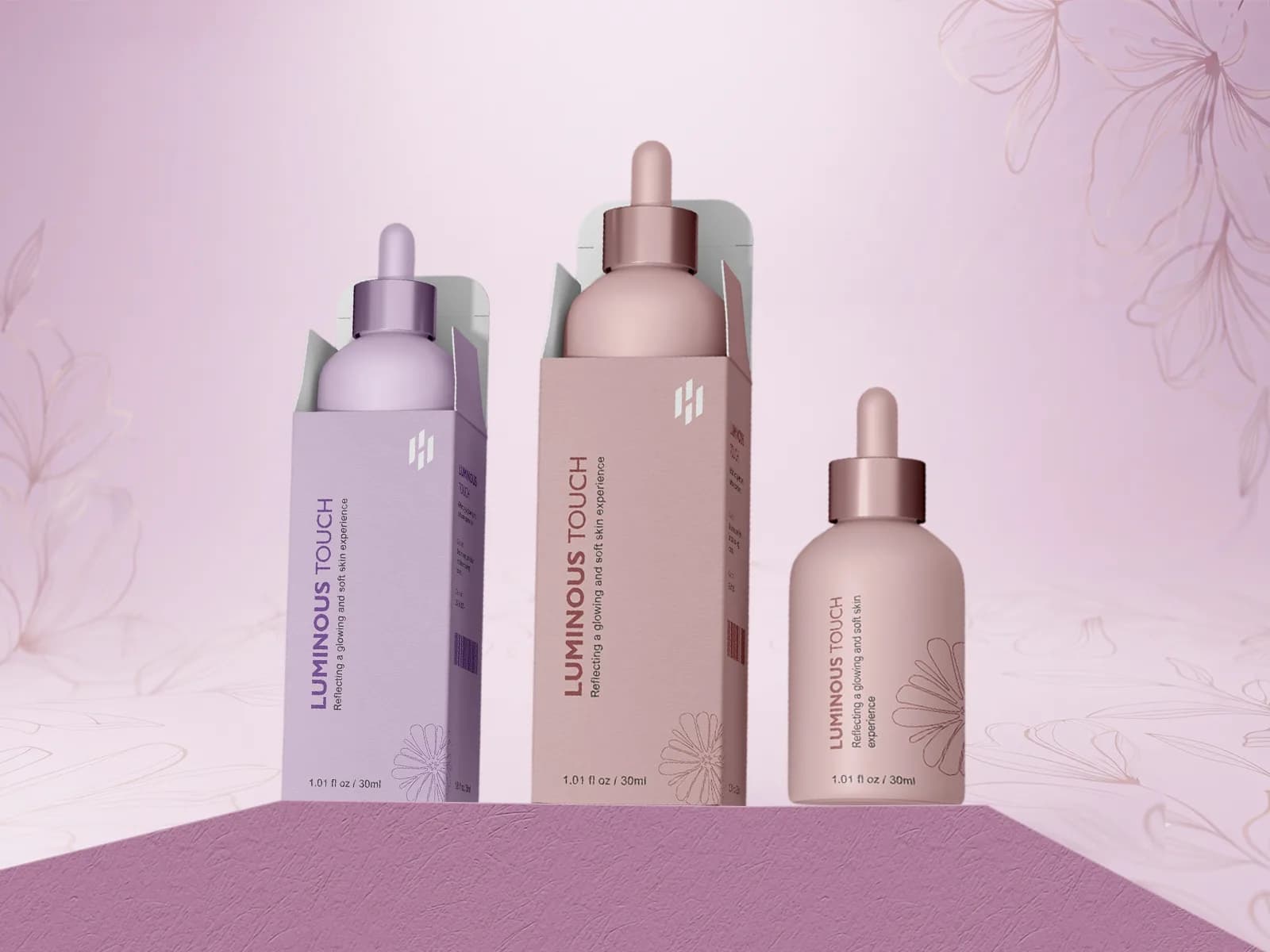
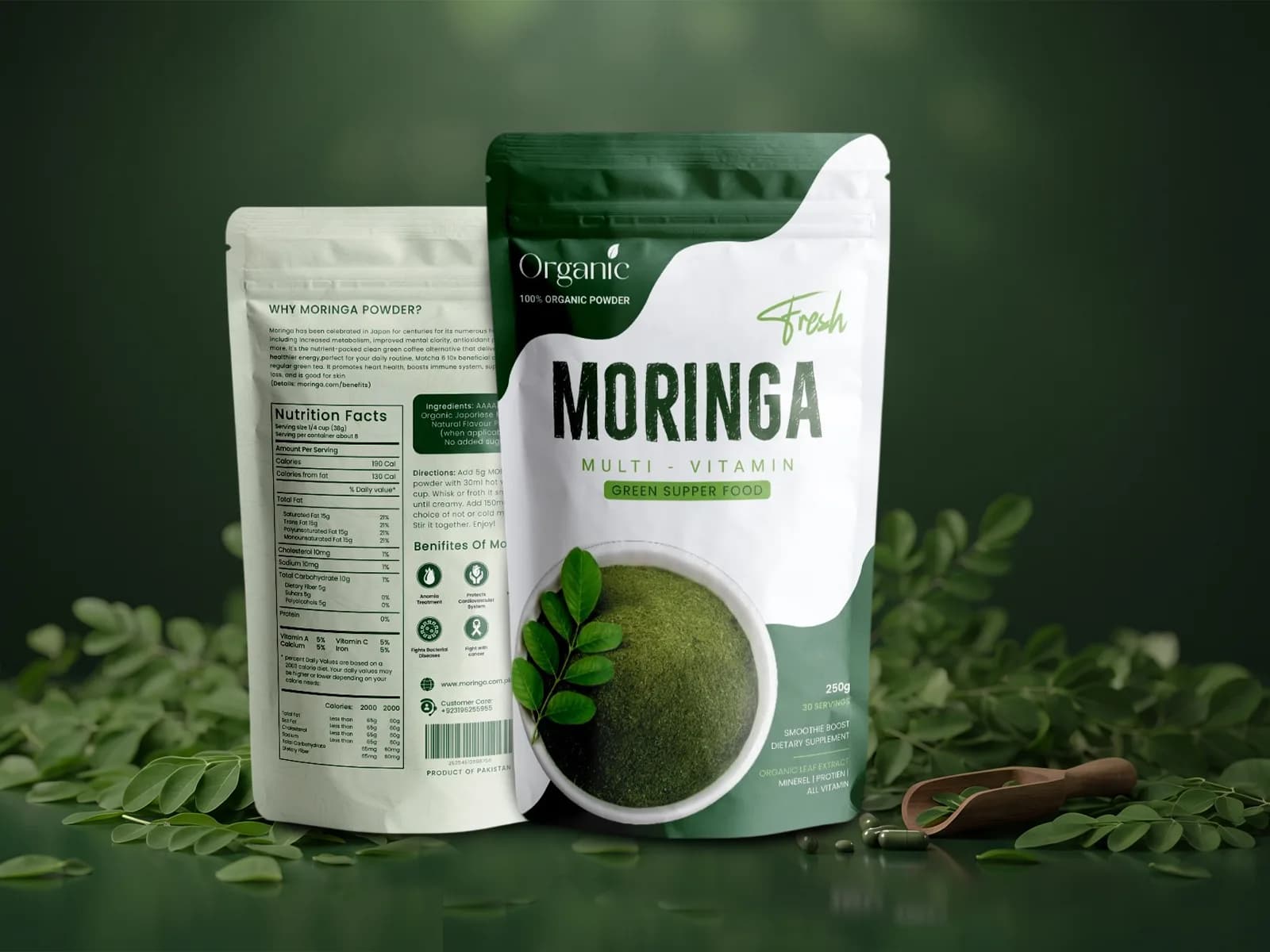
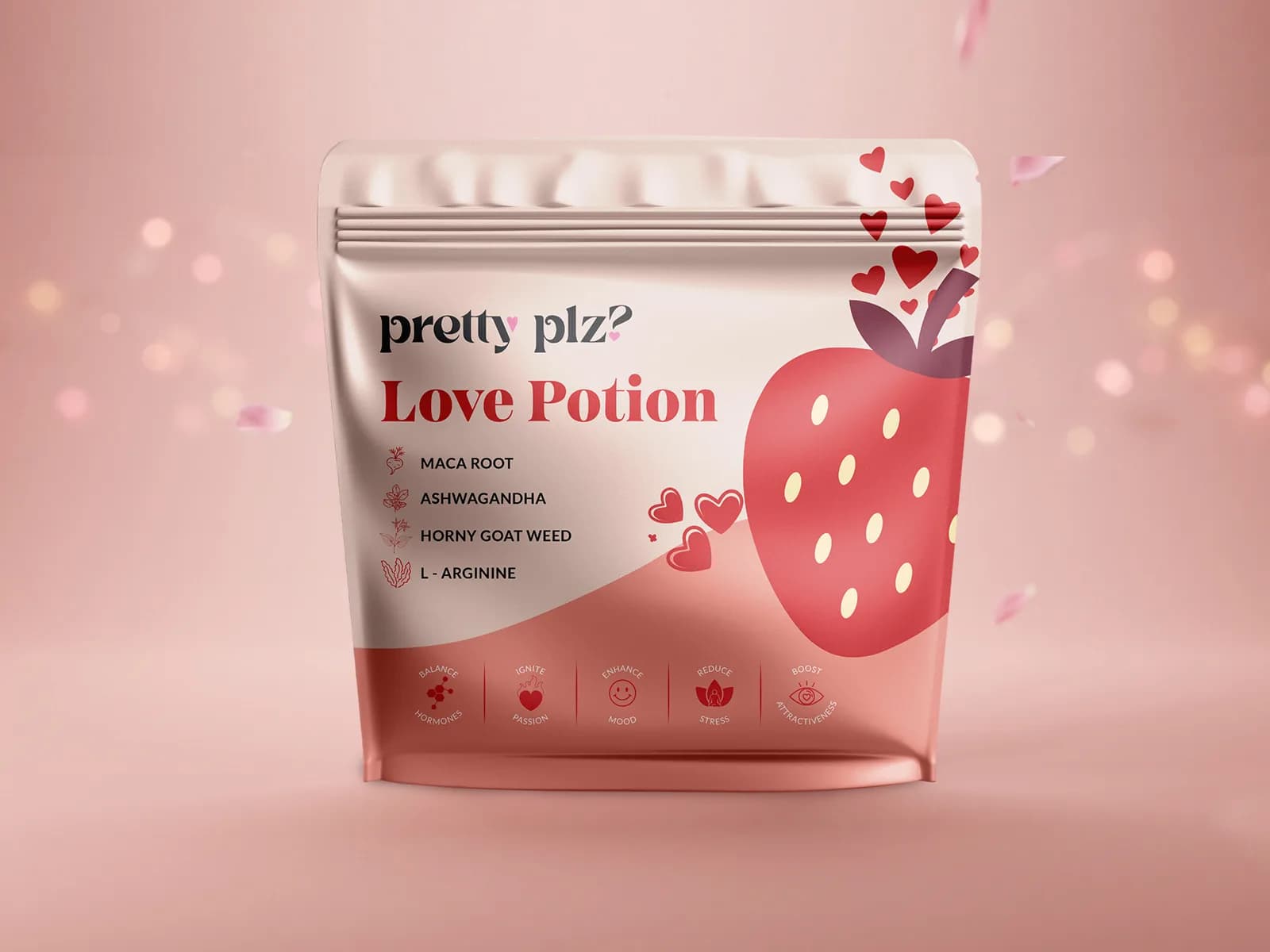
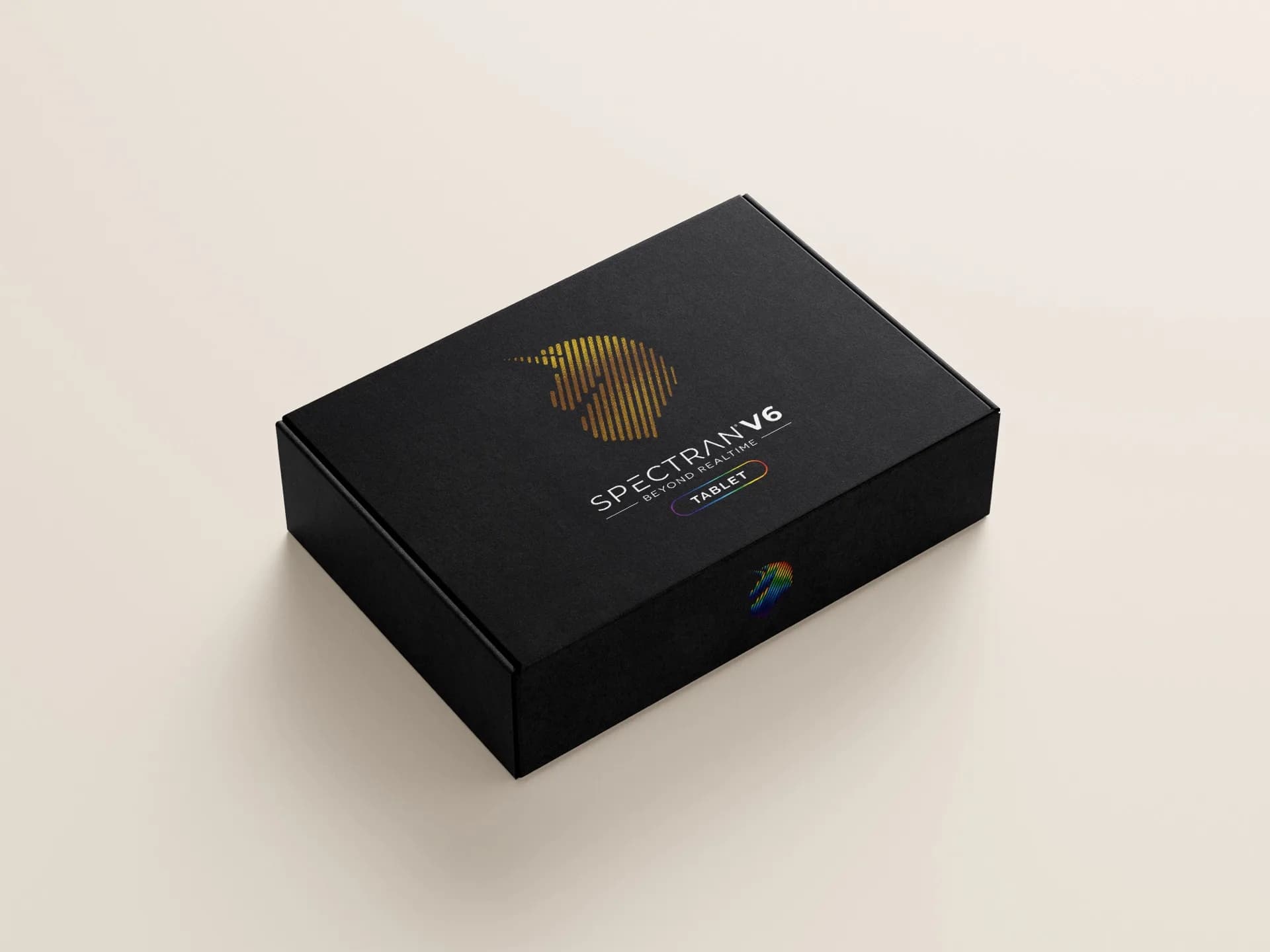
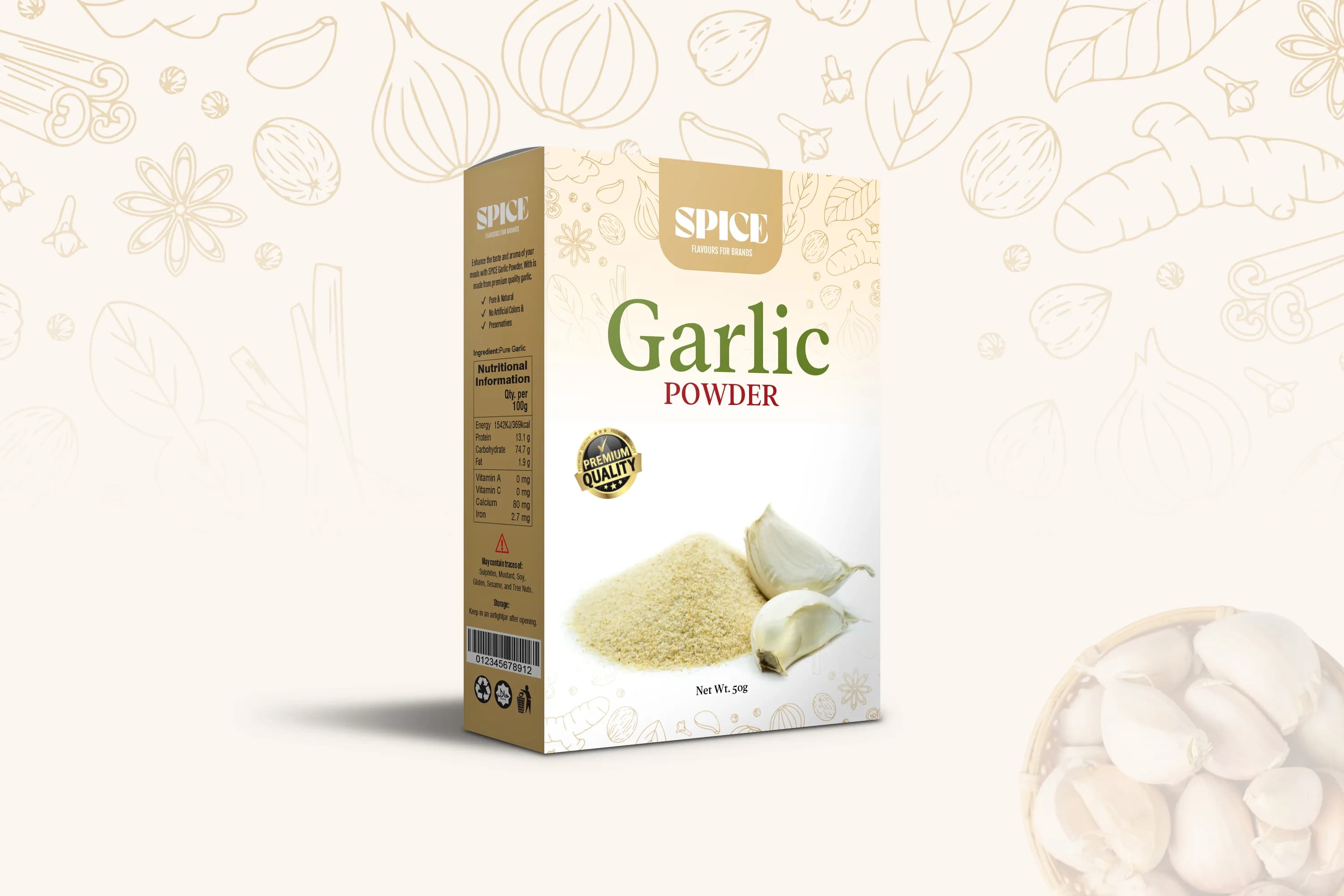
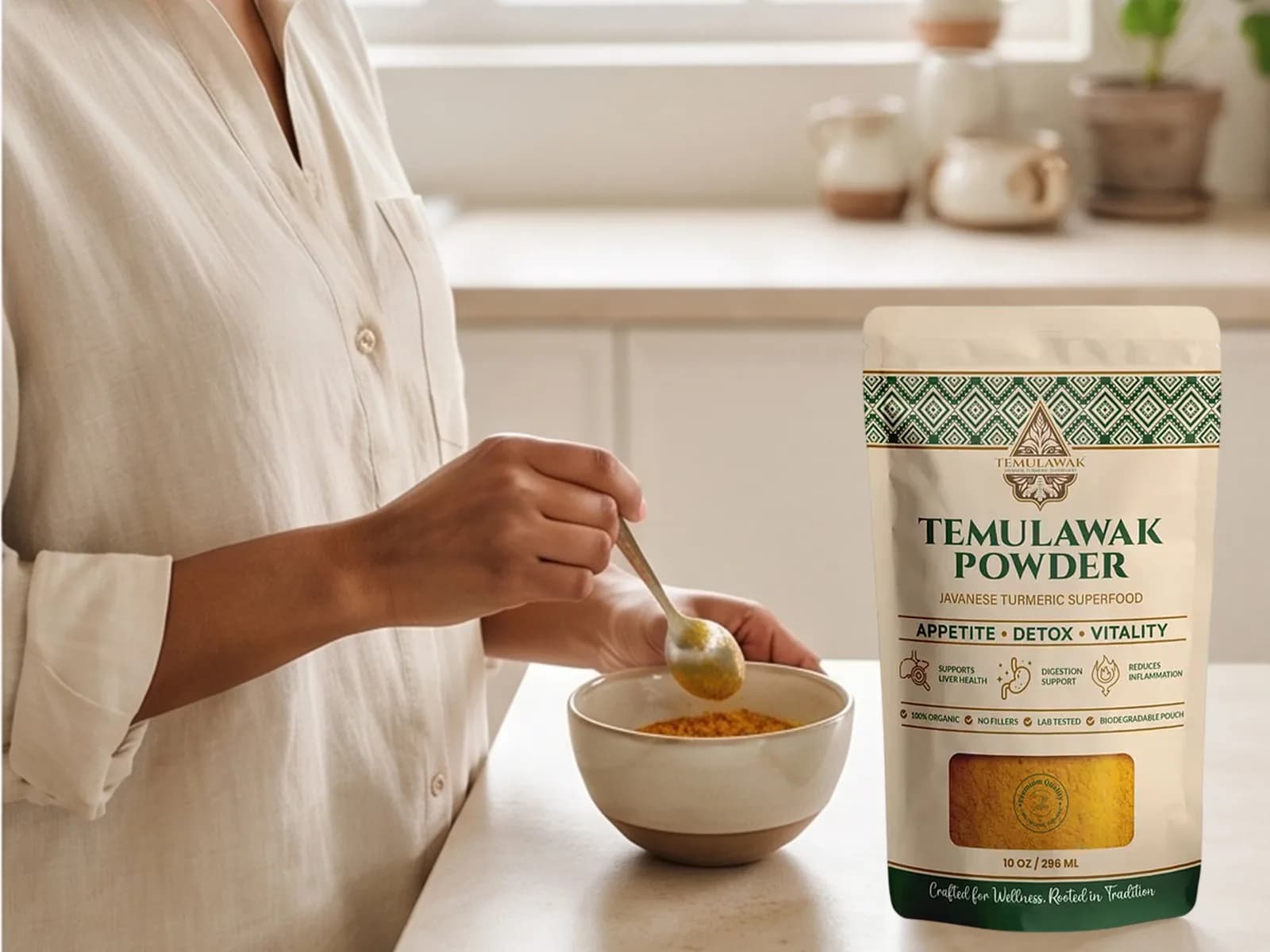
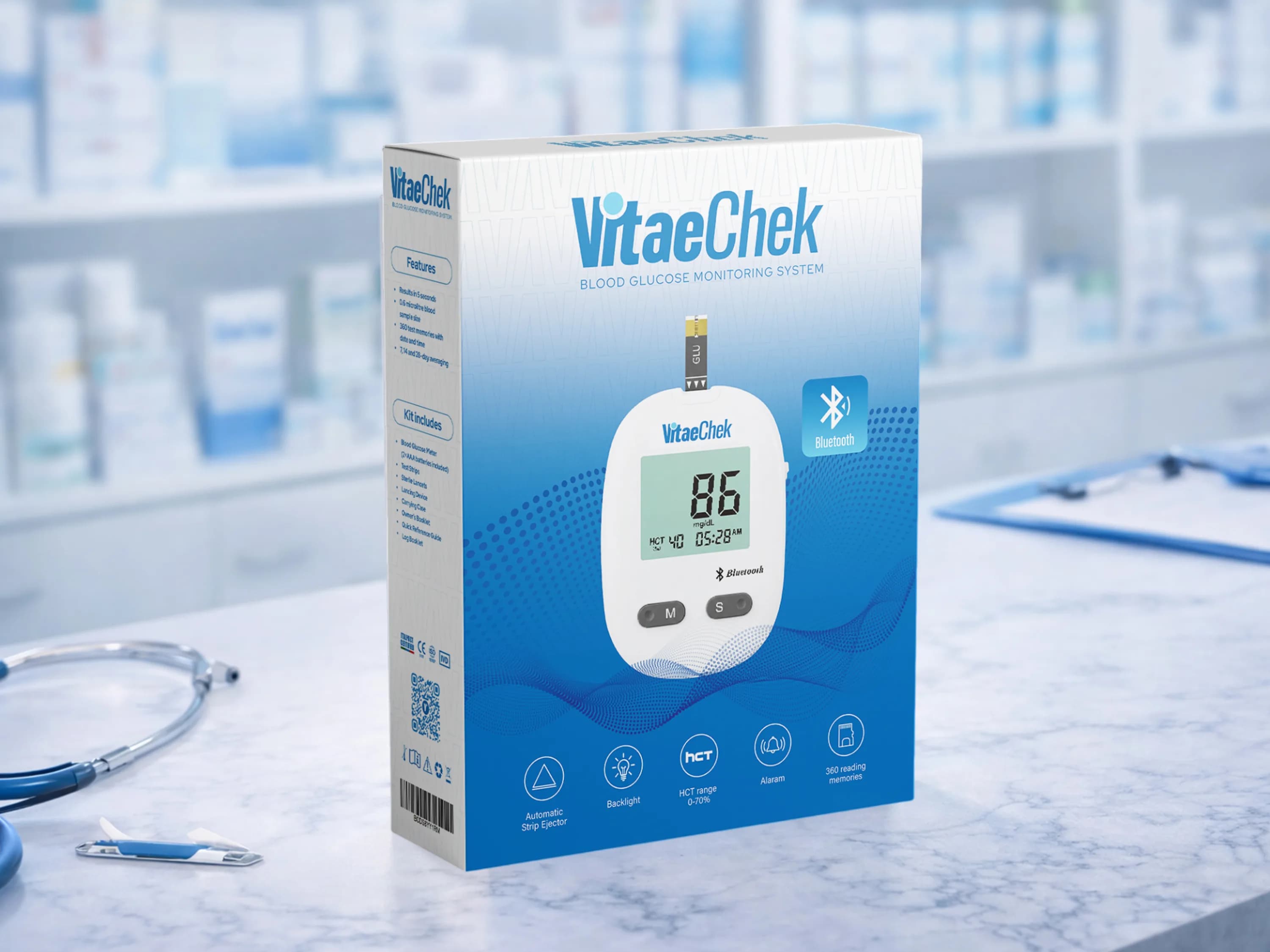
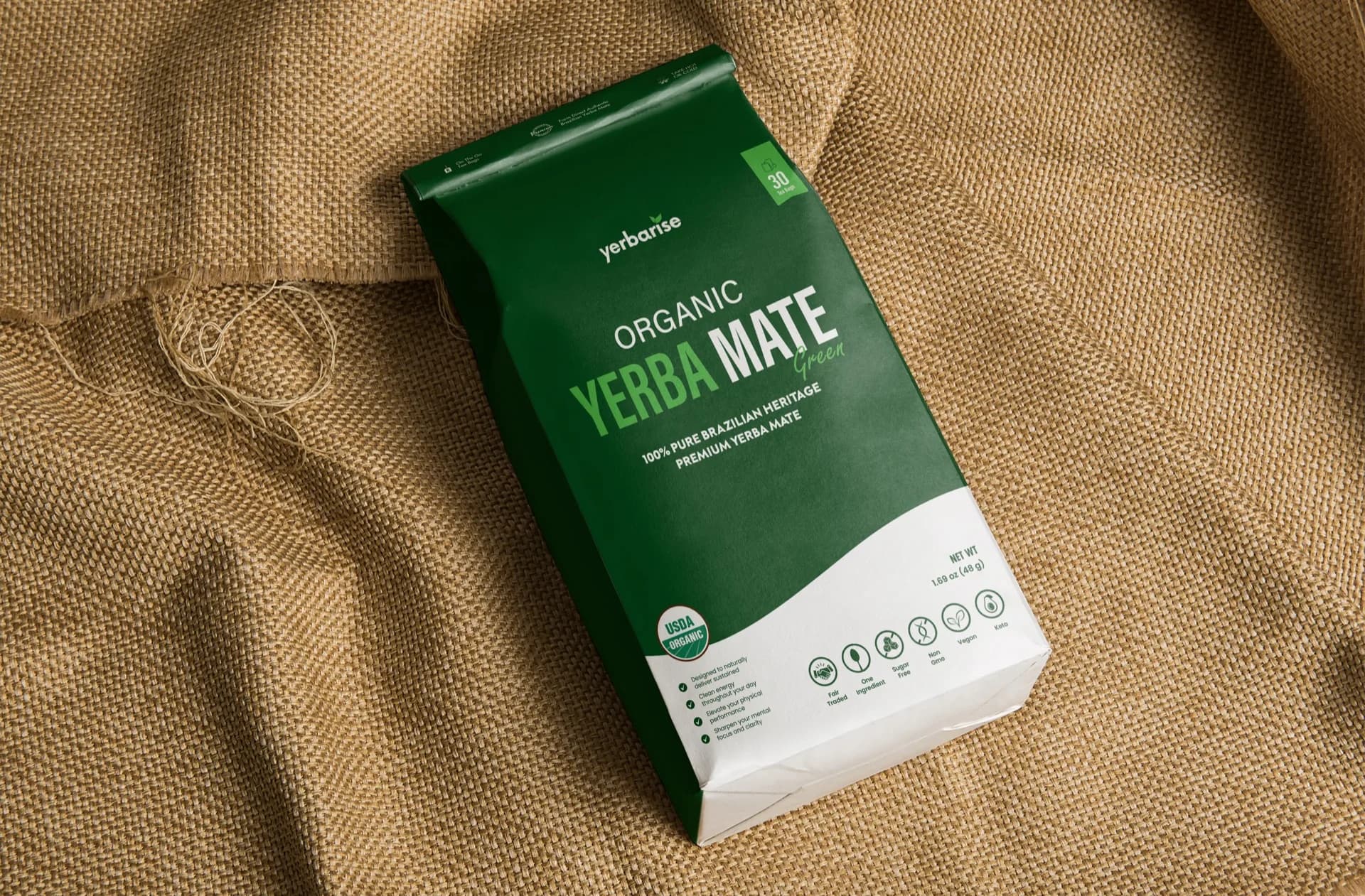
We're always-on to deliver the
packaging you want, when you need it
Print-ready pouch artwork (AI, PDF)
Pouch dieline with bleed and safe zones
Nutrition facts and ingredient panel artwork
3D filled-pouch renders (front, back, angled)
Flexo/digital print specification sheet
Pouch Packaging Design: The Complete Guide
A complete reference for brand managers, designers, and marketers making packaging decisions.
Pouch Packaging Design: An In-Depth Guide
Stand-up pouches have become the default packaging format for food, supplements, pet food, and dozens of other categories. Their rise is driven by three advantages: efficient use of retail shelf space, excellent barrier properties for product protection, and large printable surface area for branding. But not all pouches are equal — format, material, and finish decisions significantly affect both consumer perception and production economics.
Pouch Formats
Stand-up pouch (SUP / doypack): The most common format. A formed bottom gusset allows the bag to stand independently. Front and back panels are large and flat — ideal for branding. Available with zipper, tin-tie, spout, or press-to-close closure. Used for coffee, snacks, pet food, supplements, and dry foods.
Flat-bottom bag (quad-seal): A rectangular bag with four sealed gussets — front, back, left, and right — plus a flat base. Stands extremely stably; has the largest printable area of any pouch format including the base panel. Premium positioning over standard SUP. Higher production cost but stronger shelf presence.
Side-gusset bag: A flat bag with a sealed gusset on each side. Commonly used for commercial coffee, pet food, and bulk products. Cost-effective at high volumes.
Spouted pouch: A SUP or shaped pouch with a resealable spout in the top or side. Used for liquid and semi-liquid products — fruit purée, sauces, baby food, beverages. The spout is a separate component heat-sealed into the film.
Film and Laminate Selection
Matte-laminated BOPP: The dominant premium finish. Creates a soft, tactile surface. Associated with quality positioning. Slightly reduces the vibrancy of printed colours underneath — account for this in colour specification.
Gloss laminate: Standard for commercial food brands. Higher colour vibrancy than matte. Less premium perception but lower cost.
Kraft paper outer: Kraft-effect or real kraft paper outer with BOPP or PET film inner. Strong sustainability and artisan brand signal. Less moisture-resistant than film; specify moisture barrier rating carefully for high-humidity products.
Clear window: A transparent section in the front panel reveals the product inside. Works well for snacks, pasta, and products where the product itself is visually appealing. Requires careful positioning in the dieline so the window does not cut through a critical design element.
Metallised film: A silver or gold reflective finish. Signals premium or heritage. Common in coffee and confectionery. Can be over-printed with colour or left as a raw metallic element.
Print Method Considerations
Flexographic printing: The standard for medium-to-high volume runs (typically 5,000+ units). Plates are required — a setup cost of £300—£800 per colour. Once plates are made, unit costs are low. Fine detail (hairlines below 0.3pt, very small type) can be lost in flexo — design accordingly.
Digital printing: No plate cost — suitable for short runs (500—3,000 units), testing, and limited editions. Unit cost is higher than flexo at volume. Digital can reproduce finer detail than flexo. Some converters offer digital-to-flexo transitions as volume scales.
Rotogravure: The highest-quality flexible packaging print method, but requires very high MOQs (50,000+ units). Used for high-volume consumer brands. Extremely consistent colour over long runs. Not viable for emerging brands.
Design the back panel as seriously as the front. Consumers pick up pouches and flip them — the back panel carries compliance information but can also carry brand story, usage instructions, or social proof that keeps the purchase decision moving forward.
Compliance and Nutrition Panel Placement
Nutrition facts panels, ingredient lists, allergen declarations, and net weight statements have mandatory position rules. In the US, the nutrition panel must be on the principal display panel or immediately adjacent. In the UK and EU, mandatory information must be in a legible field of vision. On a pouch, the back panel is the standard location for most compliance content — but for narrow or small pouches, some compliance information may need to appear on the side gusset or be incorporated into a larger back panel layout.
The minimum font size for ingredient lists is typically 1.2mm x-height (EU/UK) or 1/16 inch (US). Compliance text on a small pouch may need to be condensed using a narrower typeface variant — never below minimum legibility standards.
Got Any Questions?


Your packaging deserves
better than “good enough.”
Book a free 15-minute call and we'll scope your packaging together — or send us a message to get started.