
Service
Chocolate Packaging Design
Packaging as indulgent as the chocolate inside.
Premium chocolate lives and dies by its packaging. A beautifully designed chocolate bar wrapper or gift box signals quality before the first taste. We design chocolate packaging that makes gifting irresistible and shelf presence unmissable.
Quick Answer
Chocolate packaging design creates shelf-ready artwork designed for food labelling rules for bars, boxes, and pouches — covering allergen panels, Fairtrade or certification marks, and print-ready files designed for foil, paper, and board substrates.
What's Included
Everything delivered, as standard
Every Chocolate Packaging Design project includes these deliverables — no extras, no upsells, no surprises.
Packaging expertise across
6 product categories
Craft & Bean-to-Bar Chocolate
Luxury Confectionery
Gift & Seasonal
Supermarket Private Label
Hotel & Hospitality
Wedding Favours
Chocolate Packaging Design
Packaging as indulgent as the chocolate inside.
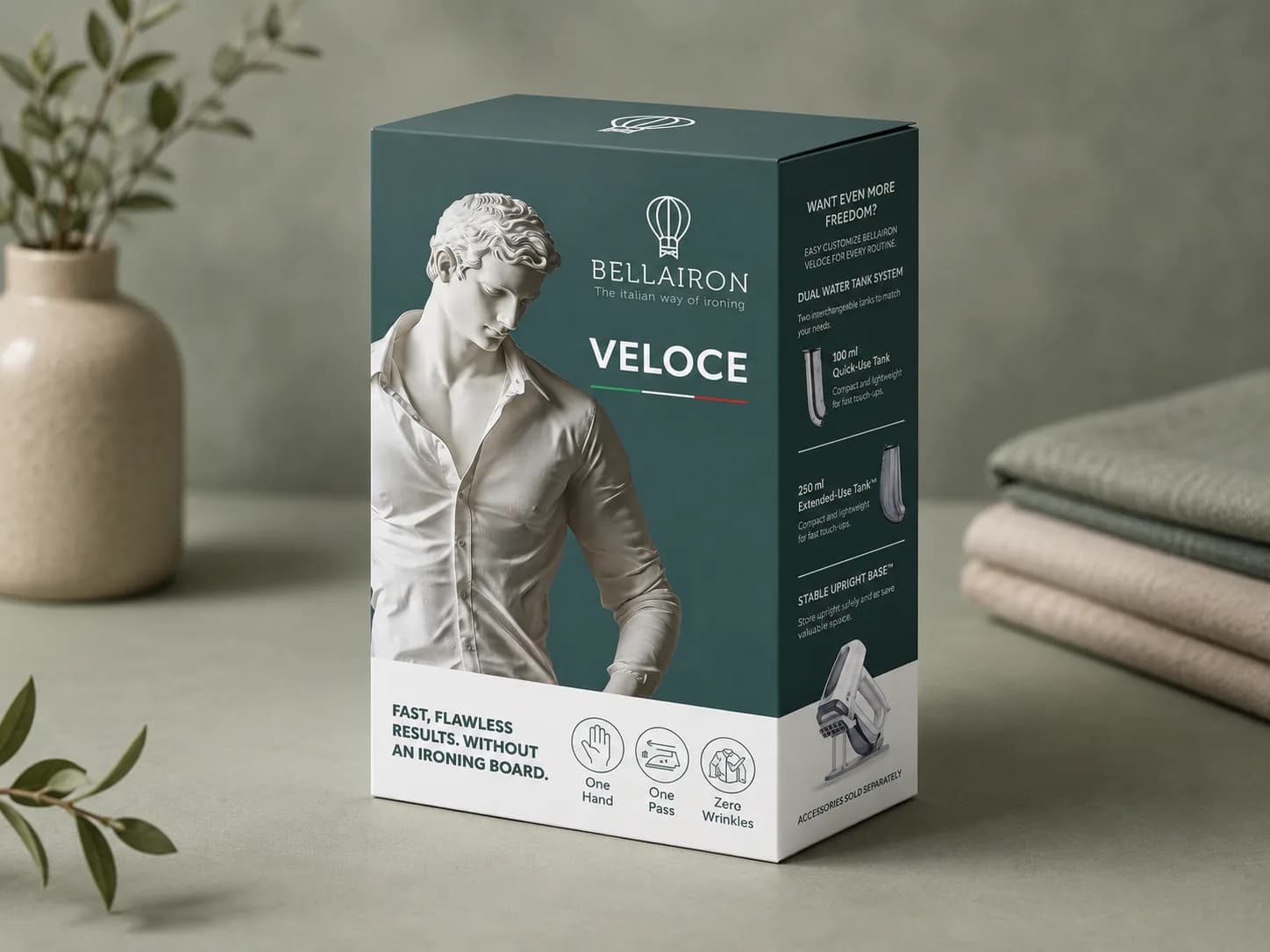
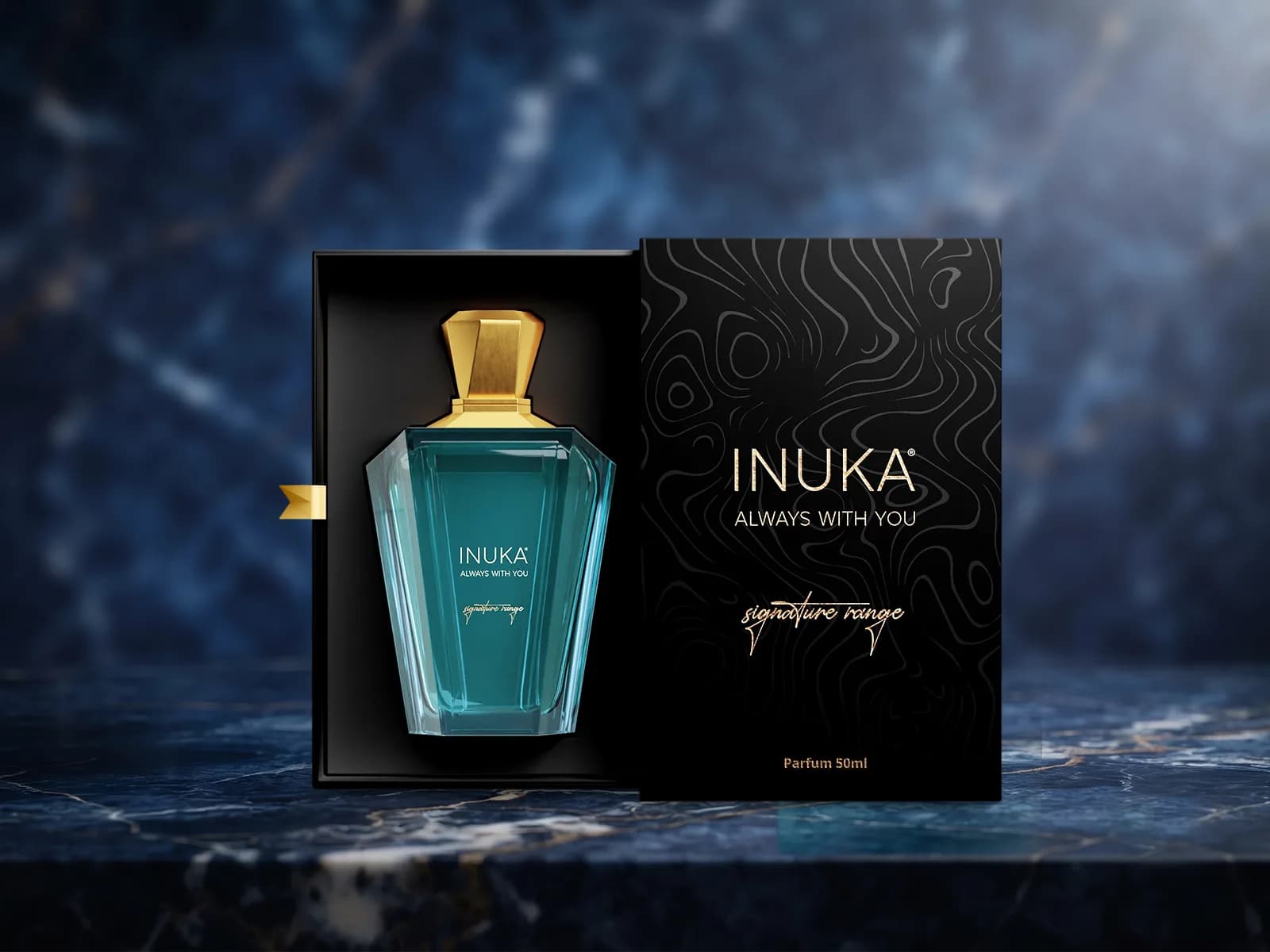
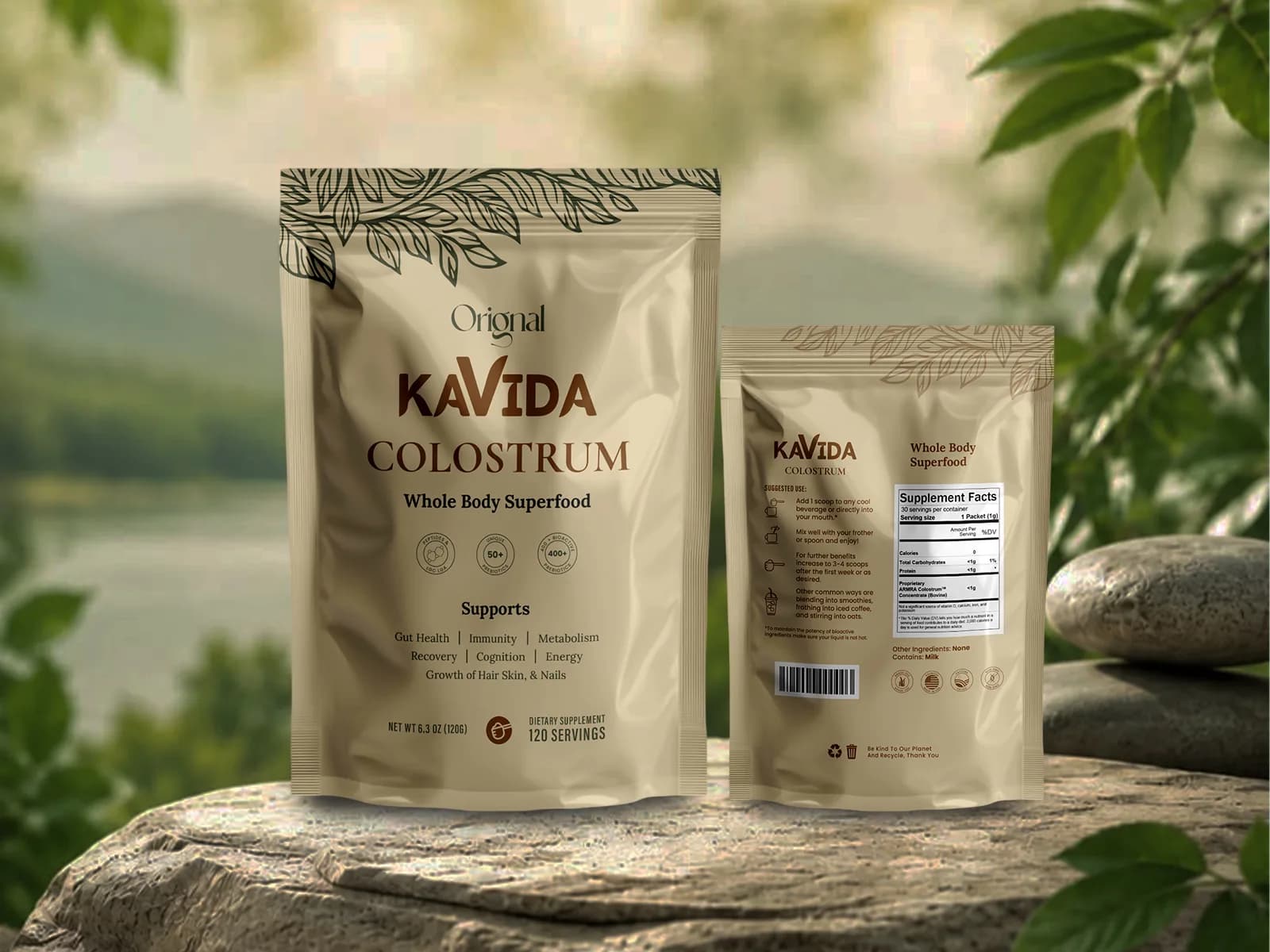
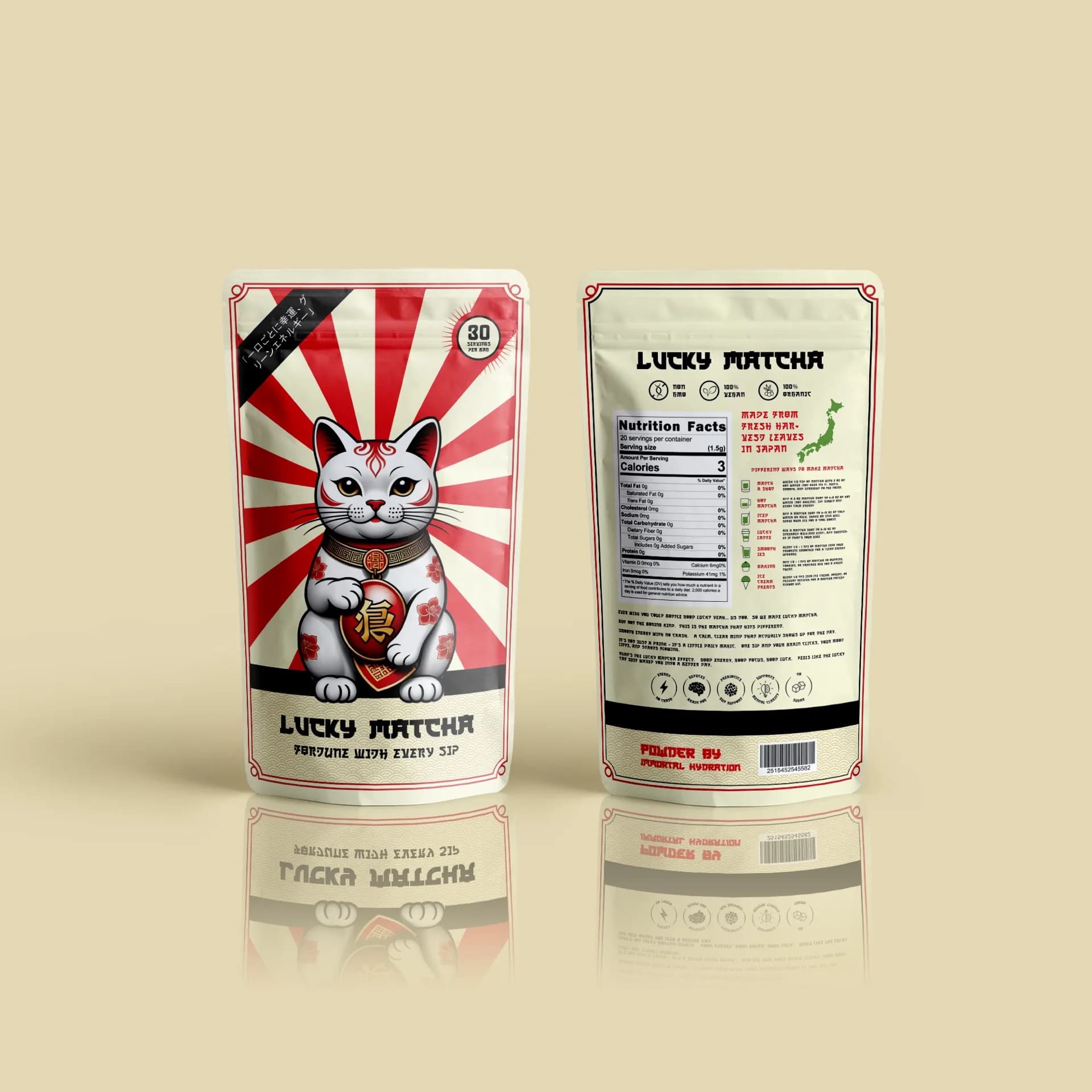
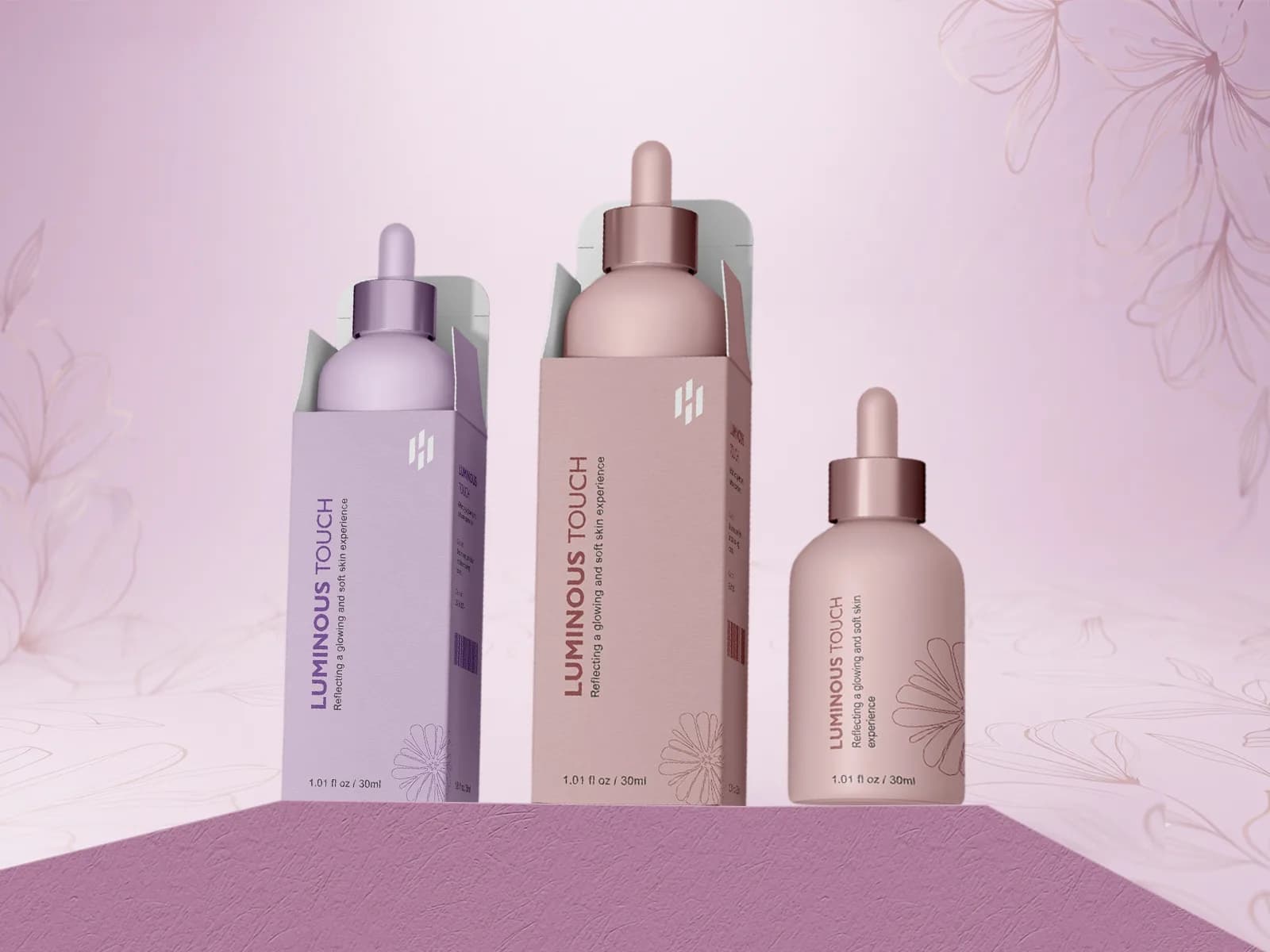
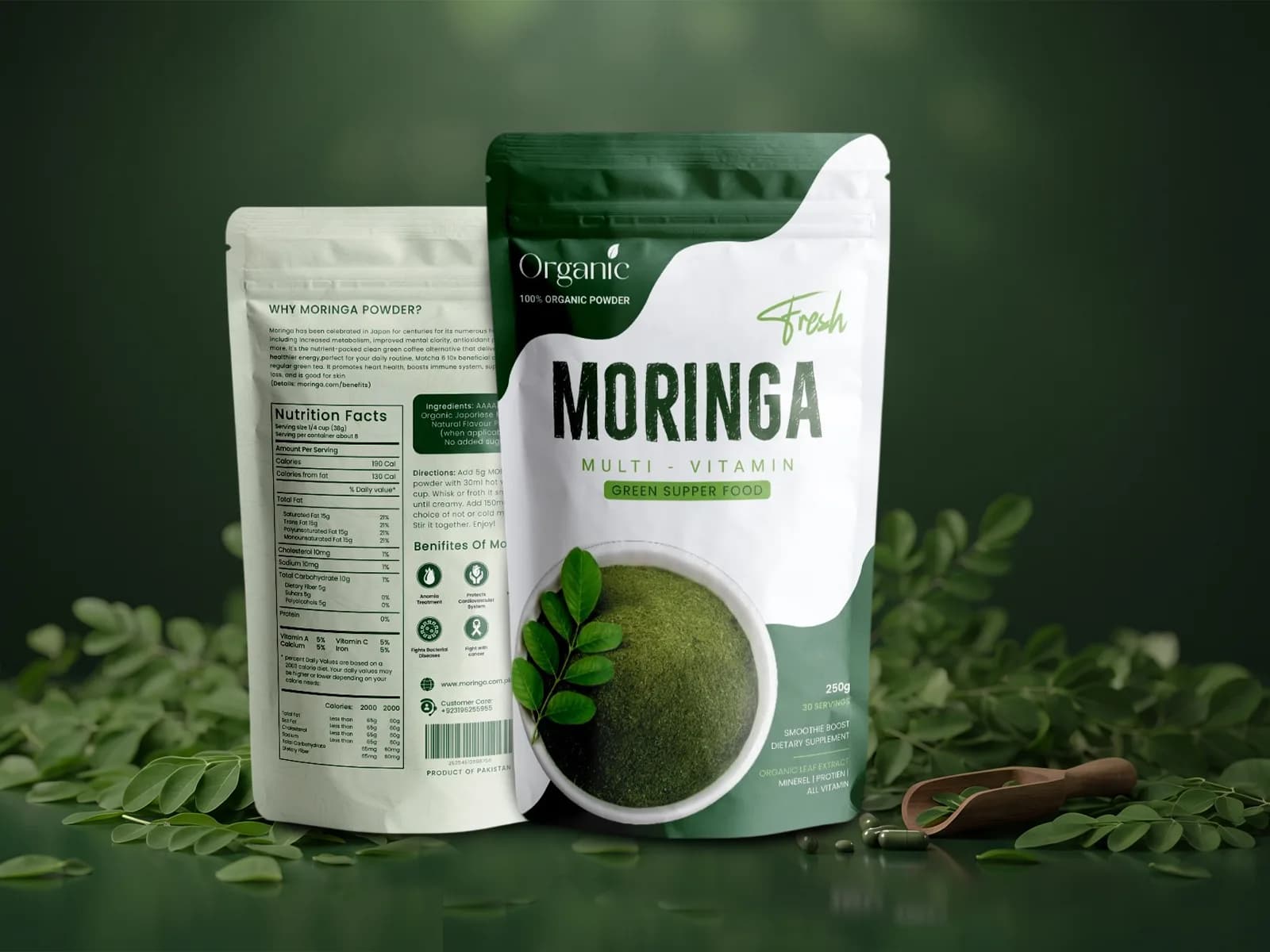
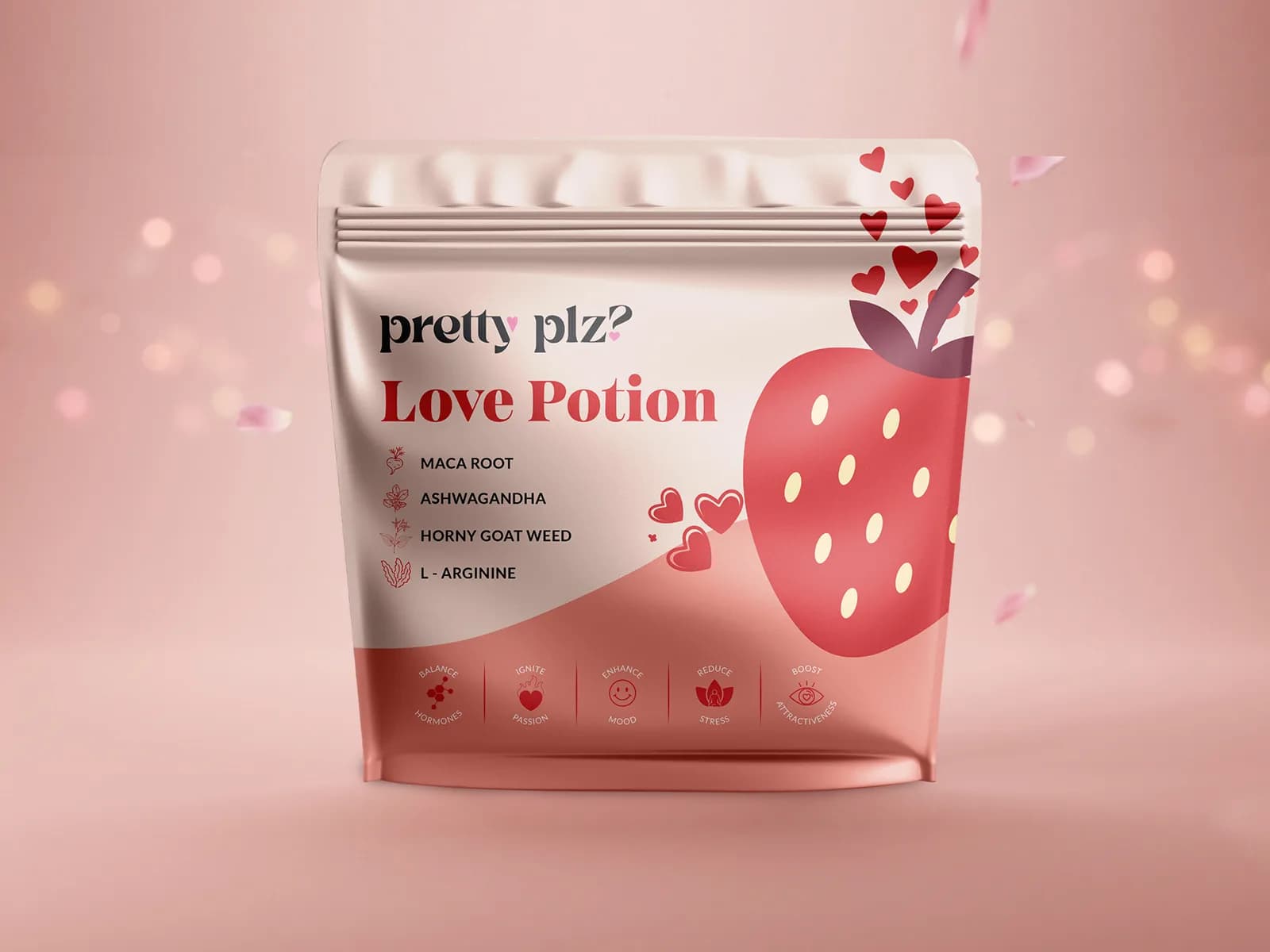
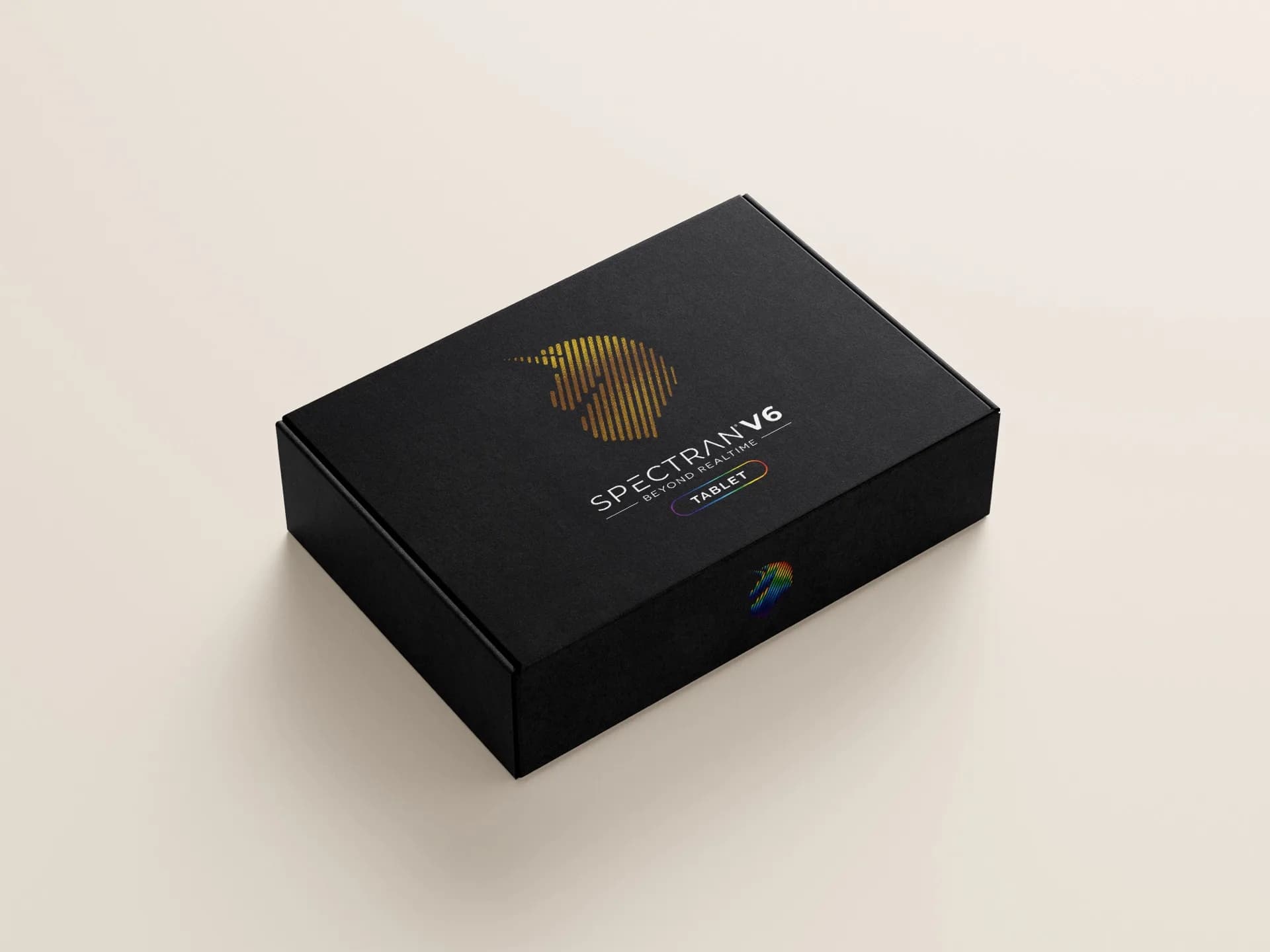
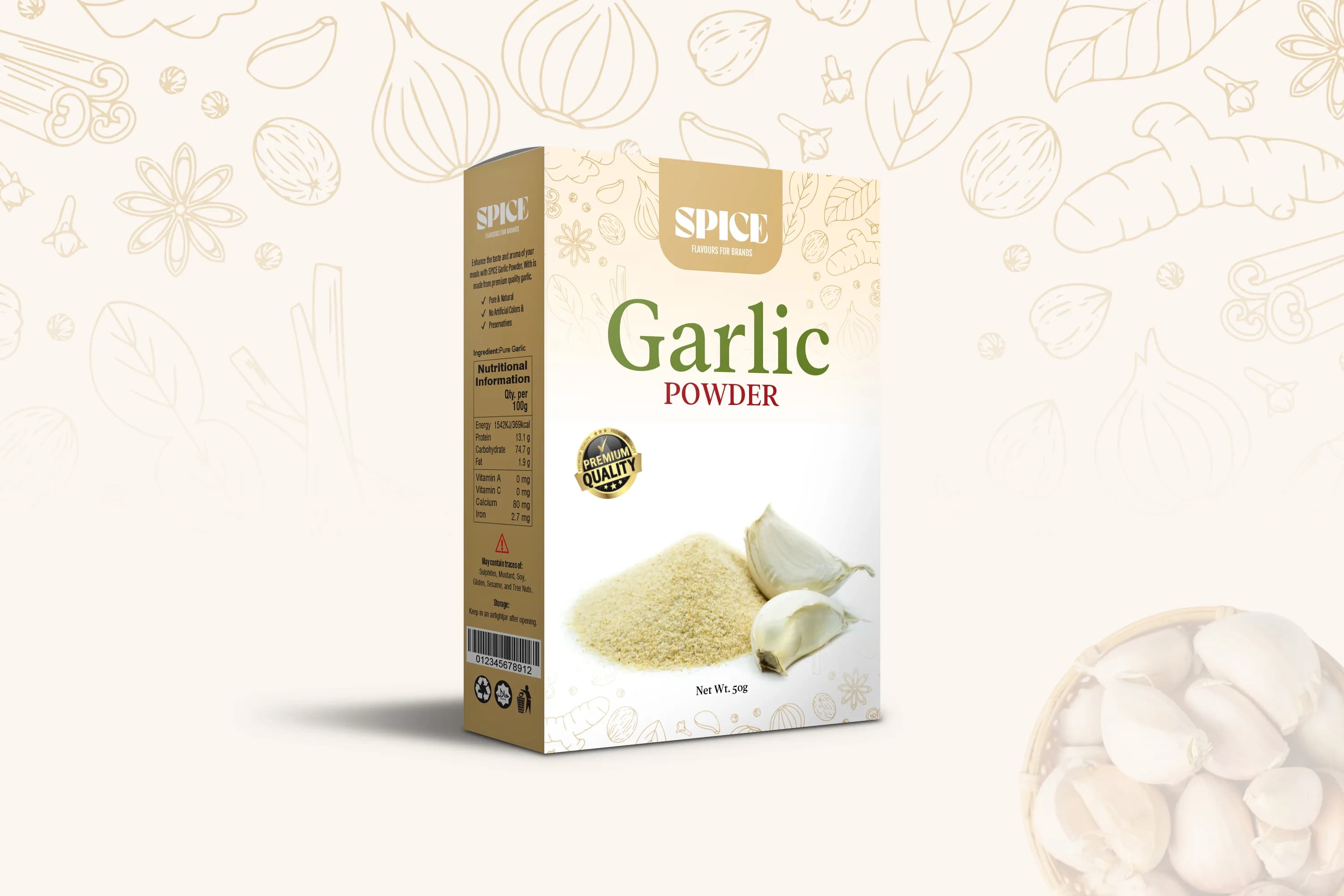
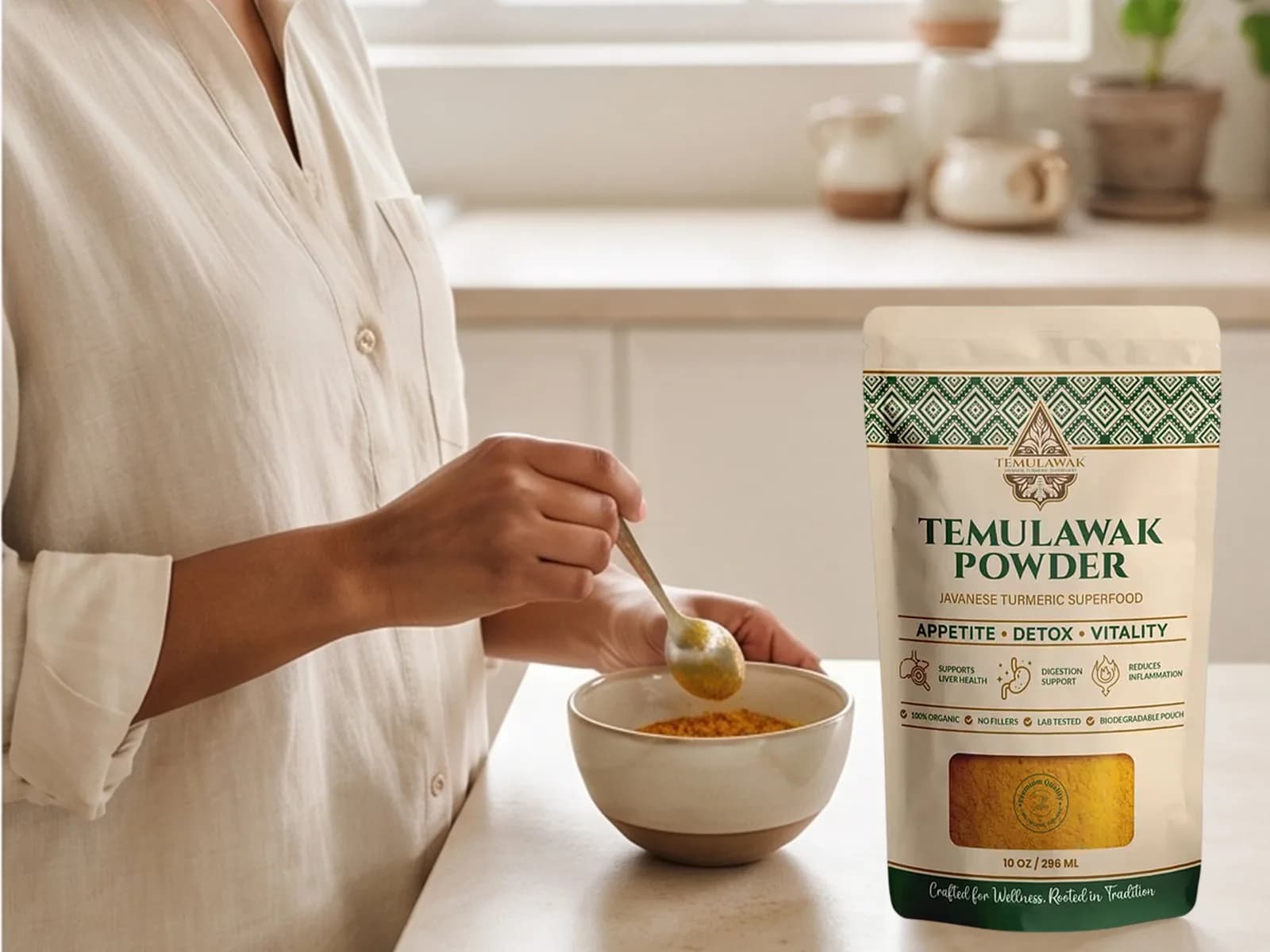
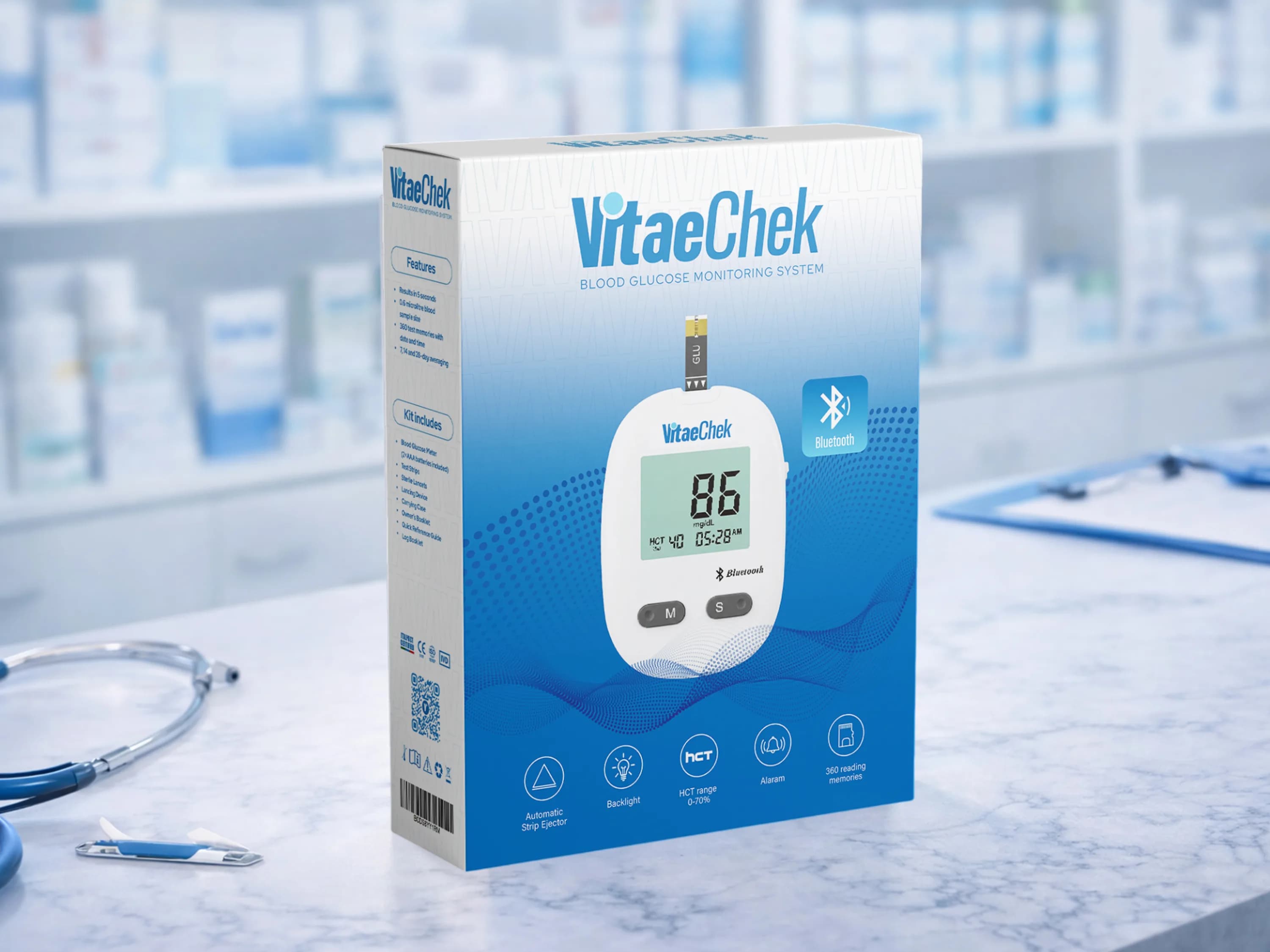
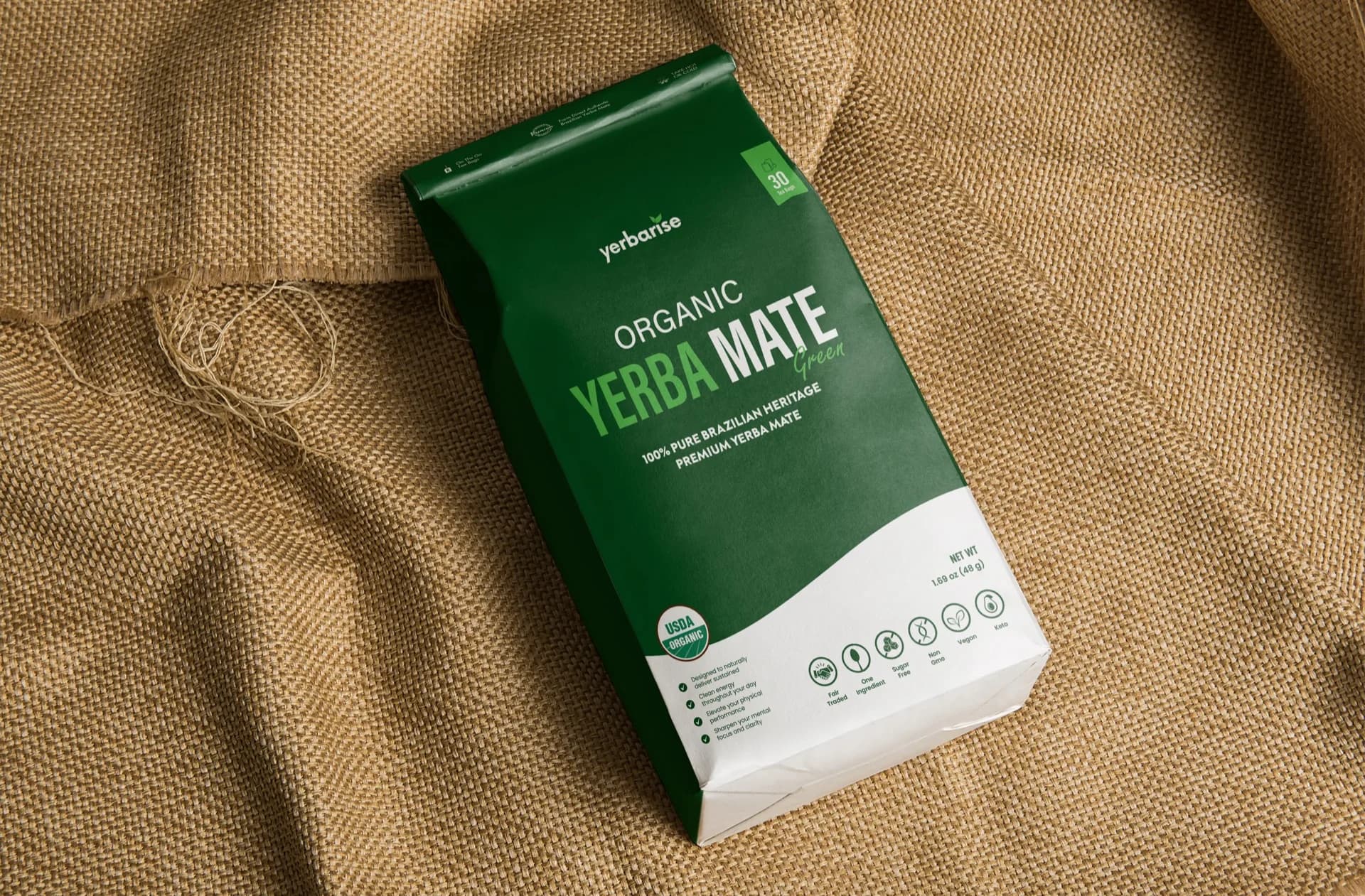
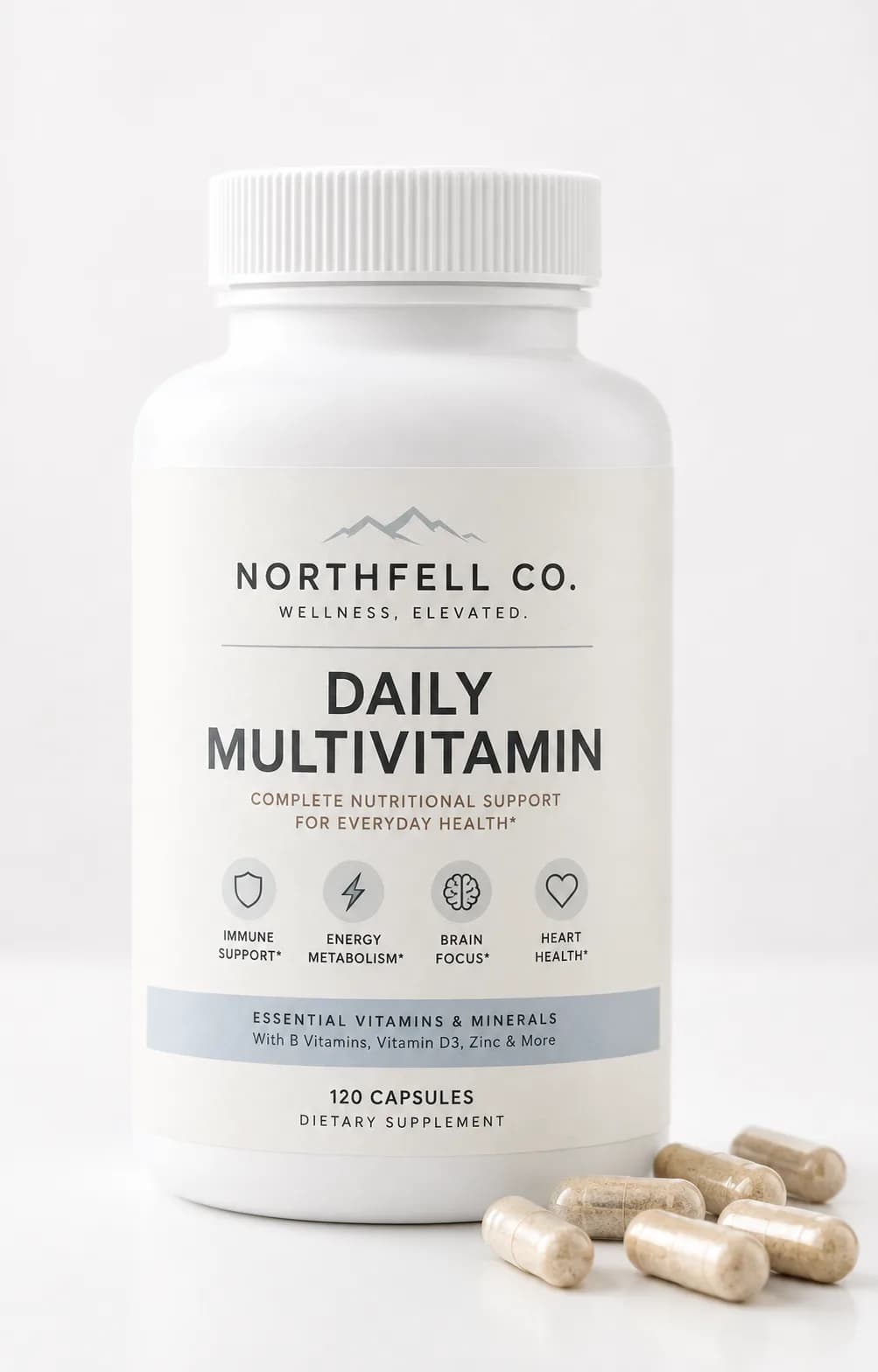
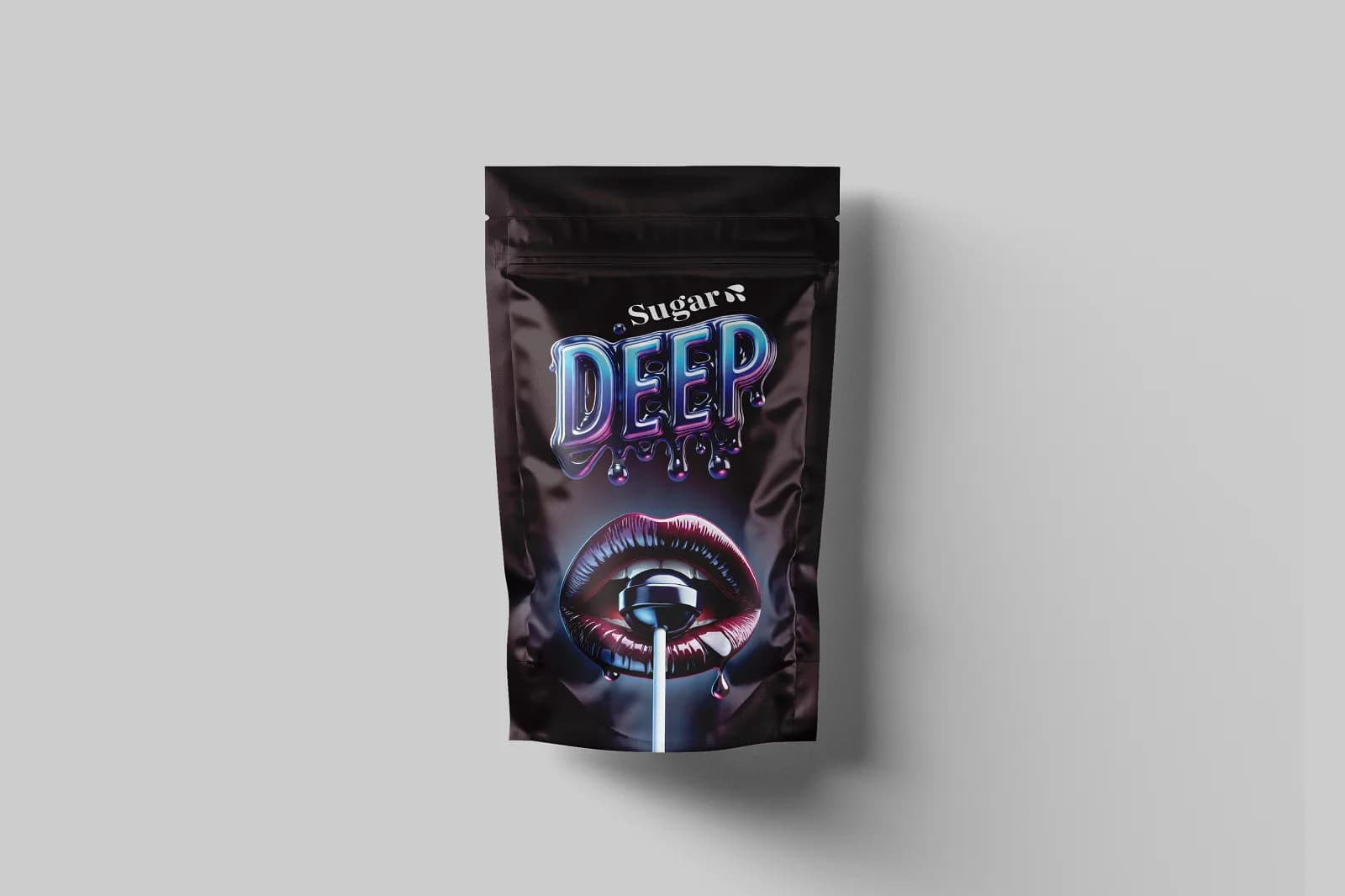
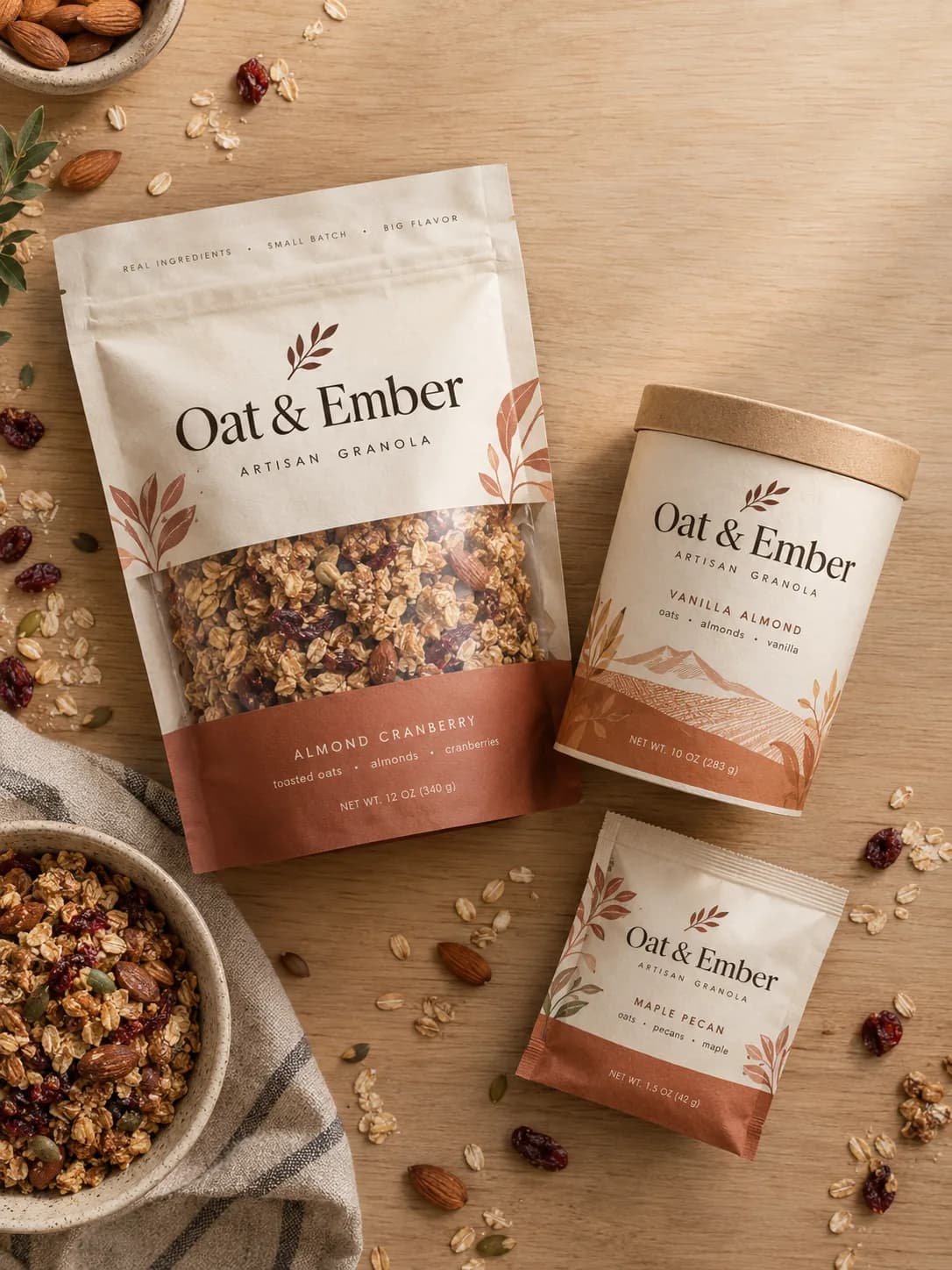
We're always-on to deliver the
packaging you want, when you need it
Print-ready wrapper and box files
Flow-wrap dieline and artwork
Gift box structural dieline
Specialty finish artwork separations
3D product renders
Chocolate Packaging Design: The Complete Guide
A complete reference for brand managers, designers, and marketers making packaging decisions.
The Category
What makes chocolate packaging different
Chocolate is both an everyday treat and one of the most common gifts. The same bar can be an impulse buy at the till or the thing someone brings to dinner. The packaging has to signal which one it is, and at what price, almost instantly.
It's also a demanding product to protect. Chocolate melts, absorbs odours, blooms when temperatures swing and snaps if it's knocked. The structure has to look good and keep the product in good condition through shipping and storage.
And it's one of the most crowded shelves in any shop, with small bean-to-bar makers beside big household names. The craft end of the market leans on origin, cocoa percentage and the maker's story. The mainstream end leans on flavour and familiarity. Know which conversation you're joining before you design.
Protection you don't see
The challengeHeat, light, moisture and strong smells all affect chocolate. A wrapper chosen only for its looks can let the product down by the time it reaches the customer.
Our approachWe start from the inner wrap and barrier your manufacturer uses, then design the outer layers around them.
Gift or snack?
The challengeGift packs and everyday bars use different cues. Mixing them up can make a premium bar look cheap or an affordable one look overpriced.
Our approachWe settle the occasion and price position with you first, then choose structure, materials and finishes to match.
Design Decisions
Formats, materials and labelling for chocolate
Chocolate formats range from a simple flow-wrapped bar to a rigid box with a moulded tray. Each has its own trade-offs, and many brands use two: an everyday bar and a gift format.
- Flow-wrapped bars. Efficient and low-cost per unit, produced on high-speed lines. The design repeats along the film, and the back seal runs through the rear panel.
- Foil and paper wrap. The classic premium bar. The foil protects the chocolate, while the paper wrap carries the design and makes unwrapping feel like an occasion.
- Cartons. A printed carton around a wrapped bar gives a crisp shape, sharp print and room for a story on the inside flap.
- Gift boxes and trays. Rigid boxes with inserts for truffles and pralines. The insert must hold every piece securely and suit the way the box is packed, by machine or by hand.
- Finishes. Foil stamping, embossing and metallic inks are common in this category. Use them to support a clear idea, not to stand in for one.
Think about what happens after the first square. Bars are often eaten over several sittings, so a wrap that folds back neatly, or a resealable flow-wrap, is welcome. Gift boxes tend to be kept, and a flavour guide inside the lid stays useful long after the shop.
Chocolate is food, so the usual food labelling applies: name, ingredients with allergens highlighted, net quantity, best-before date, storage advice and business details. Many markets also restrict what can be called chocolate or milk chocolate, often based on cocoa content. Cocoa percentage claims and precautionary statements about nuts or milk need care. Confirm the exact requirements with the food authority in each country you sell in.
Holiday ranges matter a lot in chocolate. Build the system so seasonal versions can swap colours or illustrations while the brand and mandatory information stay where they are. Each new season is then quick to produce.
The Process
How we design chocolate packaging
Chocolate projects often run to a seasonal deadline, so we plan backwards from the date your printer needs files. If foil or embossing tools have to be made, that date comes earlier than you might expect.
Product and production brief
Formats, sizes, wrapping method, inner wrap, your printer's or converter's specifications, and the date the packs need to be on shelf.
Positioning
Price point, occasion and channel: supermarket, independent shops, gifting or online. Each one pushes the design in a different direction. Online sales add one more test: the pack has to read as a small thumbnail.
Concepts
Routes developed on the real dielines or film layouts and shown as mockups, including the bar half-unwrapped and gift boxes with the lid off.
Range and seasonal system
Flavours coded clearly, with rules for seasonal and limited editions so they stay recognisably yours.
Artwork and proofs
Print-ready files with allergen and legal panels complete, foil and emboss areas set up on their own layers, and a review of the printer's proof when one is provided.
Costs and Pitfalls
Chocolate packaging mistakes, costs and alternatives
Hiding the flavour
Minimal bars where every flavour looks the same frustrate shoppers. Make the flavour obvious at a glance.
Allergens as an afterthought
Nut, milk and soy information squeezed in at the end tends to come out too small or inconsistent across the range.
Foil on everything
When every surface shines, nothing looks special. One or two well-placed effects do more.
Inserts designed too early
Gift box inserts drawn before the final piece sizes are fixed can leave chocolates rattling around or damaged.
Most of the cost comes from structure and finish, and the two are linked: a rigid box invites foil and embossing in a way a flow-wrap rarely does.
- Structure. Flow-wrap is the cheapest per unit, and rigid gift boxes with inserts cost the most.
- Finishes. Foil, embossing, debossing and spot varnish each add tooling or a press step.
- Materials. Real foil, specialty papers and premium boards cost more than standard films and cartons.
- Flavours and seasons. Every flavour and seasonal edition needs its own artwork and checks.
- Timing. Tight seasonal deadlines leave little room for revisions, so late changes can get expensive.
For a bar or two sold mainly online, simple flexible packaging inside a well-designed mailer may serve you better than an elaborate retail box. If your range is moving into gummies or hard sweets, a broader confectionery approach covers formats that chocolate packaging doesn't. And if the brief is purely high-end gifting, a luxury packaging project puts structure and finishes first.
Got Any Questions?


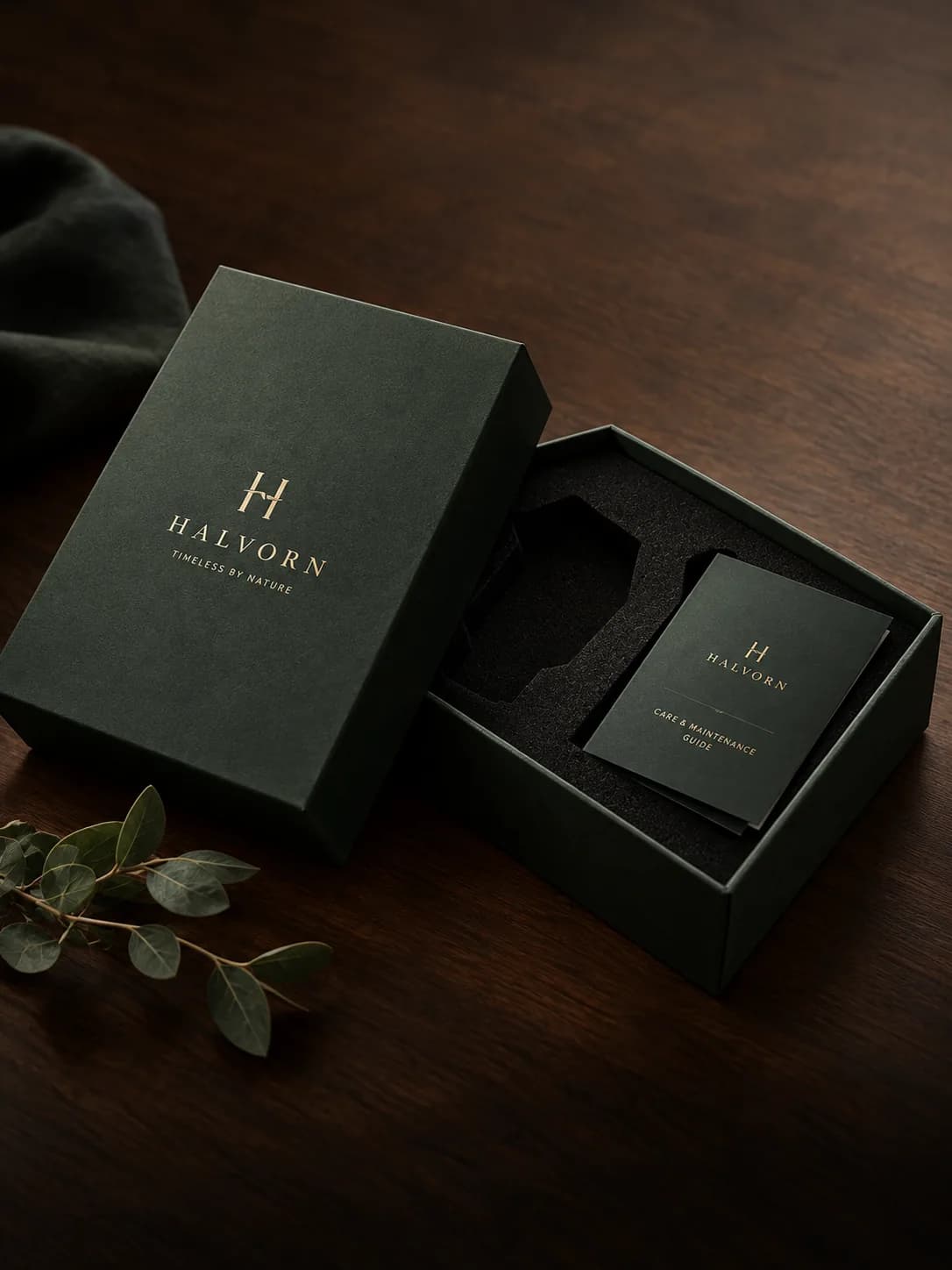
Your packaging deserves
better than “good enough.”
Book a free 15-minute call and we'll scope your packaging together — or send us a message to get started.