
Service
Flexible Packaging Design
Film, format, and converter — sorted before press.
Flexible packaging covers every format made from film: sachets, stick packs, flow-wrap, pillow packs, and multi-format product ranges. This page is for brands that need to choose between flexible formats, work with a converter on film engineering, or roll out a range across several pack types and sizes.
Quick Answer
Flexible packaging design creates print-ready artwork for stand-up pouches, flat bags, flow wraps, and multi-layer films — covering food-grade substrate specification, barrier properties, seal zone clearances, and print process requirements for flexible packaging production.
What's Included
Everything delivered, as standard
Every Flexible Packaging Design project includes these deliverables — no extras, no upsells, no surprises.
Packaging expertise across
7 product categories
Food & Snacks
Coffee & Tea
Supplements & Vitamins
Pet Food
Baby Food
CBD & Hemp
Household Cleaning
Flexible Packaging Design
Film, format, and converter — sorted before press.
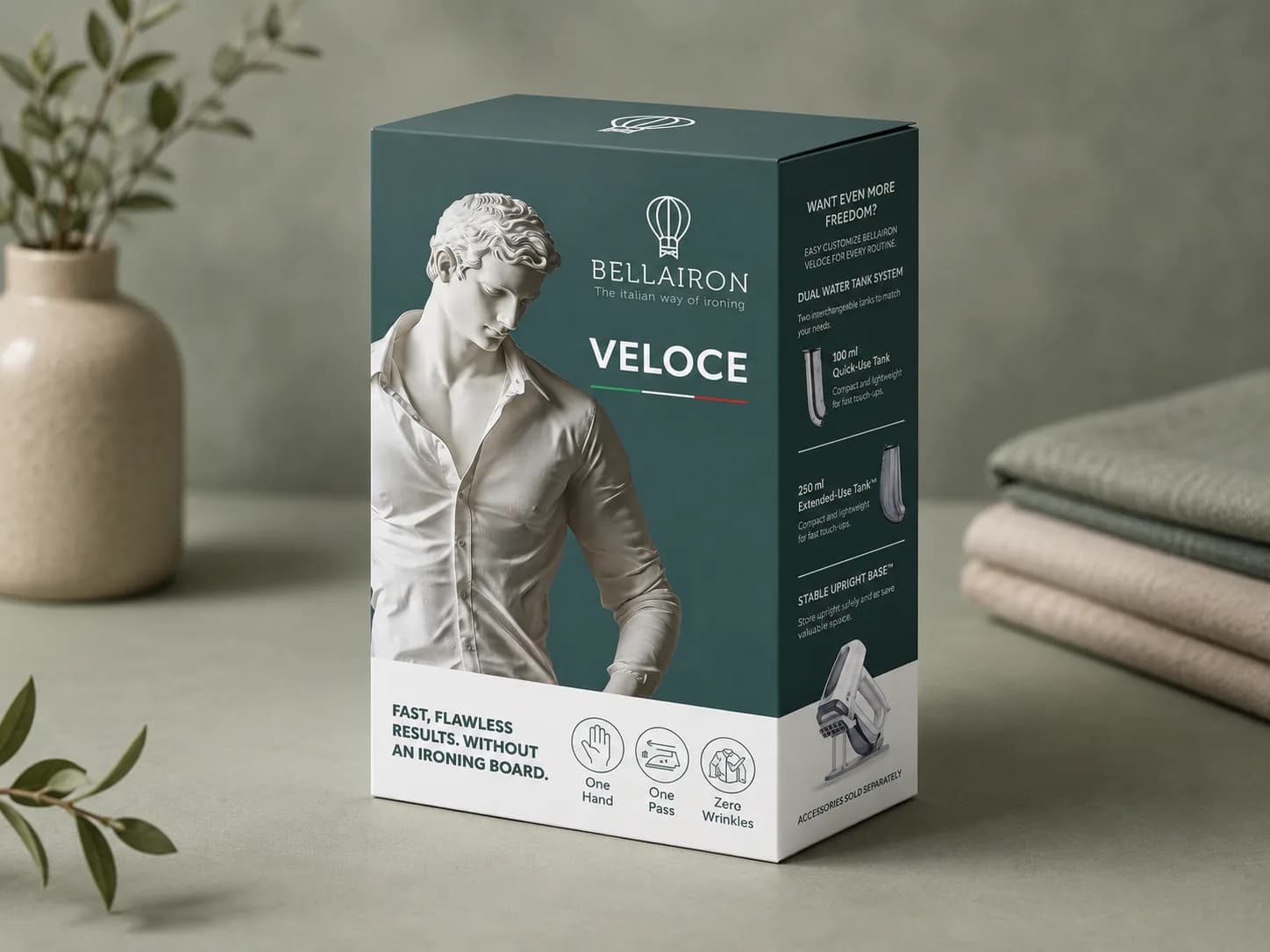

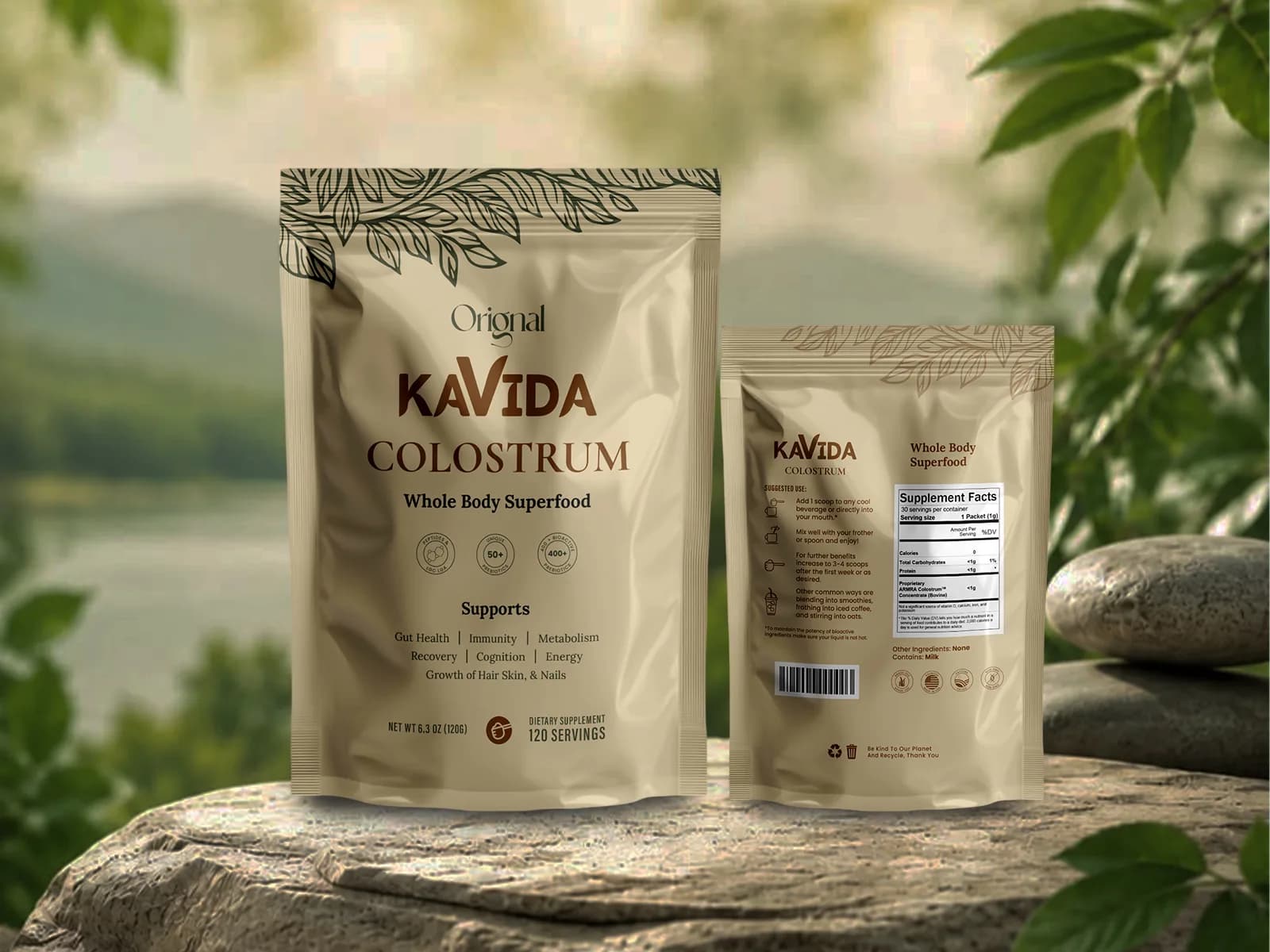
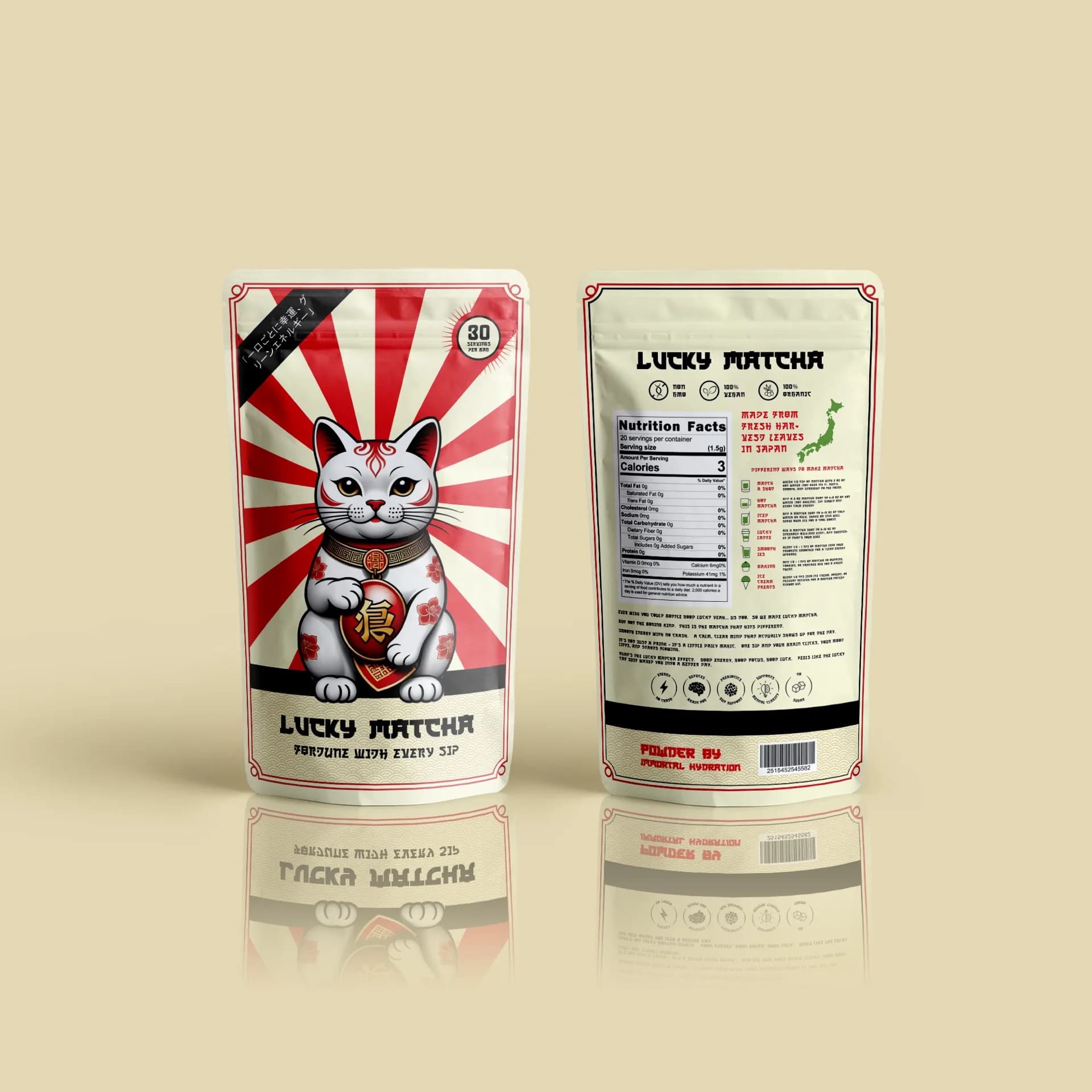

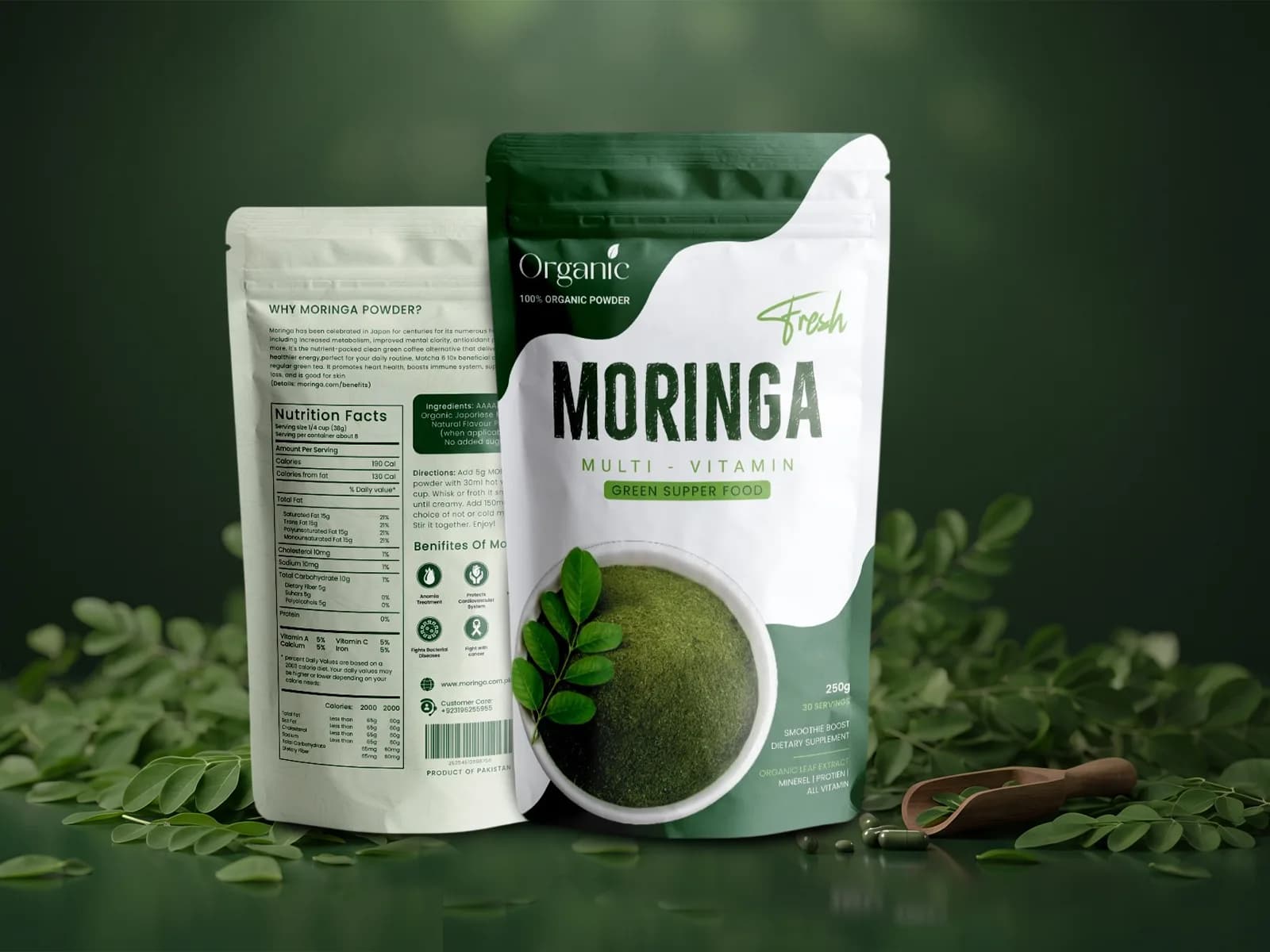
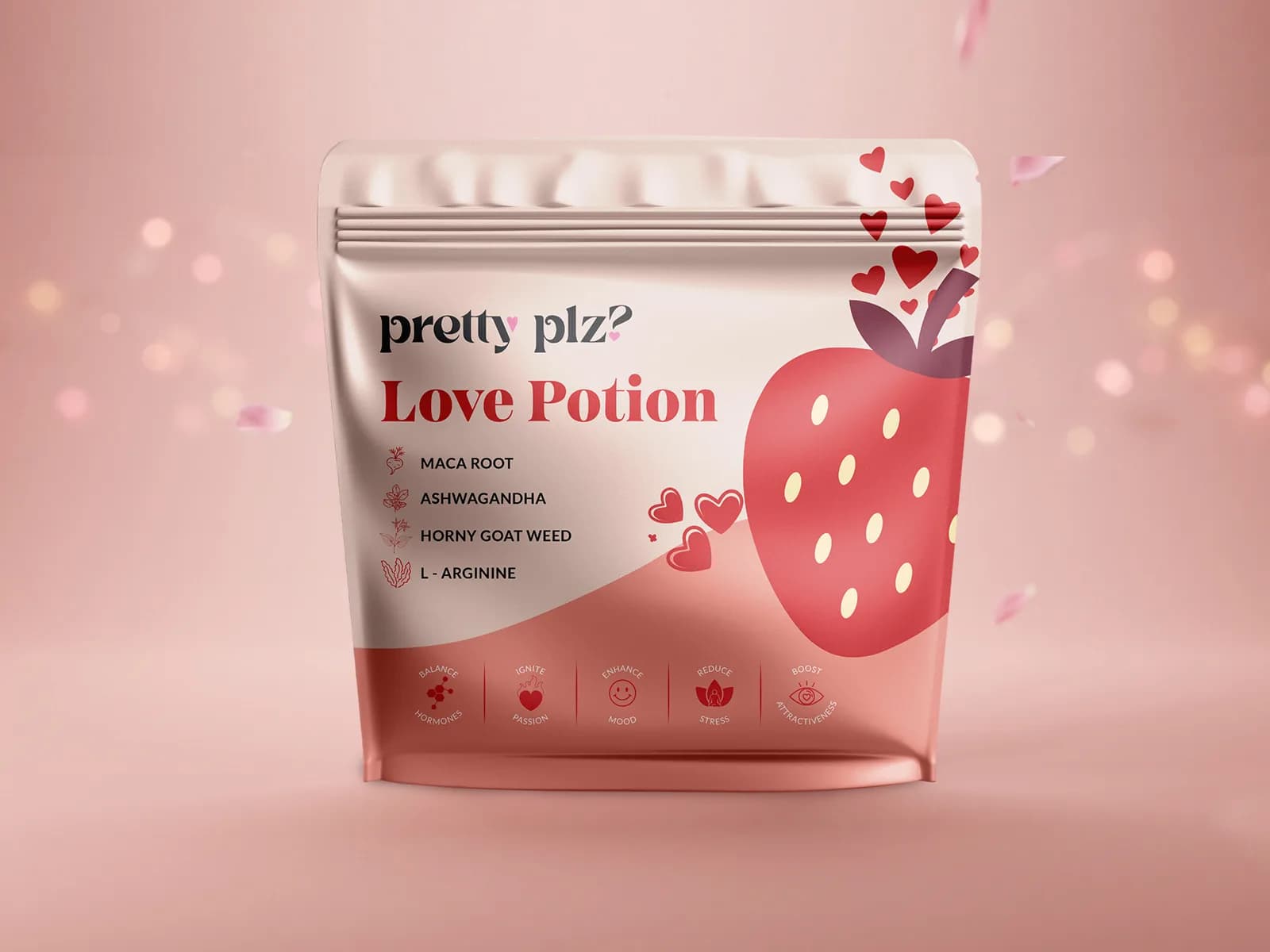
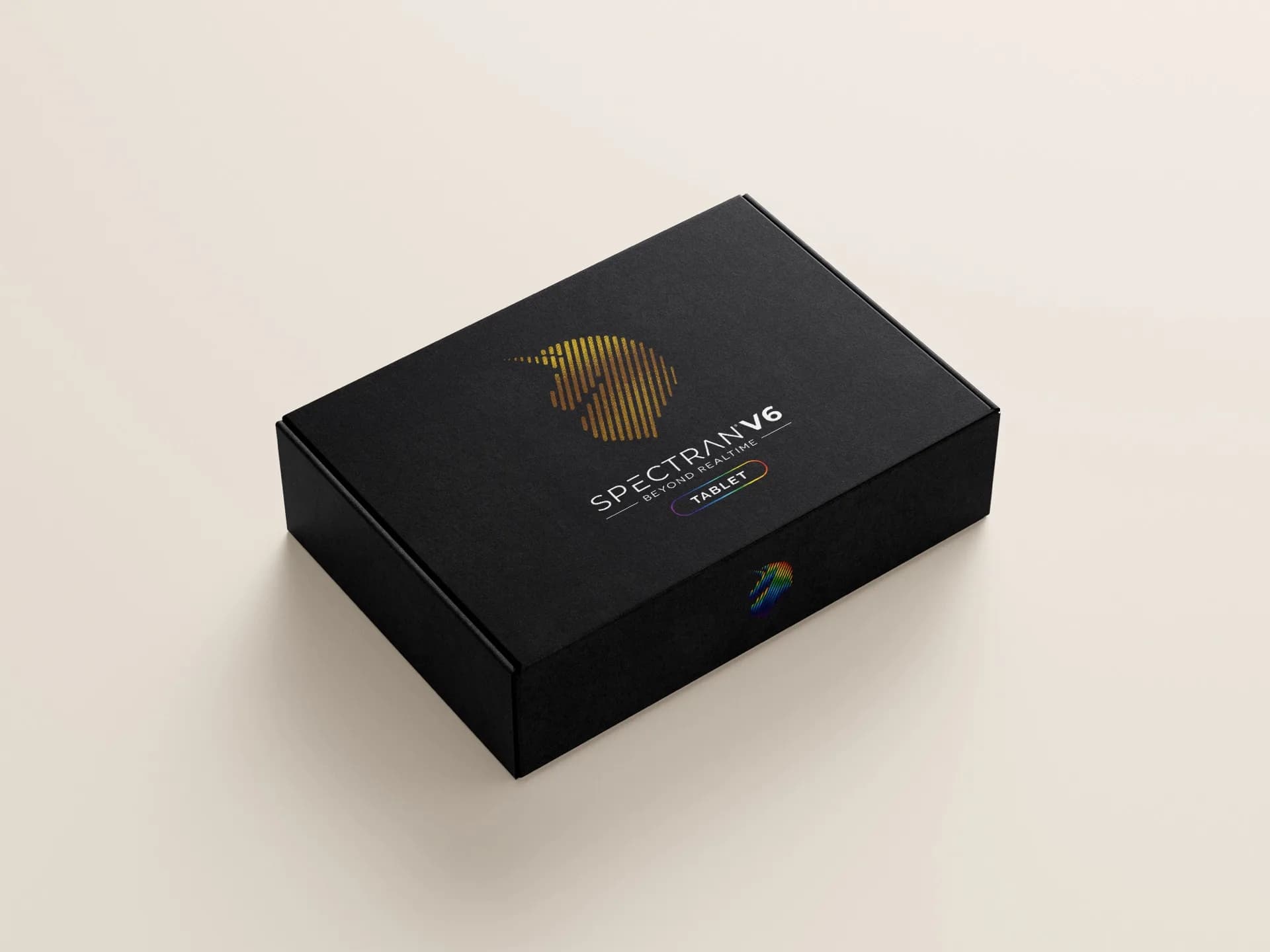
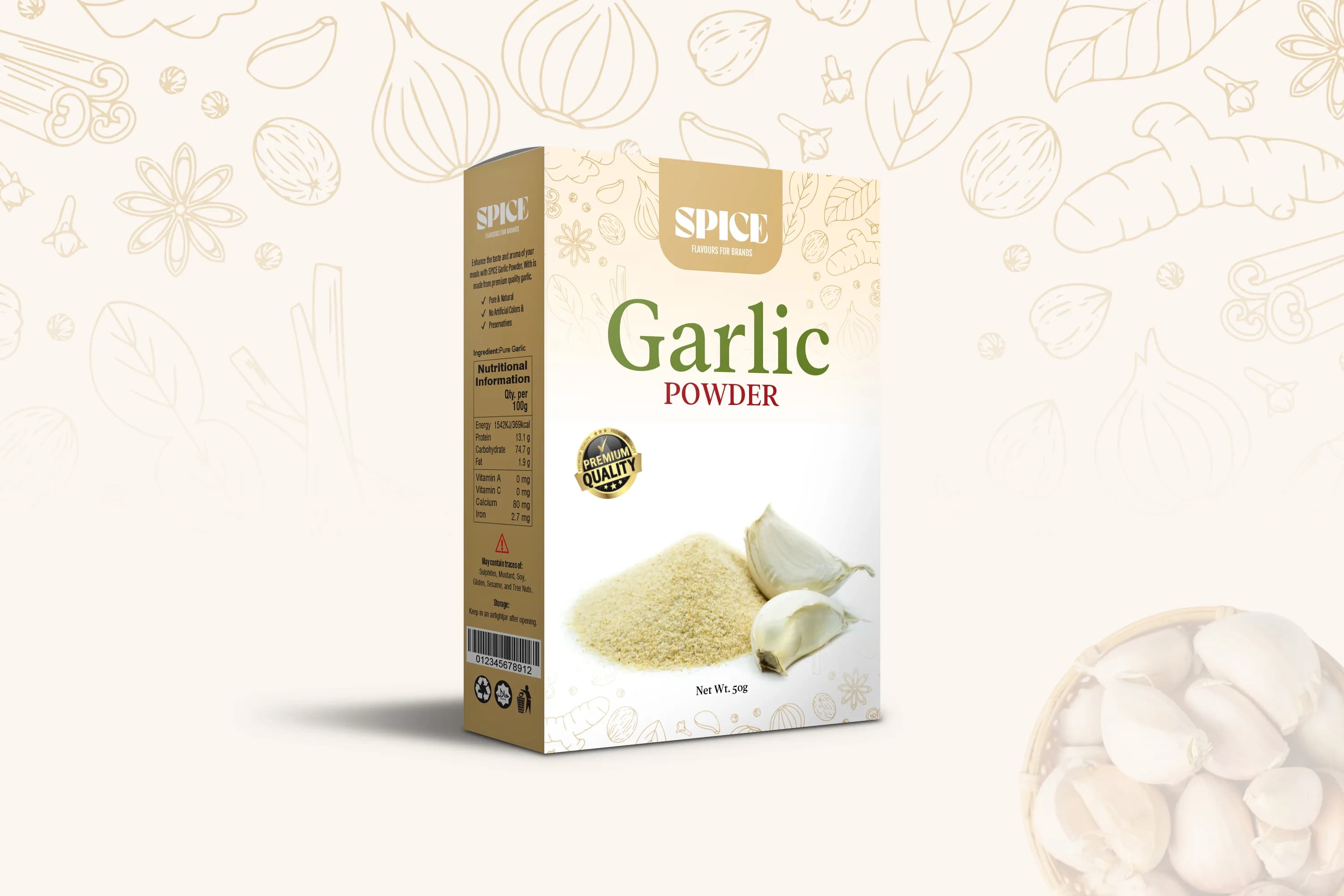
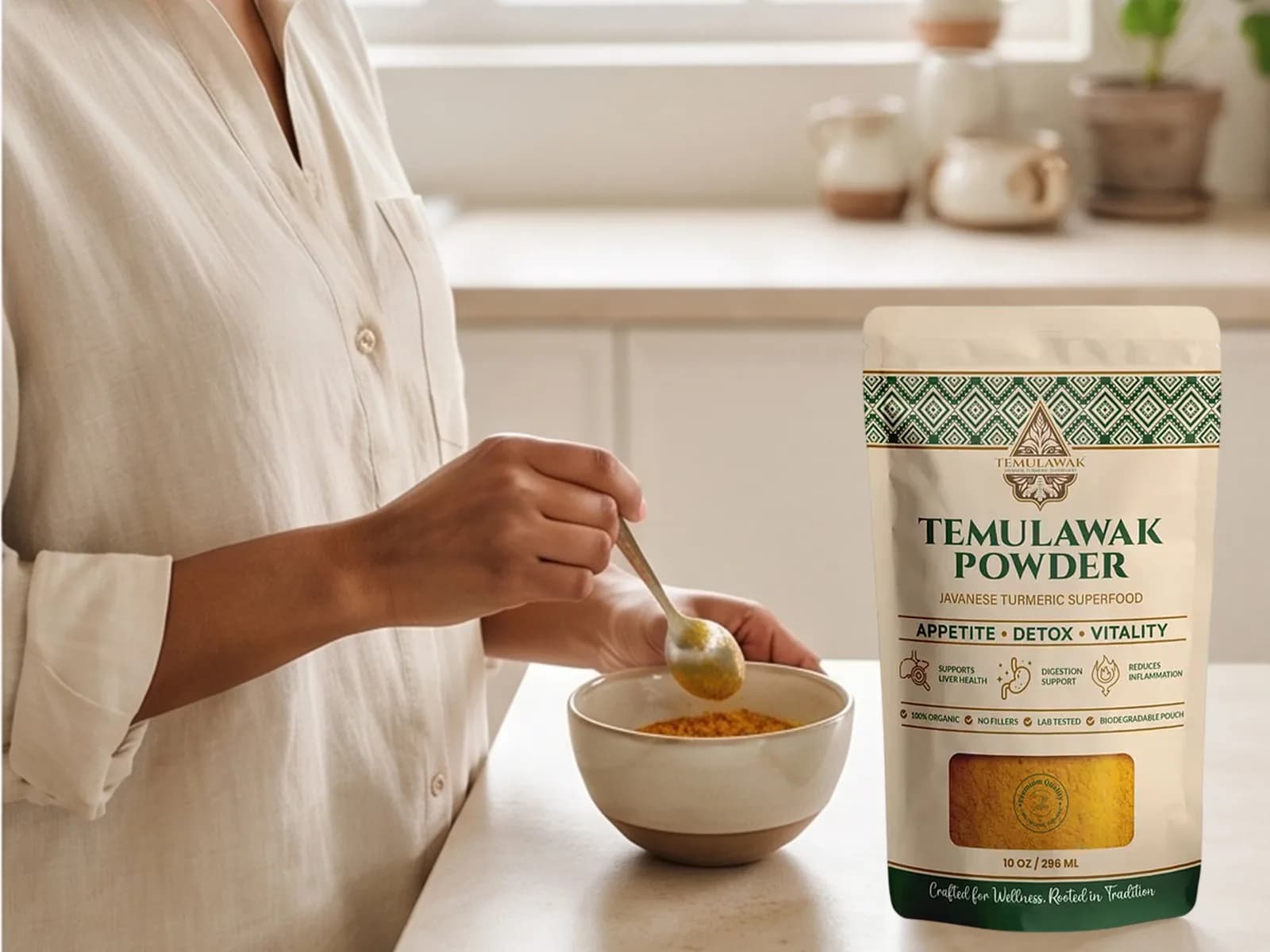
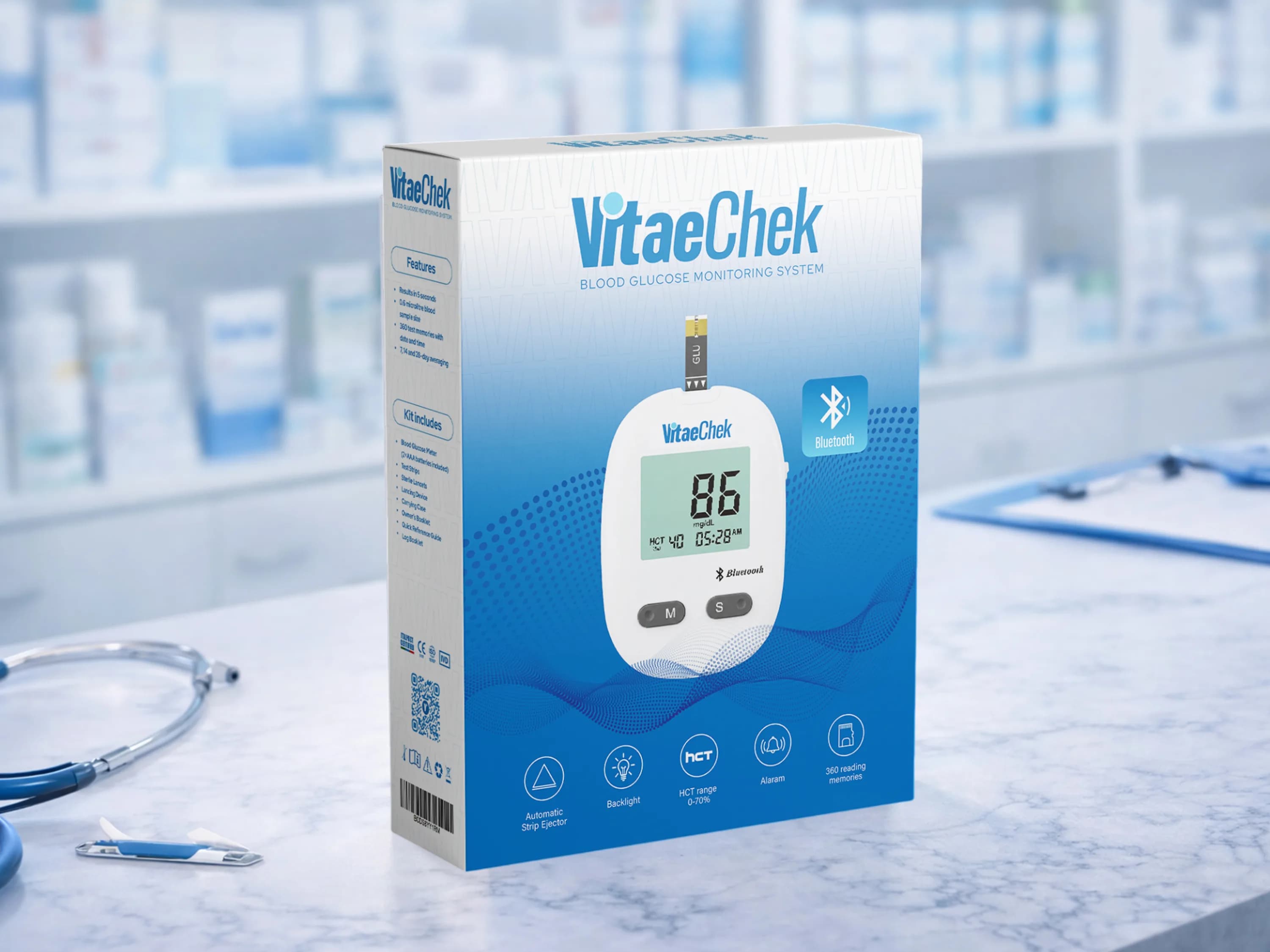
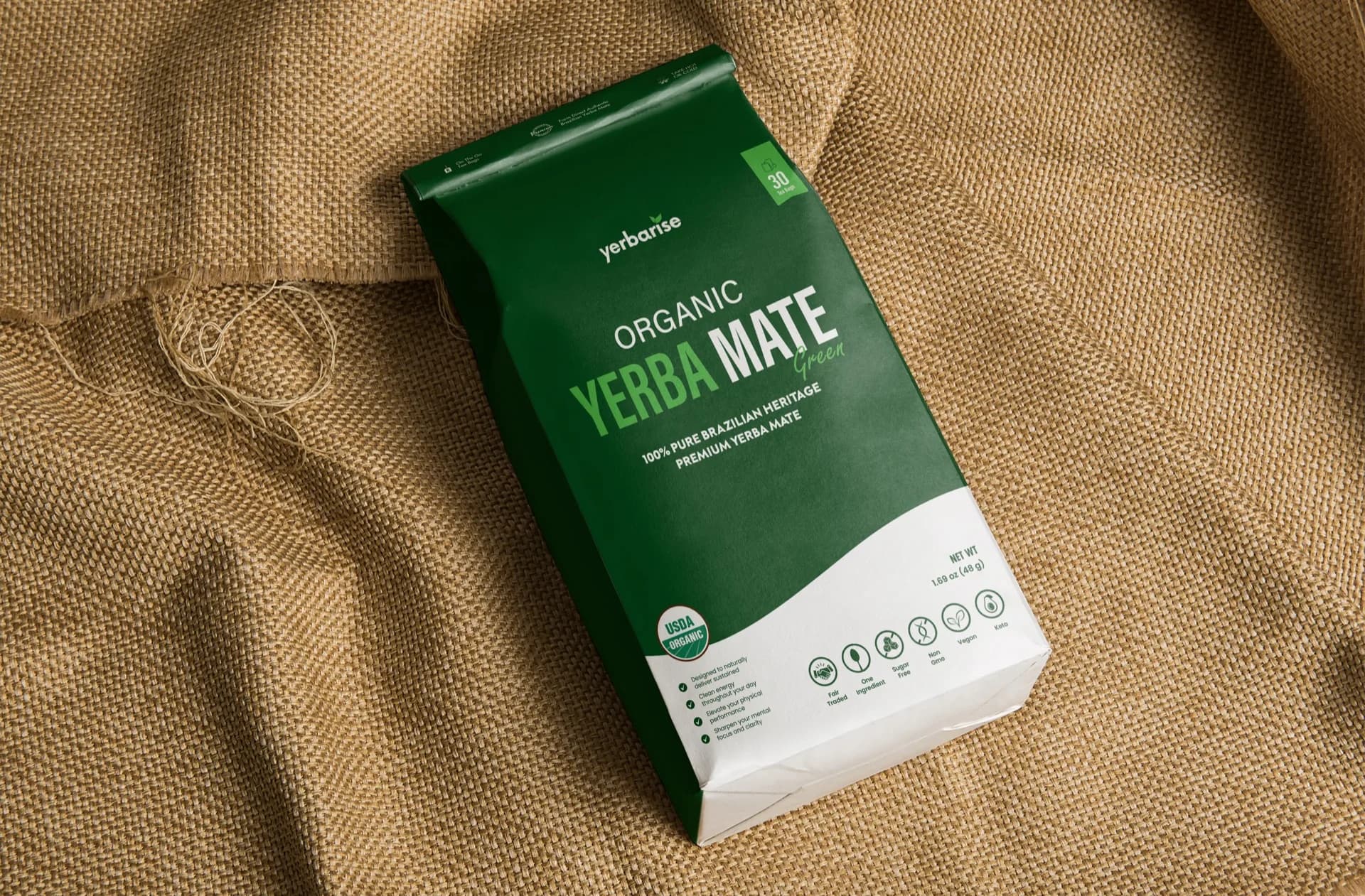

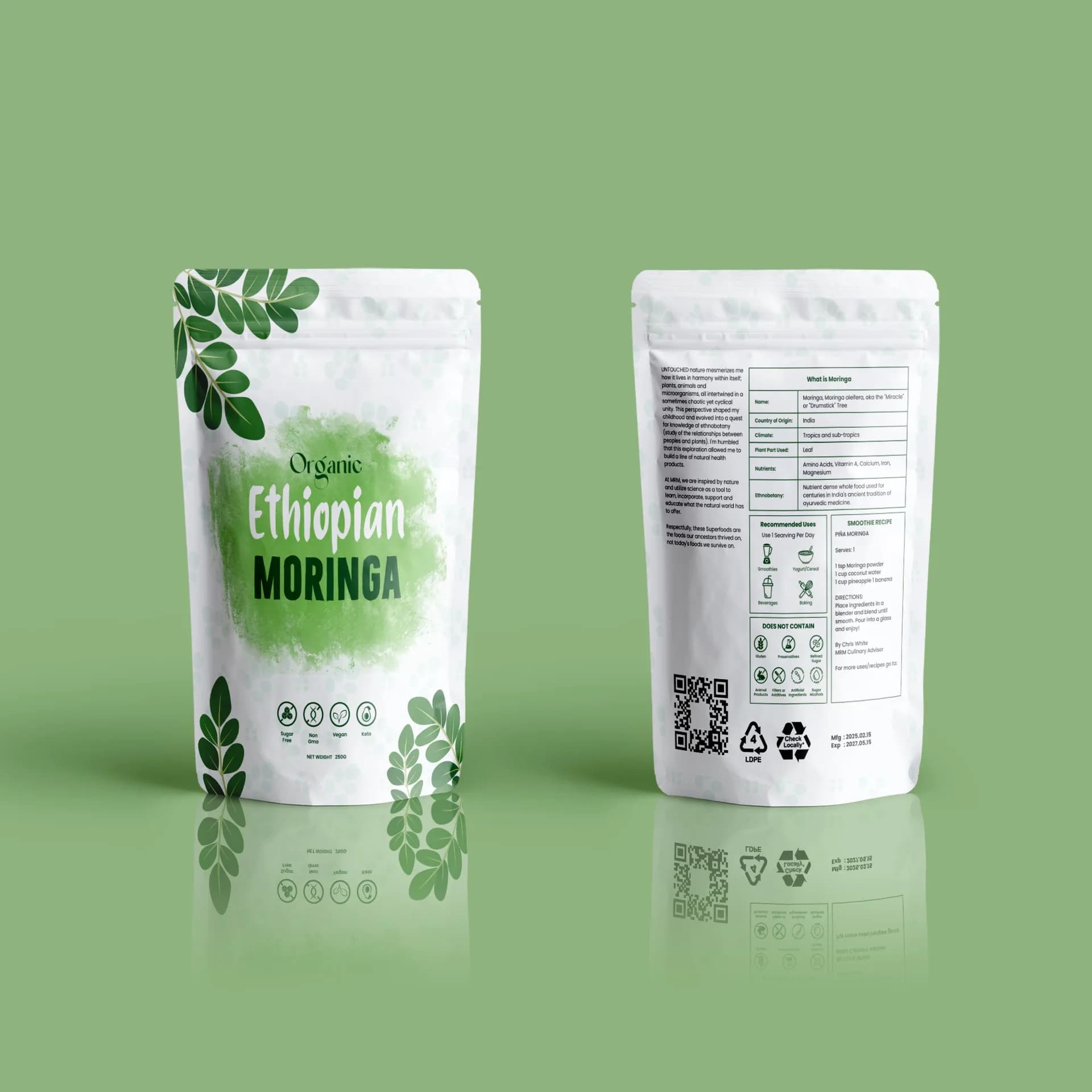
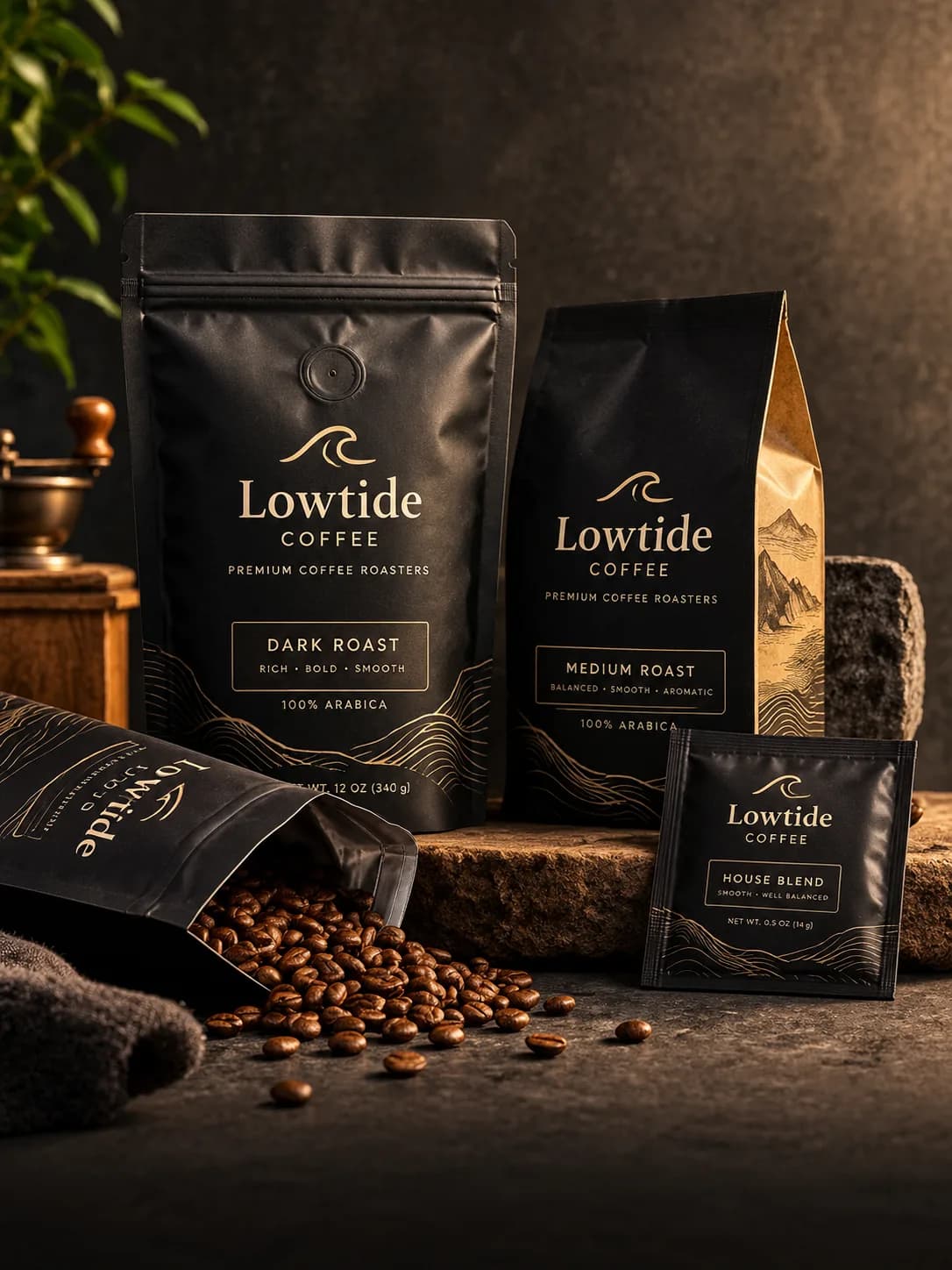
We're always-on to deliver the
packaging you want, when you need it
Print-ready flexible packaging artwork (AI, PDF)
Structural dieline for each format in the range
Flexographic colour separations
3D packaging renders per format
Film specification and converter brief
Flexible Packaging Design: The Complete Guide
A complete reference for brand managers, designers, and marketers making packaging decisions.
The Category
What sets flexible packaging apart
Flexible packs are made from film rather than board or glass. The film is printed flat on a reel, often laminated to other layers, then formed, filled and sealed on a machine. That production chain shapes the design more than most brand owners expect.
The finished pack is also a moving target. A filled pouch bulges, a flow-wrapped bar creases at the ends, and a sachet folds in the hand. Artwork that looks perfect as a flat PDF can end up with the logo in a seal or the main claim wrapped around a gusset.
Flat artwork, three-dimensional pack
The challengeWhat you approve on screen isn't what the shopper sees. Gussets open, seals crimp and the front panel curves once product is inside.
Our approachWe design on the converter's dieline and check every layout as a filled 3D mockup, so nothing important ends up in a seal, a fold or the zip area.
The film decides more than you think
The challengeThe film build (how many layers, which materials, clear or metallised) controls barrier, shelf life, print finish and recyclability. It's often settled late, after the design is done.
Our approachWe ask for the converter's material specification at the brief, because it changes which colours, white layers and finishes are possible.
Design Decisions
Formats, films and finishes
The right format depends on the product, the filling line and how the pack will be displayed. Each one asks something different of the artwork.
- Stand-up pouches. A large front panel that stands on shelf and takes a zip or spout. The bottom gusset swallows space, so keep text out of the lower part of the panel.
- Flat-bottom bags. Five printable panels and a stable base, often used for coffee, pet food and premium snacks. They usually cost more per unit than a simple pouch.
- Flow-wrap. Film wrapped around bars, biscuits and similar products. The design repeats along the reel, and the fin seal runs down the back, so plan the back panel around it.
- Sachets and stick packs. Small and inexpensive per unit, ideal for samples and single servings. Mandatory text fights for very little room.
- Print effects. Clear film needs a white ink layer behind colours to stop them looking thin. Metallised film adds shine but changes how colours read. Matte and gloss varnishes can sit side by side. Ask your converter which effects their press can run.
Food in flexible film must be packed in food-contact materials, and documenting those is the job of your converter and their film supplier. The label itself still follows the food, supplement or cosmetic rules for whatever is inside. Recycling claims are the area to watch: whether a film can be recycled depends on its structure and on local collection, so check current guidance for each market before printing a recycling mark.
If the product is sensitive to oxygen, light or moisture, the barrier should decide the film. Picking a big clear window or a paper-look film purely for appearance can shorten shelf life. Agree the barrier with your converter before you fall for a look.
The Process
How we take a flexible pack from brief to press-ready files
Flexible packaging is a three-way project between you, us and the converter. The sooner the converter's specification is on the table, the fewer surprises at the end.
Converter spec and dieline
We gather the format, dimensions, film structure, seal widths, zip and tear-notch positions and print process. If you haven't chosen a converter yet, we work from a standard template and flag what needs confirming.
Concepts on the real shape
Design routes are developed on the dieline and shown as filled mockups from the front, side and back, not just as flat panels.
Copy layout and range planning
We fit mandatory information, barcodes and any recycling marks, and plan how the design adapts across sizes, flavours and variants.
Artwork for the specified press
Files are set up for flexo, gravure or digital as specified, with white underlay for clear or metallised film, minimum type sizes and print repeats for reel-fed formats.
Proof review
When your converter sends a proof, we check it against the approved artwork and mark up anything that has shifted before printing starts.
Costs and Pitfalls
Flexible packaging mistakes, cost drivers and alternatives
Text in the seal zone
Legal copy or a barcode that runs into a seal or gusset gets crushed or hidden. Keep a clear margin along every edge the machine touches.
Forgetting the white layer
Colours on clear or metallised film look different unless there's white ink underneath. Decide early where the white goes and where the film should show through.
Neglecting the back
Pouches and bags get picked up and turned over. The back often does the selling the front can't fit, so give it the same attention.
Unchecked recycling marks
A recycling logo on a laminate that can't be recycled locally is a misleading claim. Confirm the structure with your converter before adding any mark.
Flexible packaging costs are driven mainly by the film and the print set-up:
- Film structure. More layers, metallised films and high-barrier materials raise the unit price.
- Print method. Gravure cylinders suit very long runs, flexo plates cost less to make, and digital print needs no plates at all, which suits short runs and many versions.
- Colours and effects. Each extra spot colour, white layer or special varnish adds a print unit or another plate.
- Features. Zips, spouts, valves, windows and laser scoring add to the pack price and may need changes on the filling line.
- Versions. Each flavour or size is a separate artwork and, on plate-based processes, a separate set of plates.
Film isn't always the answer. If the product needs to stack, stand upright for months or resist crushing, a carton or rigid container may serve it better. If you need a single stand-up pouch for one product, a focused pouch design project is simpler. And for premium gifting, a box often signals value in a way film struggles to match.
Got Any Questions?


Your packaging deserves
better than “good enough.”
Book a free 15-minute call and we'll scope your packaging together — or send us a message to get started.