
Service
Sustainable Packaging Design
Packaging that's good for your brand and the planet.
Sustainability is no longer optional — it's a competitive advantage. We design packaging that tells your eco story compellingly, while specifying materials that back up every claim.
Quick Answer
Sustainable packaging design creates recyclable, compostable, or reduced-material packaging with honest environmental claims — combining print-ready artwork with material and process guidance, and environmental claims you can substantiate, in line with guidance such as the FTC Green Guides.
What's Included
Everything delivered, as standard
Every Sustainable Packaging Design project includes these deliverables — no extras, no upsells, no surprises.
Packaging expertise across
6 product categories
Organic Food
Natural Beauty
Sustainable Fashion
Coffee & Tea
Household Products
Kids & Baby
Sustainable Packaging Design
Packaging that's good for your brand and the planet.
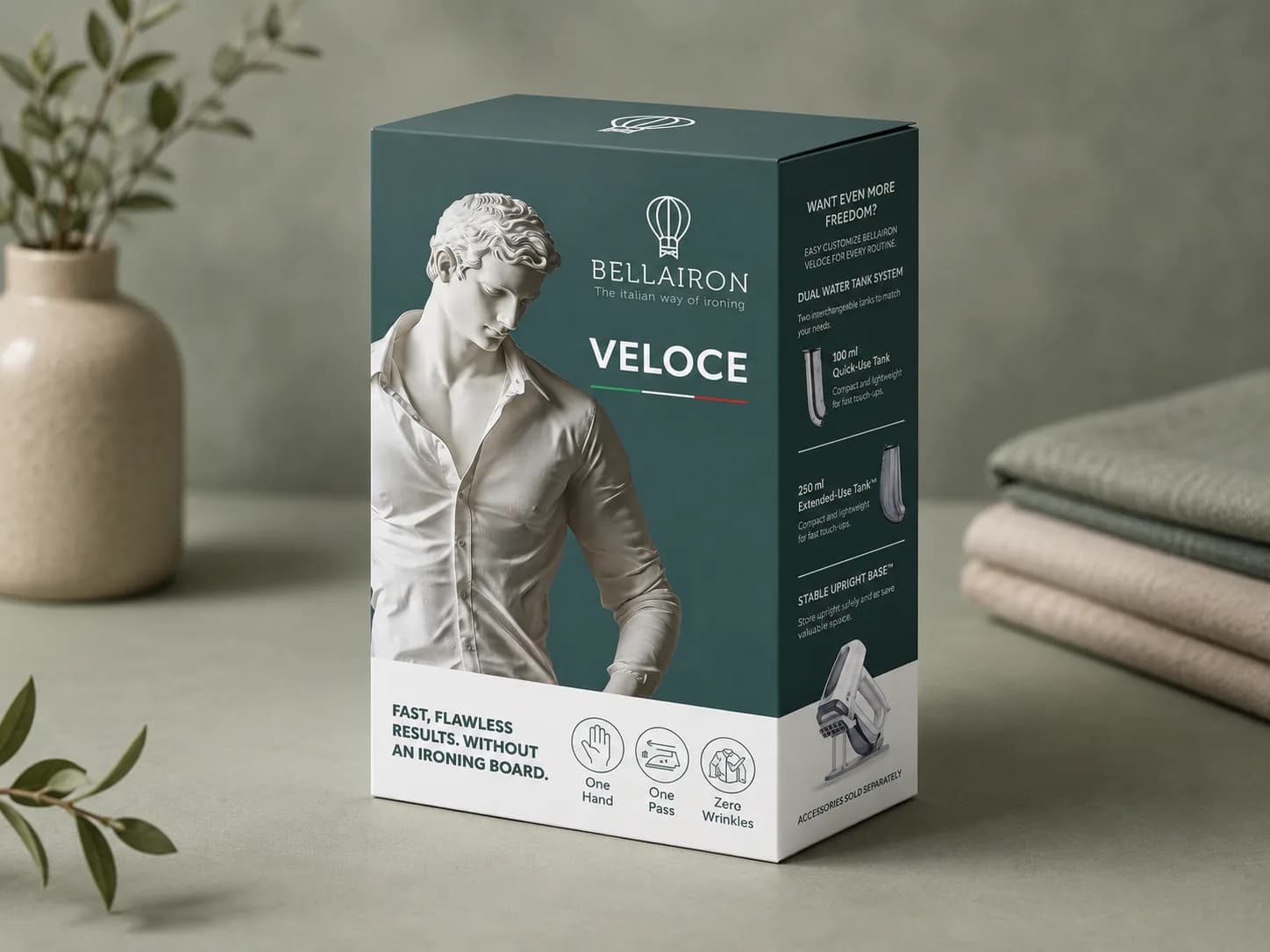

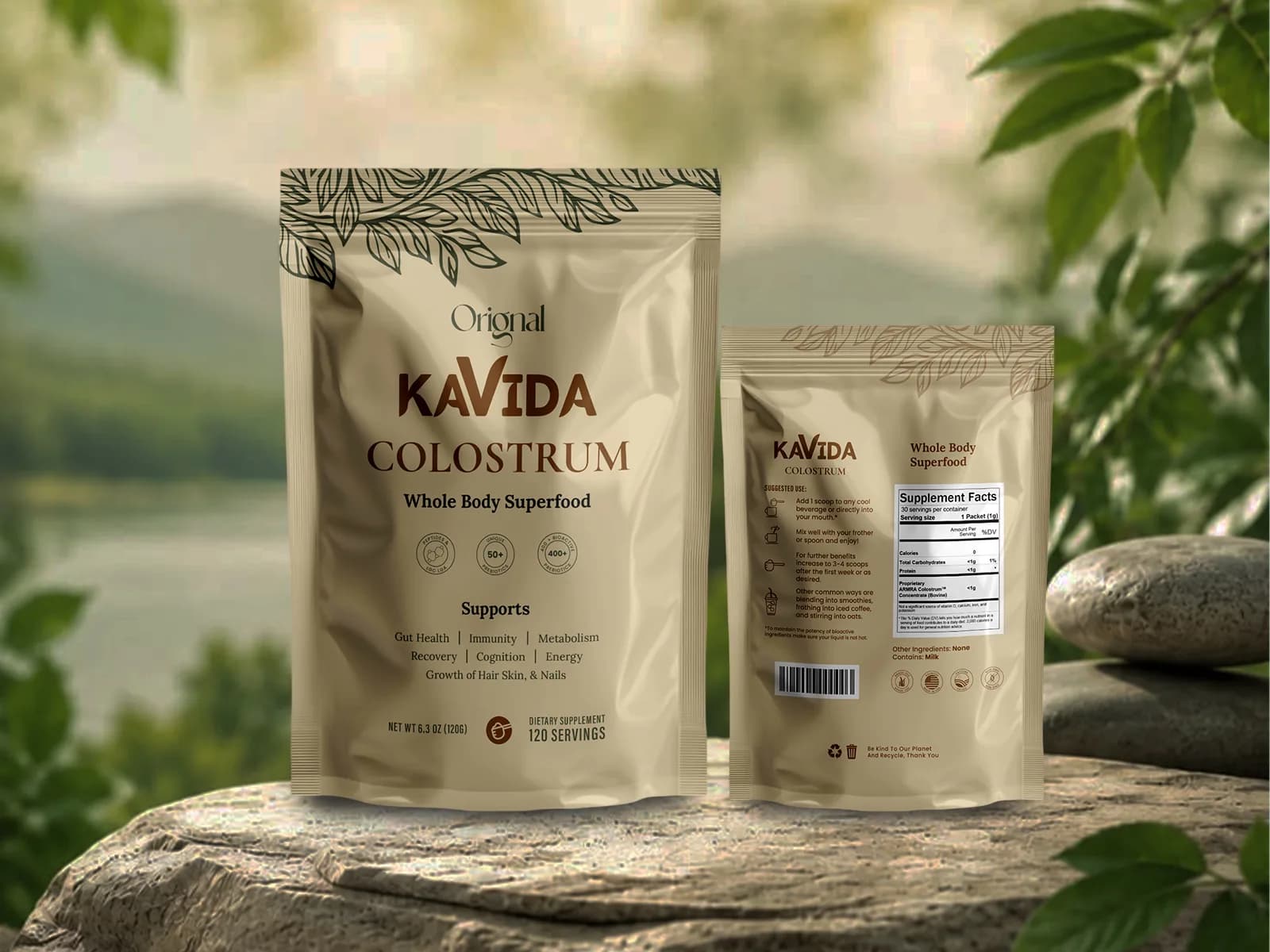
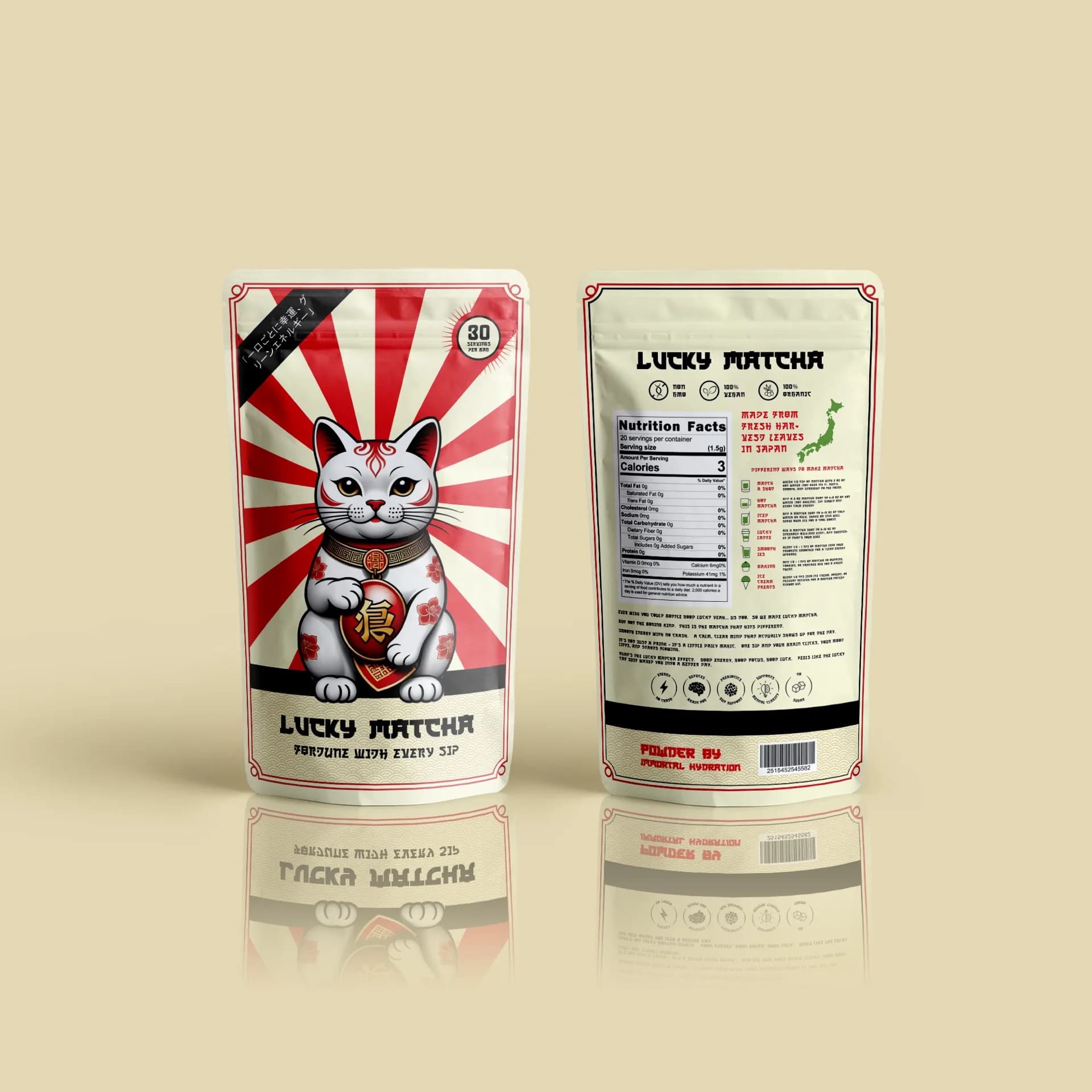

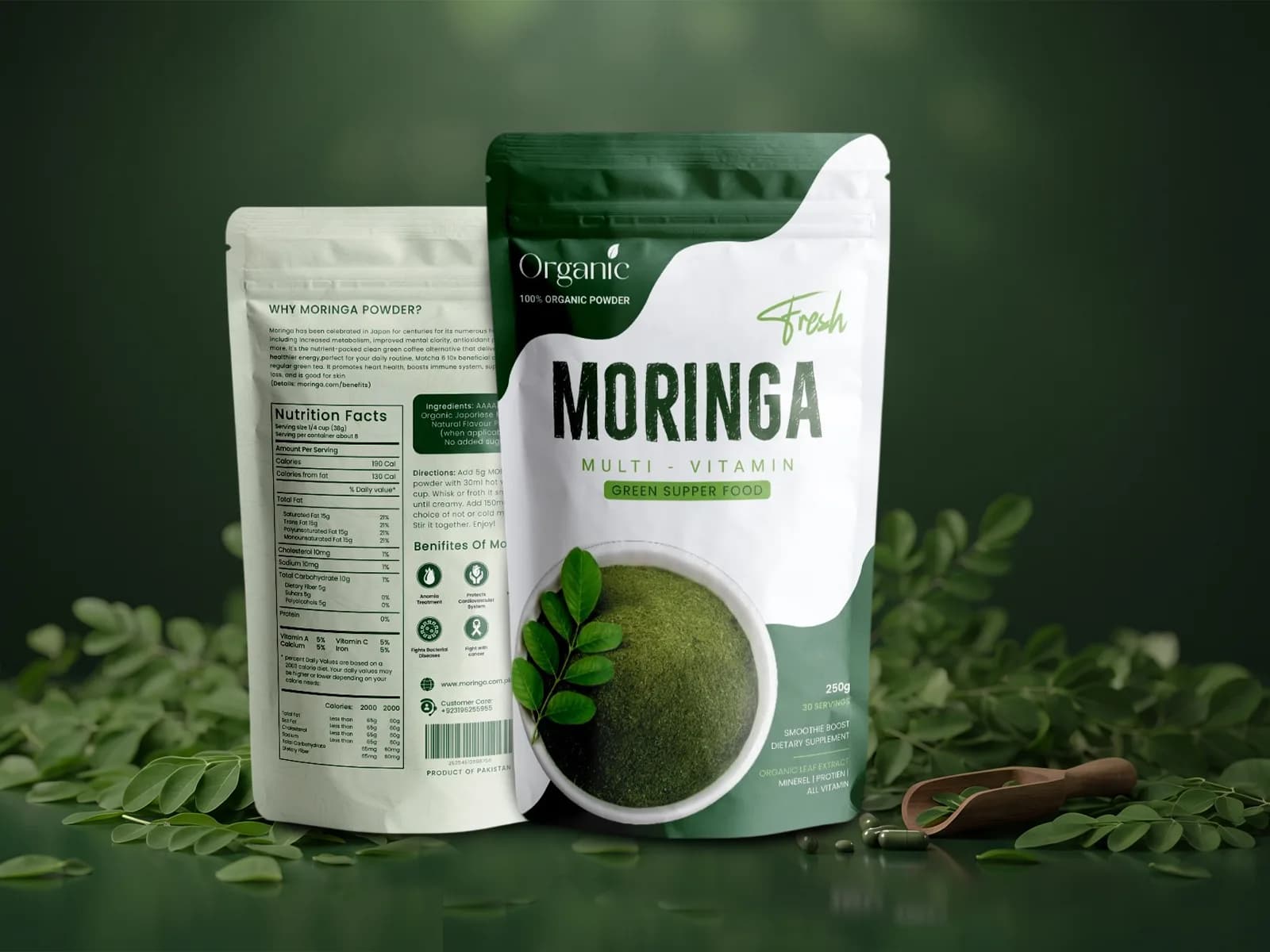
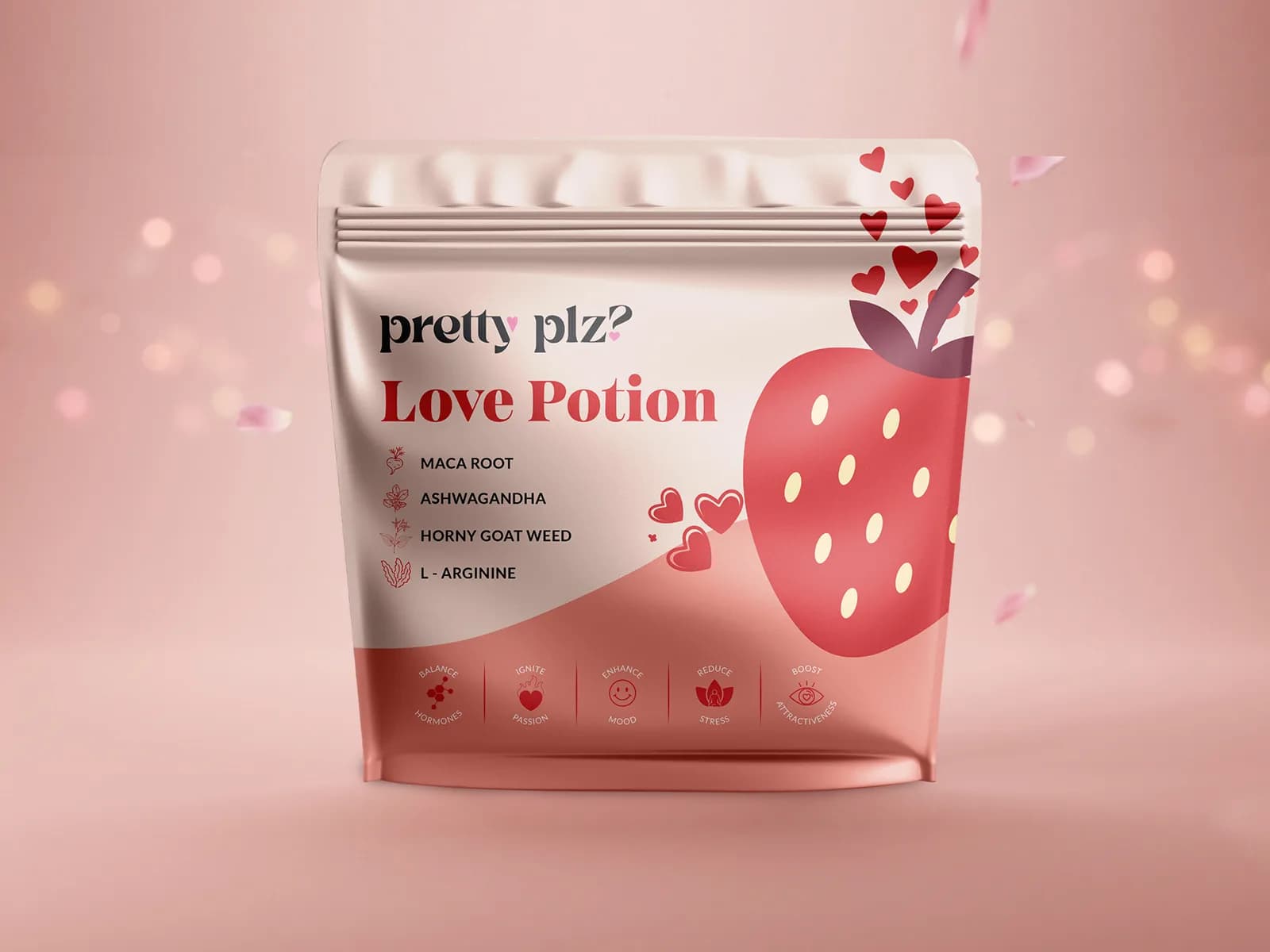
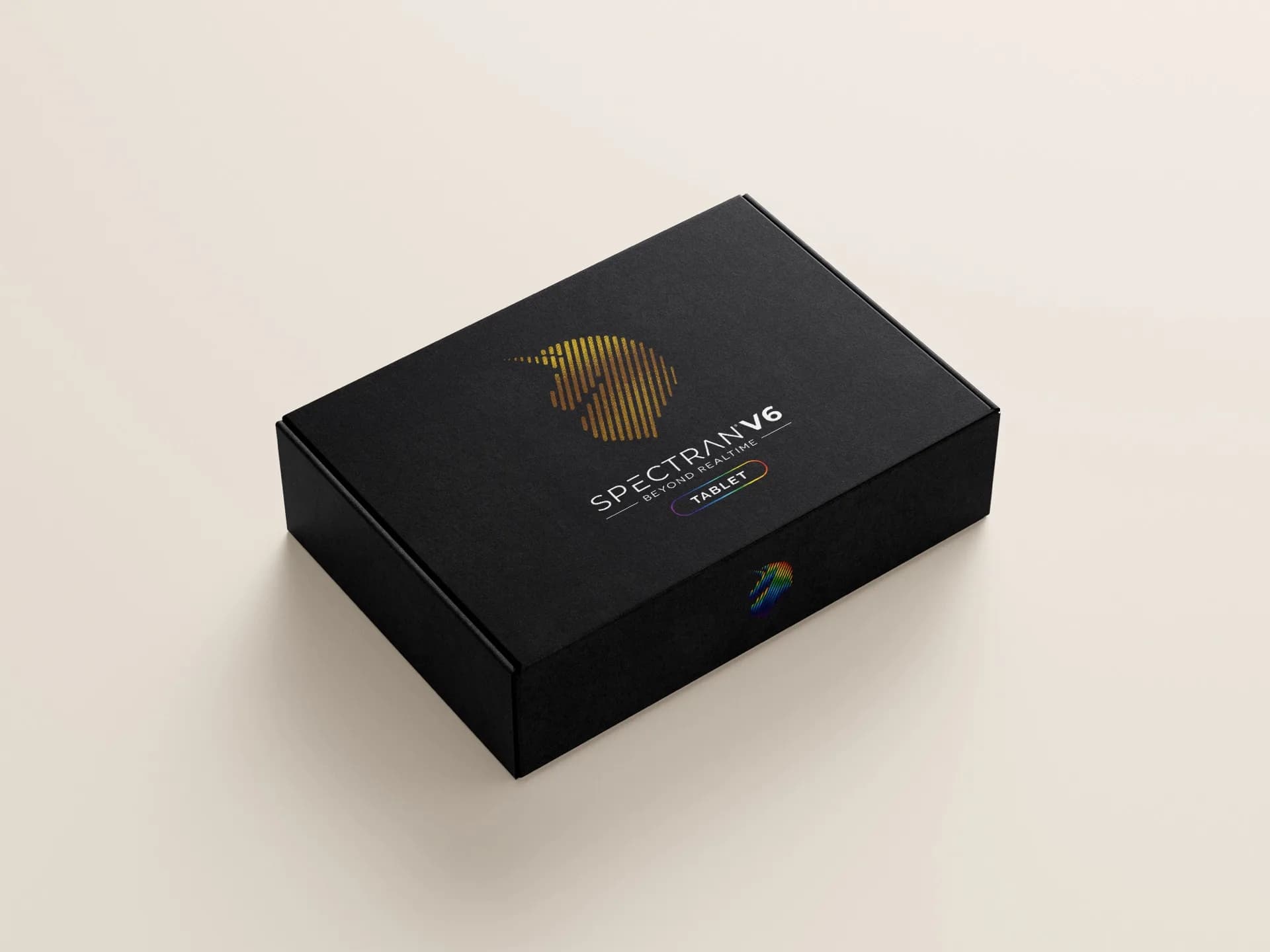
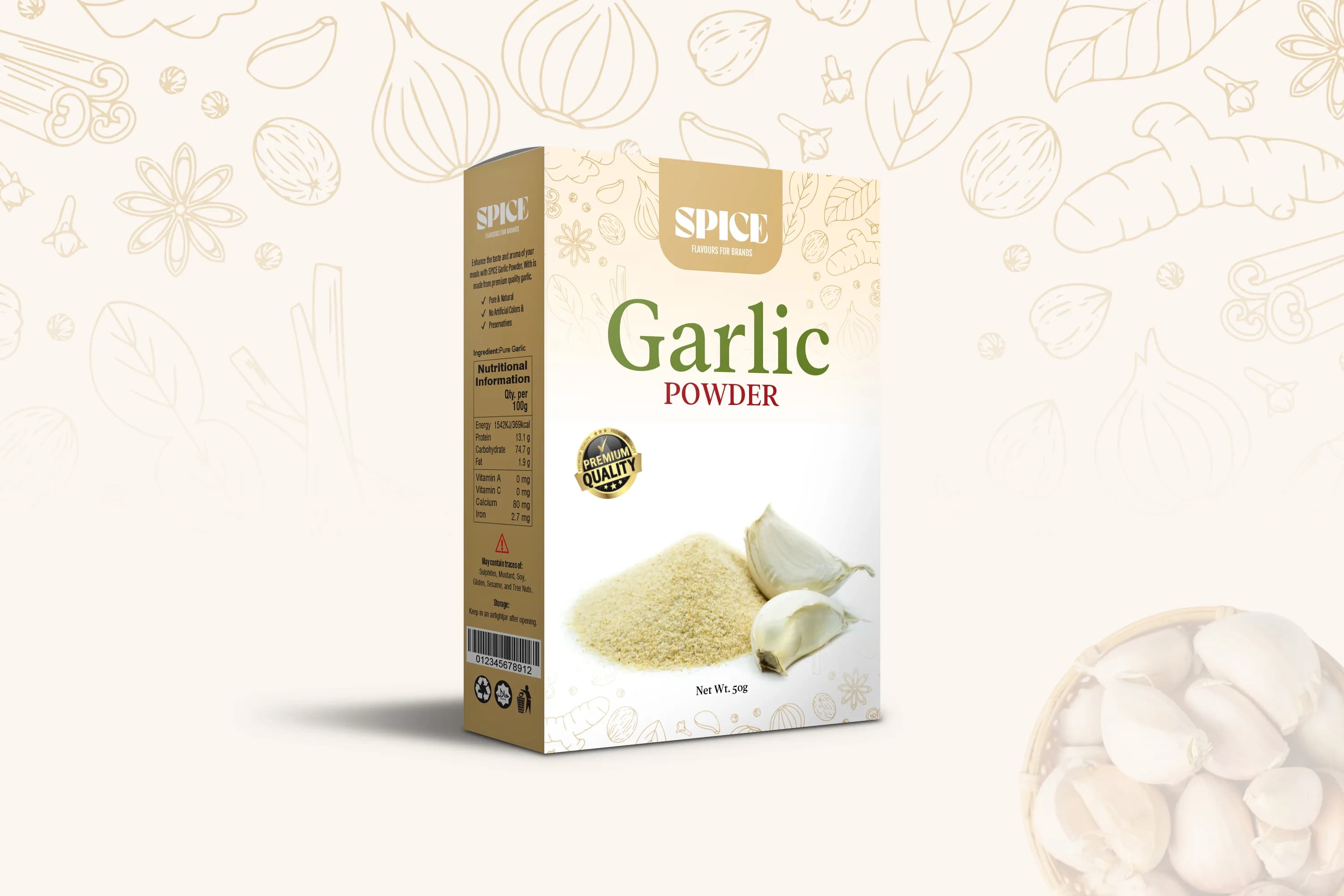
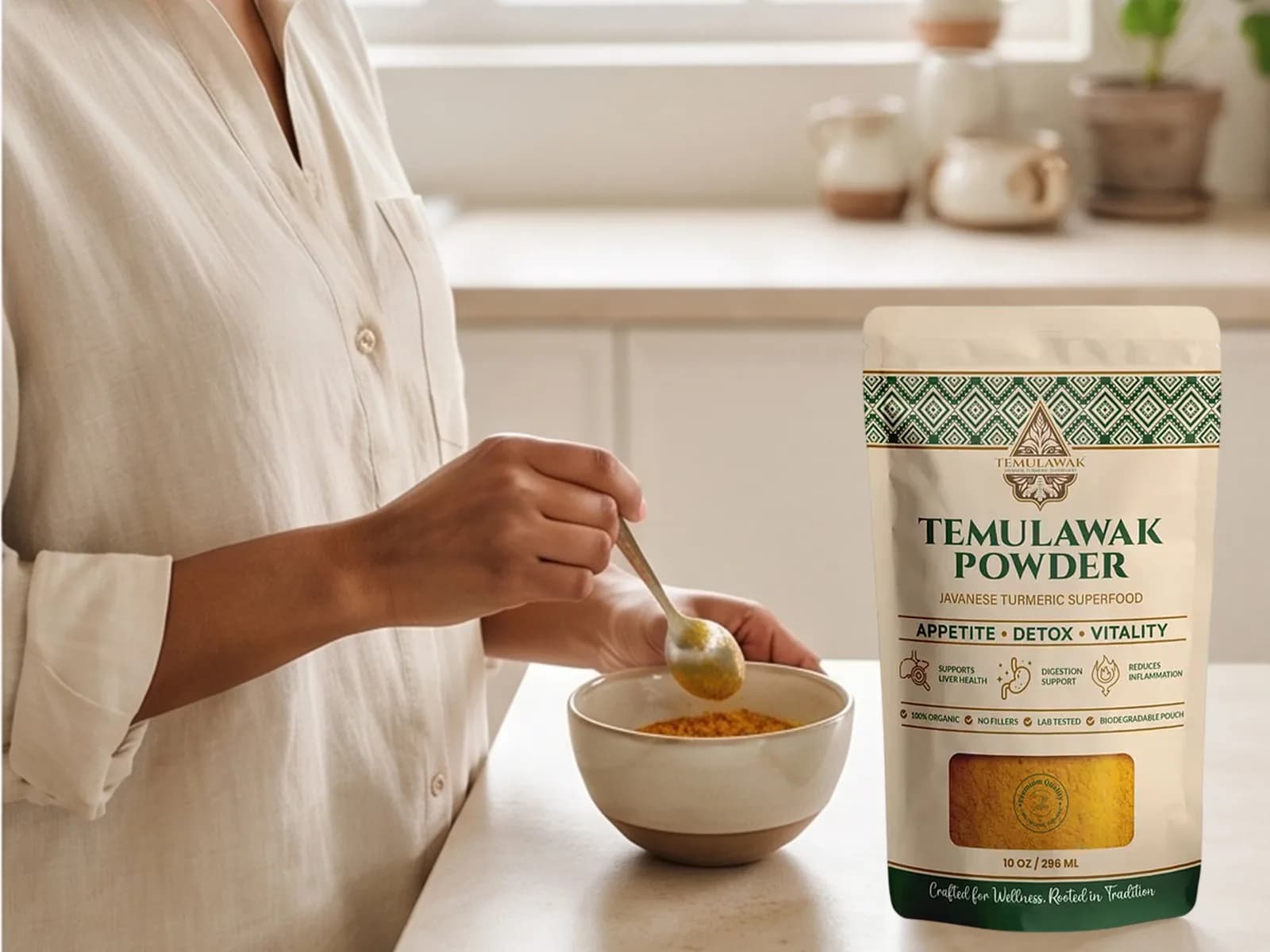
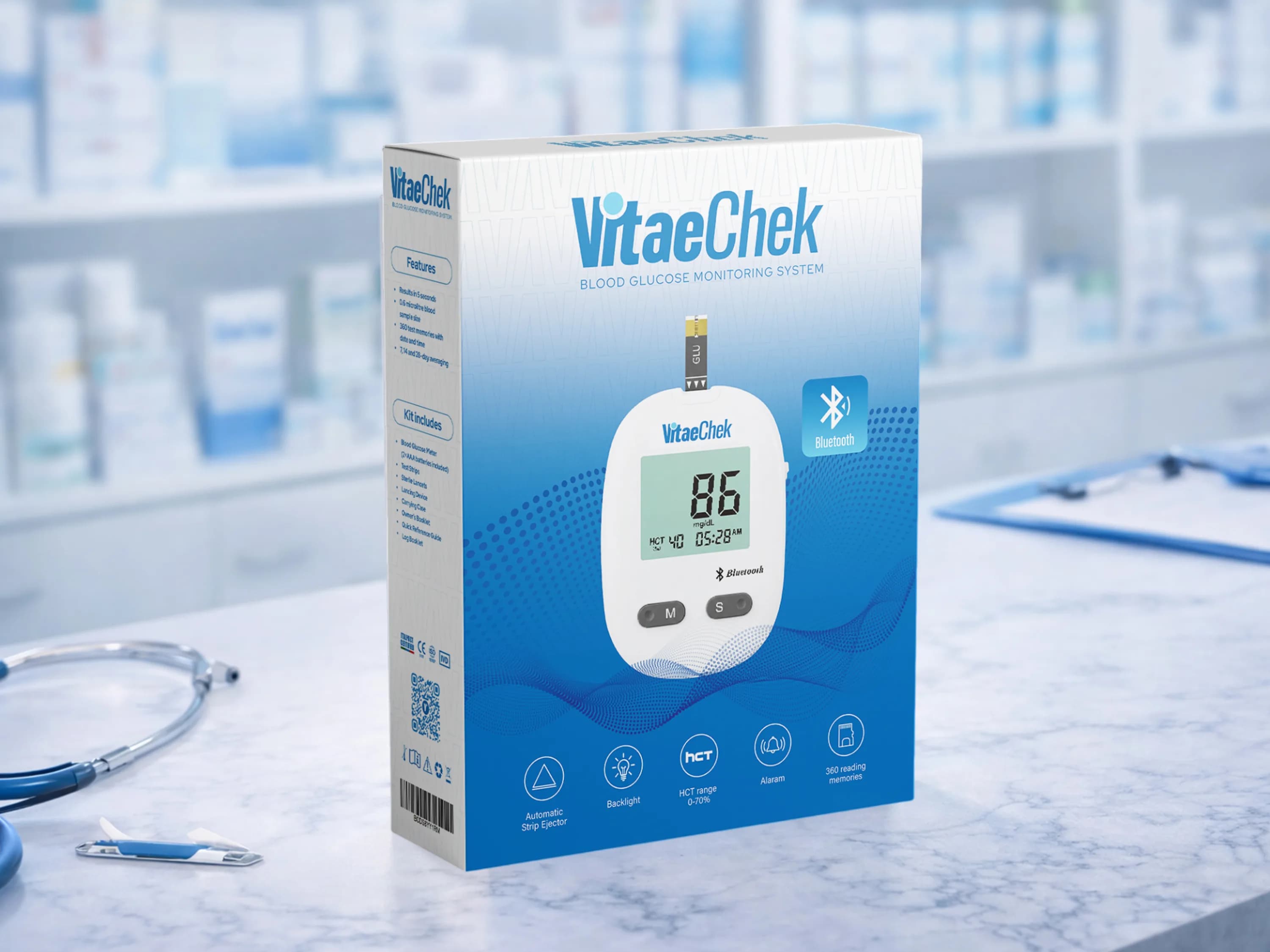
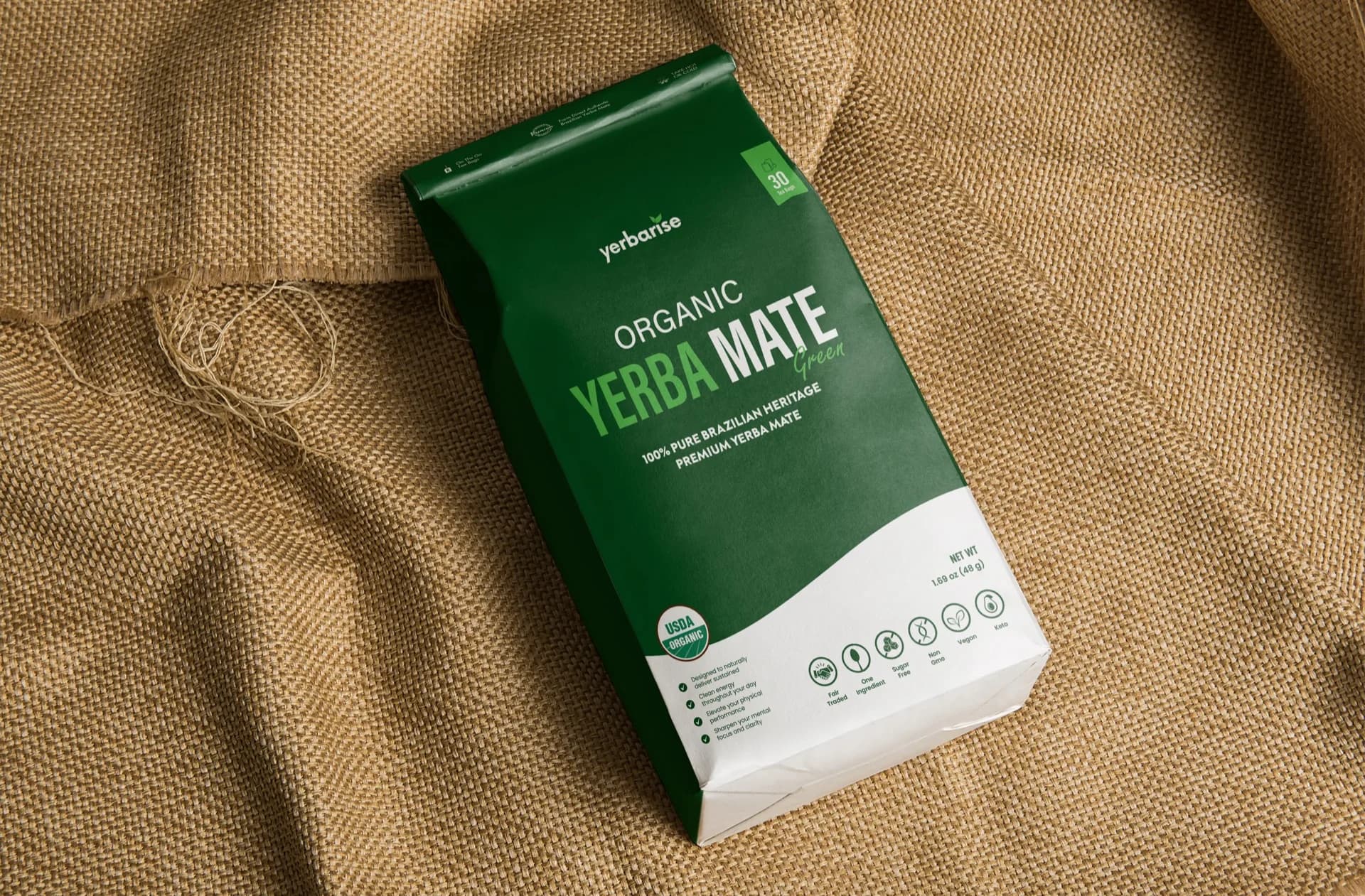
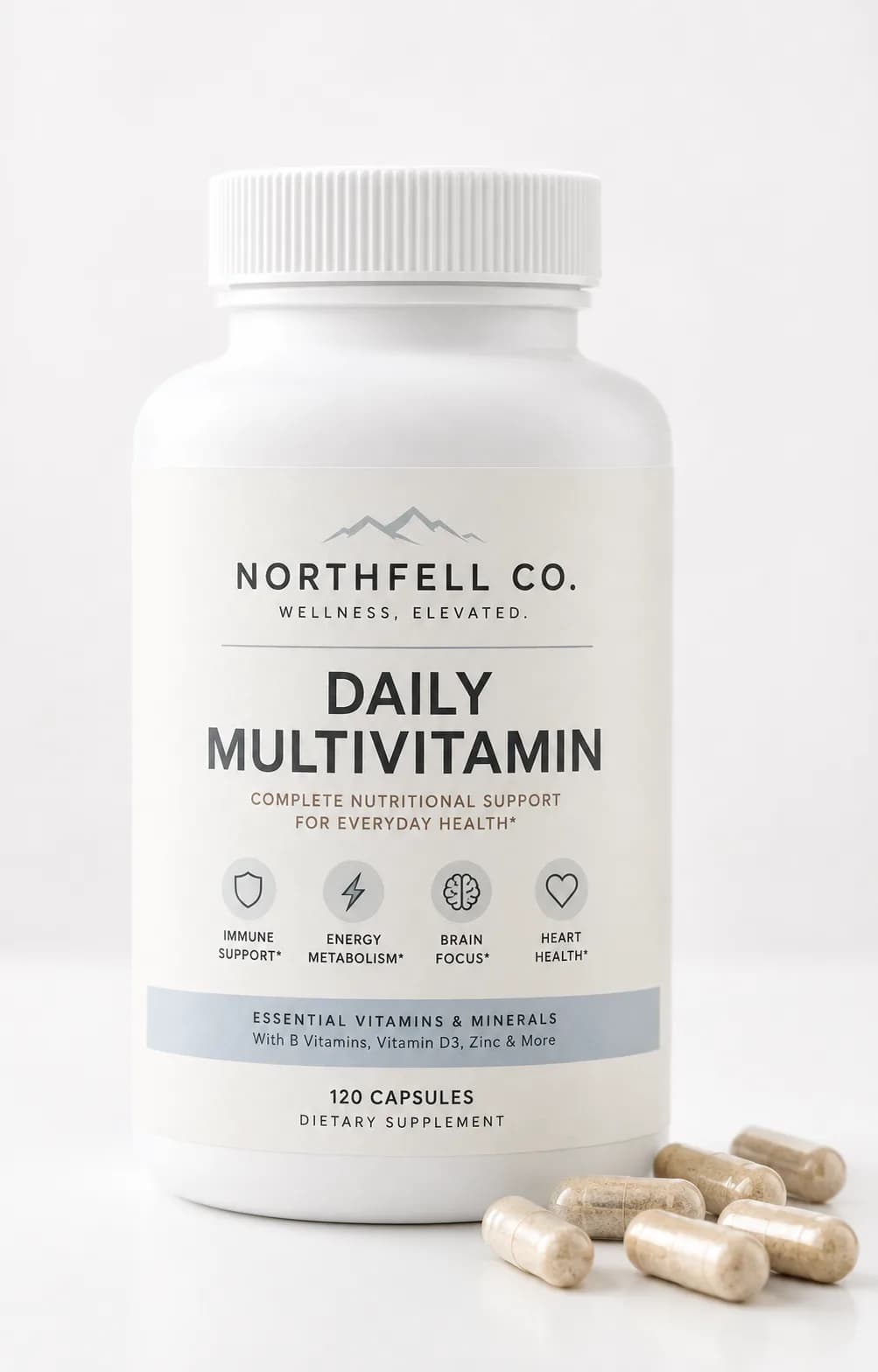
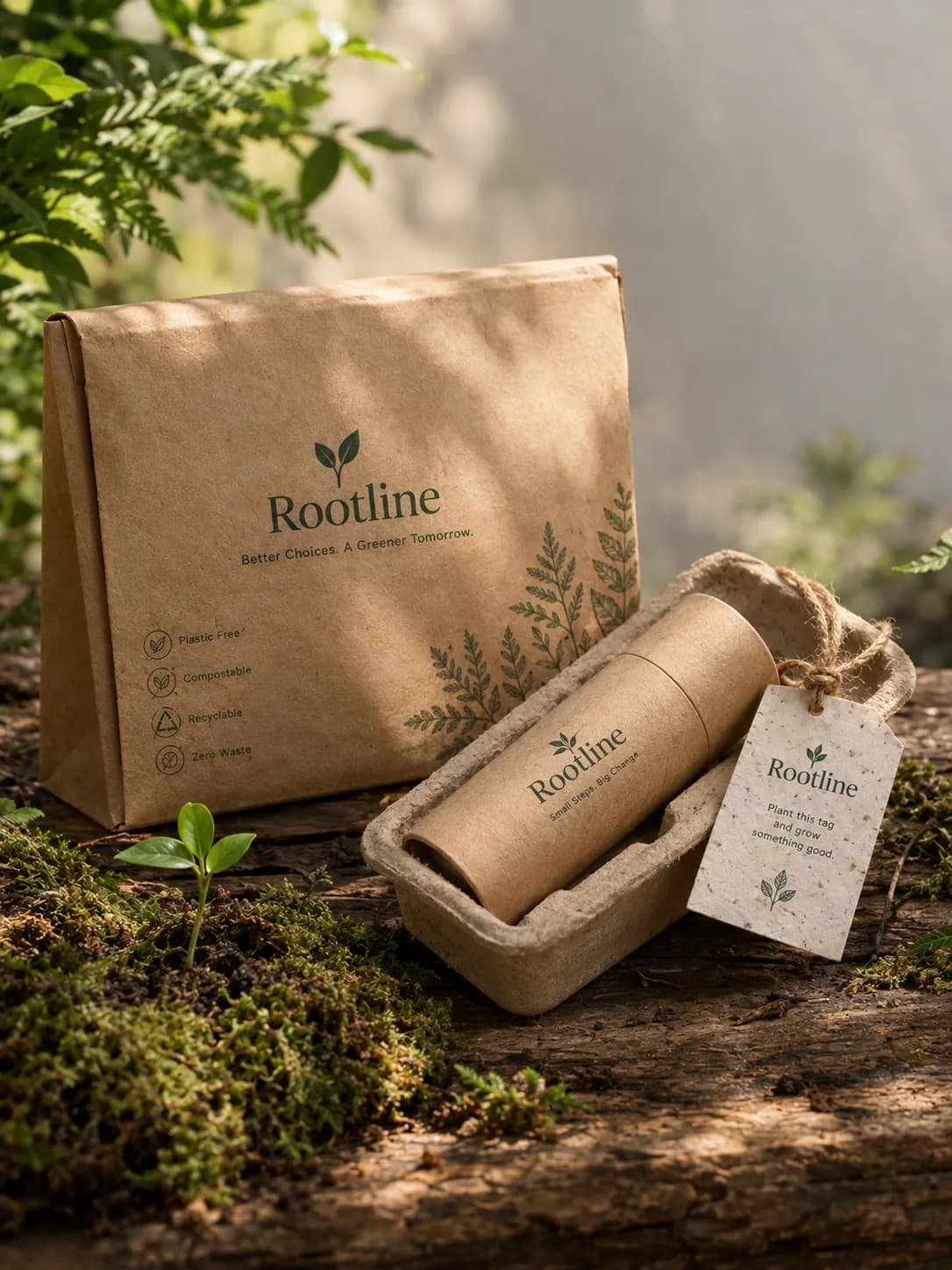
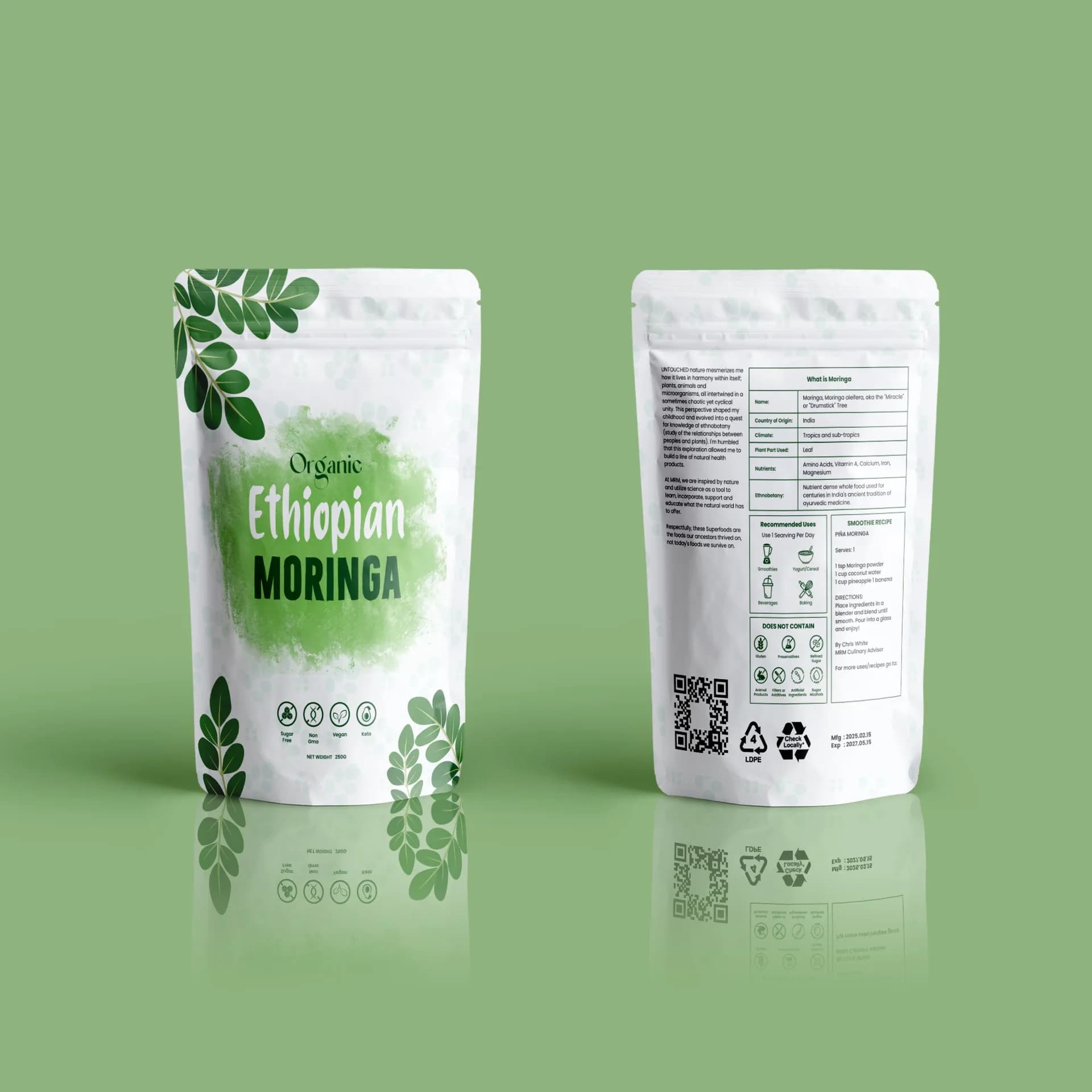
We're always-on to deliver the
packaging you want, when you need it
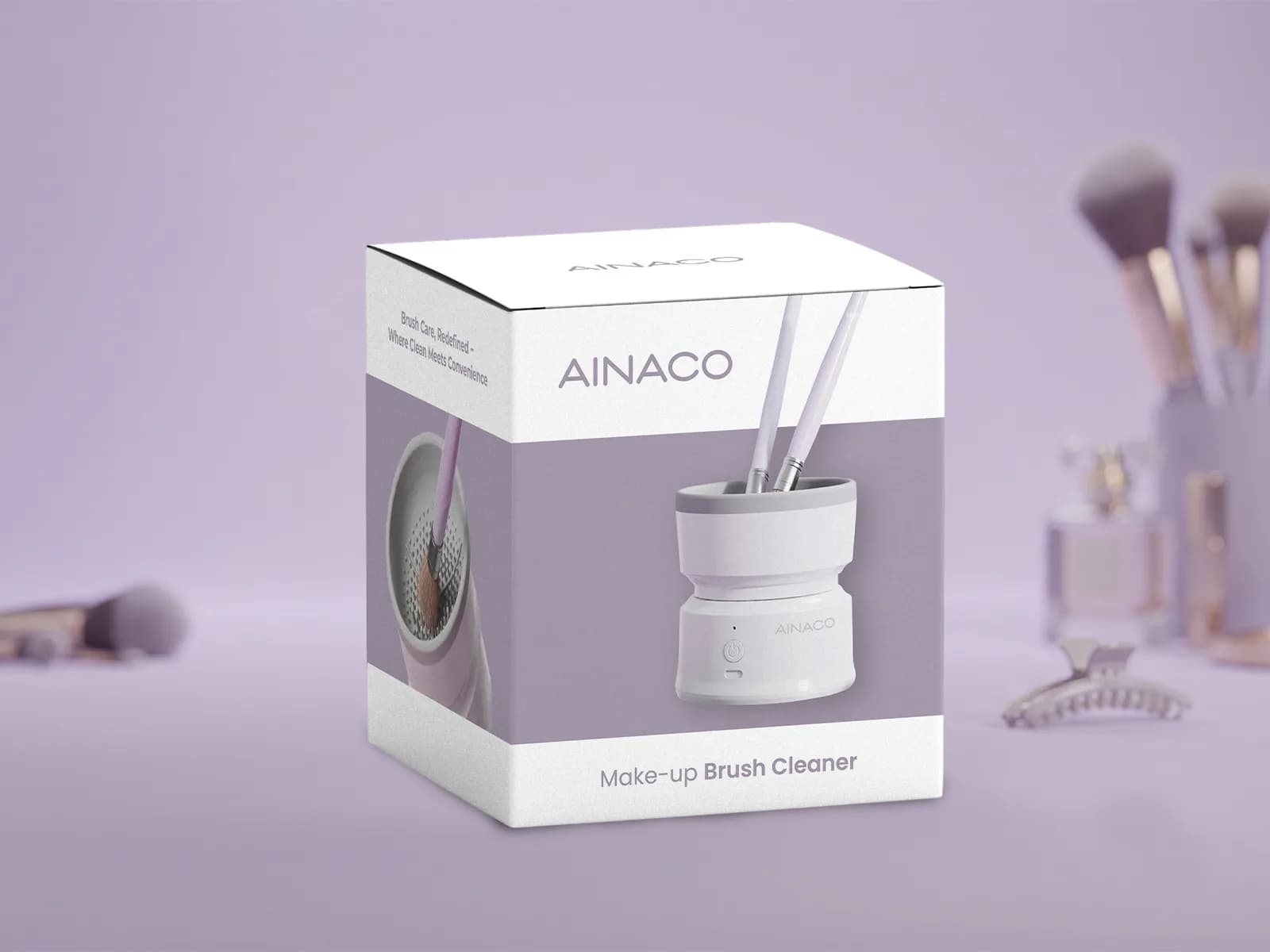
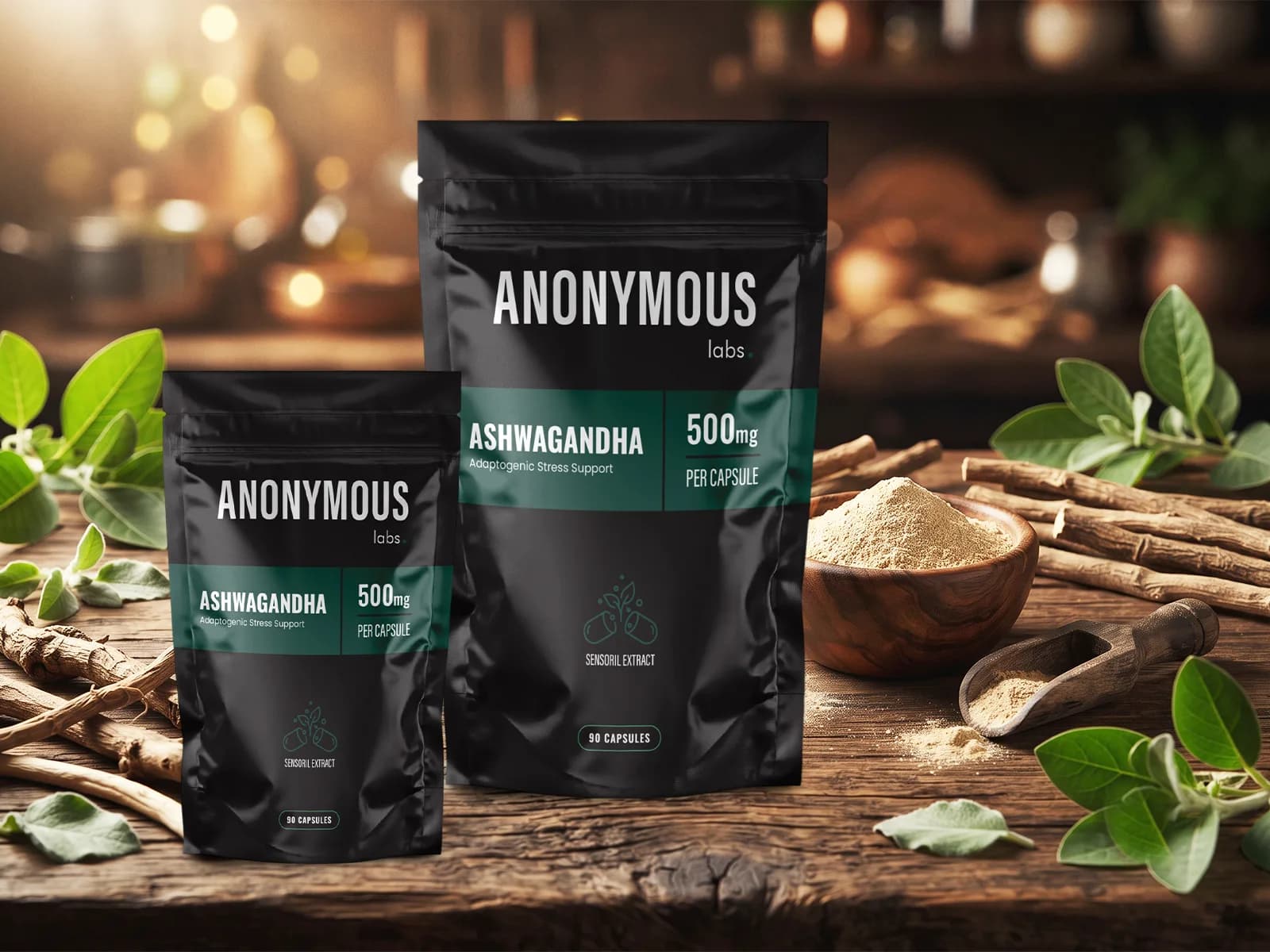
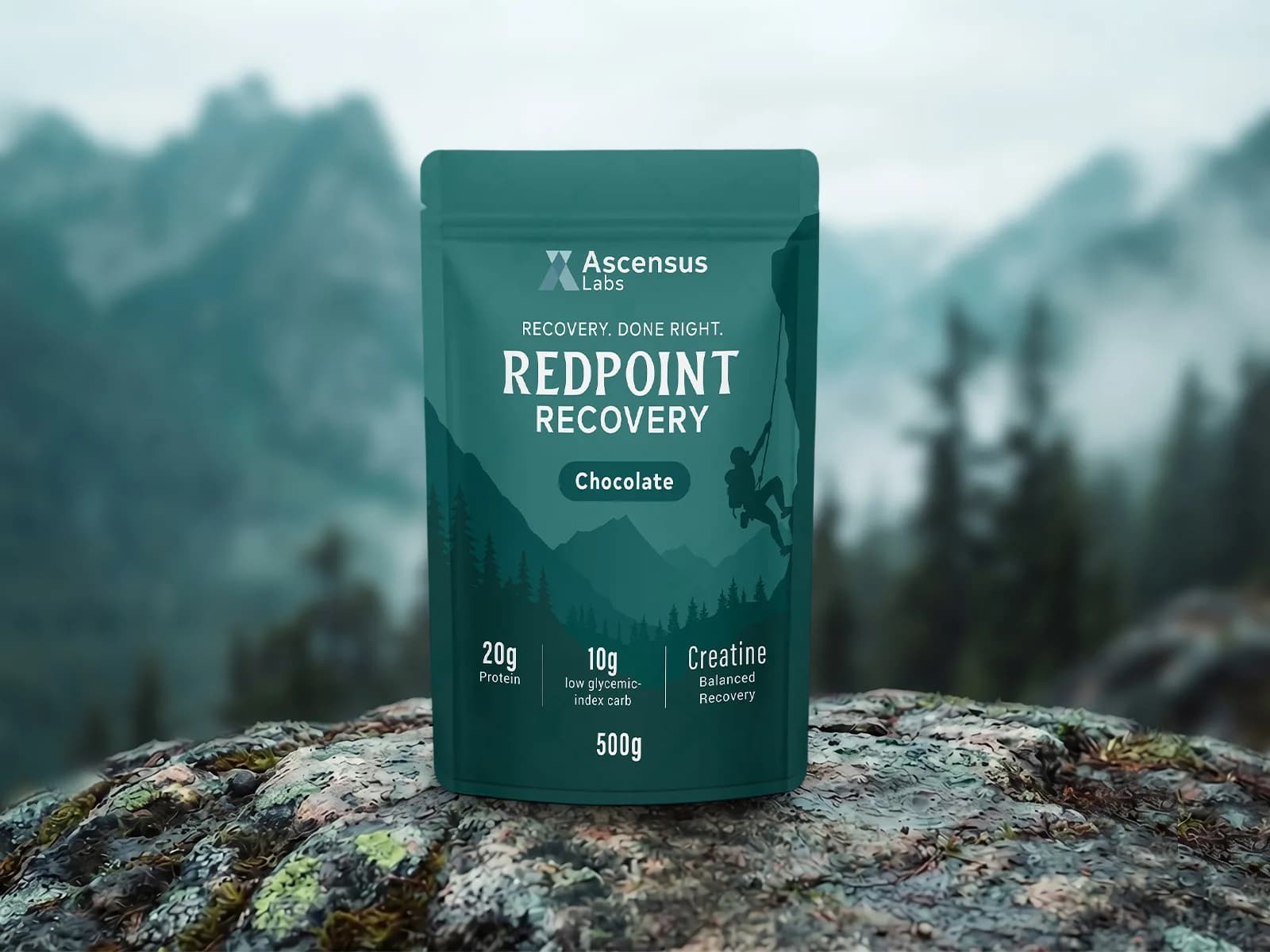
Print-ready packaging files
Material specification guide
Eco-certification artwork
Dieline with material callouts
3D eco mockup renders
Sustainable Packaging Design: The Complete Guide
A complete reference for brand managers, designers, and marketers making packaging decisions.
The Basics
What sustainable packaging design really involves
Sustainable packaging isn't a look. Kraft paper and green leaves don't make a pack better for the environment, and a glossy pack isn't automatically worse. What matters is how much material is used, what it's made from, how it's produced, and what actually happens to it after use.
That last point catches many brands out. Whether a pack gets recycled or composted depends on the collection and processing facilities where the customer lives, not just on the material. A pack that's recyclable in one region may go to landfill in another.
It's also an area where claims are scrutinised. Environmental claims on packaging need to be accurate and backed by evidence, and the rules on what you can say are getting stricter in several markets.
A useful way to think about it is the pack's whole life: what it's made from, how far it travels, how well it protects the product and where it ends up. Improving one stage can make another worse, so it pays to look at all four.
Trade-offs, not perfect answers
The challengeSwitching material can affect shelf life, product protection, print quality and cost. A pack that wastes food to save plastic isn't a win.
Our approachWe look at the whole pack with you and your supplier, and present options with their trade-offs rather than a single "green" answer.
Claims have to hold up
The challengeVague words like "eco" or "planet-friendly" can mislead customers and attract complaints or enforcement.
Our approachWe write and place only specific claims that you can support with evidence from your suppliers, and flag anything that needs checking with an adviser.
Design Decisions
Materials, structure and honest claims
The biggest environmental gains usually come from structural and material decisions, made before any graphics.
- Use less. Right-sizing the pack, removing unnecessary layers or inserts and reducing board weight often has more effect than changing material.
- Mono-material where possible. Packs made from a single material type are generally easier to sort and recycle than mixed laminates, as long as local facilities accept that material.
- Recycled content. Recycled board, paper and some plastics are widely available. Ask your supplier for documentation of the recycled percentage before you mention it on pack.
- Compostable options. Compostable materials only help where they reach suitable composting facilities. Many need industrial composting and won't break down at home, so check what's realistic for your customers.
- Inks, coatings and finishes. Heavy laminates, metallic foils and some coatings can make recycling harder. Discuss with your printer which finishes suit the recycling route you're aiming for.
Disposal instructions help more than slogans. Telling customers which parts go where, for example "remove the film, recycle the carton", gives the pack a real chance of being recycled where facilities exist.
Recyclability depends on local facilities, so a recycling claim that's true in one country may not be true in another. In several markets, claims such as "recyclable", "compostable" or "made from recycled material" must be accurate, specific and backed by evidence, and some have rules about which recycling labels can be used. Check the current guidance for each market with the relevant authority or a specialist adviser before printing any environmental claim or symbol. We'll design the claims you've confirmed; we can't verify them for you.
"Carton made from 80% recycled board" can be checked. "Eco-friendly packaging" can't. If you can't state a claim specifically and back it with supplier documents, leave it off the pack.
The Process
How we approach sustainable packaging projects
The order matters: structure and materials first, then claims, then graphics.
Current pack and goals
We review your existing packaging, product needs and sales markets, and agree what you're trying to improve: less material, recyclability, recycled content or something else.
Material and structure options
With your supplier's specifications in hand, we sketch structural options and outline their trade-offs in protection, cost and appearance.
Claims list
We list the environmental claims you might make, note the evidence each would need from suppliers, and mark which ones to confirm with an adviser.
Design and mockups
Graphics designed for the chosen material, shown as mockups so you can see how uncoated or recycled substrates affect colour and texture.
Artwork and proofs
Print-ready files set up for the substrate, with confirmed claims and disposal instructions placed clearly, and a review of the printer's proof when shared. Disposal instructions are checked against the materials actually specified.
Costs and Pitfalls
Sustainable packaging mistakes, costs and alternatives
Green styling without substance
Kraft textures and leaf motifs on a pack that hasn't changed at all. Customers and regulators are increasingly alert to it.
Universal recycling claims
Printing "fully recyclable" on a pack sold in many places, when collection varies widely between them.
Ignoring product protection
Choosing a lighter or simpler material that lets the product spoil or break. Damaged products waste far more than the packaging saved.
Forgetting colour shift
Recycled and uncoated boards absorb ink differently. Bright brand colours can look duller, so test them on the real substrate.
The cost of a more sustainable pack depends on what you change:
- Material choice. Some recycled, mono-material or compostable options cost more per unit, while using less material can cost less.
- Structural change. New formats may need new tooling, dielines and line trials.
- Evidence for claims. Supplier documents, certifications or specialist advice to support claims sit outside design costs but need budgeting.
- Range rollout. Changing material across many SKUs multiplies artwork and checking time.
- Print adjustments. New substrates may need different colour set-ups, inks or proofing.
Sometimes a smaller step is the right one. If you can't change materials yet, removing unnecessary components or right-sizing the pack is a practical start. If organic certification is the main story, an organic packaging project focuses on those claims. And if you're unsure where to begin, a consultation can map the options before you commit to a redesign. Refill and reusable formats are another route, though they change how the product is sold and need their own planning.
Got Any Questions?




Your packaging deserves
better than “good enough.”
Book a free 15-minute call and we'll scope your packaging together — or send us a message to get started.