
Service
Organic Packaging Design
Packaging that wears its values honestly.
Organic consumers are savvy. They can spot greenwashing instantly. We design organic packaging that authentically communicates your values — using honest typography, natural textures, and material choices that back up every claim on the label.
Quick Answer
Organic packaging design creates artwork for certified organic products — covering USDA NOP, COSMOS, and Soil Association mark usage, mandatory organic claim formatting, and print-ready files designed for sustainable substrates.
What's Included
Everything delivered, as standard
Every Organic Packaging Design project includes these deliverables — no extras, no upsells, no surprises.
Packaging expertise across
6 product categories
Organic Food
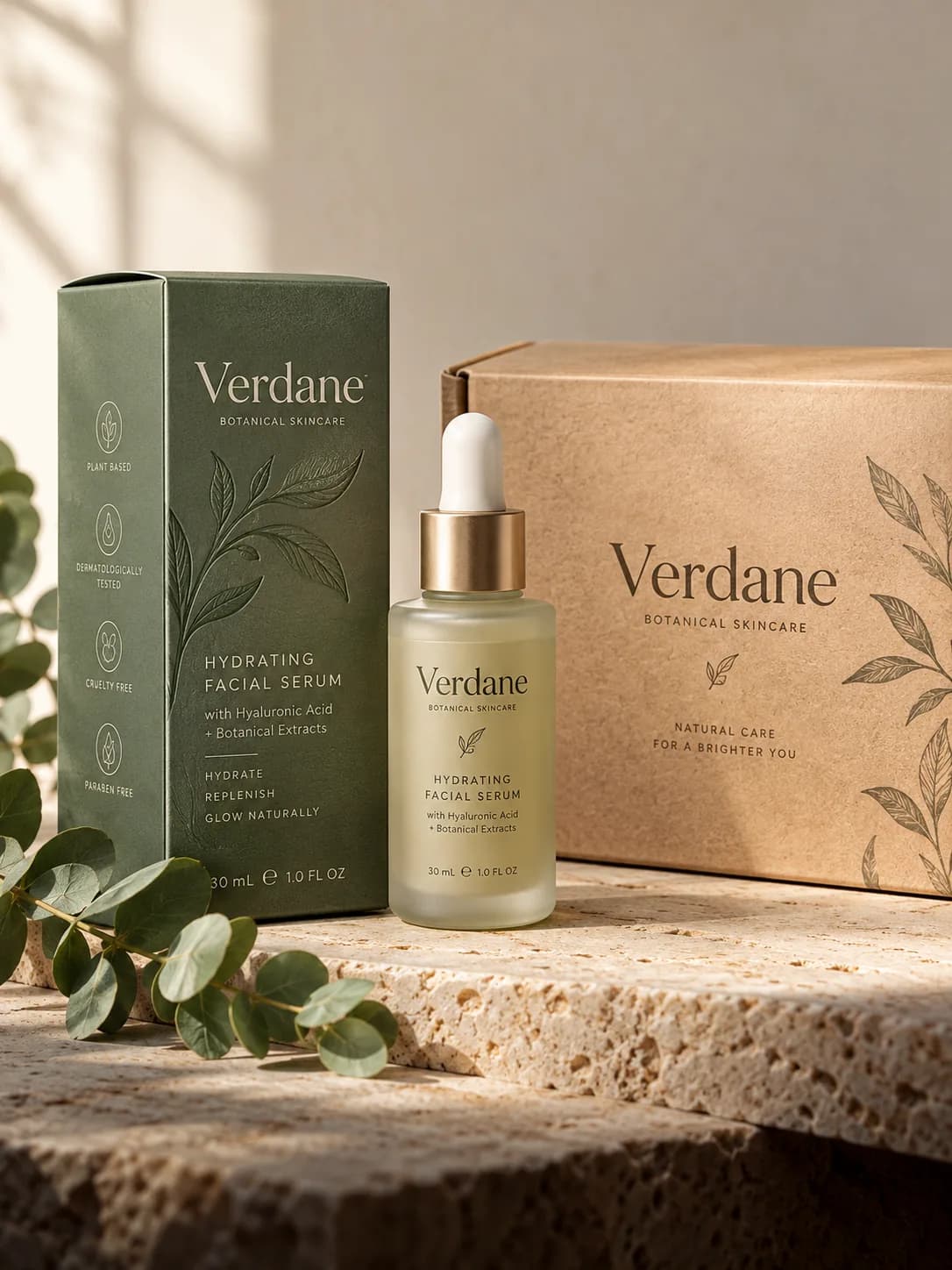
Natural Beauty
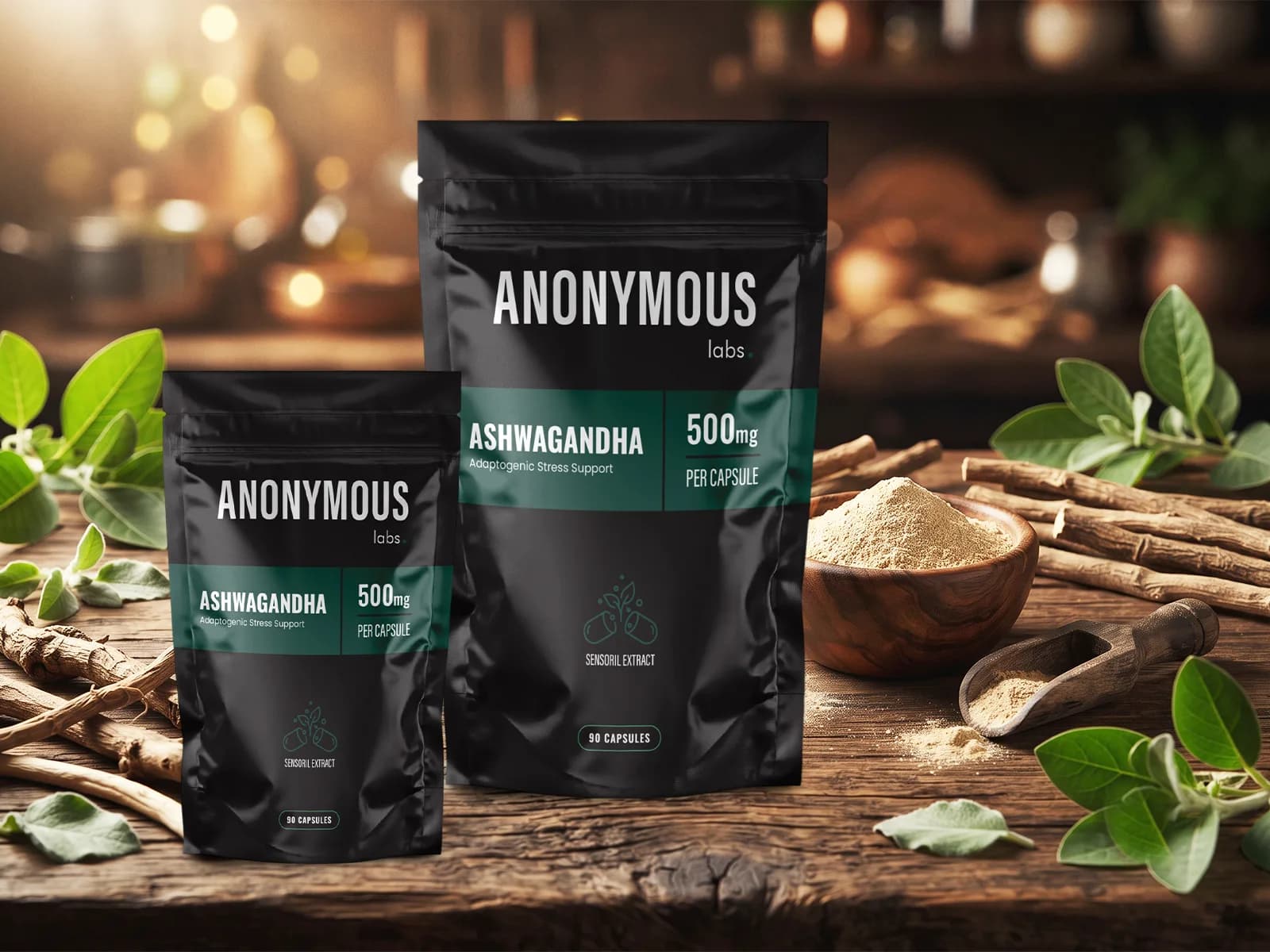
Herbal Supplements
Organic Baby Products
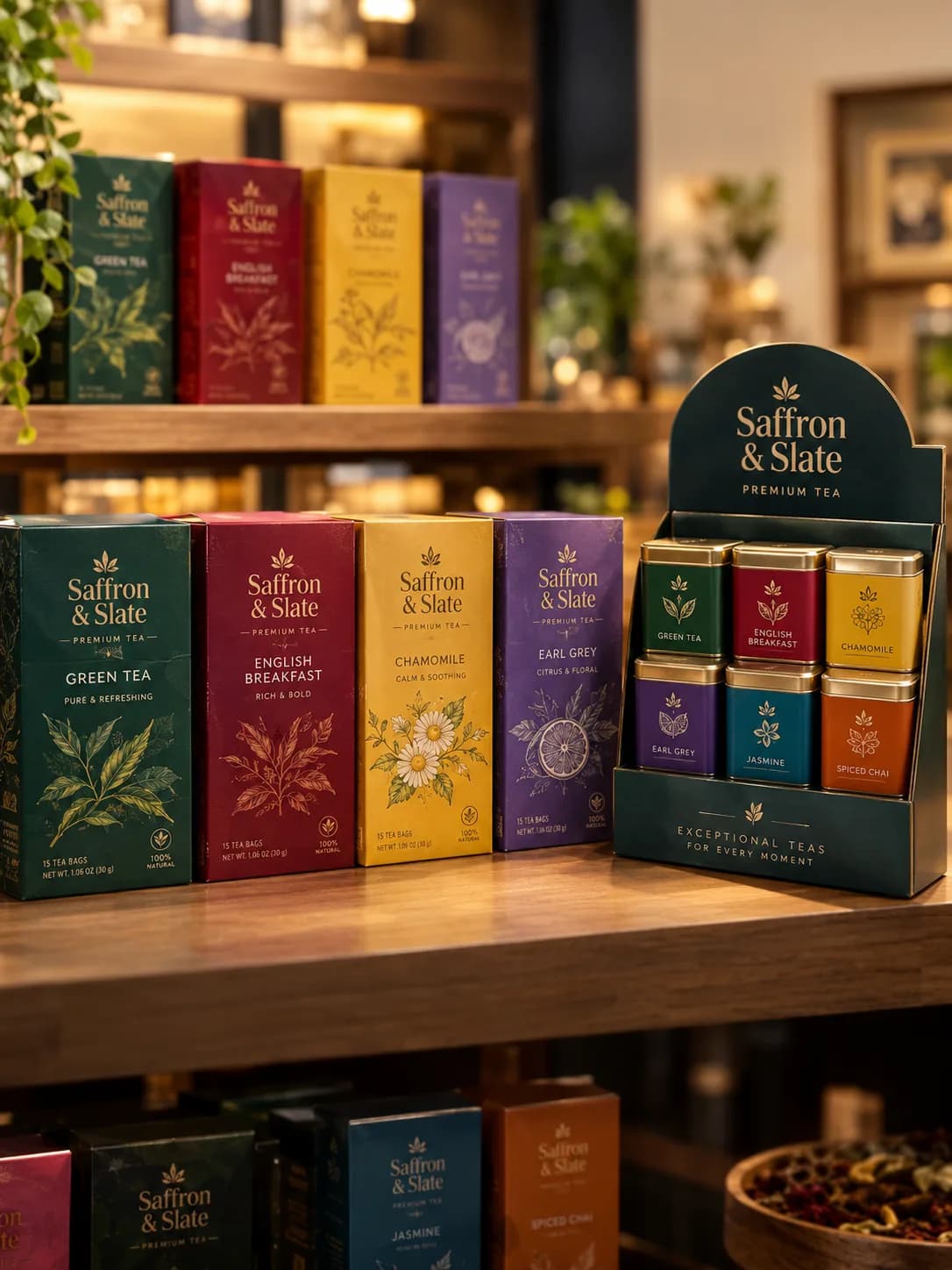
Organic Coffee & Tea
Sustainable Home Products
Organic Packaging Design
Packaging that wears its values honestly.
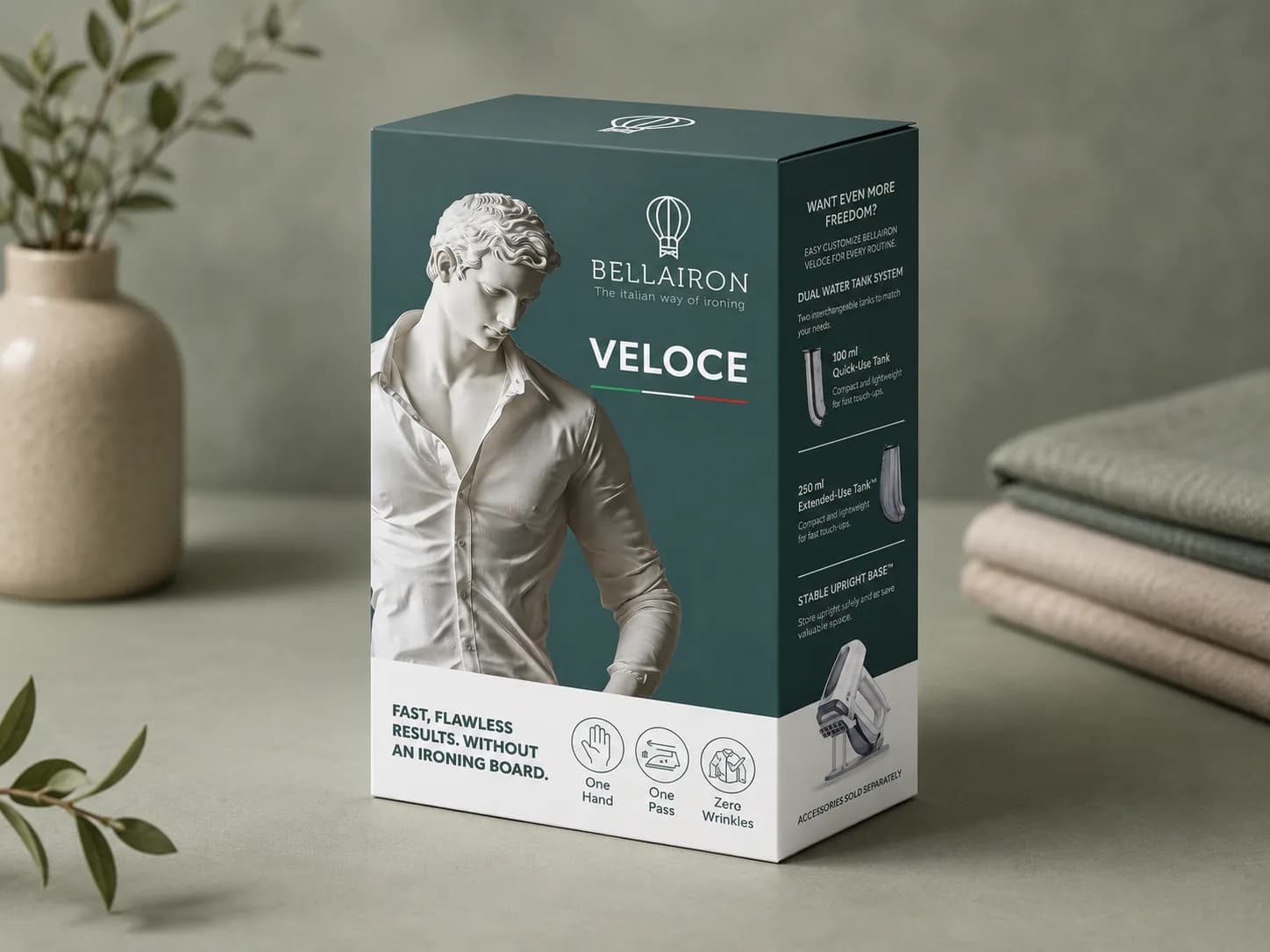

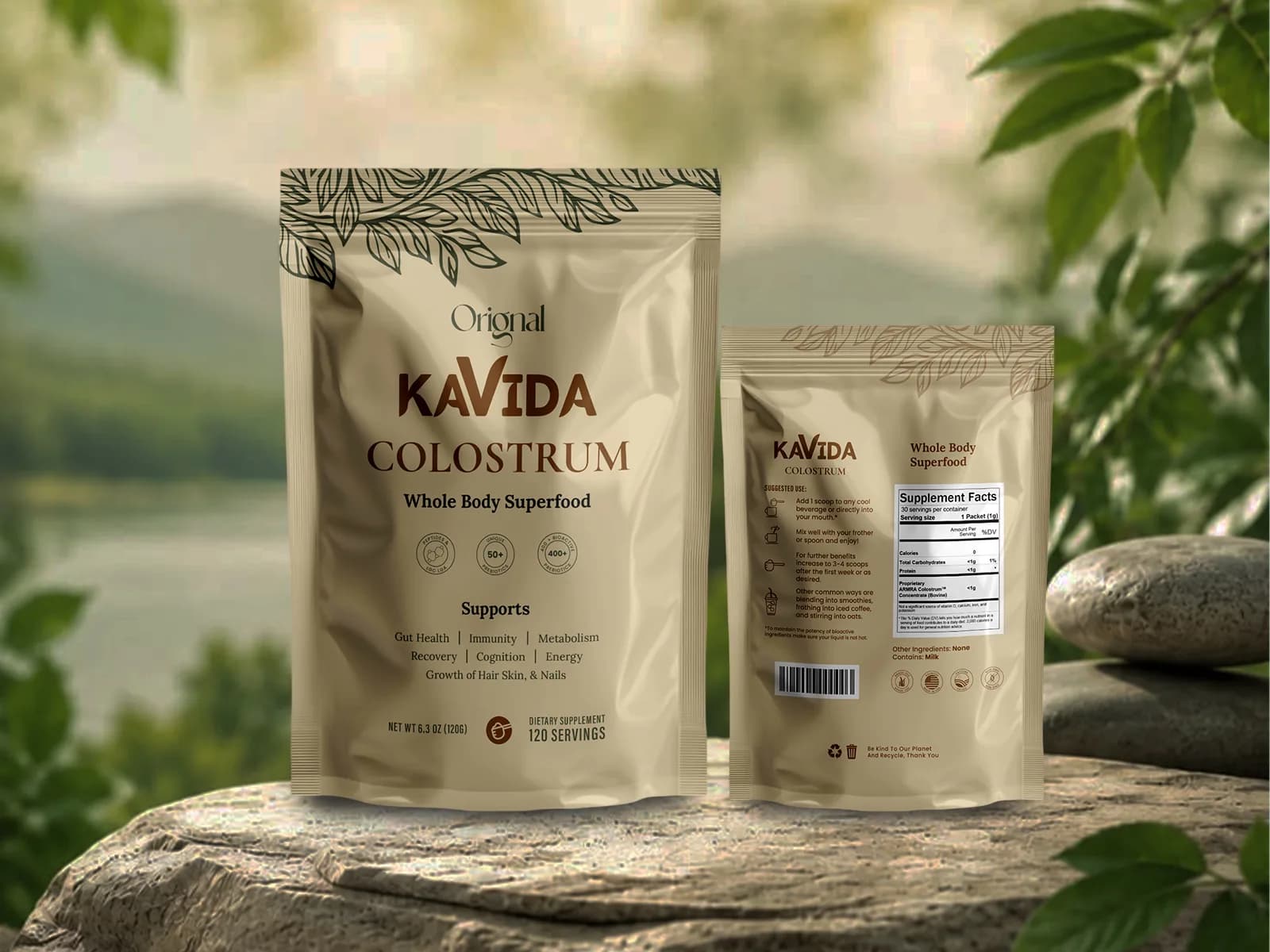
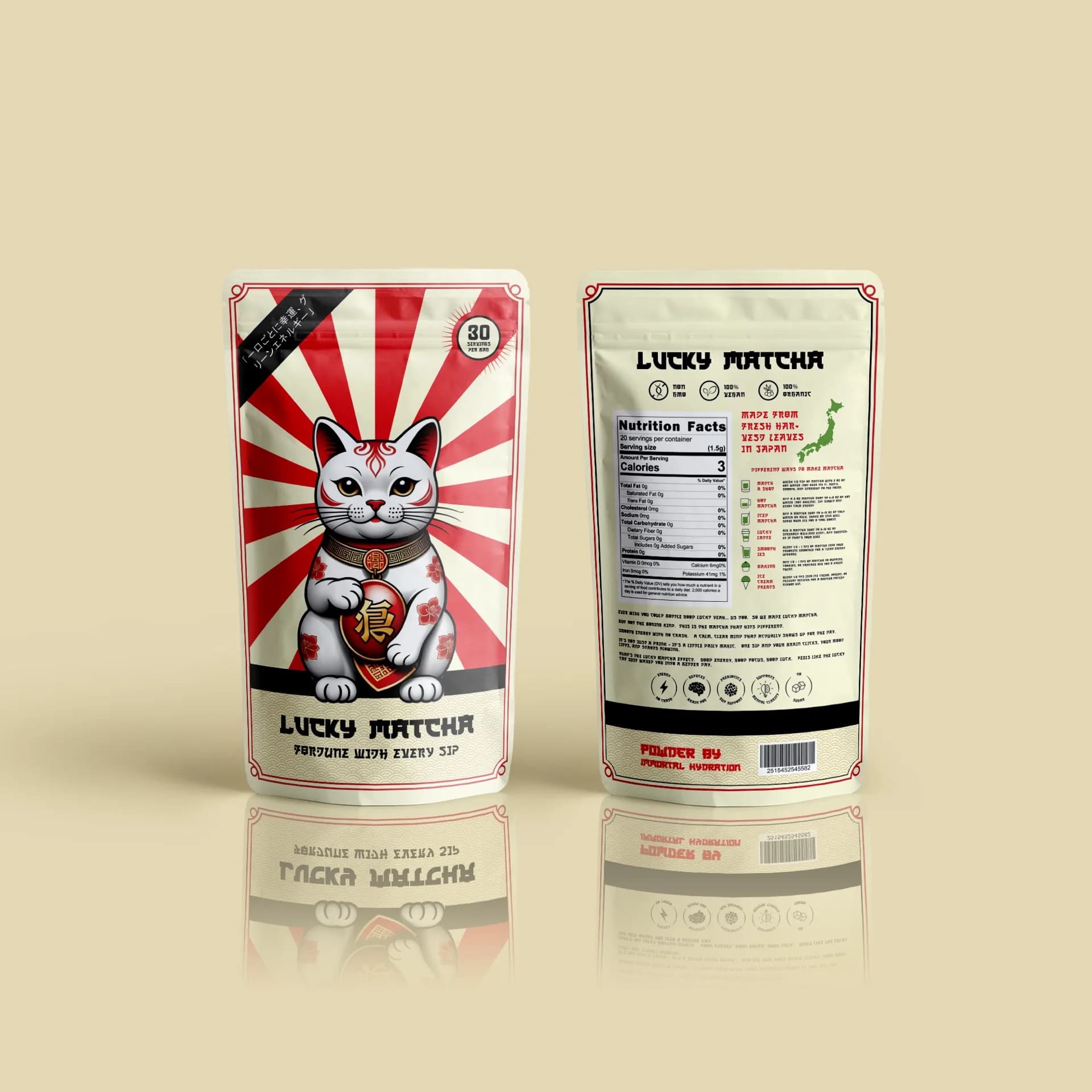

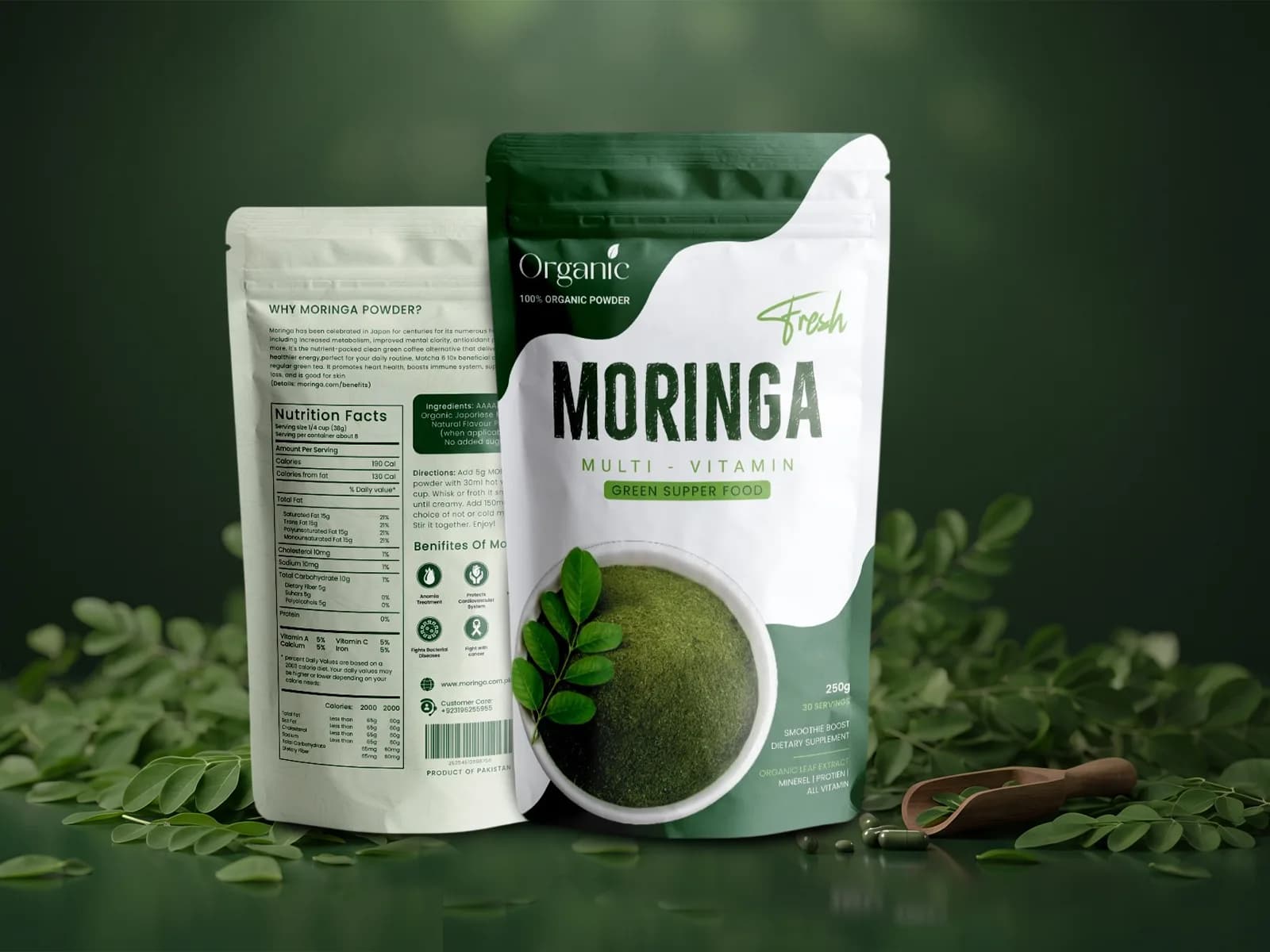
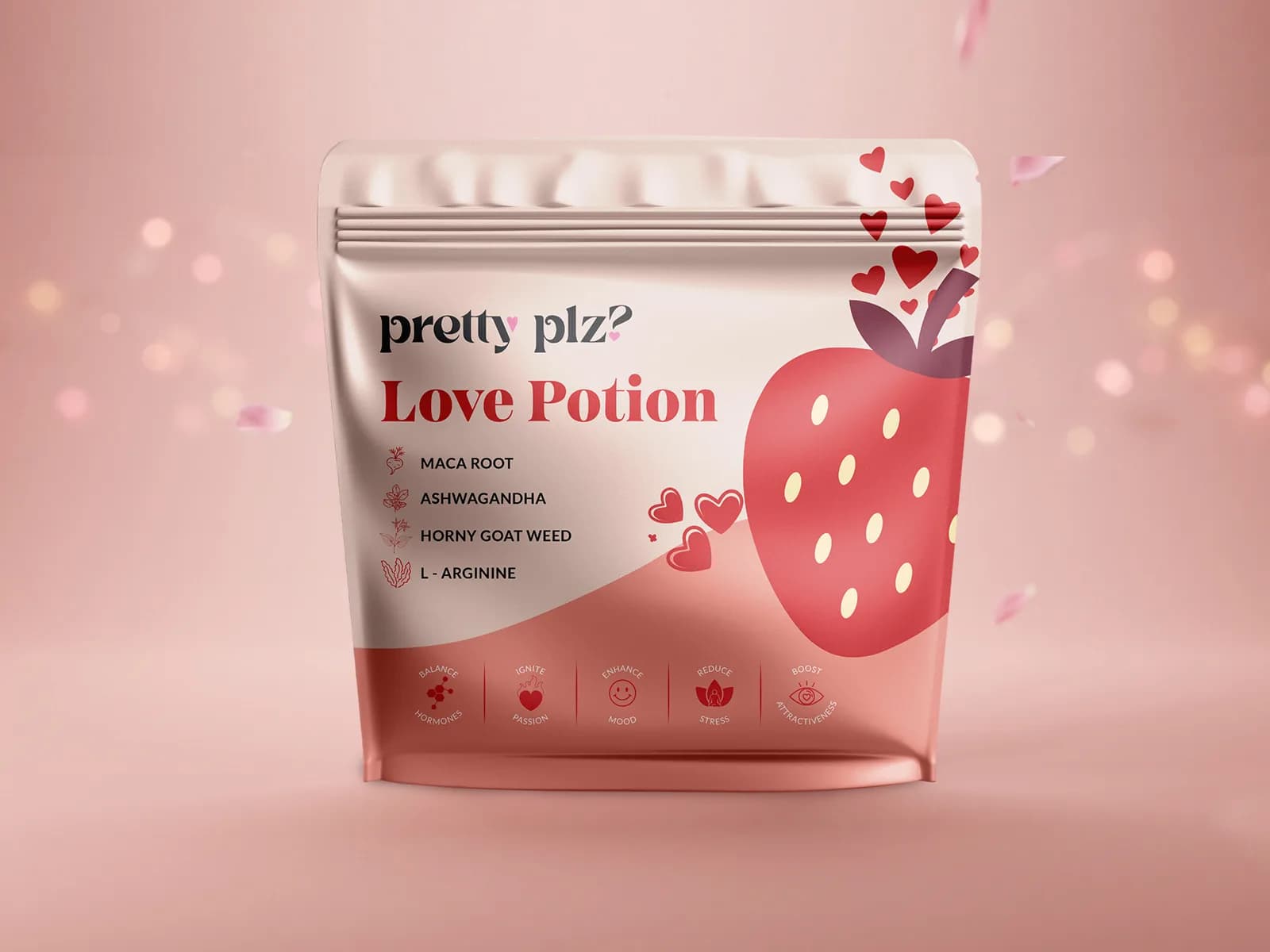
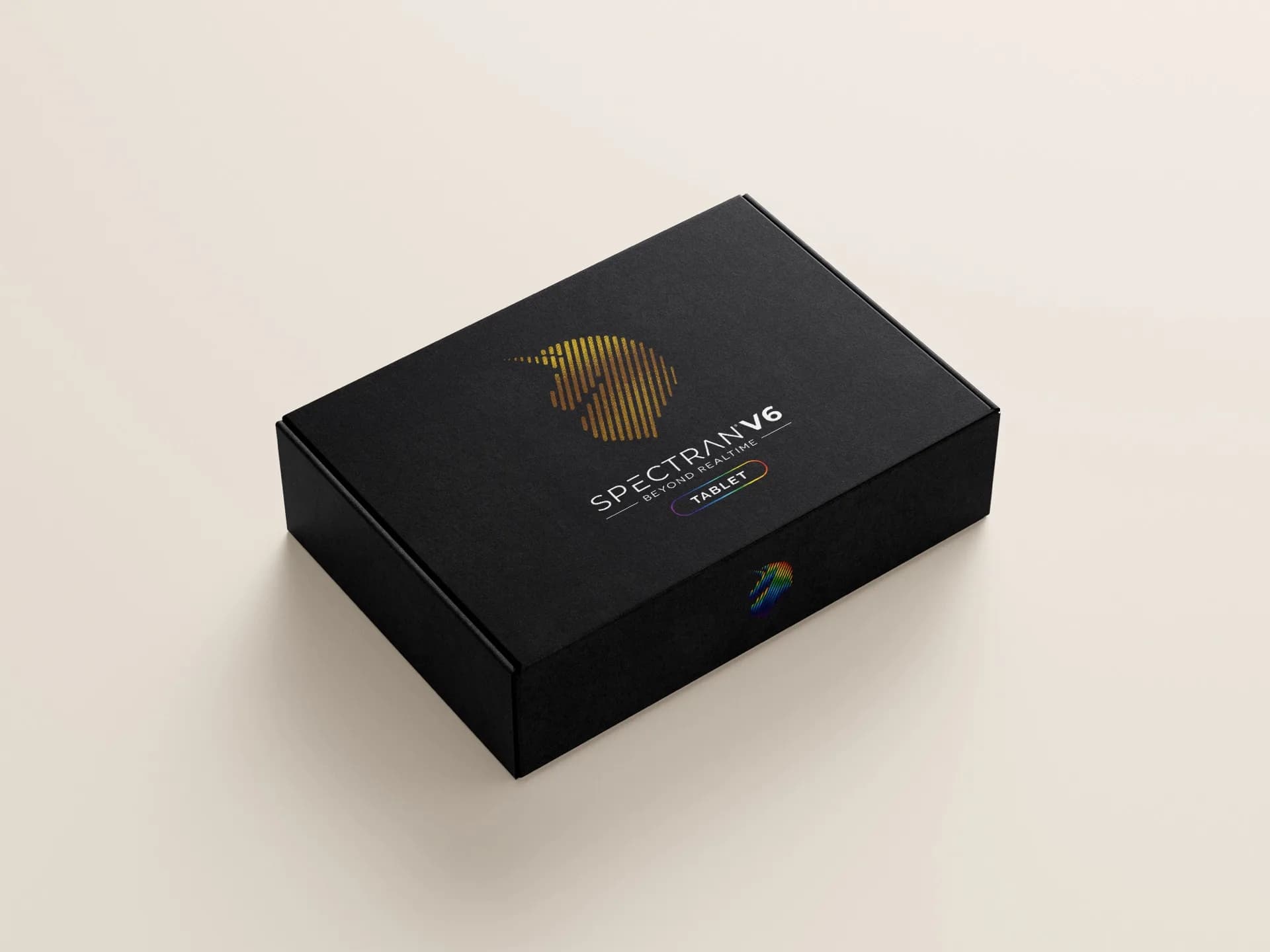
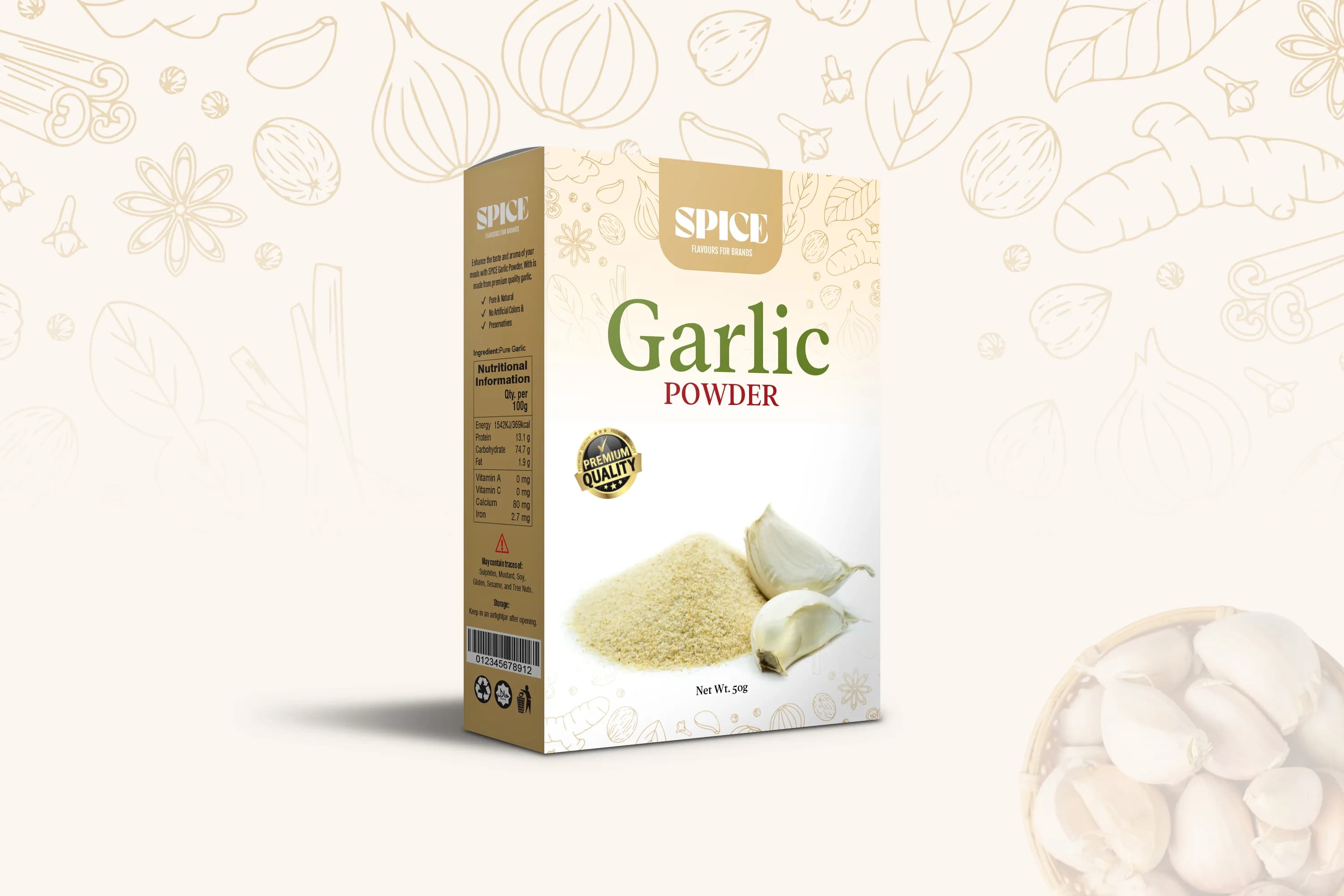
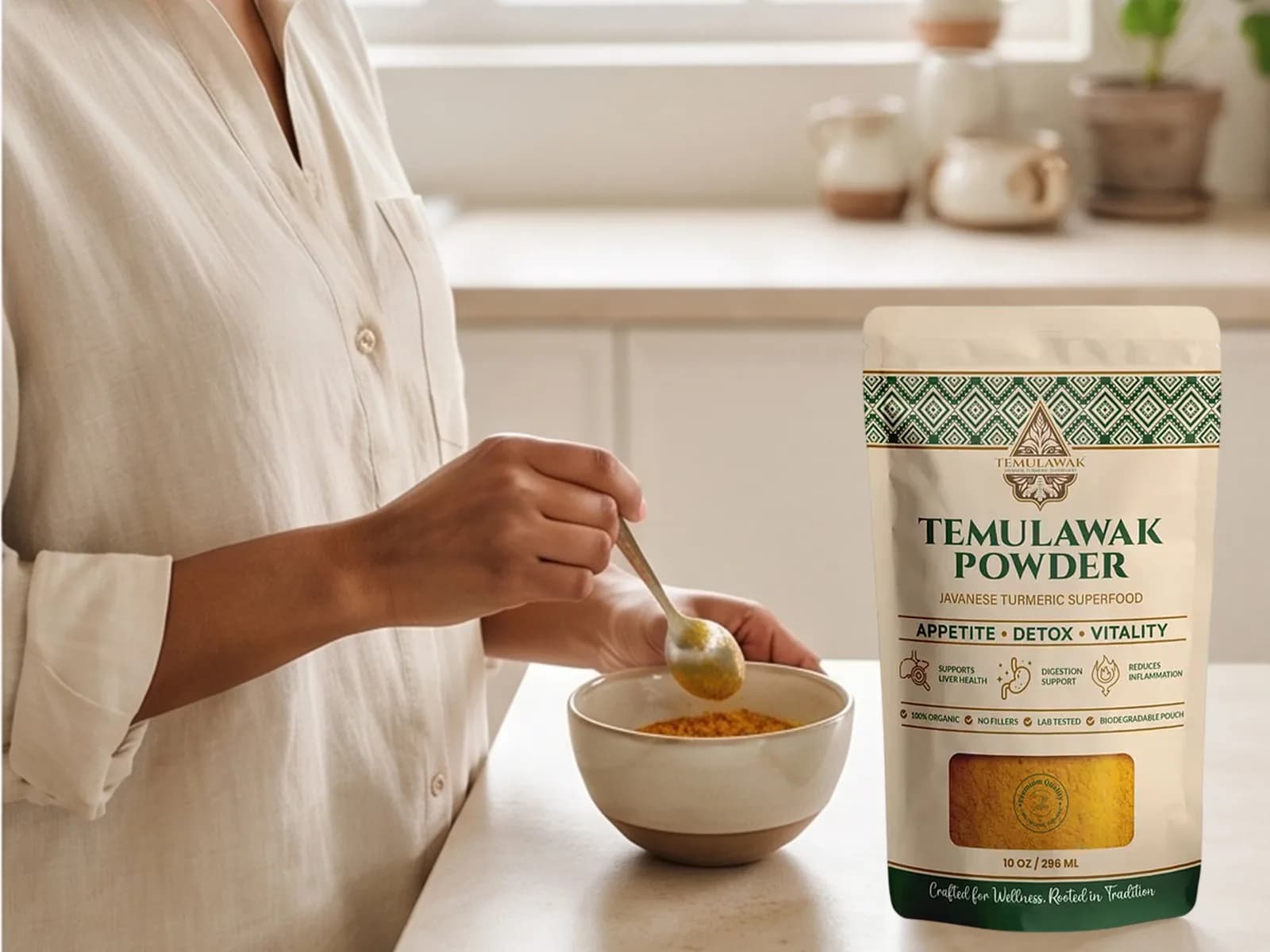
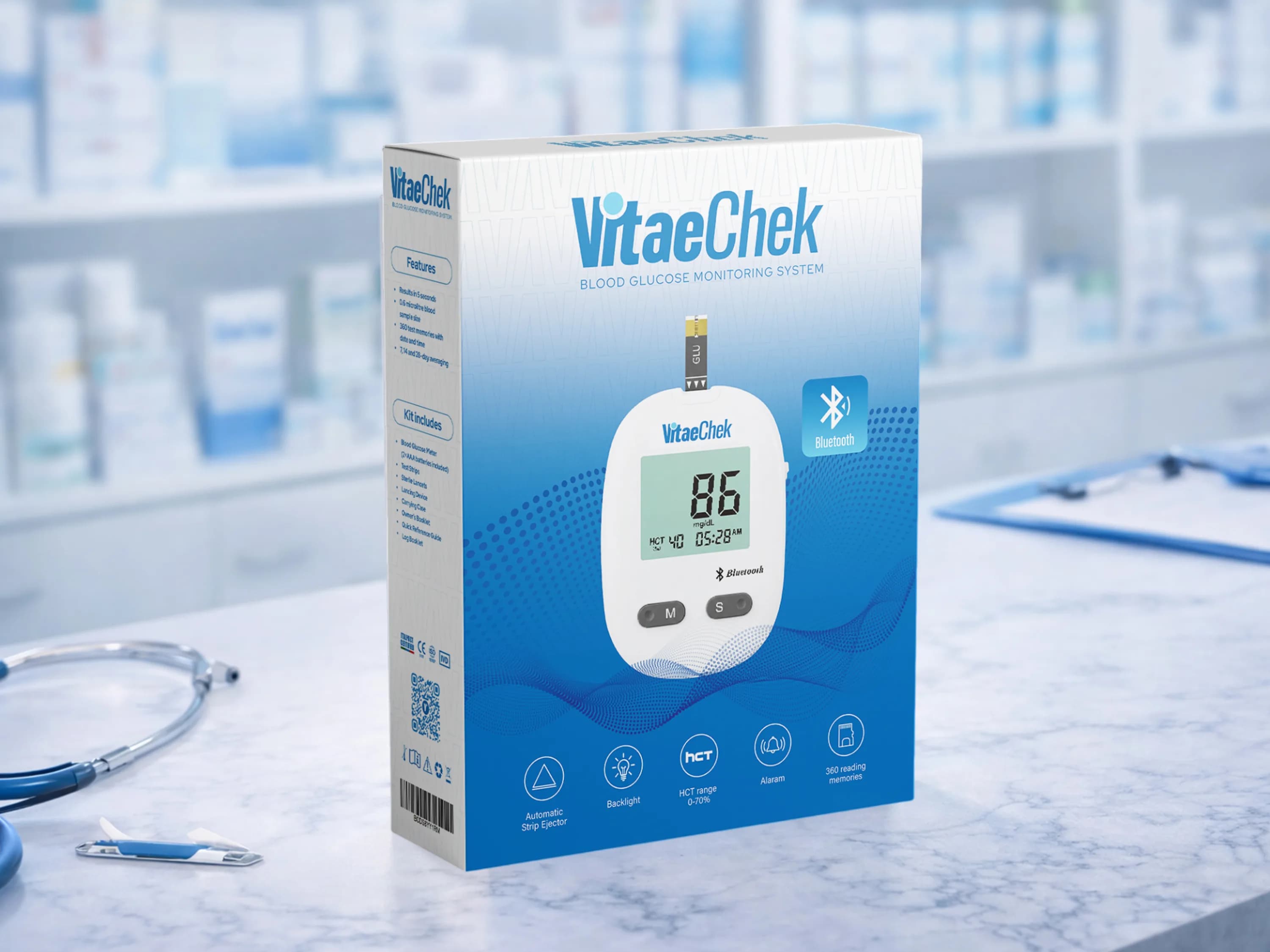
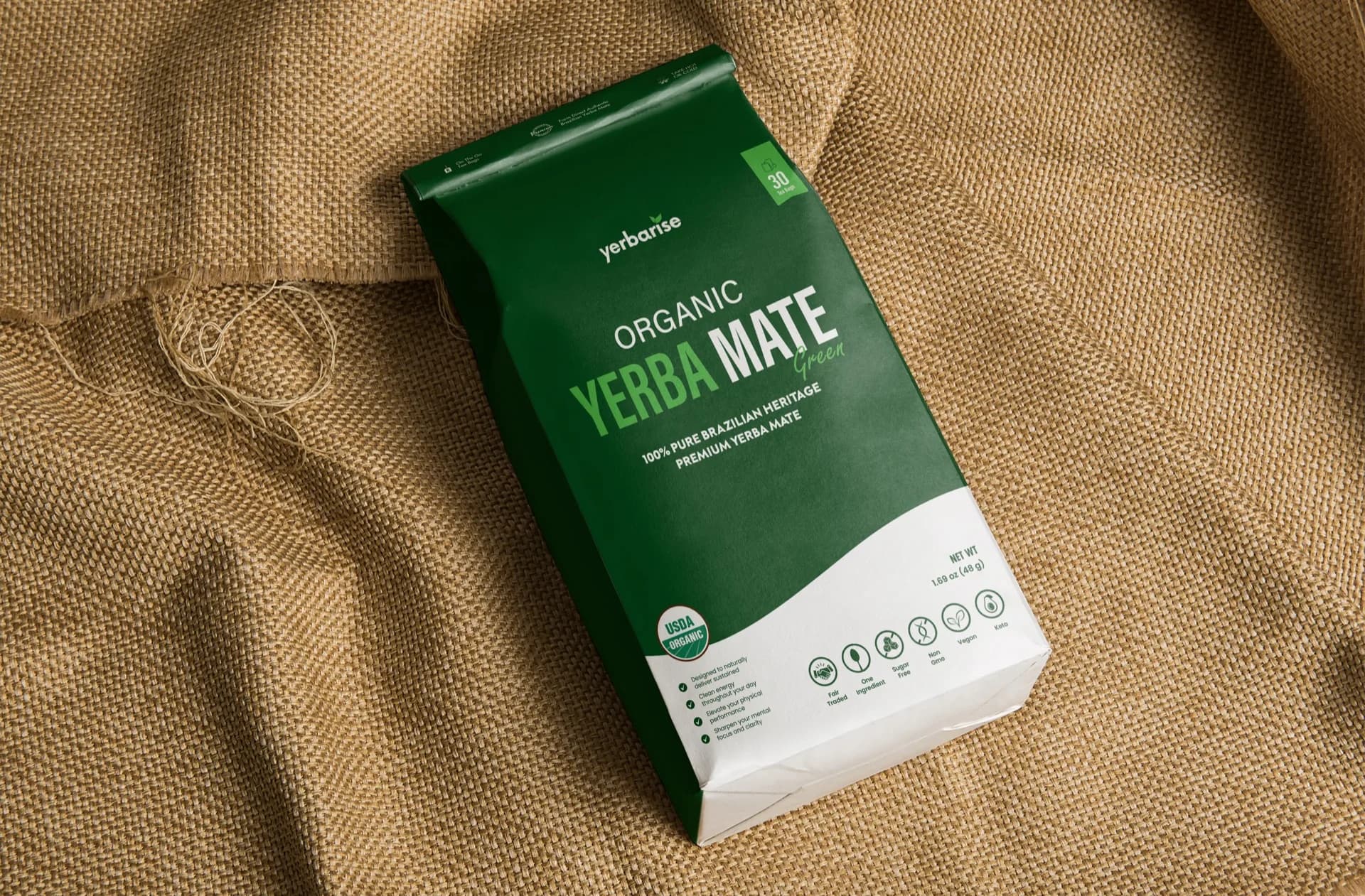
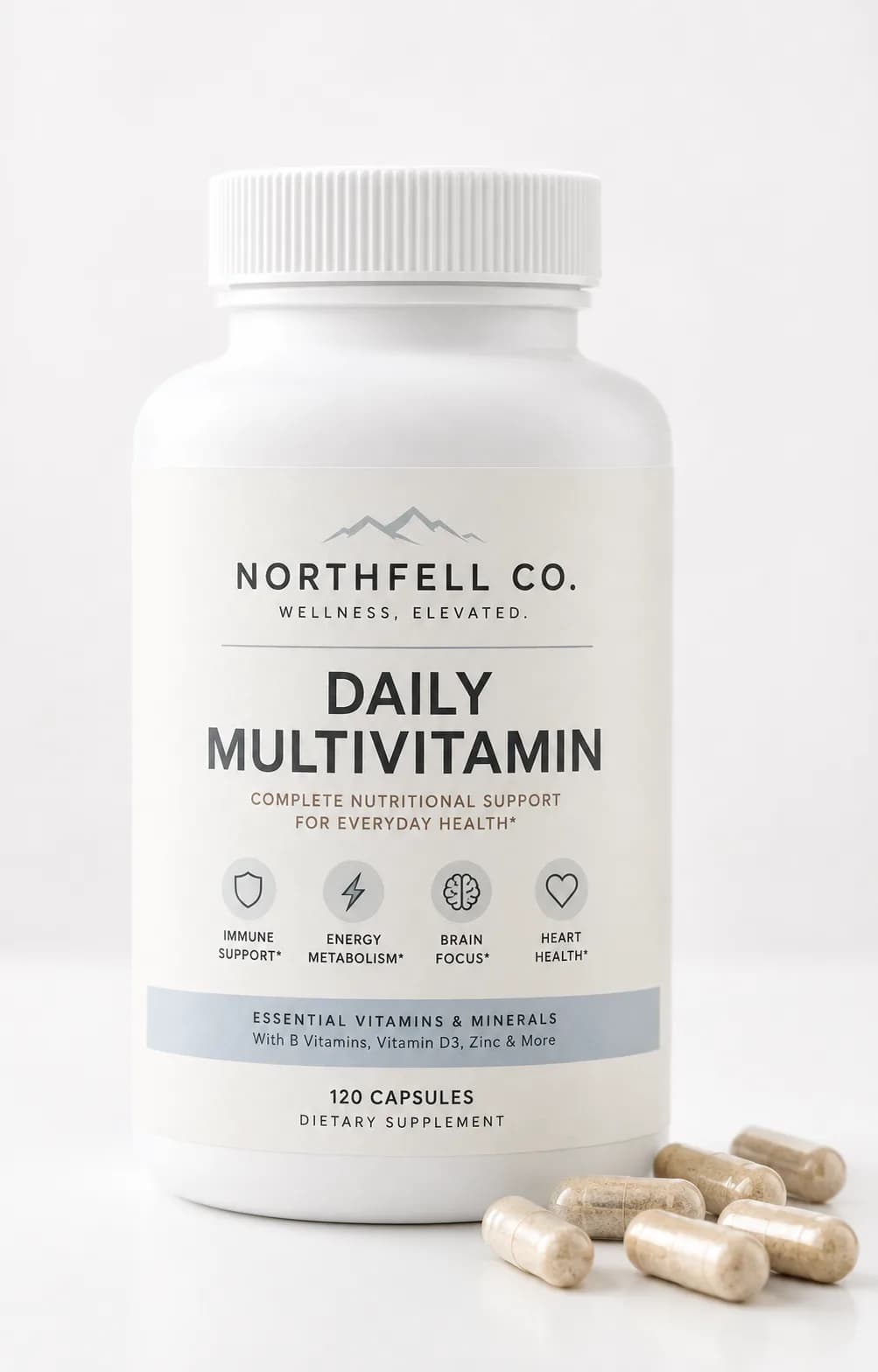
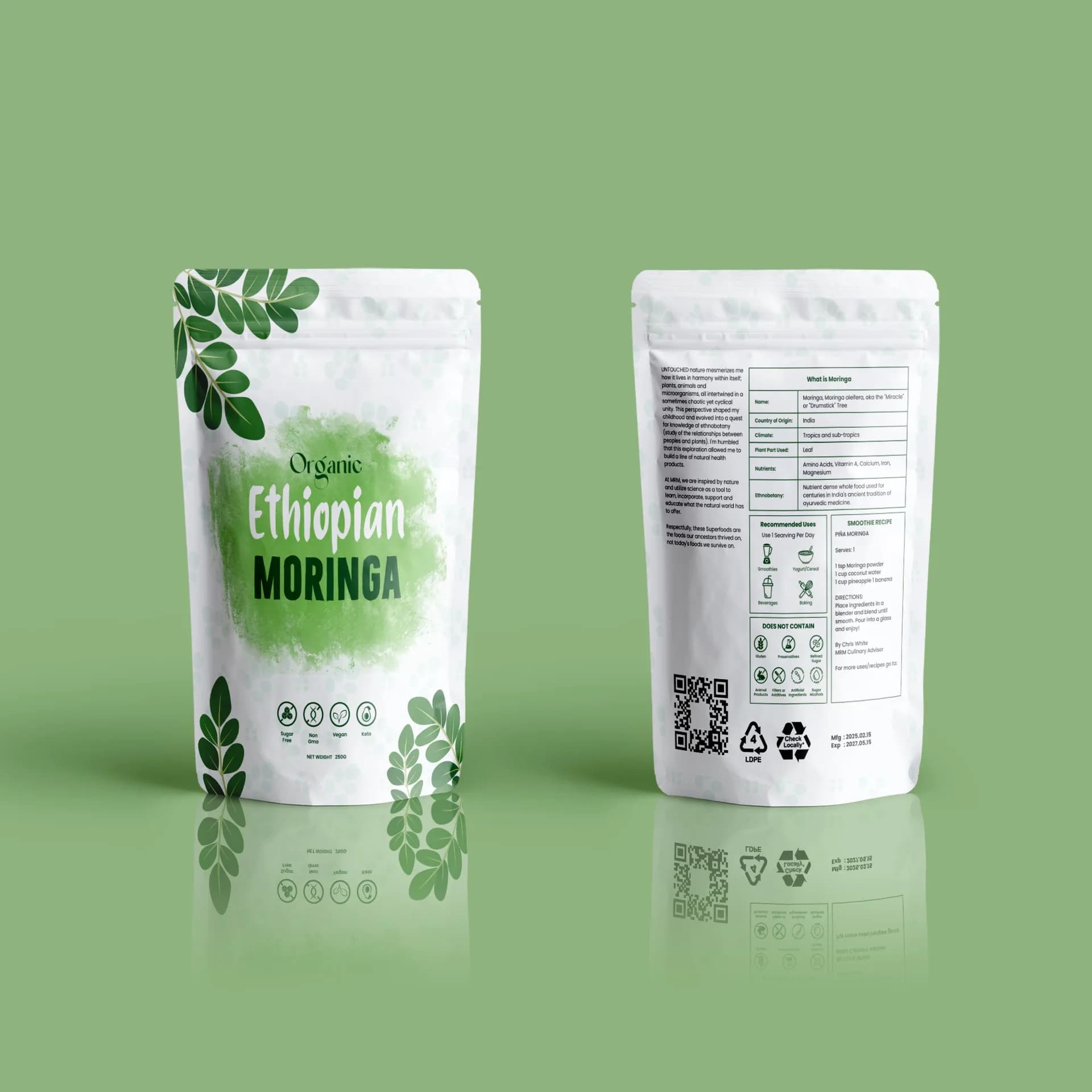
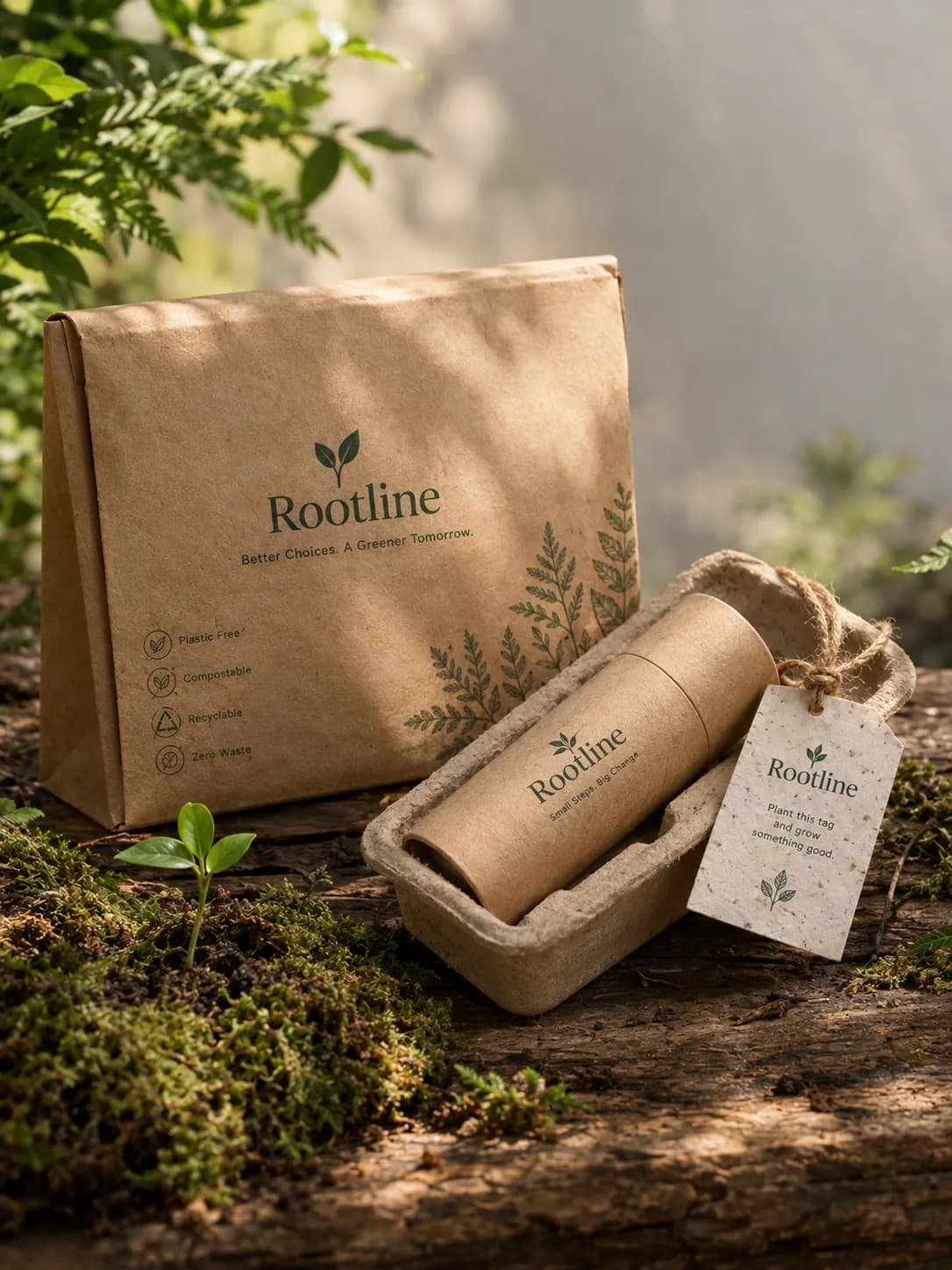
We're always-on to deliver the
packaging you want, when you need it
Print-ready organic packaging artwork
Certification logo compliance artwork
Material specification guide
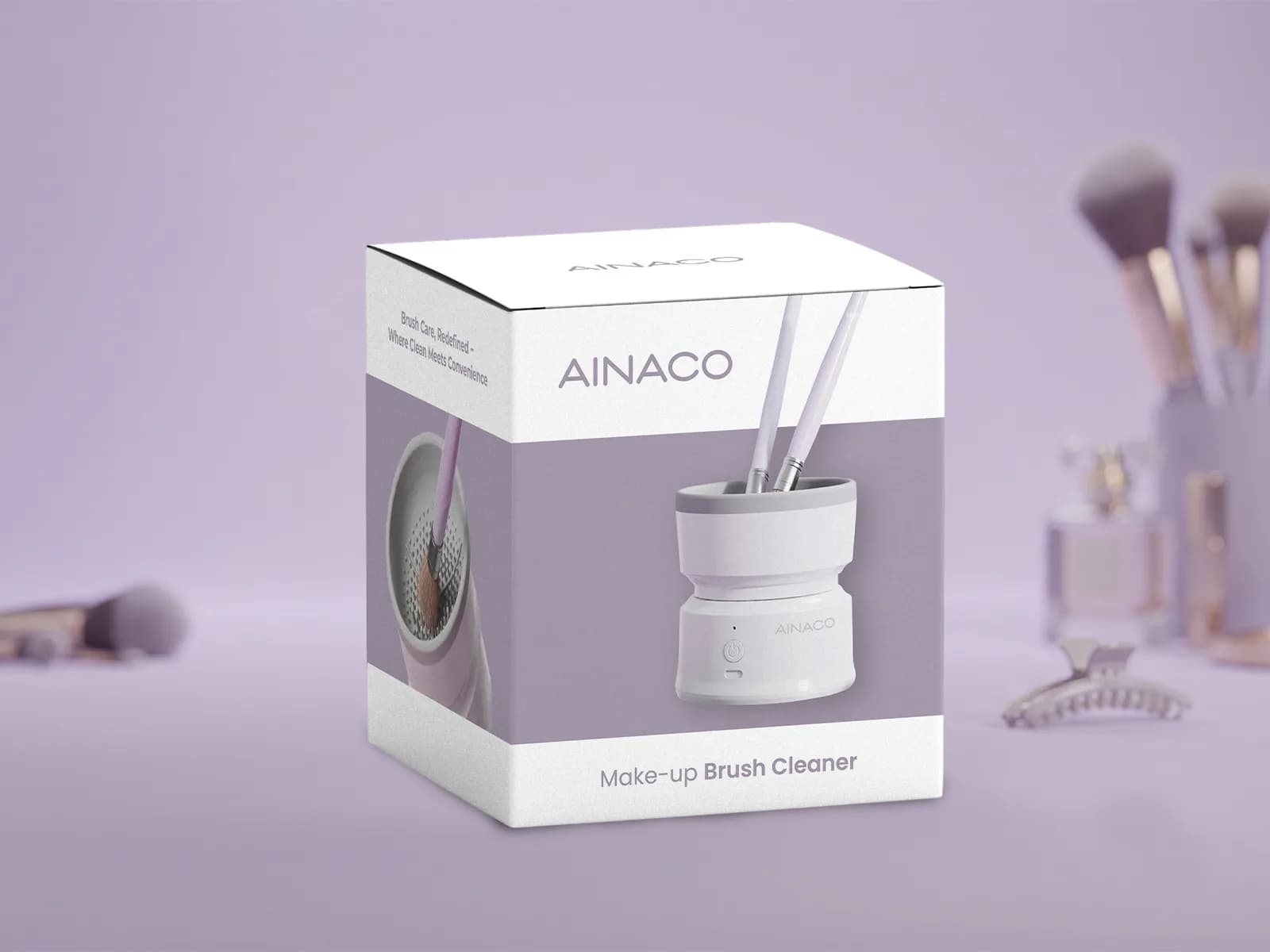
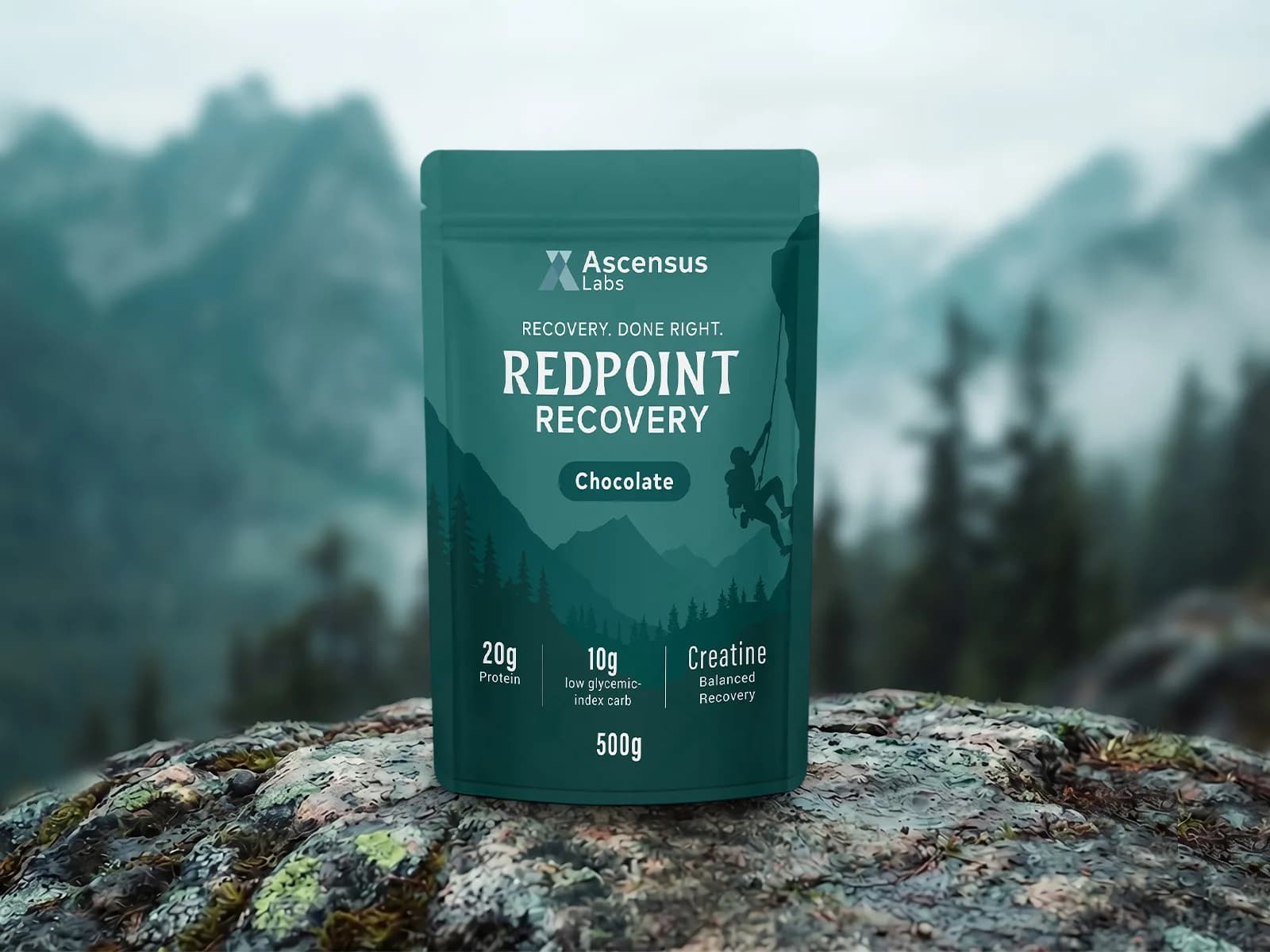
3D packaging mockups
Pantone and CMYK natural colour palette
Organic Packaging Design: The Complete Guide
A complete reference for brand managers, designers, and marketers making packaging decisions.
The Category
What makes organic packaging different
Organic shoppers read labels closely. Many of them know what a genuine certification mark looks like and notice when wording is vague. Your packaging is judged on honesty as much as on looks.
Organic is also a regulated word. In most major markets a product can't be called organic just because it feels natural. It has to be certified, and how you may use the word depends on how much of the product is organic. That makes the label partly a legal document.
Organic products usually sell at a premium, so the pack also has to justify the price. That justification comes from specifics: where the ingredients were grown, who grew them, what you've left out. Concrete detail persuades in a way adjectives can't.
The certification sets the rules
The challengeEach scheme has its own mark, wording rules and artwork guidelines, and your certifier decides whether you've used them correctly.
Our approachWe get the certifier's artwork guidelines at the start and build the logo, code number and claim wording into the layout, ready for your certifier to review.
Natural cues are everywhere
The challengeKraft paper, leaves and hand-drawn type have become the default look for anything natural. Plenty of non-organic products use them, so on their own they prove very little.
Our approachWe make the certification and specific, checkable facts the main proof, and choose visual cues that set you apart from the lookalikes.
Design Decisions
Claims, materials and design choices
The decisions that matter most come down to three things: what you're allowed to say, what the pack is made of, and how both come across on shelf.
- Claim wording. There's usually a difference between a fully organic product, one made with some organic ingredients, and one that simply lists them. Use the wording your certification allows and nothing stronger.
- Selling in several markets. The US, EU and UK each have their own organic regulations and logos, and one country's mark may need extra steps before it can be used in another. Ask your certifier about the arrangements before printing multi-market packs.
- Materials. Shoppers expect the pack to match the product's values. Recycled or responsibly sourced board, less plastic and simpler structures all help, as long as you only claim what you can back up.
- Inks and finishes. Heavy foils and plastic laminates can undermine a recyclable or compostable story. Choose finishes that suit the material you're claiming.
- Honest hierarchy. Lead with what the product is and its certification, then the specific benefit. Don't make the word "organic" so large it reads like a brand name you don't own.
Inside the ingredient list, organic ingredients are often marked individually, for example with an asterisk and a footnote. Your certifier will confirm the exact format. On blends, make sure any percentages on the front match the recipe your certifier holds, because a recipe change can mean a label change.
Environmental claims often sit next to organic ones, and they're increasingly regulated in their own right. Keep them specific, such as "carton made from recycled board" rather than "eco packaging". Rules on green claims are changing in several markets, so check the current position with the relevant authority before you print.
Most organic certifiers ask to see labels before they go to print. Build that review into your timeline. Changes requested at that stage are far cheaper as artwork edits than as relabelled stock.
The Process
Our process for organic packaging
Order matters here. Certification details come first and design second, so you don't fall for a layout that can't carry the mark properly.
Certification and claims brief
We collect your certificate, the certifier's logo files and guidelines, and the exact claims you're allowed to make in each market.
Material direction
We talk through substrates and finishes with your printer's specification in mind, so the materials support your claims instead of contradicting them.
Concepts
Design routes that put the certification and concrete product facts at the centre, shown as mockups next to typical competitors.
Artwork and certifier pack
Final artwork with marks, code numbers and claim wording in place, plus a PDF set ready for you to send to your certifier.
Revisions and print files
We make any changes your certifier asks for, prepare print-ready files and review your printer's proof when it's shared.
Costs and Pitfalls
Organic packaging mistakes, costs and alternatives
Using a mark too early
Showing an organic logo before your certification covers that product can lead to enforcement action and forced relabelling. Wait for the certificate.
Stretching the claim
Calling a whole product organic when only some ingredients are certified. Match the wording to what your certifier has confirmed.
Generic green design
Leaves and kraft paper say "natural", not "certified". Make the actual certification easy to spot at a glance.
Materials that contradict the message
A heavy plastic laminate on an organic product invites questions. If you can't change the material yet, at least avoid sustainability claims you can't support.
Organic projects carry a few cost factors that other packaging doesn't:
- Certification. Certification fees are paid separately from design, but the scheme's artwork rules add layout and checking time.
- Materials. Recycled, uncoated and specialty papers vary in price and availability, and some limit which finishes you can use.
- Markets. Each extra market can mean more logos, different wording and another certifier check.
- Range size. More SKUs mean more certification details to place and verify.
- Approval rounds. Certifier and retailer reviews can add revision rounds, so allow for them in the budget.
If your product isn't certified yet, or doesn't qualify, you can still design honestly around natural ingredients, just without organic wording or marks. If the main story is about the pack rather than the product, a sustainable packaging project is a better starting point. And in categories with heavy labelling rules, such as supplements or cosmetics, pair this work with a category-specific project so every requirement is covered.
Got Any Questions?



Your packaging deserves
better than “good enough.”
Book a free 15-minute call and we'll scope your packaging together — or send us a message to get started.