
Service
Pharmaceutical Packaging Design
Precision packaging for healthcare and pharma brands.
Pharmaceutical packaging demands absolute precision — a single compliance error can pull a product from market. We design label, carton and leaflet artwork to the regulatory text and specifications your regulatory team provides, with clear layouts and legible type. Regulatory approval stays with your team.
Quick Answer
Pharmaceutical packaging design produces labelling and carton artwork for OTC drug products, laid out to the text and specifications your regulatory team provides — covering FDA OTC Drug Facts panels, CGMP considerations, tamper-evidence requirements, and print-ready files for pharmaceutical-grade print.
What's Included
Everything delivered, as standard
Every Pharmaceutical Packaging Design project includes these deliverables — no extras, no upsells, no surprises.
Packaging expertise across
6 product categories
OTC Pharmaceuticals
Medical Devices
Veterinary Products
Nutraceuticals
Diagnostics
Hospital Supplies
Pharmaceutical Packaging Design
Precision packaging for healthcare and pharma brands.
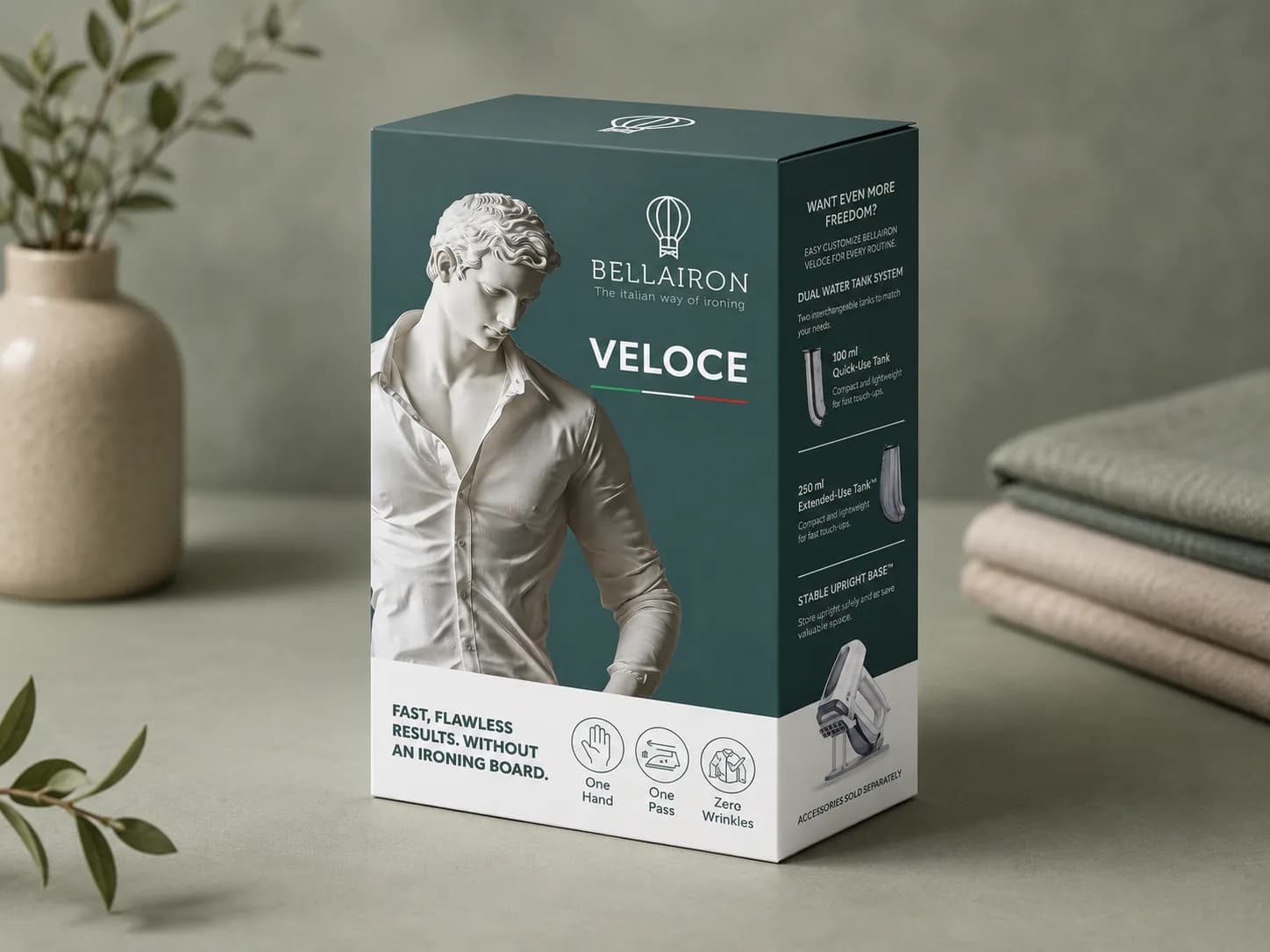

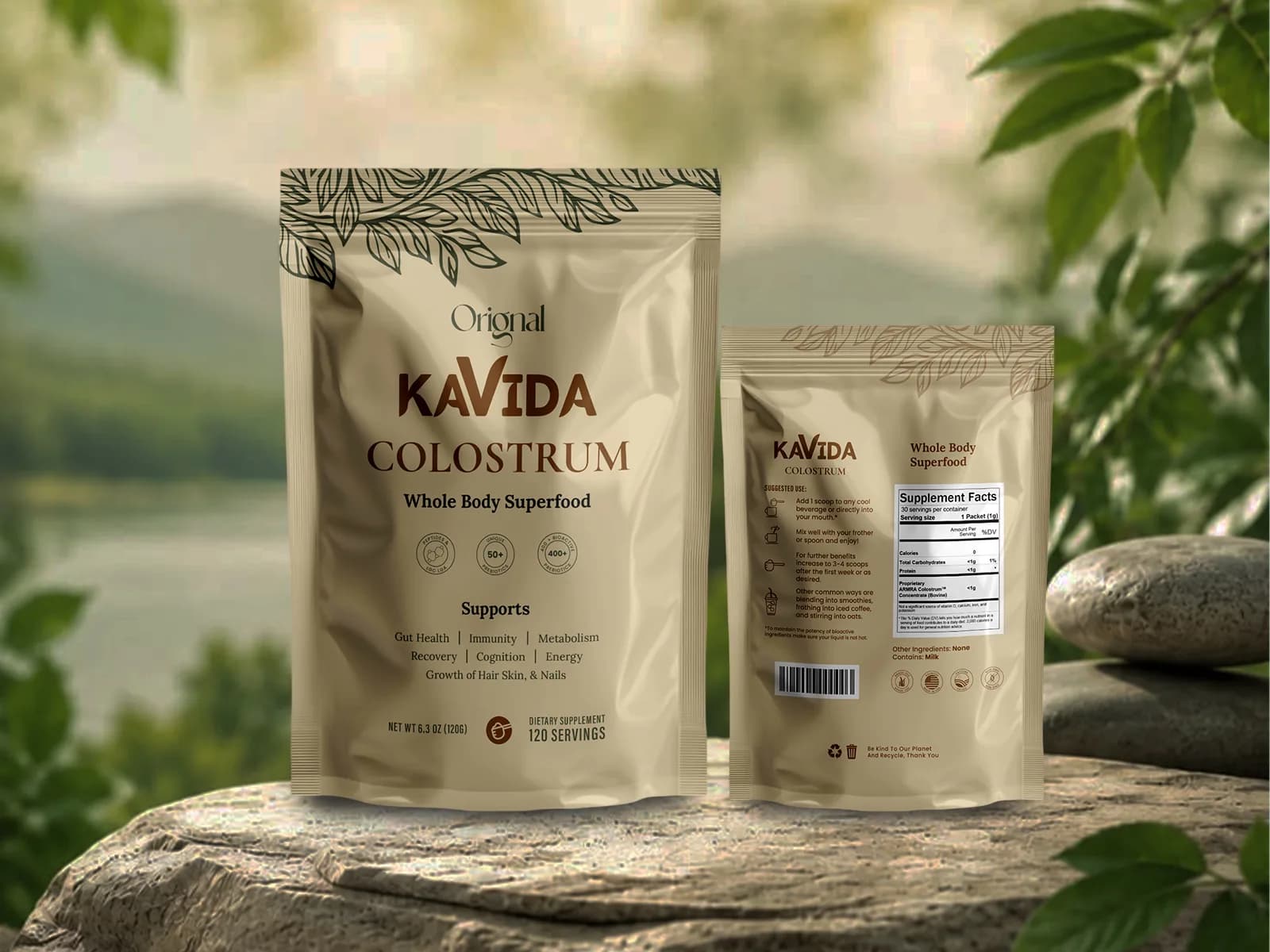
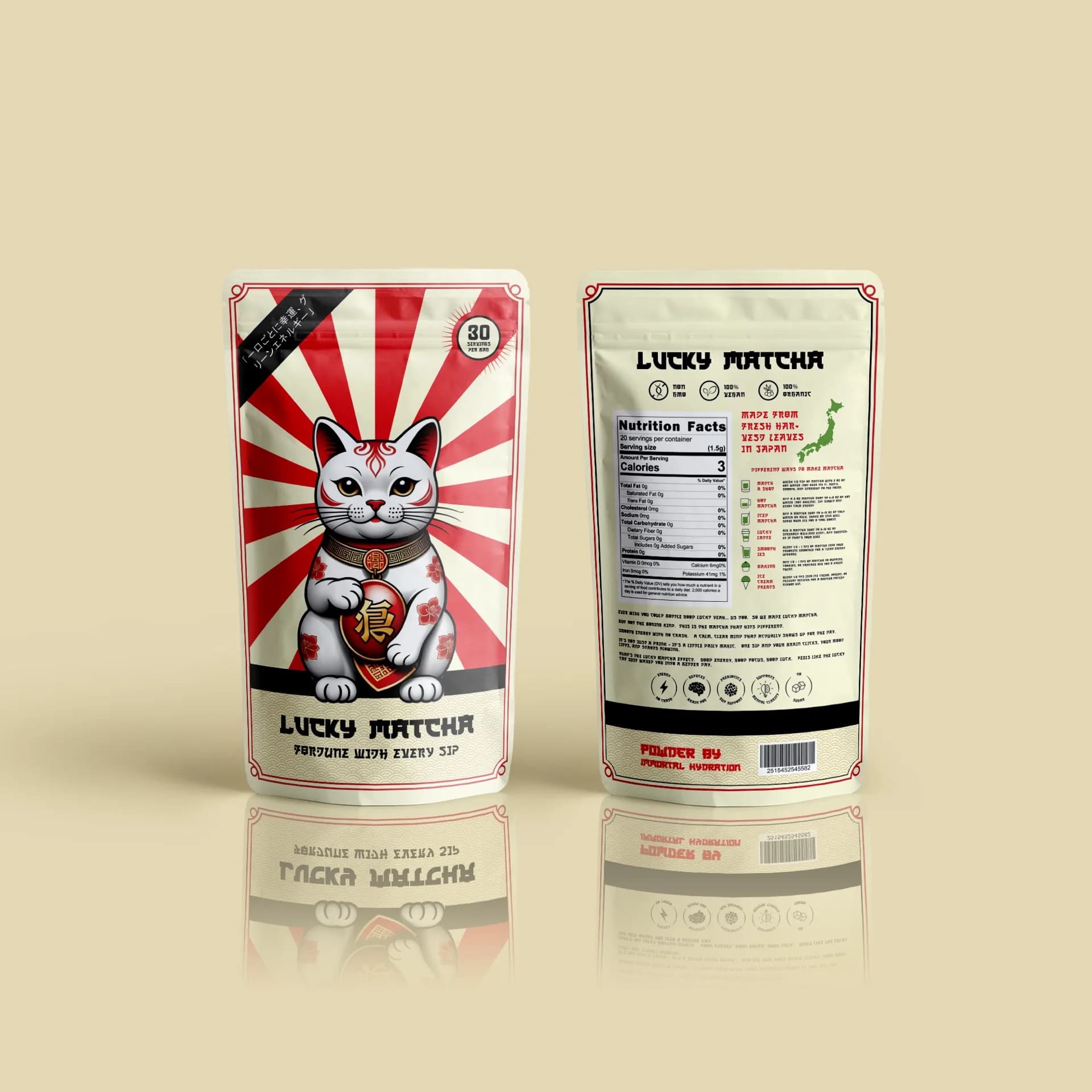

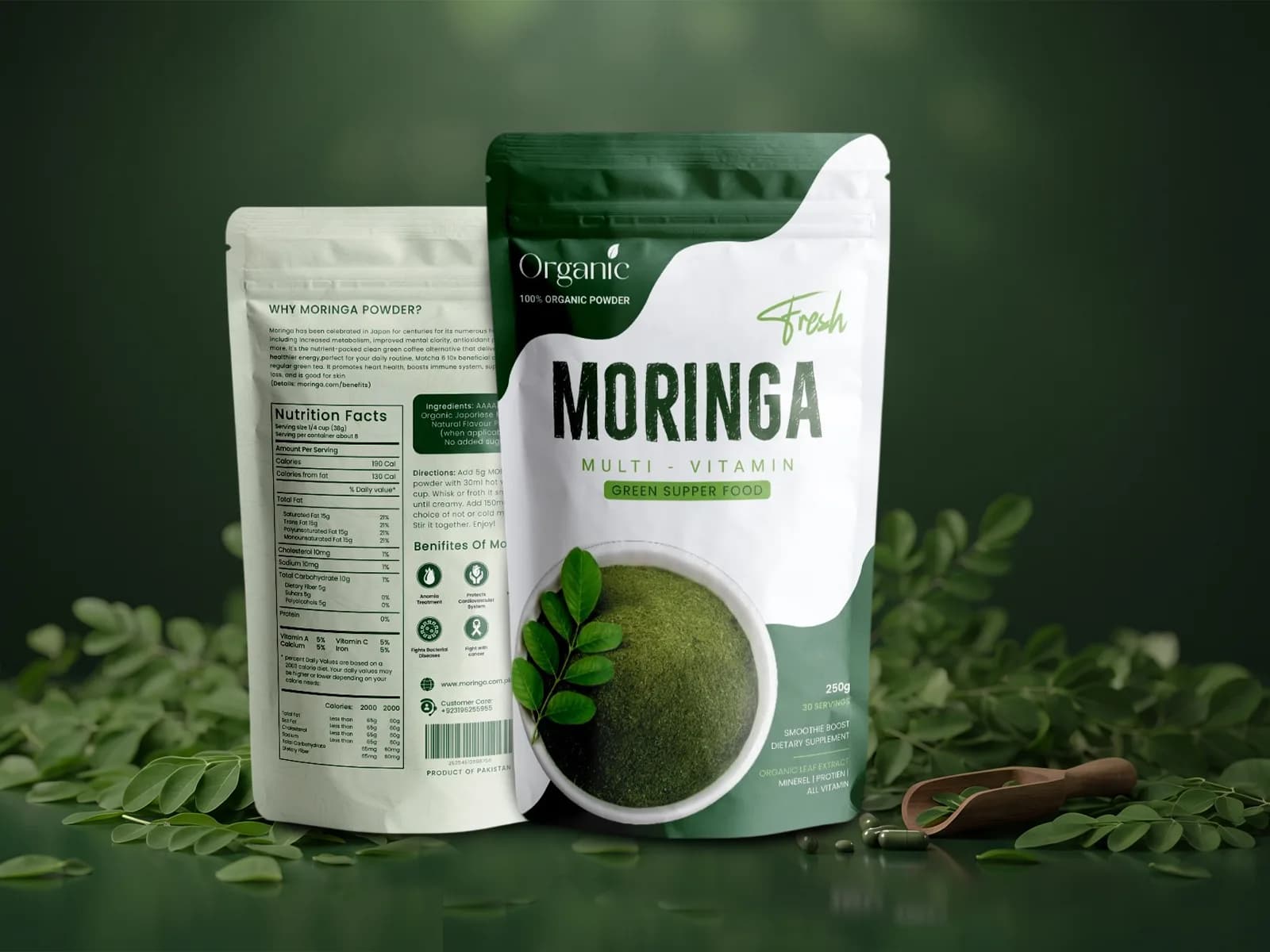
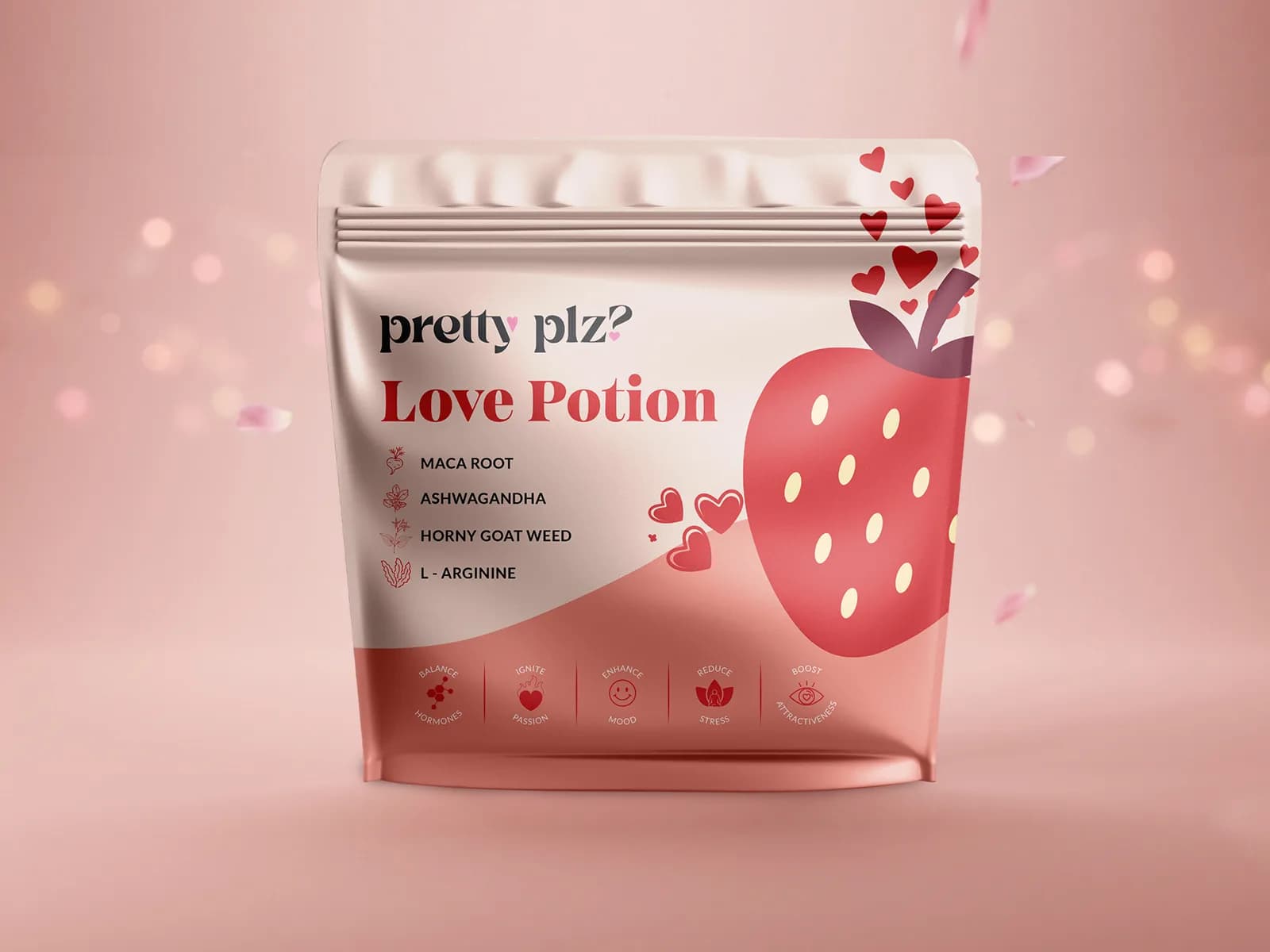
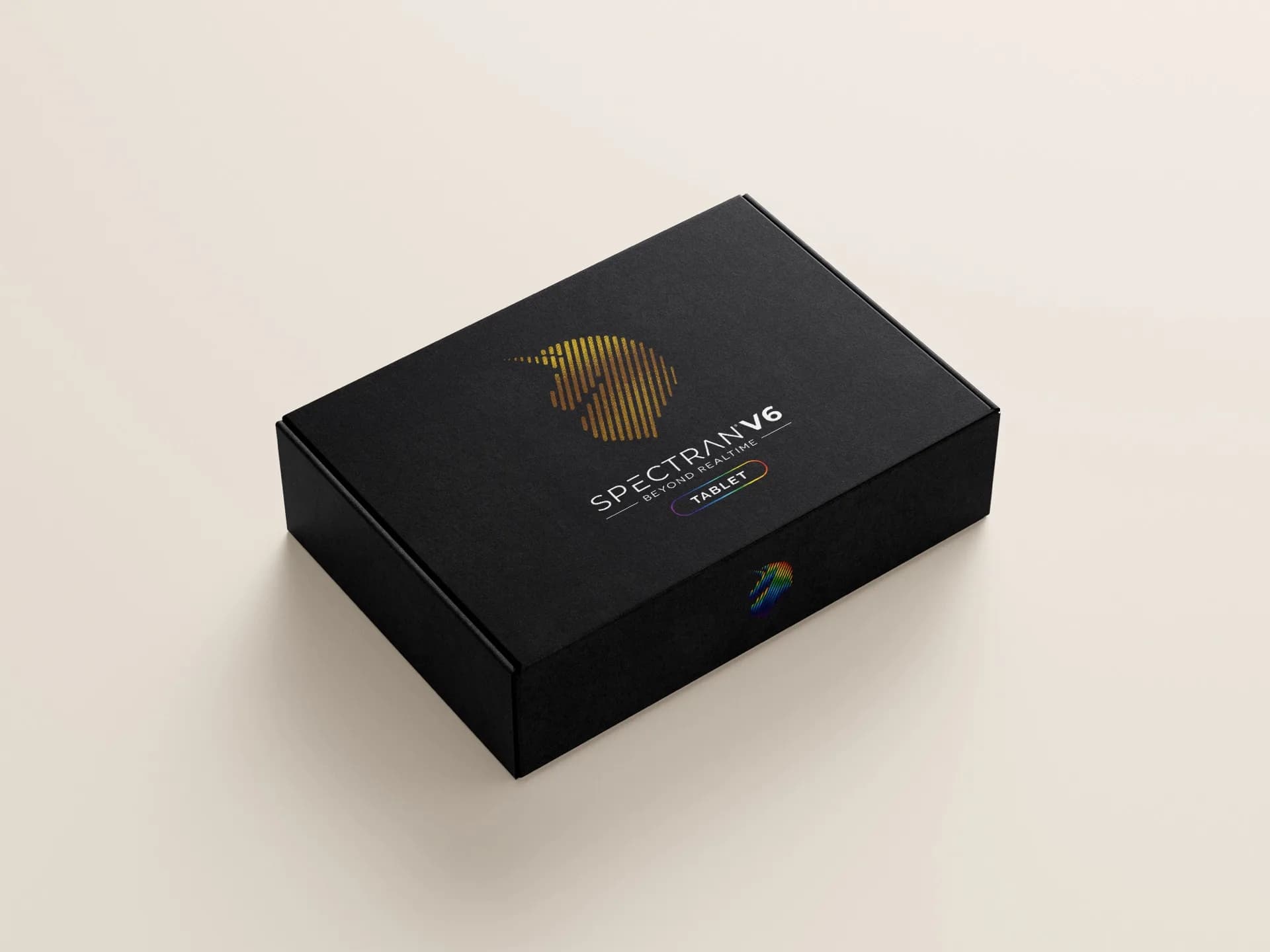
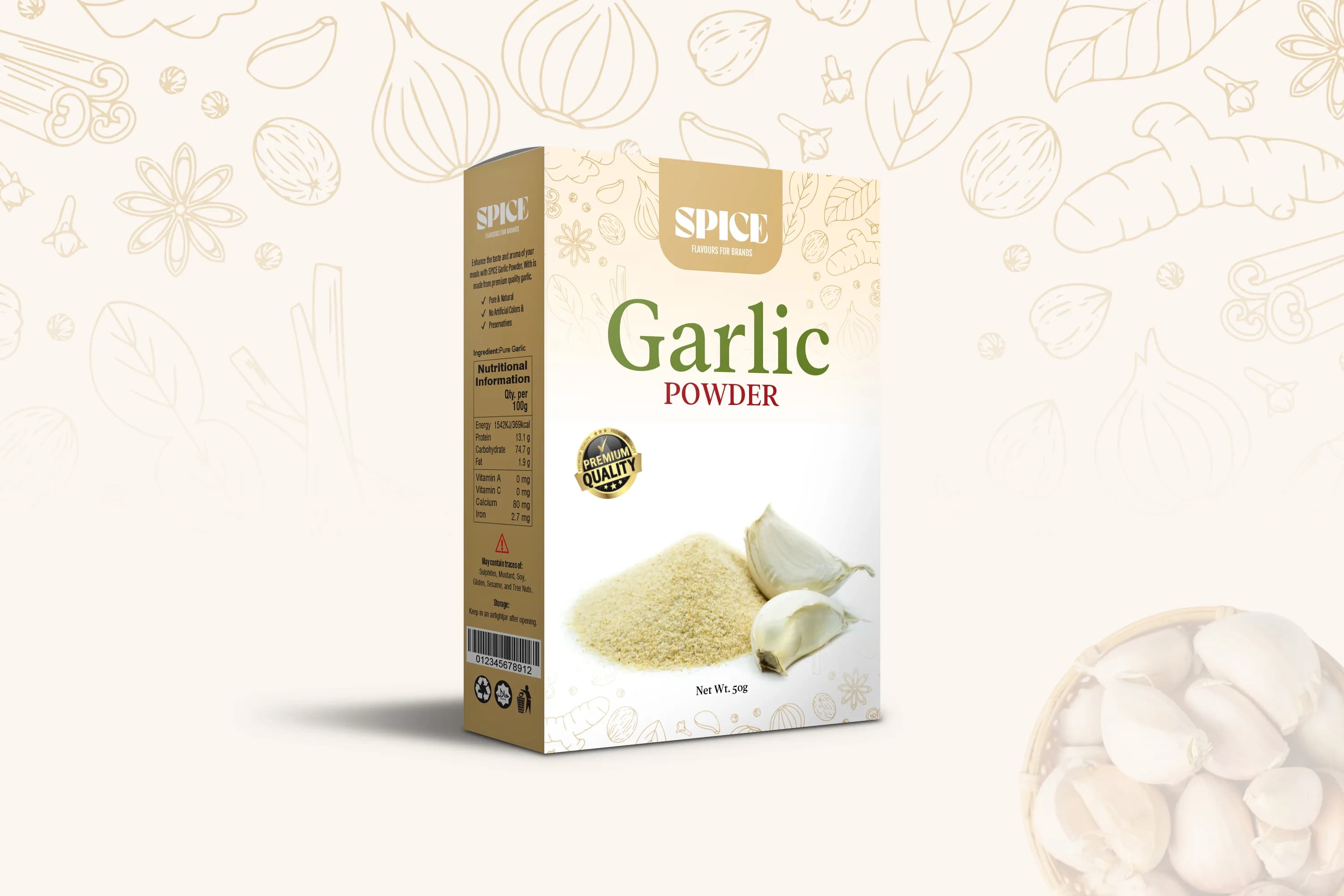
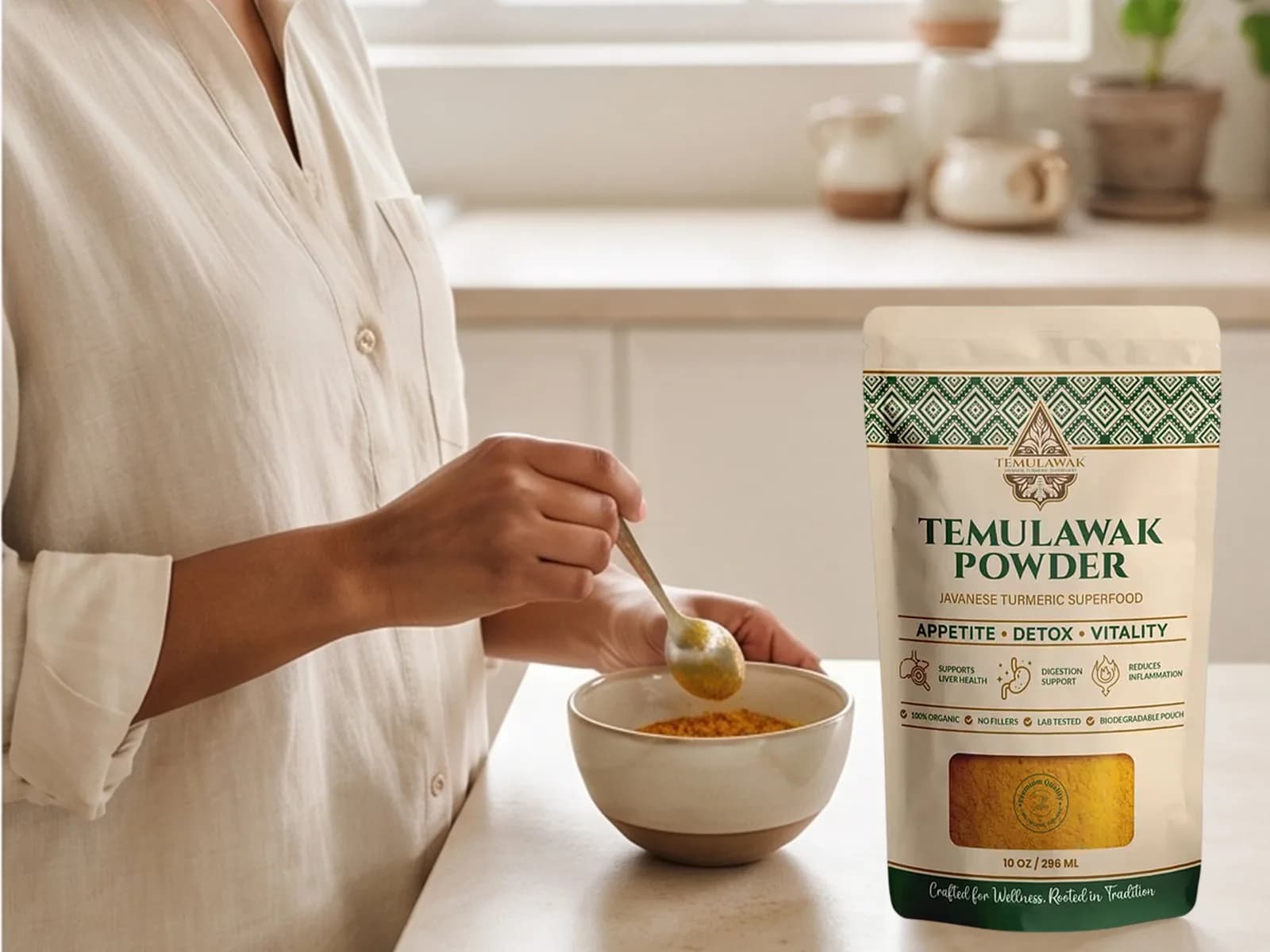
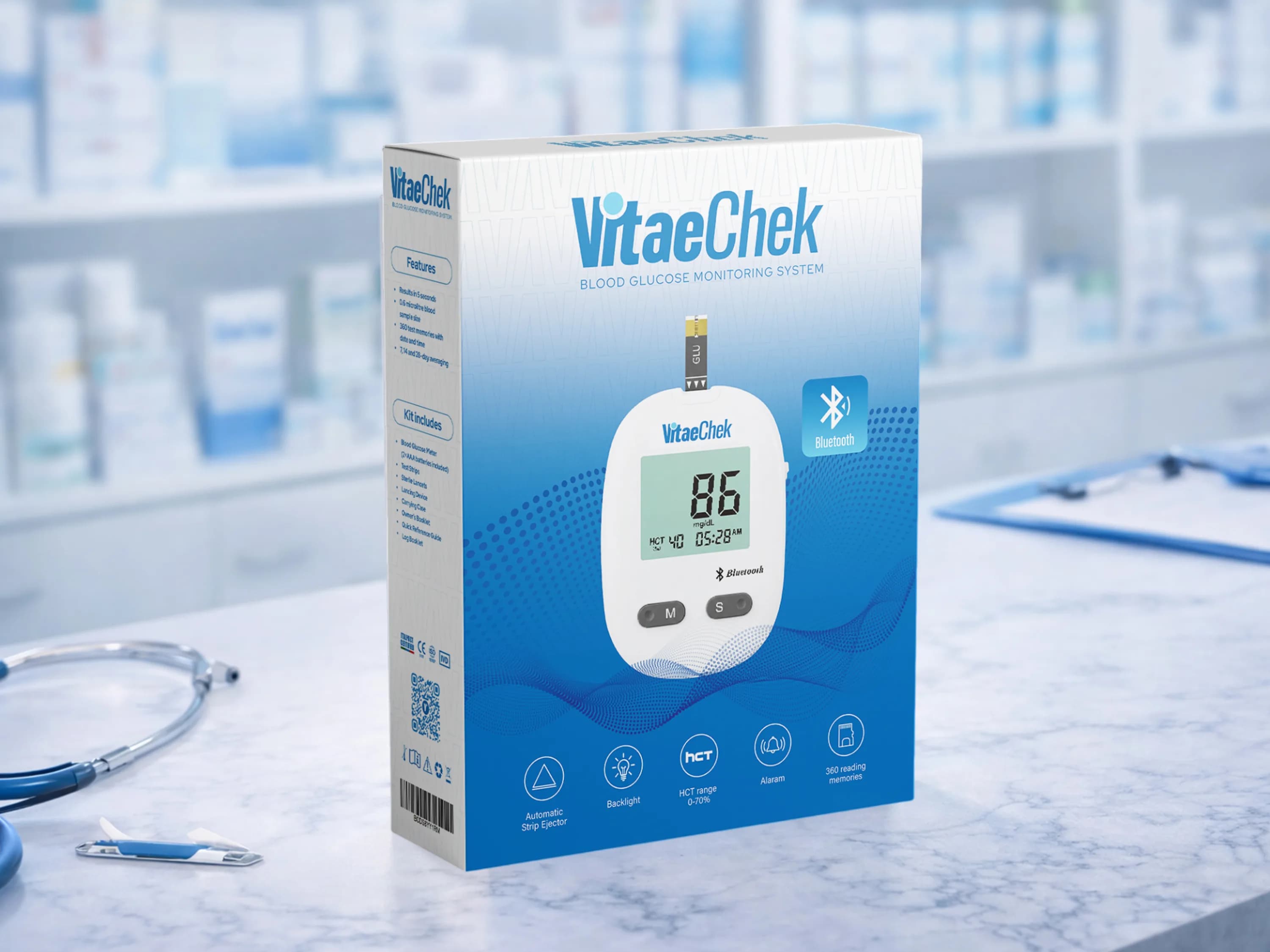
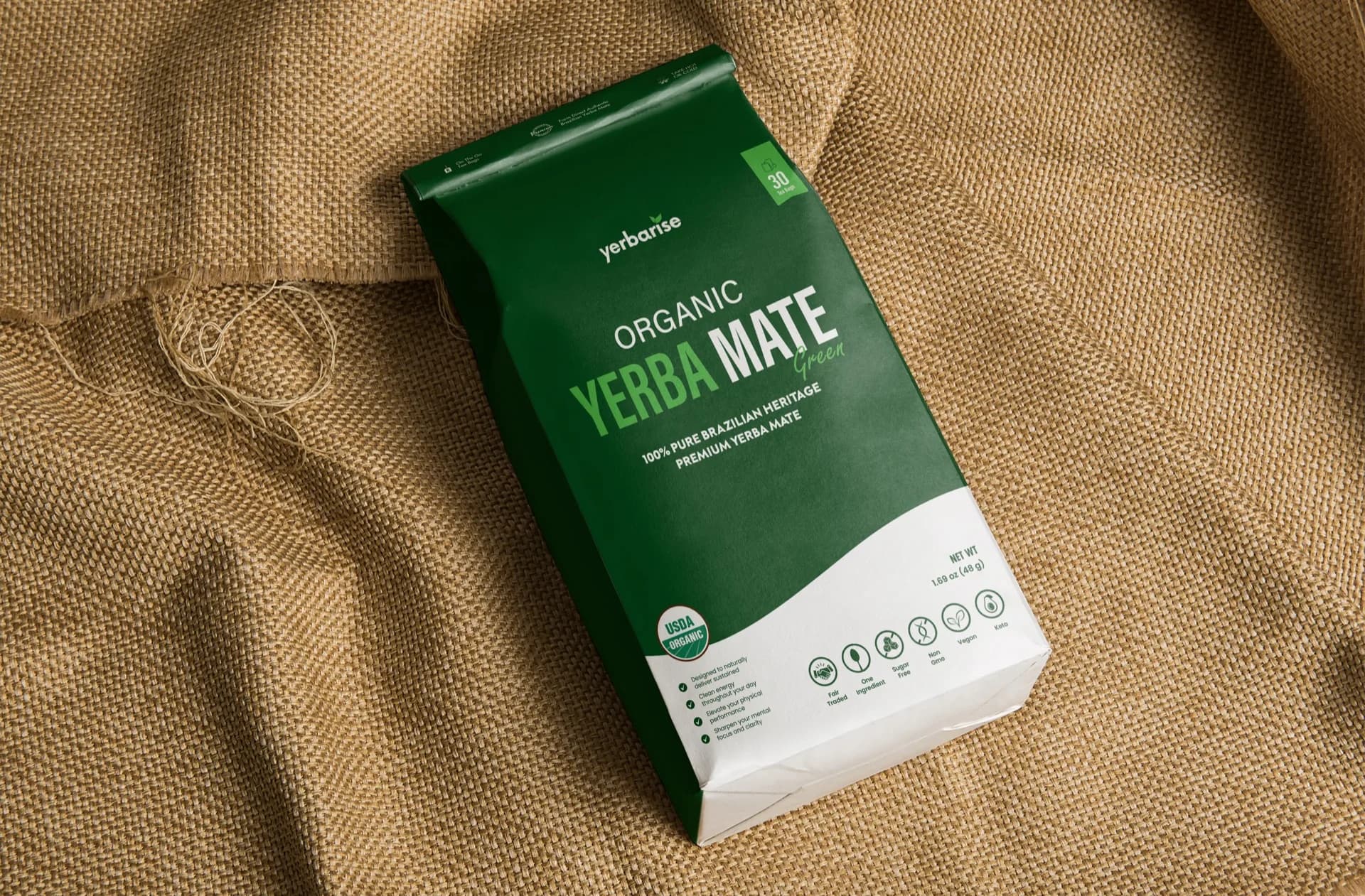
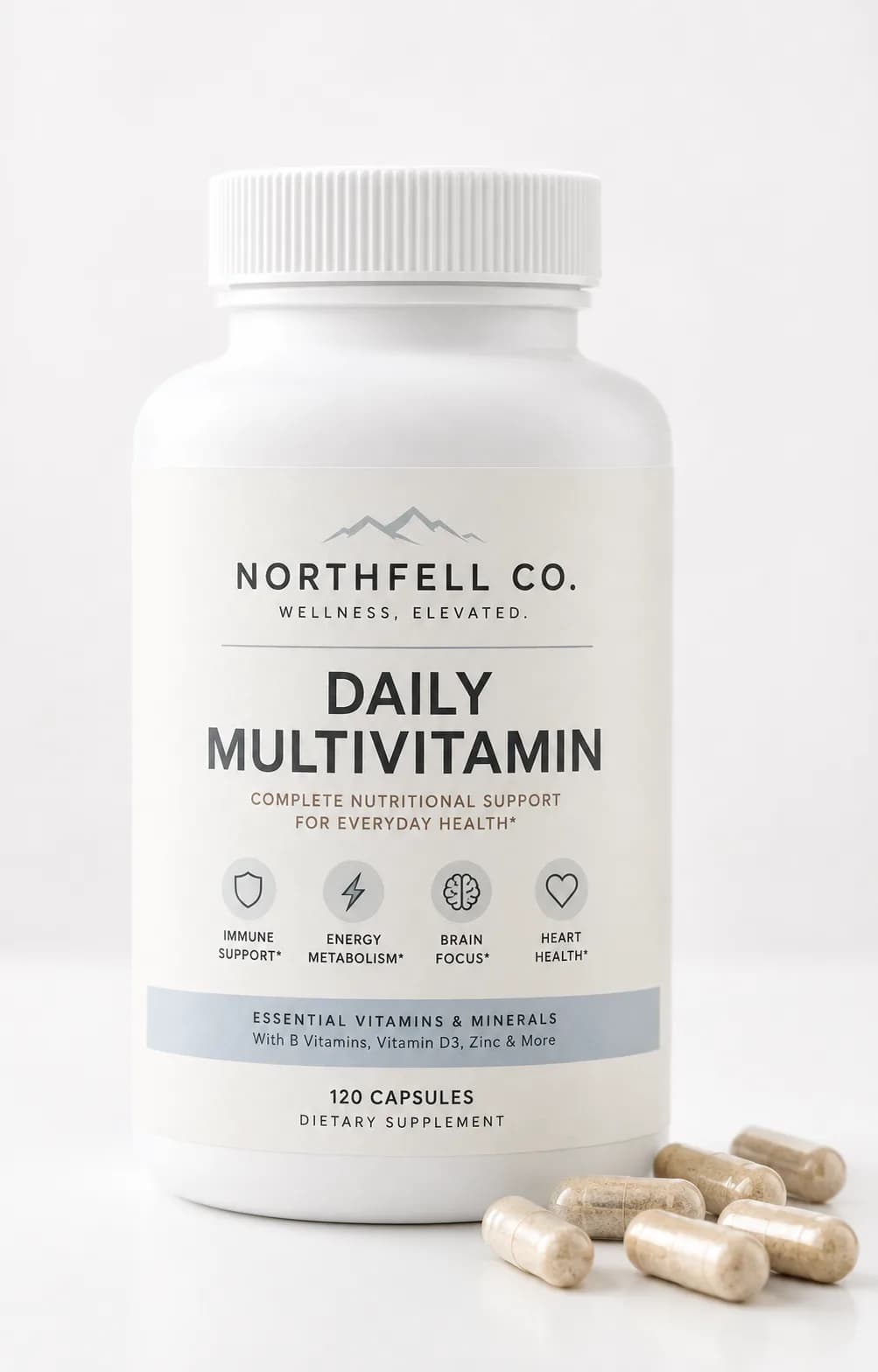
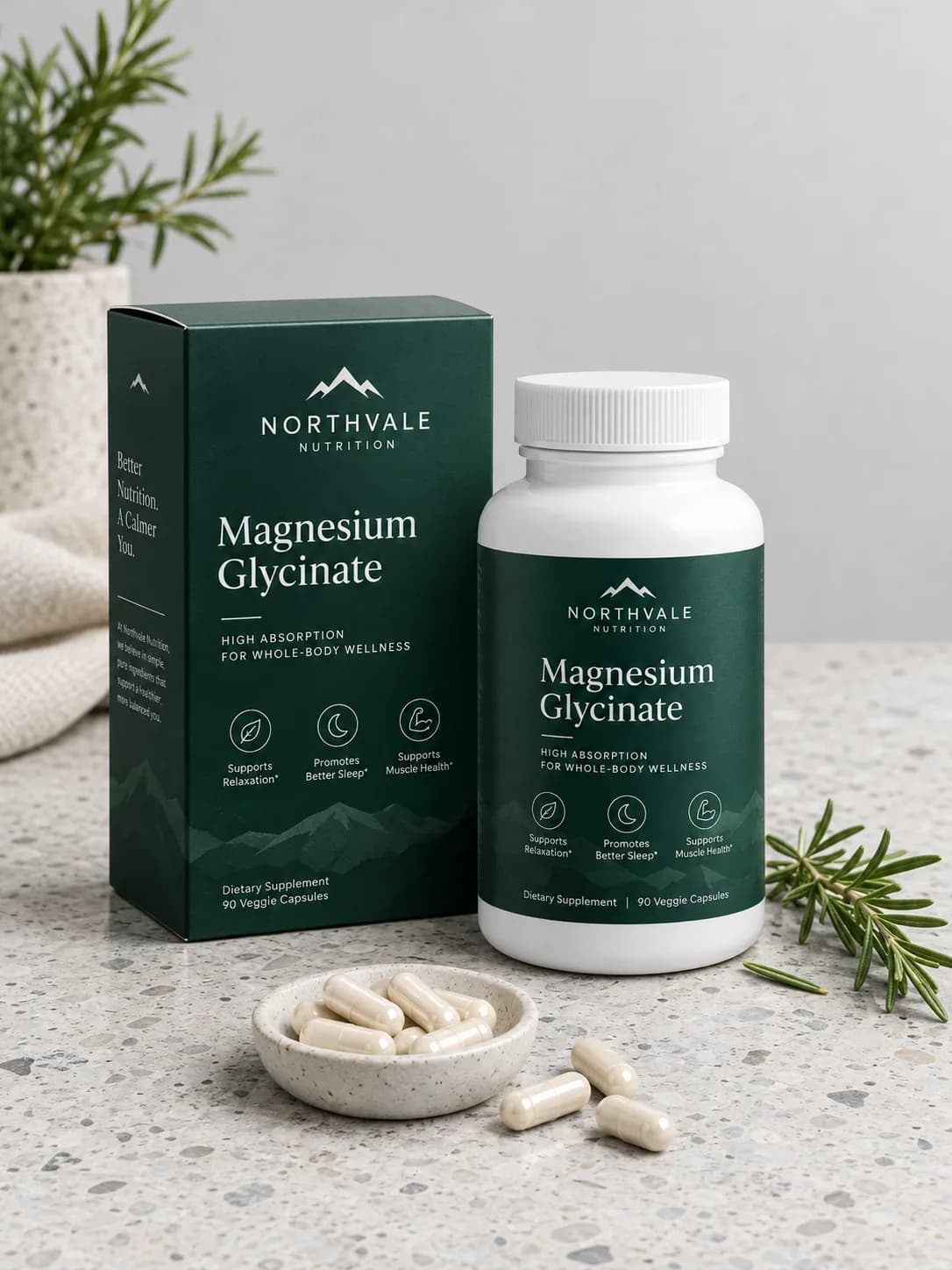
We're always-on to deliver the
packaging you want, when you need it
Label artwork to your approved regulatory text
Drug Facts or prescription label panels
Carton and blister pack artwork
Technical specification sheet
Print-ready files with colour separations
Pharmaceutical Packaging Design: The Complete Guide
A complete reference for brand managers, designers, and marketers making packaging decisions.
The Basics
Where design fits in pharmaceutical packaging
Pharmaceutical packaging is one of the most tightly controlled areas of packaging. Text, layout and even type size can be set by regulation, approved by an authority and tied to a product's licence or registration. Design still matters a great deal, but it works inside limits that other categories don't have.
It's important to be clear about roles. We handle the design side: carton and label artwork, patient leaflet layouts, legibility, information hierarchy and print-ready files. Regulatory approval, product registration and the content of the regulated text are handled by your regulatory team. They decide what must be said. We make sure it's laid out clearly, consistently and exactly as approved.
Packs also have to work for pharmacists and carers, not only patients. They pick from shelves of similar boxes, often quickly, so clear product identification on several faces of the carton helps.
Legibility is a safety issue
The challengePatients may be elderly, unwell or in a hurry. Similar-looking packs and hard-to-read strengths can lead to the wrong medicine or dose being taken.
Our approachWe design for clear differentiation between products and strengths, strong contrast and readable type, within the text your regulatory team has approved.
Every word is controlled
The challengeRegulated text can't be edited for style, and a small typing slip can mean a costly correction or recall.
Our approachWe work from the approved text supplied by your regulatory team and support a careful proofreading process, comparing each artwork version against the source before it's released.
Design Decisions
Cartons, labels, leaflets and legibility
Pharmaceutical packs are usually a system of components, and each has its own design job.
- Outer cartons. The main identification surface. Product name, strength and form need to stand out clearly, and the layout often has to accommodate a fixed set of panels for regulated information, codes and, in some markets, Braille.
- Container labels. Bottles, tubes and vials have very little space. The hierarchy has to work at small sizes without dropping anything your regulatory team says must appear.
- Blister foils. Printed foils need product identification that still makes sense once the blister is cut or partly used.
- Patient leaflets. Long, dense documents that must still be readable. Clear headings, sensible type sizes, good line spacing and a consistent structure help people find what they need. Folding patterns also need to work with the carton size.
- Type and colour. Choose typefaces that stay clear at small sizes, avoid low-contrast colour combinations for critical information, and use colour coding consistently across a range so strengths and products are easy to tell apart.
Some markets also use colour, layout or symbols to flag particular warnings or patient groups. Where your regulatory team specifies these, we apply them consistently across every component.
The regulations behind all this differ by country and product type. Prescription medicines, over-the-counter products, medical devices and veterinary products each follow their own rules. Your regulatory team will confirm what applies, provide the approved text and handle any submissions or approvals with the authorities. We design to their instructions and flag anything in the layout that looks inconsistent with the source text, so they can check it.
Pharmaceutical artwork often goes through many versions as text is updated. Clear file naming, version numbers on the artwork and a record of what changed each time make it far easier for your team to review and approve.
The Process
How we work on pharmaceutical artwork
Pharma projects follow your quality and approval process. We fit around it rather than replacing it.
Inputs from your regulatory team
Approved text, component list, dielines and technical drawings, your artwork procedures and any brand or house style rules.
Layout and hierarchy
We plan where each piece of information sits on every component and how products and strengths will be told apart across the range.
Design and leaflet layout
Carton, label and foil artwork, plus leaflet typesetting, shown as mockups so your team can review them in context.
Text comparison and revisions
Each version is checked against the approved source text and marked with a version number. Your team reviews and approves; we make the changes they request. Nothing outside the approved text is changed without their instruction.
Release files
Print-ready artwork to your printer's specification, with a review of their proof when it's provided. Final release remains with your quality and regulatory teams.
Costs and Pitfalls
Pharmaceutical artwork mistakes, costs and alternatives
Lookalike packs
Using the same colour and layout for different strengths or products to keep a range "consistent". Consistency matters, but each product must be easy to tell apart.
Retyping approved text
Copying regulated text by hand invites errors. Work from the approved source file and compare every version against it.
Decorative type
Condensed, light or script typefaces that look elegant but become hard to read on a small label.
Leaflets that don't fold to fit
Designing the leaflet without checking how it folds into the carton, then finding it doesn't fit or gets damaged in packing.
Pharmaceutical artwork costs are driven by scale and control:
- Number of components and SKUs. Each strength, pack size and market version is a separate set of artwork.
- Languages and markets. Multilingual cartons and leaflets need more space, more typesetting and more checking.
- Leaflet length. Long leaflets take significant typesetting and proofreading time.
- Review cycles. More approval rounds and text updates mean more versions to prepare and compare.
- Print features. Braille, security features and special inks are specified by your team and printer and can add to production costs.
Our design service isn't a substitute for regulatory expertise. If you don't yet have a regulatory team or adviser, that's the first appointment to make. For supplements and other non-medicinal health products, a supplement packaging project covers the different rules that apply. And if you only need an existing pack updated with new text, an artwork amendment can be much quicker than a full redesign. For updates driven by new safety information, your regulatory team sets the timeline and scope.
Got Any Questions?




Your packaging deserves
better than “good enough.”
Book a free 15-minute call and we'll scope your packaging together — or send us a message to get started.