
Service
Frozen Food Packaging Design
Packaging that stands out in the freezer aisle.
The freezer aisle is dim, cold, and competitive. Packaging that photographs beautifully on screen often disappears in-store. We design frozen food packaging engineered specifically for freezer shelf visibility — bold colours, high-contrast typography, and imagery that pops through frosted glass.
Quick Answer
Frozen food packaging design produces cold-chain-tested, compliance-checked artwork for bags, cartons, and pouches — covering FDA nutrition facts, allergen panels, and print specifications for substrates that must survive freezer condensation and rapid temperature change.
What's Included
Everything delivered, as standard
Every Frozen Food Packaging Design project includes these deliverables — no extras, no upsells, no surprises.
Packaging expertise across
7 product categories
Ready Meals
Ice Cream & Gelato
Frozen Pizza
Frozen Vegetables
Frozen Seafood
Frozen Bakery
Frozen Snacks
Frozen Food Packaging Design
Packaging that stands out in the freezer aisle.
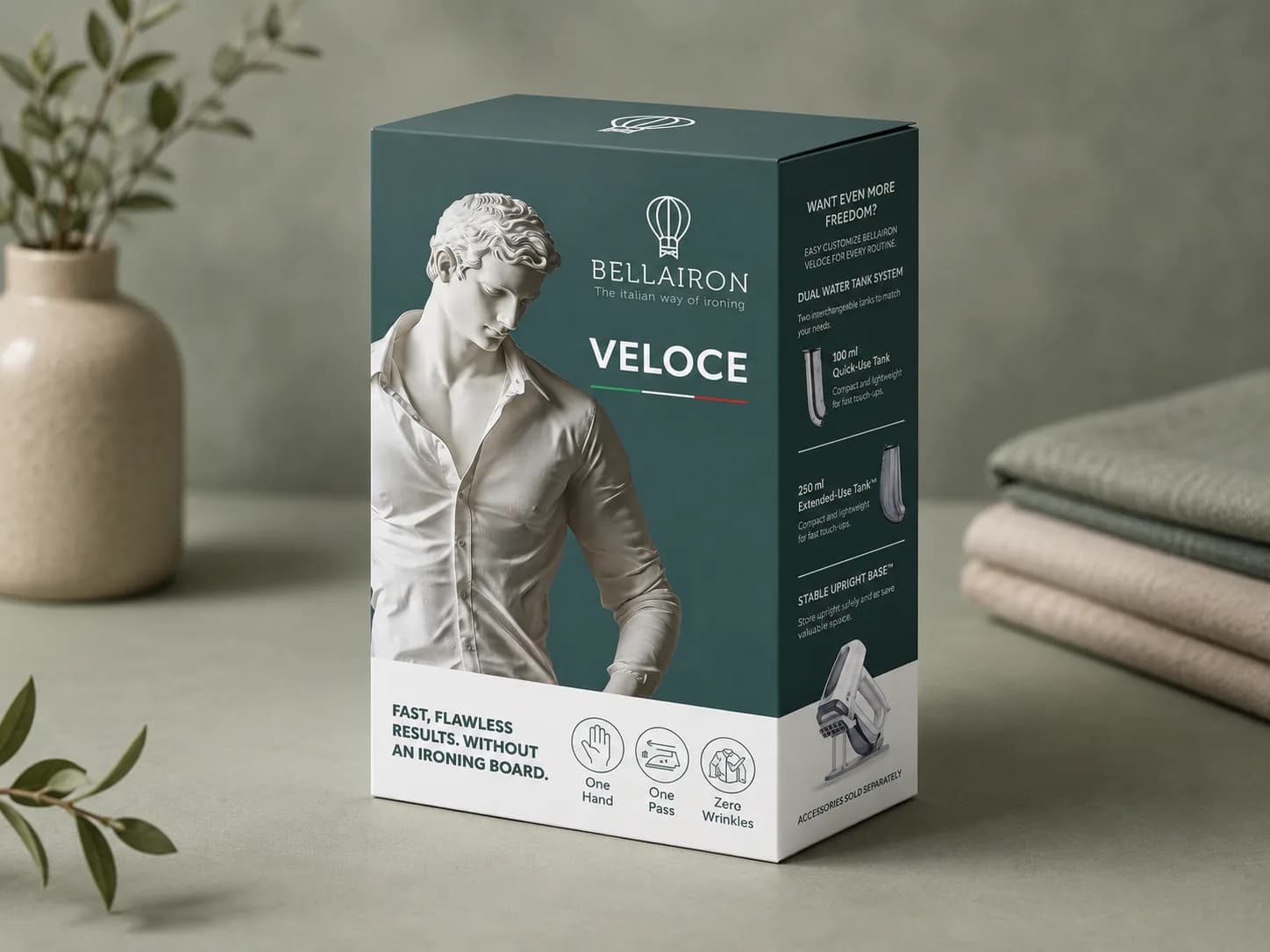

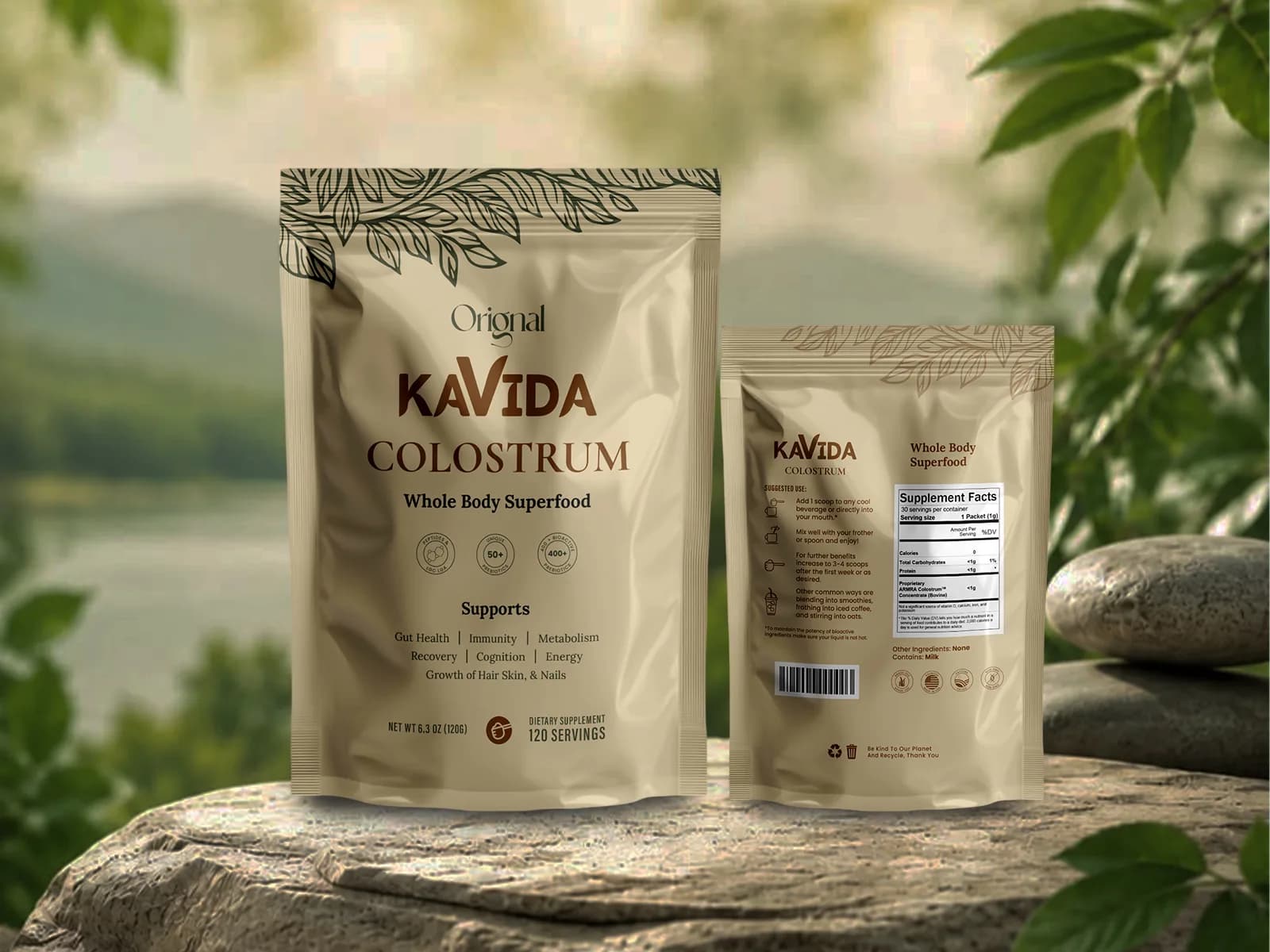
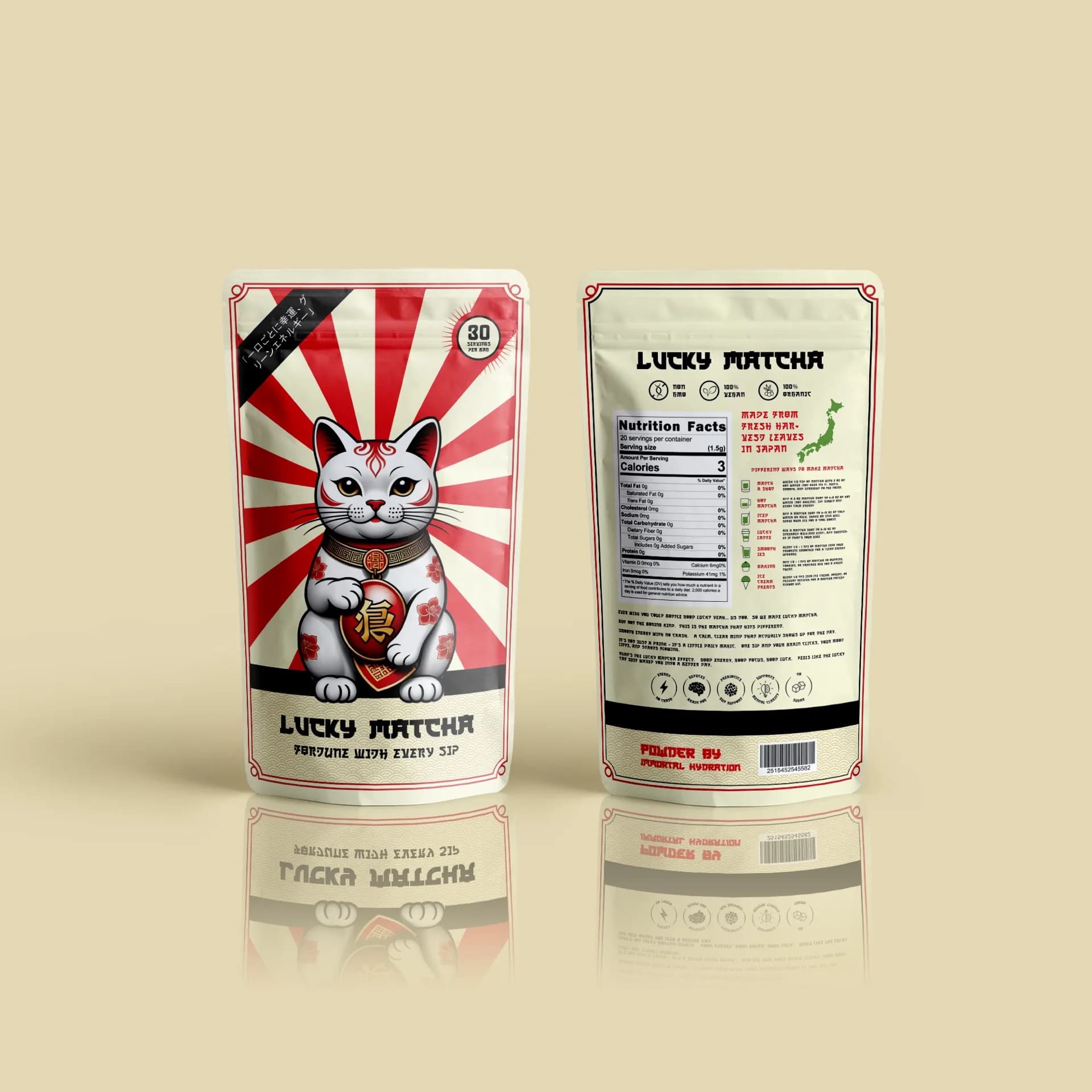

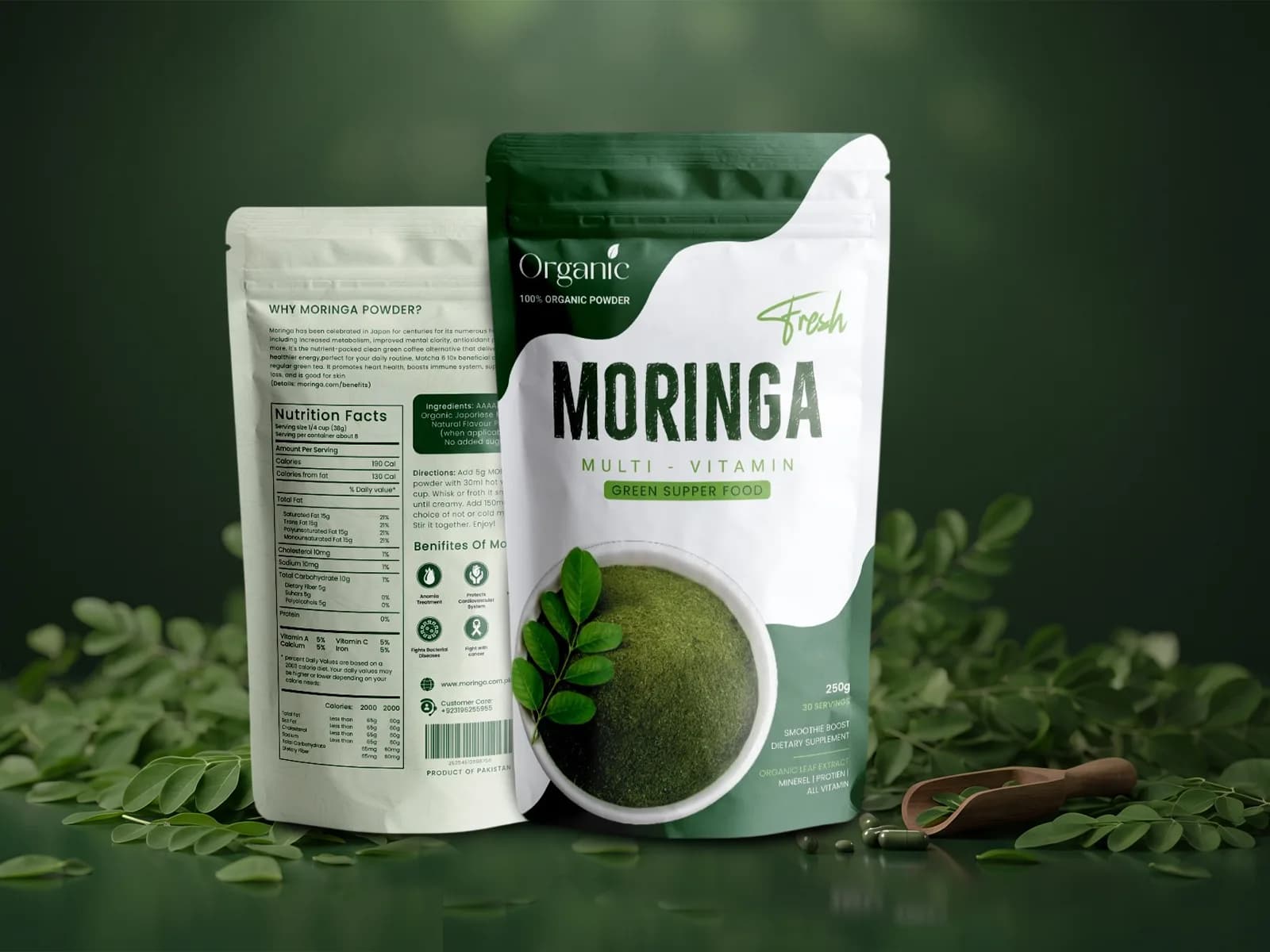
We're always-on to deliver the
packaging you want, when you need it
Print-ready frozen packaging artwork
Carton and bag dielines
Nutrition facts and cooking instructions
3D freezer shelf mockup renders
Printer specification sheet
Frozen Food Packaging Design: The Complete Guide
A complete reference for brand managers, designers, and marketers making packaging decisions.
The Category
What makes frozen food packaging different
Frozen packs are often seen through a glass door, under cool lighting, sometimes with frost on the glass. Shoppers open the door briefly and grab something. You get less time and poorer viewing conditions than in most other aisles.
The pack also goes through a lot. It's filled, frozen, kept at very low temperatures, moved between depots, then taken home, opened, resealed and put back. Condensation forms each time it leaves the freezer.
Frozen food also has a reputation to manage. Some shoppers still see it as a compromise, so packs that show real ingredients, honest portions and the cooked result help change that impression.
Seen through glass
The challengeReflections, frost and low light flatten subtle colours and fine detail. A delicate design on screen can look washed out in the cabinet.
Our approachWe judge designs in mockups that recreate a freezer-door view, with reflections and lower contrast, and adjust the hierarchy until the product and variant still read.
Built for cold and damp
The challengeOrdinary board softens and labels can lift when frozen packs meet condensation.
Our approachWe design to the moisture-resistant board, film and adhesive your manufacturer specifies, and flag artwork details that could become weak points in the cold, such as heavy solid ink across folds.
Design Decisions
Formats, materials and on-pack information
Most frozen products come in a carton, a bag or a tray with a sleeve. The choice depends on the food, how it's cooked and how it's stacked in the cabinet.
- Cartons. They stack neatly and give flat, readable panels. Many stand upright in the cabinet, so the front and the top edge do most of the work.
- Bags. Common for vegetables, chips and frozen fruit. A resealable zip helps people use a portion at a time, but adds cost.
- Trays with sleeves. Ready meals often go from freezer to oven or microwave in the same tray. The sleeve carries the design and comes off before cooking.
- Food photography. Serving suggestions are common in this category. If the photo shows anything that isn't in the pack, label it clearly as a serving suggestion.
- Cooking guidance. Clear steps, times and temperatures for each method you support. Icons for oven, microwave or air fryer help shoppers scan quickly.
Portioning and resealing matter more here than in most categories. Clear portion guidance, a reclosable feature and separate instructions for cooking from frozen or from thawed help people use the product properly. If part of the pack goes in the oven or microwave, check with your manufacturer which parts are safe to heat and say so plainly.
Frozen food follows the general food labelling rules of each market, with a few extra points. These typically include storage instructions at stated temperatures, a warning not to refreeze once defrosted where relevant, and a date mark. Some markets also require the frozen state to appear in the product name. Instructions that make the food safe to eat must be accurate. Check the details with the food authority for each market you sell in.
In chest freezers, shoppers look down. In upright cabinets, they look straight ahead. Ask how your retailers merchandise the product, and make sure the brand and product name read on the panel that's actually visible. Shelf-edge strips and promotional stickers often cover the bottom of the front, so keep key information higher up.
The Process
Our frozen food packaging process
Frozen projects combine food labelling, cooking guidance and demanding materials, so we lock down the technical facts first. Changes here often need sign-off from your quality team as well as marketing, so we build their review into the schedule.
Product and format brief
Format, dimensions, board or film specification, cooking methods, storage temperatures and the markets you sell in.
Cabinet review
Using store photos you share and published retailer images, we look at how competitors appear in the freezer and which colours and cues already crowd the category.
Concepts
Designs shown in a simulated freezer view as well as on a clean background, so you can judge them in both.
Information panels
Cooking instructions, storage guidance, nutrition and allergen information laid out clearly, using wording you've confirmed with your food technologist or regulatory adviser.
Print files and proofs
Files prepared for the specified print process and substrate, and a check of the printer's proof whenever one is provided.
Costs and Pitfalls
Frozen packaging mistakes, cost drivers and alternatives
Dark, moody palettes
Deep, low-contrast designs that look premium on screen often disappear behind frosted glass.
Borrowed cooking times
Times and temperatures copied from a similar product can leave food undercooked. Use instructions your food team has validated for this product.
Designing the wrong face
Perfecting the front panel when the product is merchandised lying flat or standing on its end.
Finishes that can't cope
Uncoated papers and some soft-touch coatings may scuff or soften with condensation. Check suitability with your printer before specifying them.
The main cost drivers for frozen packaging are:
- Materials. Moisture-resistant boards, barrier films and freezer-grade adhesives cost more than standard grades.
- Components. A printed tray, a sleeve and an outer carton are each separate parts with their own artwork.
- Photography. Food photography styled for the pack is often a separate cost from design.
- Range size. Each variant needs its own artwork, cooking instructions and checks.
- Print process. Long flexo or gravure runs lower unit costs, while short runs with many variants may suit digital print.
If your product is chilled rather than frozen, the viewing conditions and shelf life are different enough that a general food packaging approach may fit better. If you sell frozen goods mainly direct to consumers, insulated shipping packaging matters as much as the retail pack. And for bagged frozen vegetables or fruit, a flexible packaging project goes deeper into the film format. For ice cream, the tub, lid and any sleeve all need attention, because in a chest freezer people often see the lid first.
Got Any Questions?



Your packaging deserves
better than “good enough.”
Book a free 15-minute call and we'll scope your packaging together — or send us a message to get started.